


1920s Vintage: Timeless Style and Lasting Influence

Nearly a century later, the bold energy of 1920s vintage still influences fashion and interiors across the globe. During this era, designers sparked a wave of creativity that would forever shift how people expressed style and independence. With hemlines rising higher than ever and furniture reflecting a modern, cosmopolitan flair, understanding the true legacy of 1920s British trends helps collectors and enthusiasts distinguish genuine pieces from fleeting imitations while celebrating the roots of modern design.
Table of Contents
1920s Vintage: Key Takeaways
Point | Details |
Transformative Design | The 1920s represented a shift to modernist principles in both fashion and interior design, prioritising practicality and bold statements. |
Significance of Authenticity | Genuine 1920s vintage items exhibit distinct construction techniques, fabric compositions, and handcrafted details crucial for collectors. |
Caring for Vintage Pieces | Proper preservation techniques, including climate control and careful handling, are essential to maintain the integrity of vintage items. |
Common Pitfalls | Novice collectors should conduct thorough research, particularly regarding textile authenticity and historical context, to avoid costly mistakes. |
Defining 1920s Vintage in Fashion and Decor
The 1920s represented a transformative era in design and fashion, characterised by radical shifts from previous decades’ aesthetic conventions. Design innovations from this period fundamentally reshaped how individuals conceptualised style, introducing modernist principles that would influence generations.

In fashion, the decade witnessed remarkable changes. Women’s clothing transitioned from restrictive Victorian silhouettes to streamlined, liberated designs. The classic flapper dress emerged as a revolutionary garment, featuring dropped waistlines and hemlines that dramatically rose to expose the ankle - a scandalous development for previous generations. These dresses symbolised newfound female independence, rejecting ornate Victorian constraints in favour of practical, movement-friendly attire.
Interior design similarly experienced profound transformations. Curzon Street Baroque represented one fascinating design movement, characterised by substantial furniture from Southern European traditions. Wealthy British intellectuals embraced these robust, statement pieces that reflected the era’s growing cosmopolitan sensibilities. Furniture became less about intricate ornamentation and more about clean lines, functionality, and bold statements.
Pro Tip for Vintage Collectors: When sourcing authentic 1920s pieces, prioritise original construction techniques and materials over modern reproductions. Genuine vintage items will demonstrate handcrafted details and period-specific manufacturing characteristics that mass-produced contemporary items cannot replicate.
The following table highlights key differences between 1920s fashion and interior design transformations:
Aspect | Fashion | Interior Design |
Design Philosophy | Modernist, practical, movement-oriented | Functional, cosmopolitan, bold statements |
Iconic Feature | Flapper dress with dropped waist | Curzon Street Baroque furniture |
Material Focus | Natural fibres: silk, cotton, wool | Substantial wood, minimal ornamentation |
Symbolic Change | Female independence and liberation | Statement of intellectual sophistication |
Iconic Trends and Styles of the 1920s
The 1920s fashion landscape was a revolutionary canvas of artistic expression and social transformation. La Garçonne style epitomised this dramatic shift, introducing androgynous silhouettes that challenged traditional feminine dress codes. Women’s fashion abandoned restrictive corsets and elaborate layers, embracing more liberated, fluid designs that celebrated personal freedom and movement.
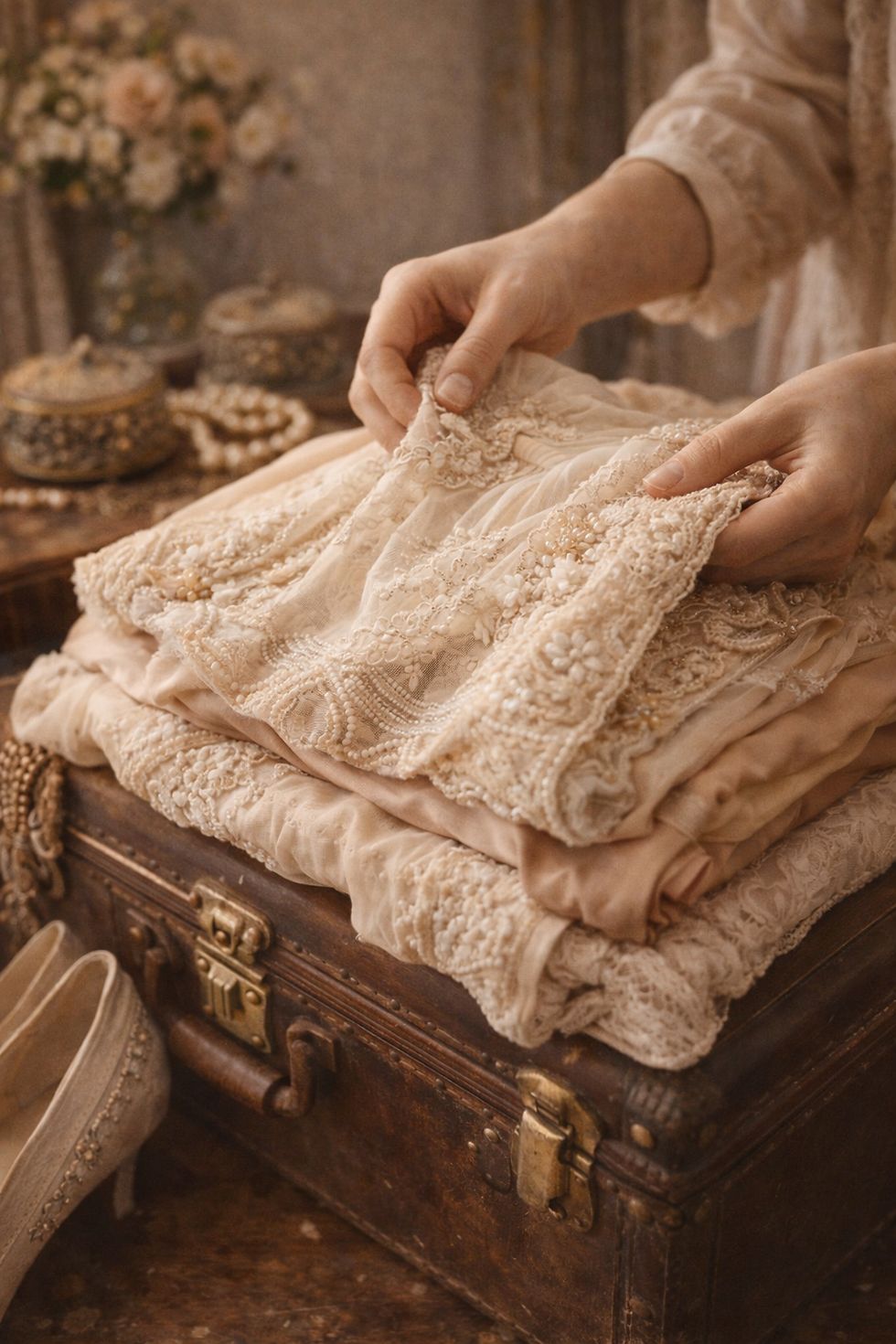
Driven by the Art Deco movement, fashion became a geometric playground of visual sophistication. Intricate beaded and sequinned flapper dresses transformed evening wear into wearable art, featuring bold symmetrical patterns and striking contrasts. These garments were not merely clothing but statements of cultural rebellion, reflecting the era’s progressive spirit and newfound sense of individual expression.

Accessories played a crucial role in defining 1920s style. Cloche hats sat low on the forehead, practically touching the eyebrows, while long pearl necklaces and elaborate headbands completed the iconic look. Men’s fashion similarly evolved, with tailored suits becoming slimmer and more structured, moving away from the bulky Edwardian styles. Pinstripe suits, fedora hats, and two-tone spectator shoes became symbols of urban sophistication and masculine elegance.
Pro Tip for Vintage Enthusiasts: When collecting 1920s fashion pieces, look for authentic details like hand-sewn beadwork, original Art Deco geometric patterns, and natural fabric compositions such as silk, cotton, and wool that were prevalent during this transformative decade.
Authenticity and Sourcing Genuine Pieces
Authenticity in vintage 1920s pieces requires meticulous research and expert knowledge. The National Archives’ registered design collection represents an invaluable resource for verifying original design characteristics from this transformative era. Serious collectors understand that genuine pieces carry distinctive construction techniques, fabric compositions, and subtle manufacturing details that modern reproductions cannot replicate.
Recognising authentic 1920s items involves understanding multiple authentication criteria. Textile composition plays a crucial role, with natural fibres like silk, wool, and cotton being predominant during this period. Handcrafted details such as intricate beadwork, carefully constructed seams, and unique fastening mechanisms distinguish genuine vintage pieces from contemporary imitations. Curzon Street Baroque design principles offer additional insights into the craftsmanship and aesthetic sensibilities of the era, helping collectors develop a discerning eye for true vintage elegance.
Collectors should develop a comprehensive approach to sourcing genuine 1920s pieces. Reputable vintage dealers, specialised auction houses, and museum archives provide the most reliable sources. Examining construction techniques, understanding period-specific manufacturing methods, and studying original design documentation are essential skills. Fabric weight, stitching patterns, original labels, and even minor imperfections can reveal a piece’s authenticity and historical provenance.
Pro Tip for Vintage Detectives: Invest in a high-quality magnifying glass and period reference books to examine intricate details like stitching, fabric weave, and manufacturing marks that definitively prove a piece’s authentic 1920s origins.
Here is a quick reference table for authenticating genuine 1920s vintage items:
Authentication Factor | Vintage Clothing Example | Vintage Decor Example |
Fabric Composition | Silk, wool, cotton fabrics | Heavy solid woods, original finishes |
Construction Technique | Hand-sewn beadwork, dropped seams | Traditional joinery, handcraft marks |
Distinctive Detail | Cloche hats, geometric bead patterns | Unique hardware, geometric motifs |
Provenance | Original label, period documentation | Period catalogues, designer archives |
Collecting, Caring for, and Styling 1920s Items
The National Archives’ visual collections offer extraordinary insights into collecting authentic 1920s pieces, providing collectors with invaluable historical references. Building a meaningful collection requires more than simply acquiring items; it demands a nuanced understanding of the era’s aesthetic principles, manufacturing techniques, and cultural significance. Serious collectors approach 1920s vintage as a form of historical preservation, seeking pieces that tell compelling stories about social transformation and artistic innovation.
Caring for 1920s items demands specialised knowledge and meticulous attention to detail. Textile preservation becomes critical, with natural fibres like silk, wool, and cotton requiring specific storage conditions. Acid-free archival tissue paper, climate-controlled environments, and careful handling are essential to prevent degradation. Curzon Street Baroque design principles provide additional context for understanding the materials and construction techniques prevalent during this transformative period, helping collectors make informed preservation decisions.
Styling vintage 1920s pieces requires a delicate balance between historical authenticity and contemporary fashion sensibilities. Layering original pieces with modern garments can create striking, avant-garde ensembles that honour the era’s revolutionary spirit. For interior decor, incorporating original Art Deco accessories, geometric-patterned textiles, and statement furniture pieces can transform living spaces, infusing them with the distinctive elegance and bold creativity of the 1920s.
Pro Tip for Vintage Curators: Document each vintage piece’s provenance meticulously, photographing unique details and recording any historical information you discover, as this documentation significantly increases the item’s historical and collectible value.
Common Mistakes When Buying 1920s Vintage
The National Archives’ registered design collection provides crucial insights into the most common pitfalls vintage collectors encounter when purchasing 1920s items. One of the most significant errors is failing to conduct thorough research before making a purchase. Novice collectors often rely solely on visual appearance, overlooking critical authentication markers that distinguish genuine vintage pieces from modern reproductions.
A critical mistake many buyers make involves misunderstanding textile authenticity. Original 1920s garments feature specific construction techniques, including hand-sewn details, unique fabric compositions, and distinctive stitching patterns that modern manufacturers struggle to replicate. Curzon Street Baroque design principles highlight the importance of understanding period-specific manufacturing nuances, which can help collectors identify genuine pieces and avoid costly purchasing errors.
Financial misjudgments represent another significant pitfall for vintage collectors. Many buyers either overpay for inauthentic pieces or undervalue genuine artefacts due to limited market knowledge. Collectors must develop a comprehensive understanding of pricing structures, rarity factors, and condition assessment. This requires extensive research, consultation with expert dealers, and careful examination of provenance documentation. Understanding the historical context and cultural significance of 1920s vintage items becomes crucial in making informed purchasing decisions.
Pro Tip for Vintage Buyers: Always request detailed photographs showing interior construction, fabric composition labels, and specific manufacturing details before purchasing any 1920s vintage item, as these elements provide the most reliable indicators of authenticity.
Discover Authentic 1920s Vintage Style with My Vintage
If you are captivated by the timeless elegance and bold transformations of 1920s fashion and decor then you understand the challenges of finding truly authentic pieces that reflect the decade’s modernist design and handcrafted details. From the iconic shift dresses symbolising female liberation to the substantial Curzon Street Baroque furniture showcasing sophisticated craftsmanship sourcing genuine items is essential to preserve the cultural significance and historical accuracy of your collection.

Explore a curated selection of vintage clothing and retro homeware at My Vintage where each item embodies the quality and individuality celebrated in the 1920s. Whether you seek original hand-sewn beadwork or bold geometric Art Deco patterns our collection offers carefully selected pieces with authentic textile compositions and construction techniques. Start building your unique 1920s wardrobe or vintage home today with confidence that you are investing in sustainable style that honours the era’s lasting influence. Visit My Vintage now to experience our range of vintage treasures and classic designs inspired by the spirit of the 1920s.
Frequently Asked Questions
What defines 1920s vintage fashion?
1920s vintage fashion is characterised by modernist and practical designs that prioritise movement and comfort, with notable features like the shift dress, dropped waistlines, and ankle-length hemlines that symbolised female independence.
How did interior design evolve during the 1920s?
Interior design in the 1920s saw a significant shift towards functional and cosmopolitan aesthetics, with movements like Curzon Street Baroque embracing substantial furniture that focused on clean lines and bold statements rather than intricate ornamentation.
What are key characteristics to look for in authentic 1920s vintage pieces?
Genuine 1920s vintage pieces exhibit distinctive construction techniques, use of natural fibres such as silk, wool, or cotton, and unique manufacturing details like hand-sewn elements and original labels that set them apart from modern reproductions.
How should one care for 1920s vintage garments and decor?
Caring for 1920s vintage items involves specialised preservation techniques such as using acid-free archival tissue for storage, controlling environmental conditions, and handling them with care to prevent degradation of materials like silk and wool.
Recommended


Comments