


1950s Fads Explained: Culture, Fashion, and Fun
- Nov 28, 2025
- 7 min read
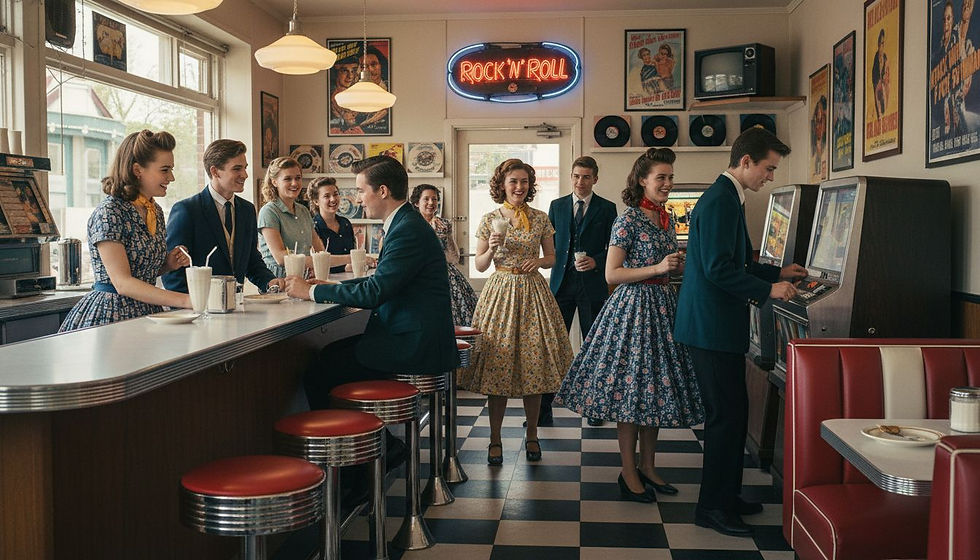
The 1950s set the stage for a cultural explosion that would shape modern British identity in countless ways. During this remarkable decade, more than 70 percent of teenagers in Britain identified music and fashion as their main forms of expression, marking a dramatic shift from previous generations. This period was defined by bold trends, innovative technology, and a rebellious youth culture that forever transformed society. Discover how these vibrant changes sparked new movements and left a lasting impact that still resonates today.
Table of Contents
Key Takeaways
Point | Details |
Cultural Transformation | The 1950s marked a significant cultural shift, driven by emerging youth movements and the rise of Rock and Roll, indicating a challenge to traditional social norms. |
Fashion Revolution | The decade’s fashion embraced bold designs and styles, notably Christian Dior’s ‘New Look’ and the Teddy Boy subculture, reflecting a rejection of post-war austerity. |
Rise of Influence | Young people became a powerful cultural force, shaping entertainment and social interactions through music, dance, and distinct fashion choices. |
Legacy of Change | The social movements of the 1950s laid crucial groundwork for future progress in civil rights and women’s liberation, influencing contemporary societal values. |
Defining 1950s Fads and Popular Culture
The 1950s emerged as a transformative decade of vibrant cultural shifts, marked by unprecedented social dynamism and emerging youth movements. According to amdigital, this period represented a pivotal moment in post-war society, characterised by significant technological, musical, and societal changes that would reshape modern culture.
The decade witnessed an extraordinary explosion of popular culture, particularly among younger generations who were challenging traditional social norms. Rock and Roll emerged as a revolutionary musical genre, symbolising teenage rebellion and newfound cultural independence. Young people began developing distinct fashion styles, music preferences, and social attitudes that dramatically differed from their parents’ generation. Explore our complete guide to 1950s fashion to understand how clothing reflected these profound cultural transformations.
Technological innovations also played a crucial role in defining 1950s popular culture. The introduction of television, credit cards, and early computer technologies fundamentally altered everyday life. Youth culture became increasingly visible and influential, with teenagers developing their own distinct identity through music, fashion, and social gatherings. Iconic elements like drive-in cinemas, milkshake bars, and emerging rock music concerts became powerful symbols of this dynamic and rapidly changing social landscape, representing a new era of personal freedom and cultural expression.
Key characteristics of 1950s popular culture included:
Emergence of teenage consumer culture
Revolutionary music genres like Rock and Roll
Significant technological advancements
Growing emphasis on youth identity and rebellion
Transformation of social norms and expectations
Iconic Fashion Trends of the 1950s
The 1950s represented a revolutionary era in fashion, marked by dramatic transformations that challenged previous design conventions. According to theherbert, the decade signalled a definitive rejection of post-war austerity, with Christian Dior’s groundbreaking ‘New Look’ championing a return to glamorous and sophisticated womenswear that celebrated feminine silhouettes.
Footwear emerged as a critical fashion statement during this period. Fashioninform highlights the popularity of kitten heels for women and saddle shoes among teenagers, which became iconic symbols of 1950s style. These shoes were not merely fashion accessories but cultural markers, often associated with sock hops and rock ‘n’ roll dance culture. Discover more about 50s dress styles with our comprehensive guide.
Male fashion underwent equally dramatic transformations, with the emergence of the Teddy Boy subculture representing a bold sartorial rebellion. Young men adopted ostentatious outfits reminiscent of Edwardian dandies, featuring tailored jackets, narrow trousers, and distinctive accessories that challenged conventional masculinity. This fashion movement reflected broader social changes, symbolising youth’s desire to distinguish themselves from previous generations and create unique cultural identities.
Key fashion trends of the 1950s included:
Christian Dior’s hourglass ‘New Look’
Kitten heels and saddle shoes
Teddy Boy subculture fashion
Fitted, structured clothing for women
Bold, statement-making accessories

Classic Toys, Games, and Pastimes
The 1950s represented a golden age of childhood entertainment, with toys and pastimes reflecting the era’s optimistic and rapidly changing cultural landscape. amdigital highlights how youth culture was emerging as a distinct social phenomenon, driving innovation in entertainment and leisure activities that would define a generation.

Board Games and Mechanical Toys became incredibly popular during this period, offering families and children exciting new forms of interaction. Classic games like Monopoly, Scrabble, and Clue captured the imagination of players, while mechanical toys such as wind-up cars, dolls with moving parts, and early electronic gadgets provided hours of engaging entertainment. Explore vintage homeware that captures the spirit of this era and understand how these objects reflected the technological optimism of the time.
Outdoor play and group activities were also fundamental to 1950s childhood experiences. Children would spend hours playing traditional games like hopscotch, skipping, marbles, and rounders, often organised in neighbourhood groups. The emergence of television and more sophisticated toys did not completely replace these communal activities, but instead complemented them, creating a rich and diverse play environment that encouraged both individual creativity and social interaction.
Key toys and pastimes of the 1950s included:
Mechanical wind-up toys
Board games like Monopoly and Scrabble
Hula hoops
Erector sets and construction toys
Yo-yos and marbles
Outdoor group games and sports
Dance Crazes and Music Influences
The 1950s witnessed a musical revolution that fundamentally transformed youth culture and social interactions. amdigital highlights this period as a pivotal moment in the onset of Rock and Roll, a genre that would dramatically reshape musical expression and social dynamics across generations.

Rock and Roll emerged as more than just a musical style - it was a cultural movement that introduced revolutionary dance styles like the Jive, Lindy Hop, and Twist. These energetic dance forms represented more than mere entertainment; they symbolised youth rebellion, sexual liberation, and a break from traditional social constraints. Young people would gather at dance halls, sock hops, and local venues to showcase their newest moves, transforming social interactions and challenging existing cultural norms. Explore vintage shoe styles that defined this dynamic era to understand how footwear complemented these vibrant dance movements.
Musical icons like Elvis Presley, Chuck Berry, and Little Richard became cultural revolutionaries, their music and performance styles breaking racial and social barriers. Their influence extended far beyond music, inspiring fashion, attitudes, and social behaviours. Dance became a powerful form of self-expression, with teenagers using rhythm and movement to challenge societal expectations and forge their own identities.
Key dance and music influences of the 1950s included:
Rock and Roll music genre
Jive and Lindy Hop dance styles
Emergence of teenage musical subcultures
Integration of rhythm and blues
Breaking of racial music barriers
Rebellion through musical expression
Rise of iconic musical performers
Impact on Society and Modern Retro Revival
amdigital reveals how the 1950s were far more than a mere decade of fashion and entertainment, but a transformative period that fundamentally reshaped societal structures, youth culture, and social movements. The era represented a critical turning point in challenging traditional social norms, with young people emerging as a powerful cultural force driving significant social change.
The cultural revolution of the 1950s continues to inspire contemporary fashion, design, and social movements. Modern retro enthusiasts have embraced the decade’s aesthetic, celebrating its bold silhouettes, vibrant colours, and rebellious spirit. Understand the nuances of retro style in our comprehensive guide, which explores how vintage influences continue to shape contemporary fashion and design philosophies. This ongoing fascination demonstrates the enduring appeal of 1950s culture, with its emphasis on individual expression and challenging societal conventions.
Moreover, the decade’s impact extends beyond aesthetic appreciation. The social movements of the 1950s, including early campaigns for civil rights and women’s liberation, laid crucial groundwork for subsequent decades of social progress. Musicians, artists, and youth cultures of the time challenged racial segregation, promoted individual freedom, and created spaces for marginalised voices to be heard. This legacy of rebellion and transformation continues to inspire contemporary social justice movements and cultural expressions.
Key impacts of the 1950s on modern society include:
Challenging traditional social hierarchies
Emergence of youth as a distinct cultural force
Breaking racial and social barriers
Inspiring contemporary fashion and design
Promoting individual self-expression
Laying groundwork for social justice movements
Celebrating cultural diversity and rebellion
Discover Timeless 1950s Style and Culture with My Vintage
The 1950s brought a wave of cultural change marked by iconic fashion, revolutionary music, and unforgettable fads that many yearn to relive or incorporate into their lives today. If you are captivated by the elegance of Christian Dior’s ‘New Look’, the energy of Rock and Roll dance crazes, or the charm of classic vintage toys, My Vintage offers a carefully curated selection to satisfy your desire for authentic 1950s fashion and retro homeware. Explore our collection to embrace the bold silhouettes, iconic footwear, and statement accessories that defined this dynamic decade.

Step into the era of youthful rebellion and timeless style now by browsing the unique pieces at My Vintage. Whether you want to channel the spirit of the Teddy Boy subculture or enhance your home with vintage decor capturing the optimistic post-war culture, we provide high-quality, sustainable vintage items to elevate your individuality. Start your authentic 1950s look or retro lifestyle today and experience the lasting impact of this remarkable decade through our vintage fashion selection and styling inspiration.
Frequently Asked Questions
What were the key characteristics of 1950s popular culture?
The key characteristics of 1950s popular culture included the emergence of teenage consumer culture, revolutionary music genres like Rock and Roll, significant technological advancements, a growing emphasis on youth identity and rebellion, and the transformation of social norms and expectations.
How did fashion change during the 1950s?
Fashion in the 1950s underwent dramatic transformations, marked by Christian Dior’s ‘New Look,’ which celebrated feminine silhouettes. Key trends included kitten heels, saddle shoes, and the emergence of the Teddy Boy subculture for men, showcasing fitted clothing and bold accessories.
What types of toys and games were popular in the 1950s?
The 1950s saw a rise in board games like Monopoly and Scrabble, as well as mechanical wind-up toys and outdoor play activities such as hopscotch and marbles. These toys and games reflected the era’s optimistic spirit and technological advancements.
How did music influence dance styles in the 1950s?
Music, particularly Rock and Roll, introduced energetic dance styles like the Jive, Lindy Hop, and Twist. These dance forms symbolised youth rebellion and created new social interactions, allowing teenagers to express themselves and challenge traditional norms.
Recommended


Comments