


Advantages of Vintage Shopping: Style, Value, and Sustainability
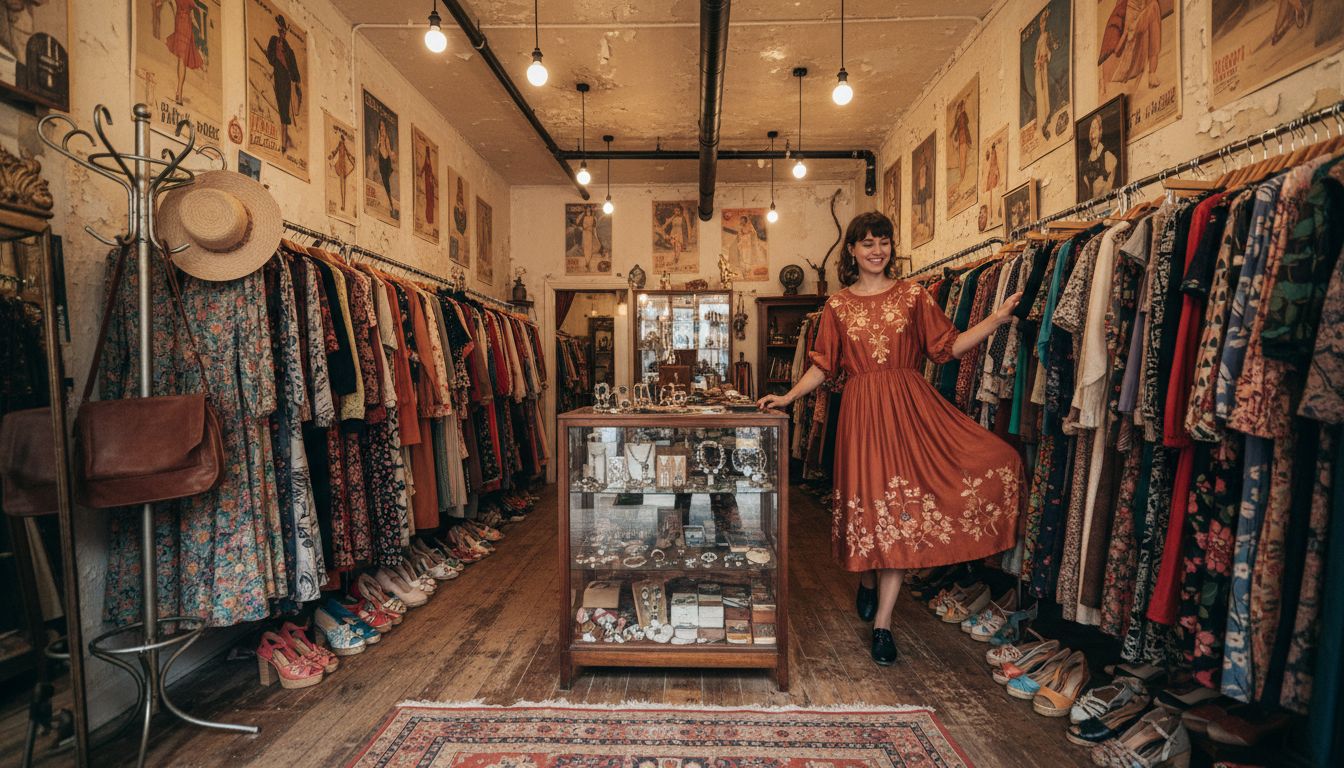
The appeal of vintage fashion goes beyond simply owning something old, as vintage pieces reveal stories through their unique design and expert craftsmanship. Many misconceptions surround what vintage shopping actually means, yet the truth is far more stylish and thoughtful than most imagine. Explore how vintage brings lasting value and individual expression to the modern wardrobe with the advantages of vintage shopping.
Table of Contents
Advantages of Vintage Shopping: Key Takeaways
Point | Details |
Understanding Vintage Shopping | Vintage shopping is about acquiring unique, well-preserved items that celebrate craftsmanship, sustainability, and fashion history, rather than just purchasing second-hand clothing. |
Types of Vintage Items | Vintage fashion includes a diverse range of items, from clothing and accessories to homeware, each representing specific historical moments and cultural narratives. |
Value of Vintage Fashion | Vintage clothing offers individuality, craftsmanship, and historical significance, making it a sophisticated alternative to contemporary fashion while also serving as a potential investment. |
Environmental Impact | Choosing vintage helps reduce waste, conserve resources, and minimise the carbon footprint of fashion consumption, promoting a more sustainable approach to style. |
Defining Vintage Shopping and Common Misconceptions
Vintage shopping represents more than just acquiring second-hand clothing—it is a nuanced approach to fashion that celebrates historical design, craftsmanship, and sustainability. Exploring the vintage fashion landscape reveals a rich world where clothing tells stories beyond contemporary trends. Unlike mass-produced contemporary garments, vintage pieces offer unique character and provenance that modern fashion often lacks.
At its core, vintage shopping involves acquiring clothing and accessories typically aged between 20 to 100 years old, with significant emphasis on authenticity and historical context. Research indicates that vintage fashion retailers differentiate themselves by leveraging unique knowledge and skills, transforming shopping from a mere transaction into an immersive experience. This approach goes far beyond simply purchasing old clothing—it represents a deliberate choice to appreciate design, support sustainable consumption, and connect with fashion history.
Common misconceptions about vintage shopping often stem from limited understanding. Many people erroneously believe vintage means worn-out, outdated, or low-quality clothing. In reality, vintage pieces represent carefully curated, well-preserved garments that showcase exceptional craftsmanship. Vintage shoppers are discerning collectors who appreciate:
Unique design elements unavailable in contemporary fashion
Superior construction techniques
Sustainable alternatives to fast fashion
Historical and cultural significance of clothing
Investment potential of rare or iconic pieces
Understanding vintage shopping requires recognising it as a sophisticated approach to personal style that transcends simple clothing acquisition.
Distinct Types of Vintage Items Explained
Vintage fashion encompasses a fascinating array of items that transcend simple clothing categories, offering collectors and enthusiasts a rich tapestry of historical design and cultural expression. Understanding the nuanced world of vintage items reveals a complex landscape where each piece represents more than just fabric and form—it embodies a specific moment in design history.
Research exploring vintage consumer trends highlights diverse categories of collectible items, which broadly encompass several key classifications. Vintage clothing typically spans multiple decades, with enthusiasts categorising pieces by era: 1920s Art Deco elegance, 1950s rockabilly styles, 1960s mod fashion, and 1970s bohemian aesthetics. Beyond apparel, vintage collecting extends to accessories like handbags, jewellery, scarves, and complementary items that complete a historical ensemble. The UK vintage market particularly emphasises the cultural significance of these items, recognising them as more than mere fashion objects.
The principal types of vintage items can be systematically categorised as follows:
Clothing
Haute couture pieces
Ready-to-wear garments
Workwear and uniforms
Evening and formal wear
Accessories
Vintage hats and headwear
Leather goods and handbags
Jewellery from specific eras
Vintage scarves and ties
Homeware and Decorative Items
Mid-century furniture
Vintage kitchenware
Retro lighting fixtures
Decorative ceramics and glassware
Understanding these categories requires recognising that vintage items are not merely old objects, but carefully curated pieces that represent specific historical moments, design philosophies, and cultural narratives.
Why Vintage Offers Unique Style and Value
Vintage fashion represents far more than nostalgic clothing—it is a profound statement of individual expression and sartorial sophistication. Understanding the role of vintage in personal style reveals how these carefully curated pieces transcend conventional fashion boundaries, offering wearers an opportunity to craft a truly distinctive aesthetic that stands apart from mass-produced contemporary trends.
Research into vintage fashion retail demonstrates that the true value of vintage pieces lies in their unparalleled uniqueness. Vintage clothing provides consumers with distinctive style elements that cannot be replicated by modern fashion houses. The meticulous curation and selection process employed by vintage retailers ensures each piece tells a compelling story, reflecting specific historical moments, design philosophies, and cultural narratives. This approach transforms clothing from mere fabric into wearable art that communicates personal identity and aesthetic sensibility.
The unique value of vintage fashion manifests through several key dimensions:
Individuality
One-of-a-kind design elements
Rare and limited production pieces
Styles not available in contemporary fashion
Craftsmanship
Superior construction techniques
High-quality materials
Attention to detailed finishing
Historical Significance
Pieces representing specific cultural moments
Design evolution across decades
Authentic representations of past aesthetic movements
Beyond aesthetic appeal, vintage items represent intelligent investments that appreciate in cultural and potential monetary value, offering discerning collectors a sophisticated alternative to ephemeral fashion trends.
Environmental Impact and Sustainable Benefits
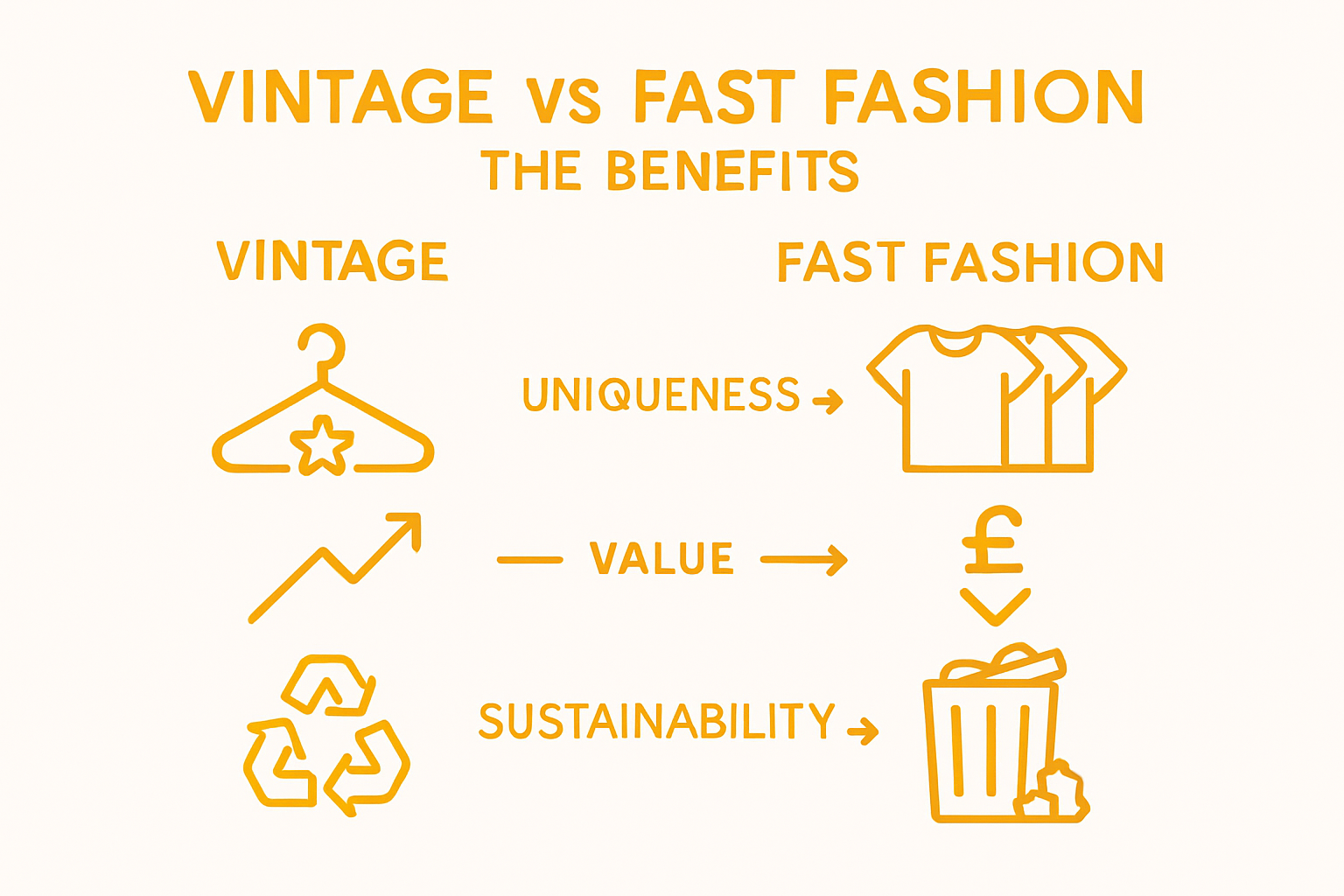
Vintage fashion represents a powerful approach to sustainable consumption, offering an innovative solution to the environmental challenges posed by modern fast fashion. Exploring vintage fashion as an ethical choice reveals how each pre-loved garment contributes to reducing textile waste and minimising the fashion industry’s carbon footprint.
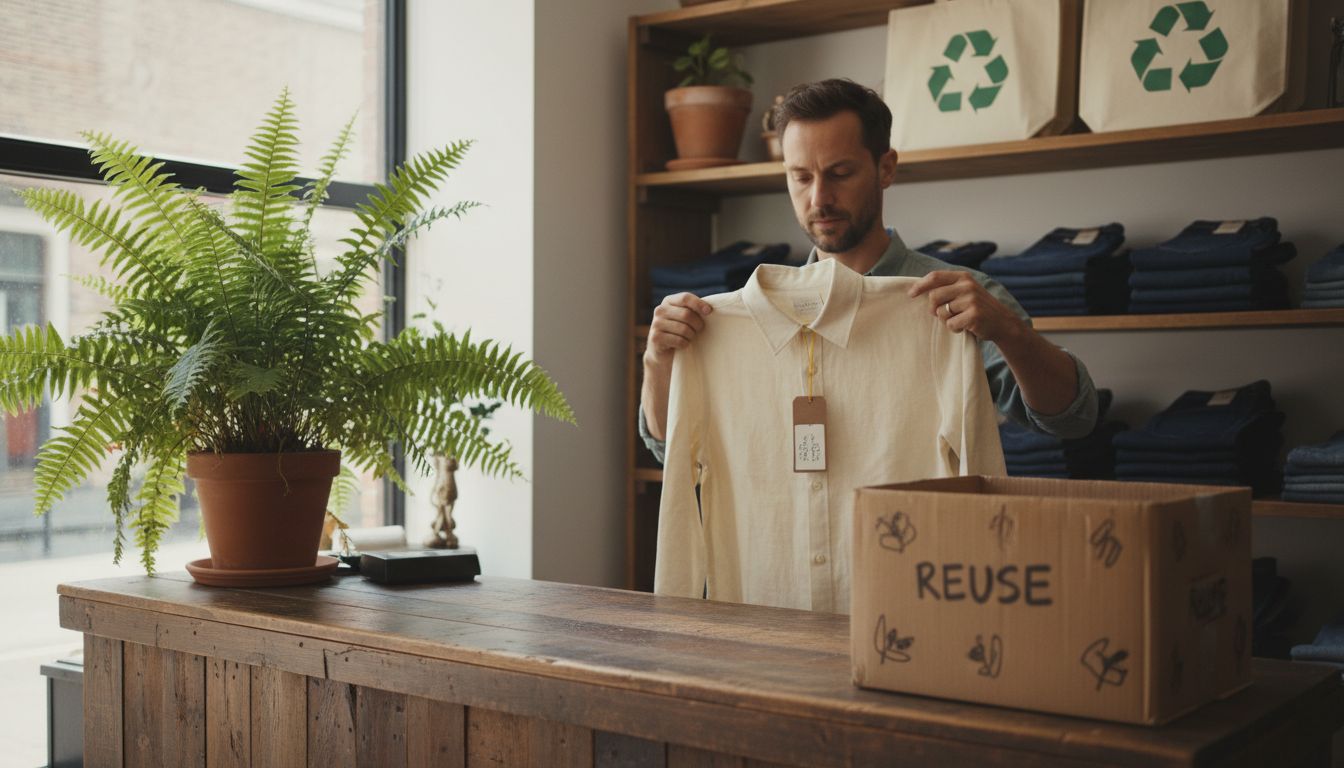
Research into sustainable consumption demonstrates that vintage clothing plays a critical role in challenging the traditional fashion ecosystem. By extending the lifecycle of existing garments, vintage shoppers directly counteract the wasteful practices of mass production. The attitude towards second-hand clothing is evolving, with consumers increasingly recognising vintage items as sophisticated alternatives to new clothing, rather than merely used or outdated pieces.
The environmental benefits of vintage shopping manifest through several key dimensions:
Waste Reduction
Prevents clothing from entering landfill
Reduces demand for new textile production
Minimises industrial textile waste
Resource Conservation
Eliminates water usage in new clothing manufacturing
Reduces chemical treatments and dye processes
Conserves energy typically spent in new clothing production
Carbon Footprint Reduction
Lowers greenhouse gas emissions from textile manufacturing
Decreases transportation and packaging requirements
Promotes circular fashion economy
By choosing vintage, consumers make a tangible commitment to environmental stewardship, transforming fashion consumption from an ecological burden into a sustainable, responsible practice.
Avoiding Pitfalls: Authenticity, Pricing, and Care
Vintage shopping demands a nuanced approach that balances enthusiasm with critical discernment. Understanding the intricacies of vintage fashion acquisition requires developing sophisticated skills to navigate potential challenges in authenticity, pricing, and garment preservation.
Research into vintage fashion consumption highlights the critical importance of authentic identification and careful evaluation. The vintage market presents complex dynamics where provenance, condition, and historical context significantly influence an item’s value. Collectors must develop keen analytical skills to distinguish genuine vintage pieces from contemporary reproductions, understanding that true value extends beyond superficial aesthetic appeal and requires deep knowledge of design history, construction techniques, and material quality.
Navigating vintage shopping successfully involves mastering several essential strategies:
Authenticity Verification
Examine original construction techniques
Check fabric composition and quality
Investigate maker’s labels and markings
Understand period-specific design characteristics
Pricing Considerations
Research market values for specific eras
Consider item’s condition and rarity
Understand restoration and repair costs
Evaluate long-term investment potential
Preservation Techniques
Use specialist cleaning methods
Store in controlled environmental conditions
Protect from direct sunlight and humidity
Use acid-free tissue for delicate items
Successful vintage collectors approach each piece as a historical artifact, combining scholarly research with passionate appreciation for fashion’s rich, evolving narrative.
Discover Timeless Style and Sustainability with My Vintage
The article highlights how vintage shopping offers unique style, exceptional value, and significant environmental benefits. If you want to embrace individuality through authentic vintage pieces while supporting sustainable fashion, My Vintage is your trusted destination. We carefully curate high-quality vintage clothing and retro homeware that embody historical craftsmanship and cultural significance, making it easier for you to connect with style that transcends fleeting trends.
Explore our exclusive collection at My Vintage and enjoy a seamless shopping experience focused on authenticity and sustainability. Transform your wardrobe and living space with pieces that tell a story, reduce waste, and reflect your personal values. Visit My Vintage today and take the first step towards a unique and eco-conscious lifestyle.
Frequently Asked Questions
What are the main advantages of vintage shopping?
Vintage shopping offers unique style, historical significance, and superior craftsmanship. It also promotes sustainability by extending the lifecycle of garments and reducing textile waste.
How does vintage fashion contribute to sustainability?
Vintage fashion reduces the demand for new textile production, minimizes waste, and conserves resources by prolonging the use of existing clothing, thereby lowering the overall carbon footprint.
What makes vintage clothing different from second-hand clothing?
Vintage clothing is typically aged between 20 to 100 years and is characterised by unique design elements and superior construction techniques, unlike many second-hand items that may lack historical context and craftsmanship.
How should I care for vintage clothing?
To care for vintage items, use specialist cleaning methods, store them in controlled conditions away from direct sunlight and humidity, and use acid-free tissue for delicate pieces to ensure their longevity.
Recommended

Comments