


Benefits of Buying Vintage: Sustainable Style Impact
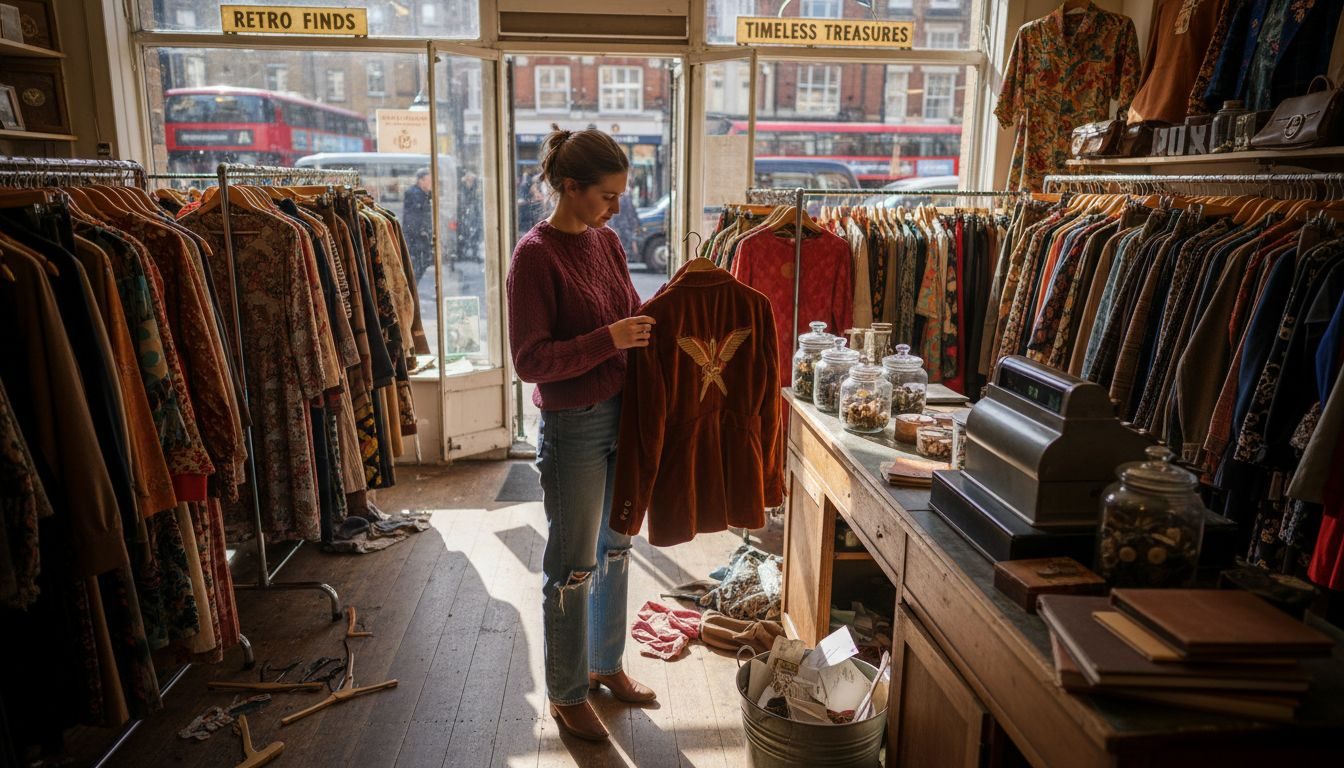
Most British shoppers are now embracing the vintage movement as a powerful response to fast fashion. Choosing pre-loved clothing and homeware is more than a style statement—it is also a planet-friendly decision. With vintage shopping, you join the growing 42-53 percent reduction in environmental impact compared to buying new. Discover how authentic vintage pieces offer sustainable living, deeper cultural connections, and a creative way to elevate your personal style.
Table of Contents
Key Takeaways
Point | Details |
Vintage Shopping as a Lifestyle | Buying vintage represents a conscious choice for sustainable fashion and individual expression while preserving cultural history. |
Environmental Benefits | Choosing vintage reduces textile waste and carbon emissions, promoting a circular economy in fashion consumption. |
Unique Storytelling | Each vintage piece offers a narrative that reflects individuality and historical contexts, fostering personal storytelling through style. |
Navigating Purchases | Understanding pricing mechanisms and conducting thorough research on authenticity, condition, and provenance is essential when purchasing vintage items. |
What Buying Vintage Truly Means
Buying vintage is far more than a simple shopping transaction—it’s a conscious lifestyle choice that transcends traditional retail experiences. At its core, vintage shopping represents a profound commitment to sustainable fashion, individual expression, and cultural preservation. Unlike mass-produced contemporary clothing, vintage pieces carry rich narratives and unique characteristics that connect wearers to different historical periods and design aesthetics.
The essence of buying vintage goes beyond aesthetic appeal. Exploring authentic vintage culture reveals a deeper commitment to reducing environmental waste and challenging the current fast-fashion paradigm. Each vintage garment represents a form of recycling, preventing perfectly wearable clothing from ending up in landfills and reducing the demand for new manufacturing processes that contribute significantly to global carbon emissions.
Vintage shopping is also an act of personal storytelling. When you select a vintage piece, you’re not just acquiring clothing—you’re curating a wardrobe that reflects your individuality. These garments often feature craftsmanship and design details that are rarely found in contemporary mass-market fashion, offering unique silhouettes, intricate tailoring, and materials that speak to different cultural moments. From mid-century cocktail dresses to 1970s leather jackets, each piece carries its own history and character.
Pro tip: Always inspect vintage clothing carefully for quality, checking seams, fabric condition, and potential restoration needs before purchasing to ensure you’re making a sustainable and wise investment.
Types of Vintage: Fashion and Homeware
Vintage is a diverse realm encompassing two primary categories: fashion and homeware, each offering unique insights into historical design and cultural expression. Comparative vintage research reveals that both fashion and homeware items serve as critical cultural artefacts, reflecting the technological advancements, social dynamics, and aesthetic sensibilities of their respective eras.
In fashion, vintage pieces range from elegant 1950s cocktail dresses to rugged 1970s leather jackets, each garment telling a story of its time. Vintage clothing isn’t merely about aesthetics—it represents a sustainable approach to personal style, reducing textile waste and challenging the disposable nature of contemporary fashion. The homeware category is equally fascinating, featuring everything from mid-century modern furniture to ornate Art Deco accessories that capture the design philosophies of different decades.

The boundaries between vintage fashion and homeware are increasingly fluid, with collectors and enthusiasts viewing both as interconnected expressions of cultural heritage. Vintage retail’s evolution demonstrates how these categories are distinguished not just by age, but by their unique provenance, craftsmanship, and ability to narrate historical moments. A 1960s Scandinavian teak sideboard can be just as meaningful as a beautifully preserved vintage Chanel blazet, each piece offering a window into the design sensibilities and social contexts of its origin.
Pro tip: When collecting vintage items, focus on pieces that genuinely resonate with your personal style and have maintained their structural integrity, ensuring both aesthetic appeal and long-term value.
Here is a comparison of vintage fashion and vintage homeware, highlighting their unique contributions to culture and sustainability:
Aspect | Vintage Fashion | Vintage Homeware |
Typical Items | 1950s dresses, 1970s jackets | Mid-century furniture, Art Deco objects |
Key Appeal | Unique style, personal storytelling | Distinctive design, era-defining pieces |
Sustainability | Reduces textile waste, prolongs garment life | Prevents landfill, preserves craftsmanship |
Cultural Impact | Reflects social trends and design history | Showcases home life and cultural heritage |
Key Hallmarks of Authentic Vintage Pieces
Authentic vintage pieces are distinguished by several nuanced characteristics that set them apart from contemporary or mass-produced items. UK hallmark systems provide a critical framework for understanding the provenance and quality of vintage items, particularly in jewellery and metalwork, offering collectors a reliable method of verification.
In fashion, authentic vintage pieces reveal their genuine nature through multiple indicators. Construction techniques are paramount—handstitched seams, unique button placements, specific fabric compositions, and manufacturing details typical of their era serve as definitive markers of authenticity. Vintage garments often showcase superior craftsmanship, with intricate details like hand-rolled hems, precise French seams, and complex tailoring techniques that modern mass-production cannot easily replicate. Material quality also plays a significant role, with vintage pieces typically featuring higher-grade natural fibres and more robust construction methods.
Beyond physical characteristics, authentic vintage items carry historical and cultural significance that modern reproductions cannot duplicate. Each piece tells a story through its design elements, reflecting the social contexts, technological capabilities, and aesthetic preferences of its original period. For collectors and fashion enthusiasts, understanding these hallmarks means distinguishing between genuine vintage treasures and contemporary imitations—a skill that requires careful observation, research, and an appreciation for historical design nuances.
Pro tip: Invest in a quality jeweller’s loupe or magnifying glass to examine hallmarks, stitching, and construction details that reveal a vintage piece’s true authenticity.
To clarify how authenticity is assessed in the vintage world, consider these primary verification methods:
Verification Method | Fashion Application | Homeware Application |
Construction Techniques | Examines stitching, tailoring | Checks joinery, manufacturing |
Material Quality | Looks for natural fibres | Assesses woods, metals, ceramics |
Hallmark/Provenance | Dates labels or logos | Examines maker’s marks |
Historical Research | Cross-references style, era | Matches design with period |
Environmental and Sustainable Advantages
Vintage fashion consumption represents a transformative approach to sustainable living, offering profound environmental benefits that extend far beyond individual wardrobe choices. By choosing vintage pieces, consumers actively participate in reducing textile waste, minimising carbon emissions, and challenging the destructive cycles of fast fashion that dominate contemporary retail landscapes.
Lifecycle assessments reveal remarkable ecological advantages of vintage clothing. Scientific research demonstrates that purchasing second-hand items can reduce environmental impacts by an astounding 42-53% across critical categories including climate change mitigation and water resource preservation. These substantial reductions stem from avoiding the extensive manufacturing processes, raw material extraction, and transportation associated with producing new garments, effectively creating a closed-loop system that prioritises resource conservation.
The sustainable impact of vintage fashion extends beyond immediate environmental metrics. By selecting pre-existing clothing, consumers disrupt the linear ‘take-make-dispose’ model of traditional fashion consumption. Each vintage piece represents a miniature rebellion against mass production, embodying principles of circular economy where clothing’s lifecycle is dramatically extended. This approach not only reduces waste but also celebrates craftsmanship, individual style, and the inherent value of well-made, timeless garments that transcend fleeting trends.
Pro tip: Calculate your personal environmental savings by tracking the number of vintage items you purchase annually and estimating the reduced carbon footprint compared to buying equivalent new clothing.
Benefits of Buying Vintage-Personal Style, Cultural Value, and Rarity
Vintage fashion offers a profound avenue for individual expression and cultural storytelling, transcending mere clothing to become a powerful medium of personal identity. Each vintage piece serves as a unique narrative, allowing wearers to curate a style that speaks to their individuality while simultaneously connecting them to broader historical and cultural contexts.
The principle of rarity plays a critical role in vintage fashion’s allure. Rare vintage items are not simply garments but tangible artefacts that amplify personal style through their exceptional uniqueness. By selecting pieces that deviate from mainstream fashion trends, collectors and fashion enthusiasts craft a distinctive aesthetic that celebrates non-conformity and individual creativity. These carefully chosen items become more than clothing—they transform into personal statements that communicate depth, historical awareness, and a rejection of disposable consumer culture.
Cultural value in vintage fashion extends beyond aesthetic appreciation, representing a nuanced form of social and emotional connection. Each piece carries embedded memories, craftsmanship, and historical significance that contemporary mass-produced clothing cannot replicate. Vintage items invite wearers to become custodians of cultural heritage, preserving and reinterpreting design traditions while challenging modern fashion’s ephemeral nature. This approach to personal style is both an act of preservation and a form of creative self-expression that honours the complexity of fashion’s historical narratives.
Pro tip: When building a vintage wardrobe, prioritise pieces that genuinely resonate with your personal aesthetic and have a compelling story, rather than collecting items purely for their perceived rarity.
Costs, Risks, and Avoiding Pitfalls
Vintage clothing purchasing involves complex economic considerations that require careful navigation and strategic decision-making. Understanding the nuanced pricing mechanisms, market dynamics, and potential risks is crucial for both novice collectors and experienced vintage enthusiasts seeking authentic, valuable pieces without falling prey to overpricing or misrepresentation.
The landscape of vintage purchasing is fraught with potential challenges that demand meticulous research and discernment. Perceived risks in second-hand clothing consumption encompass multiple dimensions—authenticity verification, condition assessment, hygiene concerns, and potential social stigma. Buyers must develop sophisticated strategies to mitigate these risks, including thorough item inspection, understanding provenance, and working with reputable vintage retailers who provide transparent documentation and condition reports.
Economic valuation in vintage fashion is inherently subjective, influenced by factors such as rarity, historical significance, designer reputation, and overall condition. Successful vintage collectors understand that pricing is not simply about age, but about the intricate narrative and cultural capital each piece represents. By developing keen observational skills, understanding market trends, and cultivating relationships with knowledgeable vintage sellers, buyers can make informed decisions that balance aesthetic appreciation with financial prudence.
Pro tip: Always set a clear budget, research market prices for similar items, and be prepared to walk away if an item’s condition or price does not meet your carefully established standards.
Embrace Sustainable Style with Authentic Vintage Finds
The article highlights how buying vintage pieces offers more than unique style—it’s a commitment to sustainability and cultural preservation. If you want to reduce textile waste, enjoy craftsmanship from past decades, and make a personal style statement, then exploring carefully curated vintage fashion and retro homeware is the perfect solution. At My Vintage, discover a wide selection of authentic garments and timeless retro accessories that reflect individuality while honouring environmental responsibility.
Begin your journey today with My Vintage and choose from vintage fashion collections spanning the 1940s to the 1990s alongside distinctive home decor. Each piece in our store carries a story and eye for quality, helping you build a wardrobe and living space that stand apart while protecting the planet. Shop now to experience sustainable style with meaningful impact.
Frequently Asked Questions
What are the environmental benefits of buying vintage?
Buying vintage helps reduce textile waste, minimise carbon emissions, and decrease the demand for new garment production, making it a sustainable choice that supports the circular economy.
How can buying vintage contribute to personal style?
Vintage pieces allow individuals to express their unique fashion sense while offering rare and distinctive items that are not commonly found in mainstream fashion, creating a curated wardrobe that reflects personal identity.
What should I look for in authentic vintage clothing?
When assessing authentic vintage clothing, focus on quality construction techniques, material composition, and historical markers such as tags, labels, or hallmarks that indicate the item’s age and provenance.
How does vintage fashion challenge fast fashion?
Vintage fashion promotes sustainable decision-making by encouraging consumers to opt for pre-existing garments instead of contributing to the fast fashion cycle, thereby honouring craftsmanship and reducing waste.
Recommended


Comments