


Best Vintage Knitwear: Style, Quality, and Sustainability
- Dec 27, 2025
- 7 min read
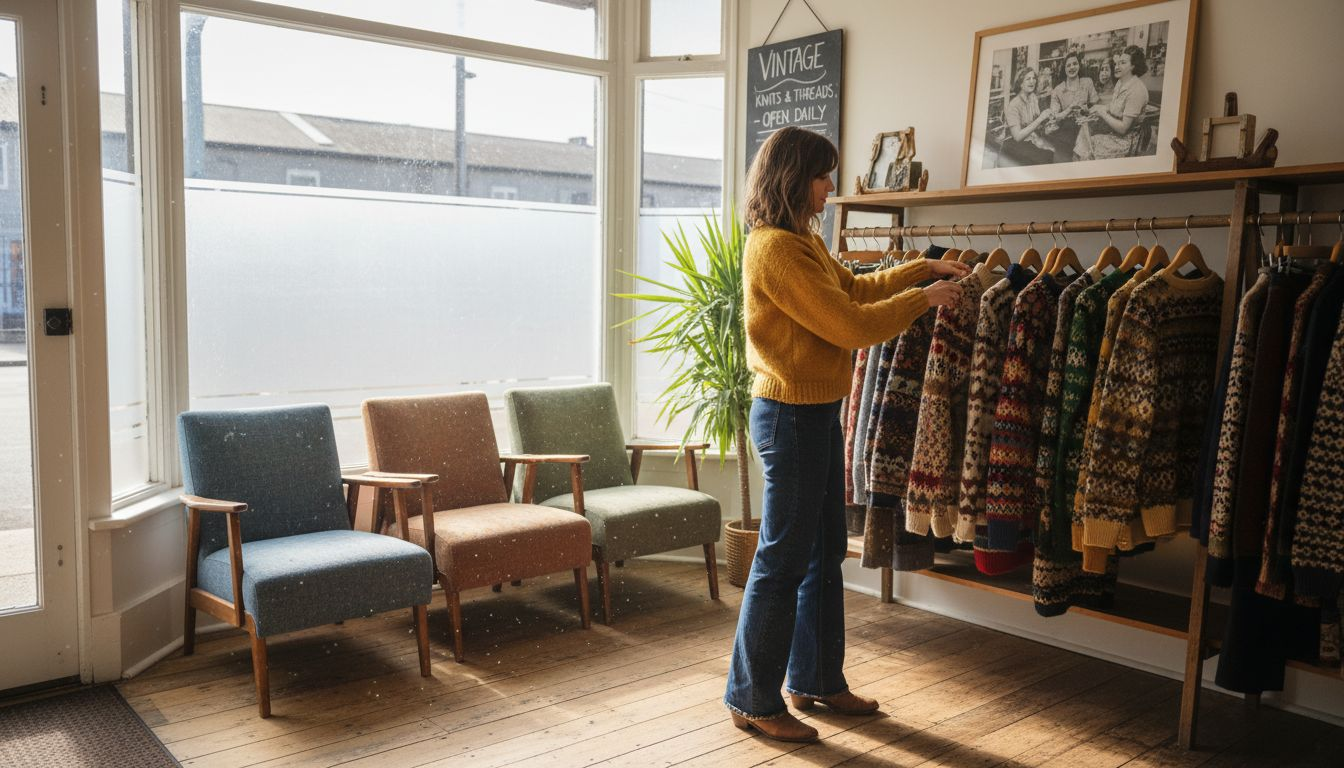
Over 60 percent of British adults now consider the environmental impact of their wardrobe choices. For those who seek both sustainability and standout style, vintage knitwear delivers more than just warmth. It offers a direct connection to British craftsmanship, history, and eco-friendly values. Discover how these timeless pieces blend artisan skill with individuality, turning every outfit into a unique statement of conscious fashion.
Table of Contents
Key Takeaways
Point | Details |
Significance of Vintage Knitwear | Vintage knitwear is more than clothing; it embodies cultural heritage, artistic expression, and historical narratives that connect past designs to modern culture. |
Evolution of Styles | Each decade of vintage knitwear reflects societal shifts, showcasing unique aesthetic signatures and the technological advancements of its time. |
Craftsmanship and Quality | Vintage pieces boast superior craftsmanship and material quality, highlighting the importance of artisan techniques over mass production. |
Sustainable Sourcing | Responsible sourcing of vintage knitwear not only minimises waste but also supports ethical fashion choices and preserves historical integrity. |
Defining Vintage Knitwear and Its Appeal
Vintage knitwear represents more than just clothing - it is a narrative woven through threads of creativity, cultural heritage, and personal expression. Exploring the rich history of British textile craftsmanship, these garments capture the essence of design evolution from domestic necessity to high fashion.
At its core, vintage knitwear embodies artisan skill and historical context. Each piece tells a unique story, reflecting the social dynamics and aesthetic preferences of its era. The intricate patterns and techniques developed through generational crafting practices transform these garments from simple coverings into wearable art forms that connect us with past design philosophies.
Understanding vintage knitwear requires appreciating its multifaceted nature. These are not merely old clothes, but cultural artifacts that showcase textile innovation, personal creativity, and the continuous dialogue between function and style. From hand-knitted wartime jumpers to designer wool sweaters of the 1960s, each piece represents a snapshot of its historical moment.
Pro tip: When collecting vintage knitwear, examine the construction techniques, fabric quality, and design details to truly understand its historical significance and craftsmanship.
The Best Vintage Knitwear - Iconic Styles and Era-Specific Designs
Vintage knitwear represents a stunning visual archive of British fashion history, with each decade presenting distinctive design languages and creative expressions. The transformative journey of knitwear styles reveals profound cultural narratives spanning from utilitarian wartime designs to exuberant designer-led innovations of the mid-20th century.
Each era brought unique aesthetic signatures to knitwear design. The 1920s showcased intricate Art Deco-inspired geometric patterns, while the 1940s emphasised practical, conservative styles driven by fabric rationing. The 1950s saw a renaissance of feminine silhouettes with fitted cardigans and sweater sets, and the 1960s and 1970s introduced bold colours, experimental textures, and more relaxed, free-flowing knitwear designs that challenged traditional construction techniques.
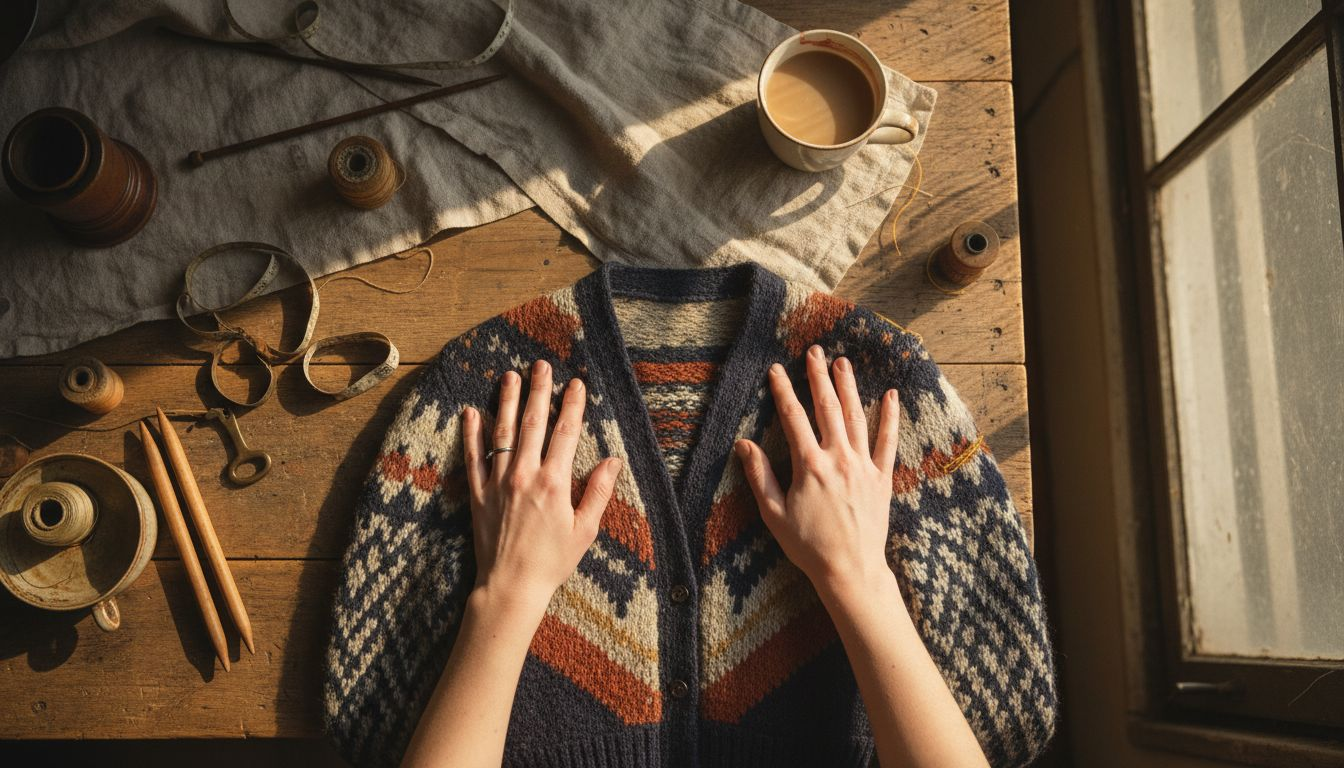
Understanding these stylistic evolutions requires recognising knitwear not just as clothing, but as a dynamic form of cultural expression. From hand-knitted Scottish Fair Isle patterns to machine-produced designer pieces, each garment encapsulates the technological capabilities, social attitudes, and aesthetic sensibilities of its time. The progression of knitwear styles mirrors broader societal shifts, reflecting changes in women’s roles, industrial capabilities, and fashion philosophy.
Pro tip: When exploring vintage knitwear collections, pay attention to construction details, fabric weight, and pattern complexity to accurately date and appreciate each piece’s historical context.
Here is a comparison of iconic British vintage knitwear styles across different decades:
Decade | Design Features | Typical Materials |
1920s | Art Deco geometric patterns | Fine wool, cotton |
1940s | Utility-focused, simple shapes | Pure wool |
1950s | Fitted cardigans, sweater sets | Wool blends, cashmere |
1960s-1970s | Bold colours, experimental forms | Wool, mohair, synthetics |
Material Quality and Craftsmanship Insights
Vintage knitwear represents an extraordinary testament to textile excellence, with each garment revealing a profound narrative of material selection and artisan skill. The superior craftsmanship of vintage pieces distinguishes them from contemporary mass-produced knitwear, embodying a level of quality and attention to detail that has become increasingly rare in modern fashion.
The progression of fibre types and construction techniques tells a rich story of textile innovation. Natural fibres like merino wool, cashmere, and fine cotton dominated vintage knitwear, offering superior durability, breathability, and aesthetic appeal. Hand-knitting techniques and meticulous machine production in the mid-20th century allowed for intricate patterns, precise tailoring, and robust construction that could withstand decades of wear. Each piece was carefully constructed with techniques that prioritised longevity over rapid production.
Material quality in vintage knitwear goes beyond mere fabric selection. The careful choice of yarns, the precision of stitching, and the thoughtful design of each garment reflect a manufacturing philosophy that valued craftsmanship over speed. Designers and makers invested significant time in understanding fibre properties, exploring innovative knitting techniques, and creating pieces that were not just clothing, but wearable works of art that could be treasured and passed down through generations.
Pro tip: When evaluating vintage knitwear, examine the fabric weight, check the integrity of seams, and look for subtle construction details that indicate high-quality, artisan-level craftsmanship.
Caring for and Maintaining Vintage Knitwear
Preserving the integrity of vintage knitwear requires specialised care and attention to detail. Unlike contemporary clothing, vintage pieces demand a nuanced approach to cleaning, storing, and maintaining their delicate fibres and intricate construction.
Properly caring for vintage knitwear begins with understanding the unique properties of natural fibres. Hand-washing remains the gold standard, using gentle, pH-neutral detergents specifically designed for delicate wool and silk blends. Cold water and minimal agitation prevent shrinkage and fabric distortion, while air-drying flat helps maintain the garment’s original shape. Avoid hanging vintage knitwear, as this can cause stretching and permanent deformation of the delicate fibres.
Protection from environmental damage is crucial for long-term preservation. Natural moth deterrents like cedar blocks or lavender sachets can safeguard your collection, while storing pieces in breathable cotton bags prevents moisture build-up and potential mildew. Regular, gentle inspection allows you to address minor repairs quickly, preventing small issues from becoming significant damage. Professional restoration by vintage textile specialists can often rescue and revitalise seemingly damaged pieces, extending their wearable life significantly.
Pro tip: Invest in soft, padded hangers for display and use acid-free tissue paper when storing vintage knitwear to prevent unnecessary stress on the fabric fibres.
Sourcing Authentic Pieces Sustainably
The contemporary landscape of vintage knitwear sourcing represents a critical intersection between environmental consciousness and fashion appreciation. Sustainable acquisition of vintage knitwear goes beyond mere fashion choice - it represents a deliberate commitment to reducing textile waste and supporting circular fashion economies.
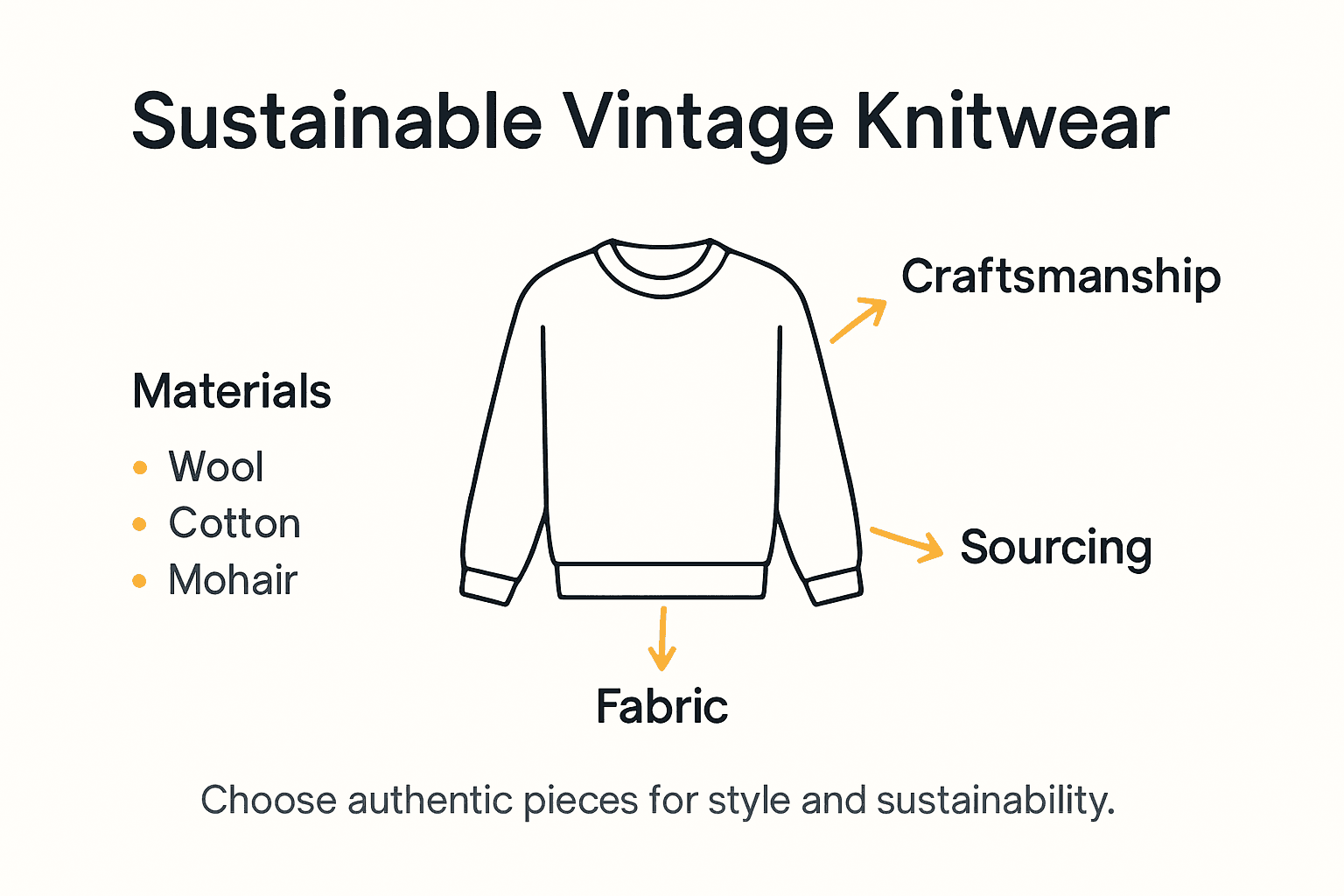
Authenticity and sustainability are intrinsically linked in vintage knitwear collecting. Responsible sourcing involves thorough research, understanding provenance, and supporting ethical resale platforms that prioritise transparency. Vintage markets, specialised online platforms, and curated second-hand shops offer opportunities to acquire genuine pieces while minimising environmental impact. Careful examination of fabric composition, construction techniques, and historical markers helps ensure the piece’s authenticity and long-term value.
The most effective sustainable sourcing strategies involve developing a discerning eye and building relationships with reputable vintage sellers. Look for indicators of quality craftsmanship, such as hand-finished seams, original labels, and traditional manufacturing techniques. Prioritise natural fibres like wool, cashmere, and cotton, which offer superior durability and biodegradability compared to synthetic alternatives. Understanding the historical context and production methods of different vintage knitwear pieces allows for more informed, environmentally responsible purchasing decisions.
Pro tip: Develop a personal vintage knitwear authentication checklist that includes fabric composition, construction details, and historical context to make more sustainable and informed purchasing choices.
Below is a reference on sustainable sourcing choices for vintage knitwear:
Sourcing Approach | Environmental Benefit | Key Authentication Tip |
Vintage markets | Minimises textile waste | Check for original labels |
Online platforms | Supports circular fashion economy | Verify independent reviews |
Curated shops | Reduces fast fashion demand | Examine fabric composition |
Direct from collectors | Promotes garment reuse | Ask for provenance details |
Discover Authentic Vintage Knitwear That Meets Your Style and Sustainability Goals
If you cherish the unique craftsmanship and historical significance of vintage knitwear from the 1940s to the 1970s, you understand how vital material quality and sustainable sourcing are to building a meaningful collection. At My Vintage, we appreciate the challenges of finding authentic pieces that embody these values and provide timeless style paired with superior craftsmanship.
Explore our curated selections of vintage knitwear and other authentic retro clothing at My Vintage. Each garment is carefully chosen to showcase genuine artisan techniques, superb natural fibres, and cultural heritage that aligns with your values. Act now to embrace sustainable fashion that connects you with history and supports a circular economy. Visit our site to browse vintage clothing and start your journey towards owning exceptional pieces that tell a story and last for generations.
Frequently Asked Questions
What defines vintage knitwear?
Vintage knitwear is defined by its historical and cultural significance, showcasing design evolution, artisan craftsmanship, and unique patterns that reflect the era from which it originates.
How can I identify high-quality vintage knitwear?
High-quality vintage knitwear can be identified by examining fabric composition, construction techniques, and design details such as stitching, pattern complexity, and the use of natural fibres, which indicate artisan-level craftsmanship.
What are the best methods for caring for vintage knitwear?
To care for vintage knitwear, hand-wash using gentle, pH-neutral detergents, avoid hanging to dry, and store in breathable cotton bags to protect against moisture and pests. Regular inspections can also help maintain the garment’s integrity.
How does sustainable sourcing impact vintage knitwear appreciation?
Sustainable sourcing of vintage knitwear helps minimise textile waste, supports circular fashion economies, and encourages environmentally responsible choices, enhancing the value of appreciating these unique, historical garments.
Recommended


Comments