


Biba and Barbara Hulanicki: A Fashion History
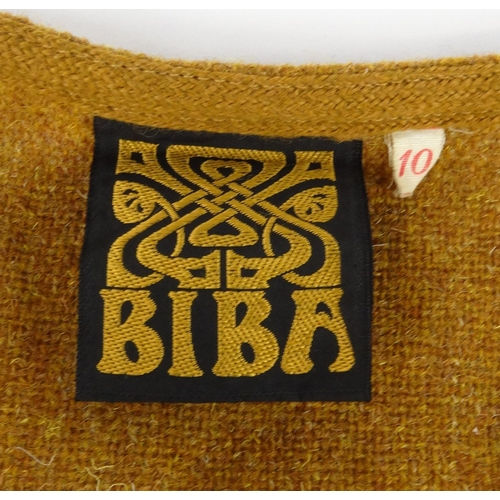
Biba is one of the most beloved names in British fashion history, a label that captured the spirit of 1960s and 1970s London like nothing else. Founded in 1963 by Barbara Hulanicki and her husband Stephen Fitz-Simon, the original brand grew from a small postal boutique into a full-blown cultural phenomenon before closing in 1975. Today, the Biba name lives on as a womenswear brand under House of Fraser, offering vintage-inspired collections that carry echoes of that original glamour. Here is what you need to know at a glance:
The original Biba was founded in London in 1963 and closed in 1975, with the current brand operating as a separate commercial entity
Modern Biba is owned by House of Fraser and is not connected to Barbara Hulanicki
The current collections focus on affordable, wearable vintage-style womenswear
You can shop Biba online through House of Fraser’s website and on Amazon UK
For genuine vintage pieces from the original era, specialist retailers and curated vintage shops are your best route
The rich history and legacy of the Biba brand

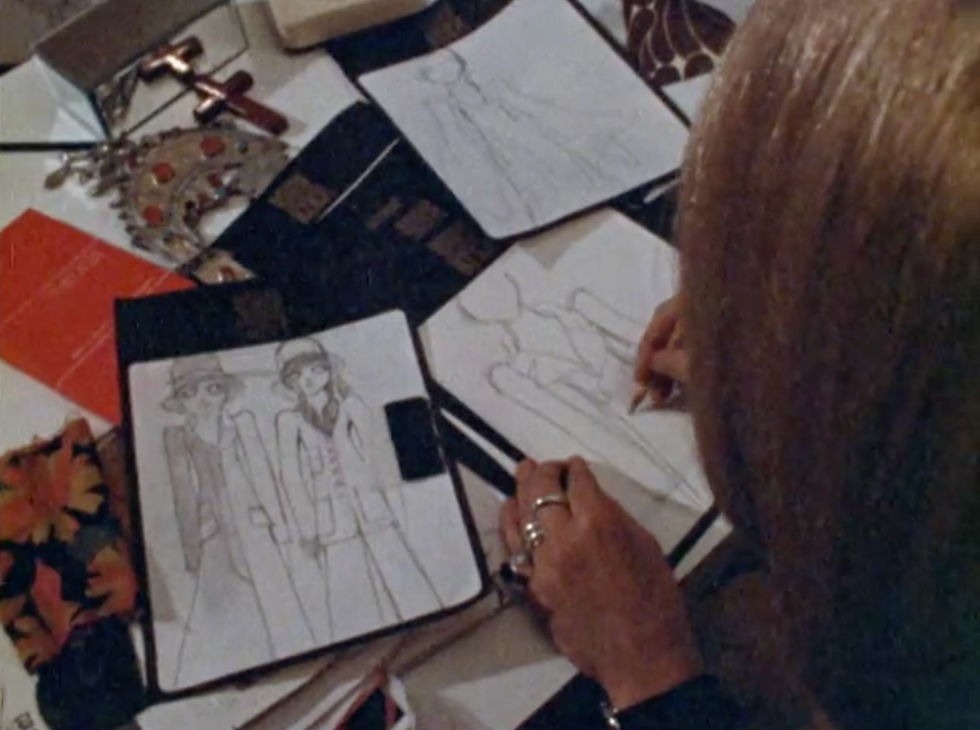
Few fashion stories are as genuinely thrilling as Biba’s. Barbara Hulanicki, the daughter of a Polish diplomat, moved to London after the Second World War and began her career as a freelance illustrator after studying at Brighton College of Art. Her husband Stephen Fitz-Simon, an advertising executive, encouraged her to design, and in 1963 the couple launched Biba’s Postal Boutique. The name “Biba” came from Hulanicki’s younger sister Biruta, whose nickname it was, giving the brand a personal warmth from the very start.
The label’s first major breakthrough came in 1964, when a pink gingham shift dress featured in the Daily Mirror generated a very large volume of orders, far beyond the initially expected modest number. That response gave Hulanicki the confidence to open a physical boutique in Abingdon Road, Kensington, and the rest, as they say, is fashion history.
Here are the key milestones that shaped the brand:
1963: Biba’s Postal Boutique launches as a mail-order business, testing designs with low financial risk
1964: The first physical boutique opens in Kensington; Time magazine names Biba “the most in-shop for gear” by 1966
Late 1960s: Biba expands to Kensington Church Street, attracting celebrities including Twiggy and Cilla Black alongside everyday shoppers
Early 1970s: “Big Biba” opens in the seven-storey Derry & Toms building on Kensington High Street, drawing up to a million visitors weekly
1975: The store closes after British Land, which had acquired a controlling stake via Dorothy Perkins, decides the building is worth more than the business
2009: House of Fraser purchases the brand and relaunches it with an in-house design team, with Daisy Lowe as the new face
What made Biba genuinely revolutionary was its identity as what the Fashion and Textile Museum describes as the world’s first lifestyle label. It was not simply a clothes shop. Big Biba housed a food market, a bookshop, a restaurant, a children’s floor, a men’s floor, and a homeware department selling wallpaper, paint, and soft furnishings, all wrapped in an Art Deco building with plum-coloured walls and dramatic lighting.
The closure in 1975 came after Hulanicki lost creative control following disagreements with the board. Dorothy Perkins had acquired a 75% stake in the business, and when British Land bought Dorothy Perkins in 1973, the fate of Big Biba was effectively sealed. The building was subsequently handed to Marks & Spencer and British Home Stores, and the extraordinary experiment came to an end.

Notable collaborations and influences
Biba’s influence on British fashion has never really faded, and the brand’s various relaunch chapters each brought fresh creative voices into the picture. The 2006 relaunch under designer Bella Freud was perhaps the most high-profile, with Freud’s debut collection shown at London Fashion Week in September 2006. The reception was mixed: critics felt the range had “a Biba flavour but lacked the retro details” of the original. Freud departed after two seasons, and the brand went into administration in 2008.
The House of Fraser relaunch in 2009 took a different approach, assembling an in-house design team and appointing model Daisy Lowe as the face of the new collection. That version outsold House of Fraser’s other in-house brands within its first two weeks, suggesting the appetite for Biba’s aesthetic had never really gone away. Couture hats for the relaunch were created by Prudence Millinery, adding a touch of the original brand’s theatrical flair.
Barbara Hulanicki herself has remained a significant figure in British fashion culture, even outside of Biba. During the period of the House of Fraser relaunch, she designed capsule collections for Topshop and later signed with Asda to produce affordable clothing lines. In 2014, she reached an agreement with House of Fraser to act as a consultant to the Biba brand, a development that brought at least some connection between the original creative vision and the contemporary label.
The original Biba’s influence is visible across decades of British womenswear, from the earthy colour palettes that recur in every era of vintage-inspired fashion to the concept of the immersive retail experience, something every lifestyle brand since has tried to replicate.
Recent developments and current brand strategy
As of 2024, Biba continues as a House of Fraser brand, maintaining its position as an accessible vintage-inspired womenswear label within the department store’s portfolio. The current strategy leans into the brand’s heritage aesthetic while keeping prices at a level that reflects the original Biba philosophy: well-designed clothes that feel special without being out of reach.
The brand’s presence on Amazon UK has grown in recent years, reflecting the broader shift in how shoppers discover and purchase fashion. This dual-channel approach, combining House of Fraser’s own platform with Amazon’s reach, means Biba is more accessible than it has been at almost any point in its post-1975 history.
Barbara Hulanicki’s 2014 consultancy agreement with House of Fraser marked a meaningful shift in tone for the brand. While the current Biba is still a separate commercial entity from the original, that connection to its founder adds a layer of credibility that earlier relaunches lacked. The brand continues to be exhibited and discussed in cultural contexts: “The Biba Story: 1964–1975” exhibition, curated by Martin Pel of the Royal Pavilion & Museums in Brighton, is currently touring and is at Dovecot Studios in Edinburgh from 6 February 2026 to 27 June 2026.
Why Biba remains a beloved vintage-inspired brand
The enduring appeal of Biba is not simply nostalgia, though there is plenty of that. It comes from the fact that the brand solved a real problem in a genuinely original way. Hulanicki understood that young women in post-war Britain wanted to look extraordinary without spending a week’s wages, and she built an entire world around that idea.
The V&A notes that Biba pioneered a fast-fashion model through its mail-order operation, using set production runs to test new designs before committing to physical stock. This was a remarkably low-risk and responsive approach for the early 1960s, anticipating the demand-led production models that would define fashion retail decades later. The Postal Boutique was not just a clever marketing idea; it was a genuinely new way of thinking about how clothes could reach customers.

The lifestyle label concept was equally ahead of its time. By combining fashion, homeware, food, and atmosphere under one roof, Biba created a destination rather than a shop. Customers did not just go to buy a dress; they went to spend an afternoon, to feel part of something. That sense of belonging to a cultural moment is what collectors and enthusiasts still respond to when they seek out original pieces.
Pro Tip: When identifying genuine vintage pieces from the original Biba era, focus on items from the Big Biba period of 1967–1975. These carry the most distinctive design signatures and are the pieces most valued by collectors. Earlier mail-order items are rarer still, but the Big Biba era represents the creative pinnacle.
The current brand, for all its distance from Hulanicki’s original vision, keeps that spirit alive in its colour choices and silhouettes. For anyone who loves the aesthetic, it offers an accessible entry point. For those who want the real thing, original pieces occasionally surface through specialist vintage retailers and auction houses, and they are well worth seeking out.
Useful sources and further reading
For anyone who wants to go deeper into Biba’s history or track down pieces for their wardrobe, these are the most reliable places to start:
Victoria and Albert Museum: The V&A’s Biba article is the most authoritative free resource on the brand’s history, covering its origins, aesthetic, and cultural significance in detail
Fashion and Textile Museum: “The Biba Story: 1964–1975” exhibition is currently touring the UK and is an unmissable experience for any serious enthusiast; the museum’s website carries full details
House of Fraser: The primary retailer for the current Biba collection, with the widest range of contemporary pieces
Amazon UK: A convenient option for browsing and buying current Biba dresses and accessories, often with fast delivery
My Vintage: For those seeking authentic vintage arrivals from the 1960s and 1970s, My Vintage offers a carefully curated selection of original-era pieces that capture the spirit Biba made famous
Authentic vintage style from My Vintage
If the Biba story has stirred something in you, and it tends to, you might find yourself wanting more than a contemporary high-street interpretation. My Vintage is a UK-based vintage clothing and retro homeware retailer that has been curating authentic pieces since 2004, specialising in original garments from the 1940s through to the 1990s.
Where the current Biba range offers vintage-inspired style at accessible prices, My Vintage goes a step further: these are the real thing. Original 1960s and 1970s pieces with the genuine construction, fabrics, and character that no modern reproduction quite captures. The site also carries retro homeware that would have felt right at home in Big Biba’s legendary homeware floor. Browse the latest vintage arrivals to see what is currently in stock, and sign up to the mailing list so you never miss a new find.
Recommended


Comments