


Crimplene Fabric: History, Qualities and Care

Crimplene is a 100% polyester fabric developed by Imperial Chemical Industries (ICI) in the UK during the early 1960s. The process bulked up Terylene fibres to create something altogether different from standard polyester: a thick, soft, jersey-like textile with real weight and body. The name itself is a lovely piece of British textile heritage, most likely blending the word “crimp” (describing the yarn’s texturised structure) with Terylene and Crimple Valley near ICI’s Harrogate laboratory in North Yorkshire. What made it genuinely exciting at the time was its combination of practical virtues:
Wrinkle resistant, keeping its shape through a full day’s wear
Machine washable and quick to dry without losing its form
Durable and easy to sew, making it a favourite with home dressmakers
Soft to the touch despite being entirely synthetic
How crimplene was invented and developed
The story of this fabric is a proper piece of British industrial ingenuity, and it unfolds in several distinct stages.
Early research at Harrogate. ICI developed the fabric at its plant in Harrogate, North Yorkshire, in the early 1960s, building on its existing Terylene polyester fibre technology. The goal was a yarn with more body and texture than standard flat polyester.
The bulking process. The key innovation was a method of crimping and bulking the Terylene yarn, giving it a looped, textured structure that created the fabric’s characteristic thickness and soft hand-feel.
Dennis Hibbert and Cheslene and Crepes. The invention of Crimplene involved Dennis Hibbert at Cheslene and Crepes Ltd in Macclesfield, who used domestic pressure cooker techniques to bulk the yarn before ICI acquired the process.
Trademarking the name. ICI trademarked “Crimplene” as a branded version of Terylene, giving the fabric its own identity distinct from generic polyester.
Fashion show launches. In the 1960s, ICI promoted the fabric with considerable flair, staging fashion shows in major cities to position it as a modern, aspirational textile.
Mass-market production. The fabric moved quickly from fashion shows into high-street shops and home dressmaking patterns, becoming a widely used textile in British clothing during the 1960s.
Decline in the 1970s. Production and popularity fell sharply in the early 1970s as consumer tastes shifted, and the plant eventually closed as demand collapsed.
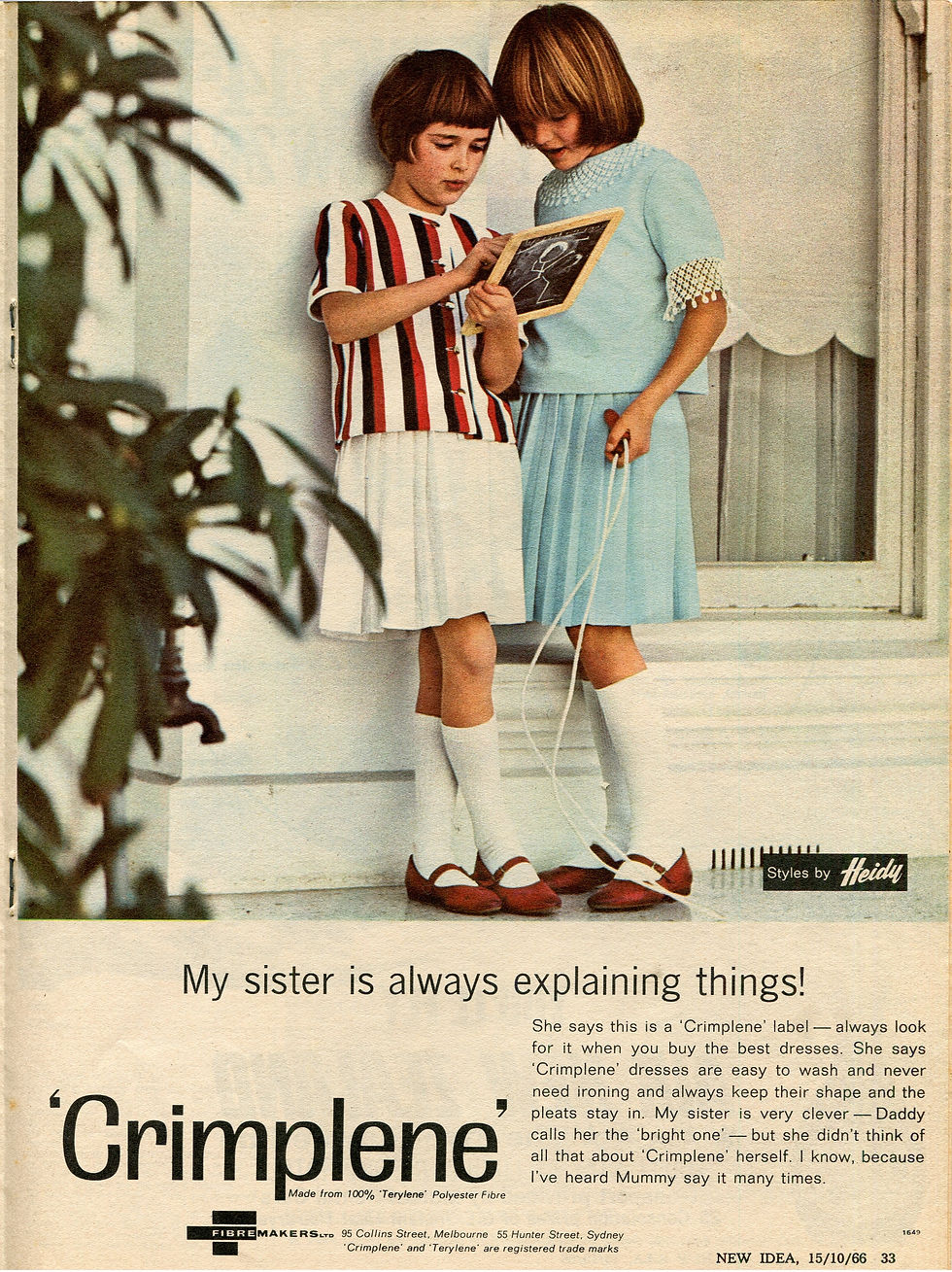
What makes crimplene fabric distinctive?
The qualities that defined this textile were genuinely unusual for a synthetic fabric of its era, and they explain both its enormous popularity and its eventual fall from favour.
The thick, texturised yarn gives crimplene clothing a substantial feel that flat polyesters simply cannot replicate. It holds its shape beautifully, resists creasing even after hours of wear, and washes and dries without needing an iron. For home dressmakers in the 1960s, that combination was genuinely liberating.
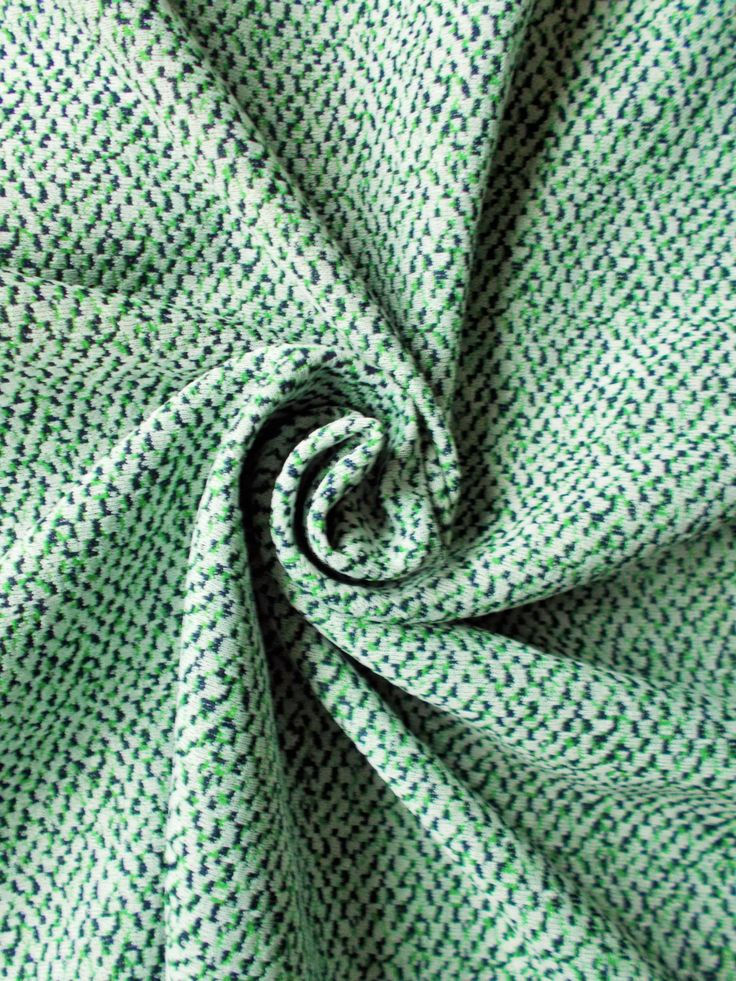
That said, the fabric has its drawbacks, and any honest assessment has to include them:
Heaviness. It is noticeably heavier than modern polyesters or natural fibres, which can feel warm and restrictive in summer.
Pilling. The texturised surface tends to bobble over time, particularly at points of friction like underarms and cuffs.
Odour retention. Like most polyesters, it can hold body odour more stubbornly than cotton or wool, which becomes more noticeable in vintage pieces.
Limited breathability. Compared to natural fibres, ventilation is poor, making it less comfortable in warm weather.
Why crimplene became a British fashion icon in the 1960s and 70s
Crimplene arrived at exactly the right cultural moment. The early 1960s in Britain were defined by a hunger for modernity, practicality, and affordable style, and this fabric delivered all three. Its weight and drape made it ideal for the A-line dresses and shift silhouettes that dominated Mod fashion, holding a clean geometric shape without the need for lining or stiffening. Men’s going-out suits in the fabric were equally popular, valued for looking smart after a journey without a trip to the dry cleaner.
National advertising campaigns promoted the wash-and-wear convenience as a genuine lifestyle upgrade, particularly for working women managing households alongside jobs. The fabric became associated with a particular kind of cheerful, practical British femininity: stylish but sensible, modern but accessible. By the early 1970s, though, the mood had shifted. Consumers began reaching for lighter polyesters and natural fibres like cotton and cheesecloth, drawn by better breathability and the era’s growing interest in organic, back-to-nature aesthetics. Crimplene felt suddenly heavy and synthetic in a way it hadn’t before.

Pro Tip: Crimplene’s rise and fall mirrors the broader arc of post-war British consumer culture: the 1960s celebrated synthetic modernity as progress, while the 1970s began questioning it. A crimplene dress is, in that sense, a wearable piece of social history.
How to care for your crimplene clothing
The good news for vintage collectors is that this fabric is genuinely forgiving to care for, provided you follow a few straightforward guidelines.
Machine washing on a cool, gentle cycle is perfectly safe. The fabric retains its shape when line dried, so avoid tumble drying, which can distort the weave over time. Ironing is rarely necessary and generally best avoided, since the fabric’s wrinkle resistance means it rarely needs it, and excessive heat can damage the fibres.
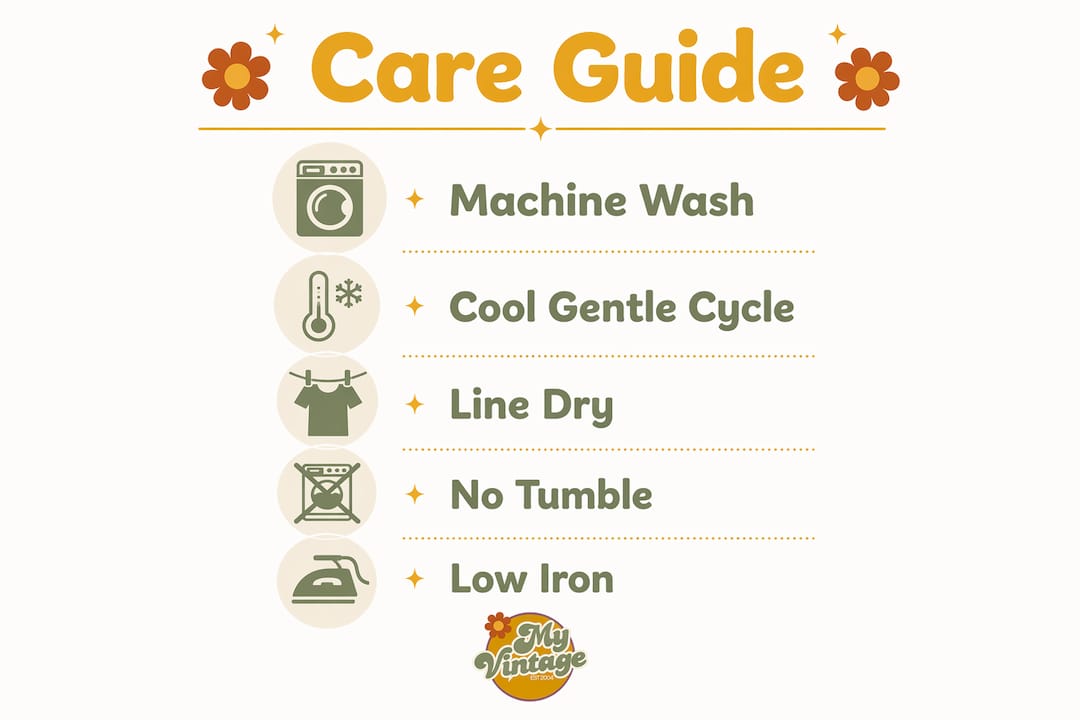
For vintage pieces specifically, airing the garment thoroughly after wearing makes a real difference to odour retention. A few hours on a hanger near an open window will do more than any fabric spray.
Dos and don’ts for vintage crimplene care:
✓ Wash cool (30°C or below) on a gentle cycle
✓ Line dry away from direct sunlight to prevent colour fading
✓ Air thoroughly after each wear
✓ Store folded rather than on a hanger to avoid stretching
✗ Do not tumble dry on high heat
✗ Avoid ironing unless absolutely necessary, and use a cool setting with a pressing cloth if you must
✗ Do not scrub pilled areas, which worsens bobbling
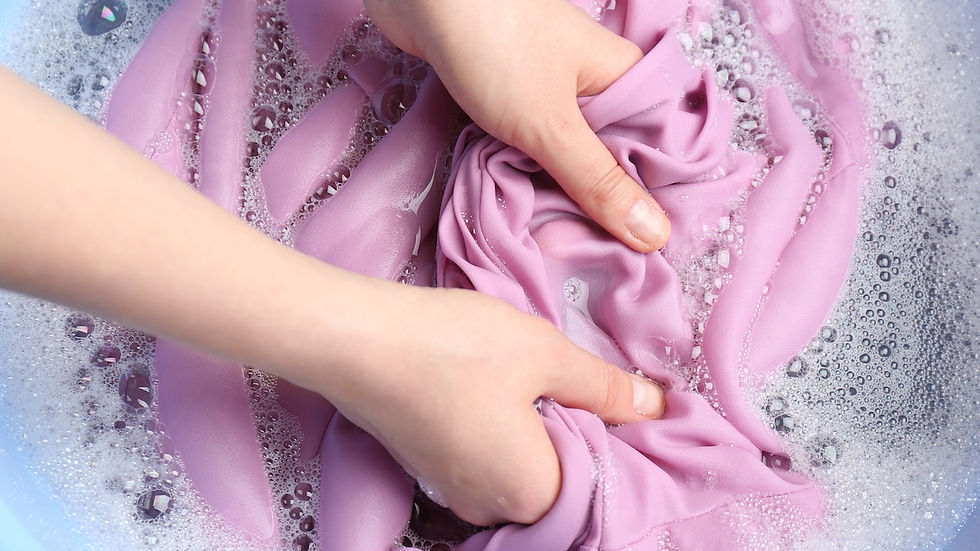
For broader guidance on keeping vintage pieces in top condition, the vintage clothing care advice at My Vintage covers a wide range of fabrics and situations.
Vintage crimplene: a word from our specialist
Here at My Vintage, we have a genuine soft spot for crimplene. It is one of those fabrics that divides opinion, but once you hold a well-preserved piece, you understand the appeal immediately.
If you are building a vintage wardrobe that includes pieces from this era, here are a few practical pointers:
Look for garments with intact labels, as the “Crimplene” trademark confirms authenticity
Check seams and underarms carefully for pilling before buying
Bold geometric prints and solid jewel tones are the most collectible colourways
A 1960s Crimplene dress and jacket is one of the most wearable vintage investments you can make
For more on preserving what you find, our guide to preserving vintage textiles is well worth a read.
Find authentic vintage crimplene at My Vintage
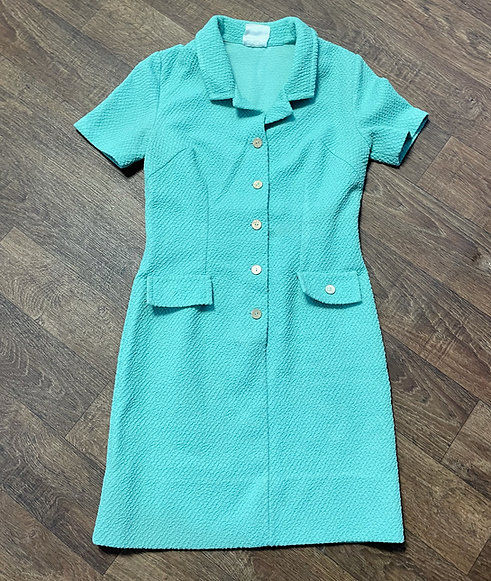
My Vintage has been curating authentic vintage clothing since 2004, and our collection regularly includes genuine crimplene pieces from the 1960s and 70s. Rather than hunting through charity shops hoping for a find, you can browse carefully selected, quality-checked garments that have already been assessed for condition, authenticity, and wearability. Every piece comes with the knowledge and care that two decades of specialist sourcing brings. Whether you are after a statement A-line dress, a tailored suit, or a bold printed top, our vintage clothing collection is a good place to start. Have a browse and see what catches your eye.
Key takeaways
Crimplene is a trademarked, bulked Terylene polyester fabric developed by ICI in Harrogate in the early 1960s, prized for wrinkle resistance and wash-and-wear ease but prone to pilling and odour retention over time.
Point | Details |
Origin and maker | Developed by ICI at its Harrogate plant in the early 1960s, using bulked Terylene polyester fibres. |
Naming heritage | The name blends “crimp,” the bulking process, and Crimple Valley near the Harrogate laboratory. |
Key qualities | Wrinkle resistant, machine washable, durable, and shape-retaining, but heavy and prone to pilling. |
Care essentials | Wash cool, line dry, air thoroughly after wearing, and avoid tumble drying or high-heat ironing. |
My Vintage | My Vintage stocks authenticated 1960s and 70s crimplene garments, curated for quality and wearability. |
Recommended

Comments