


Emilio Pucci: The Designer Who Made Colour Sing
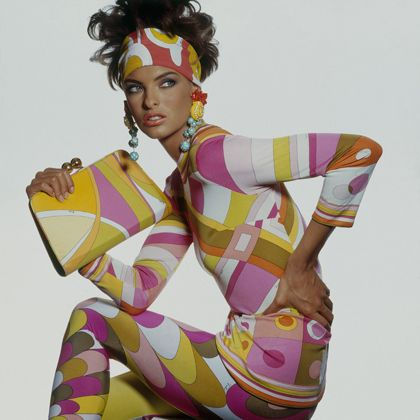
Emilio Pucci is the Italian fashion designer celebrated for pioneering vibrant, kaleidoscopic prints and fluid silk jersey garments that transformed post-war fashion. Born into Florentine aristocracy in 1914, he built a label rooted in joy, movement, and extraordinary colour. His bold geometric prints reached peak fame in the 1960s, worn by icons including Marilyn Monroe and Jackie Kennedy. Working from the 16th-century Palazzo Pucci in Florence, he created a design language so distinctive that it still shapes how we think about pattern, identity, and luxury today.
How did Emilio Pucci’s background shape his fashion vision?
Pucci’s path to fashion was anything but conventional. He was born into one of Florence’s oldest noble families, and his aristocratic upbringing gave him access to a world of culture, travel, and refined taste. He studied at the University of Georgia on a skiing scholarship and later earned a doctorate in political science from the University of Florence. Sport was central to his early life, and that physical energy never left his design sensibility.
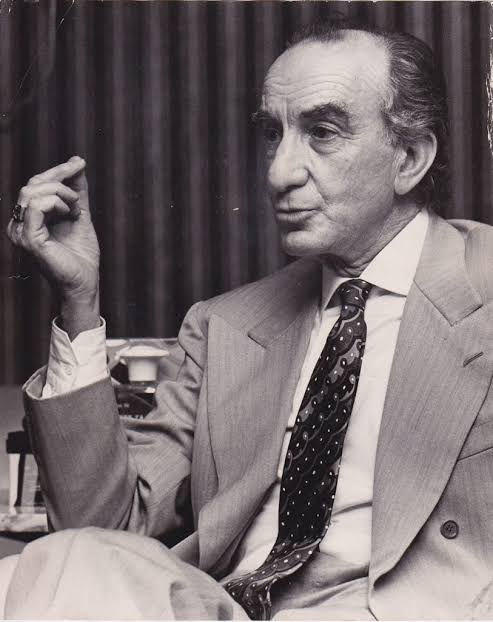
The fashion world first noticed him almost by accident. In 1947, a photographer spotted Pucci wearing ski clothes he had designed himself on the slopes of Zermatt. The images appeared in Harper’s Bazaar, and the response was immediate. He had designed the ski uniforms for Reed College’s ski team, and the clean, functional elegance of those garments caught the industry’s eye. That single moment of recognition led him to found his fashion house in 1947.
His sporting background shaped everything. Where other designers of the era favoured rigid structure and formal tailoring, Pucci wanted clothes that moved with the body. His early resort wear collections for Capri reflected this perfectly. Lightweight, easy to wear, and gloriously colourful, they were unlike anything else on the market. The following points capture the key stages of his early career:
1947: Photographed in self-designed ski wear by Harper’s Bazaar, sparking industry interest.
1947: Established his fashion house, initially focused on resort and sportswear.
Early 1950s: Opened his first boutique on the island of Capri, attracting an international clientele.
Mid-1950s: Introduced silk jersey as his primary fabric, redefining luxury comfort.
What makes Emilio Pucci’s signature prints so distinctive?
The prints are the heart of everything. Pucci’s patterns are immediately recognisable: swirling, geometric, and kaleidoscopic, built from colours that seem to vibrate against one another. He drew inspiration from Mediterranean landscapes, Renaissance art, and natural forms. The Vivara print, for instance, was inspired by an aerial view of the volcanic island of Vivara near Naples. That kind of specific, place-rooted storytelling runs through the entire Pucci archive.
Each motif was hand-drawn with extraordinary precision. Pucci himself oversaw the colour combinations, often working with dozens of shades within a single design. The Orchidee print, with its flowing floral forms, and the geometric Palio print, referencing the famous Siena horse race, show the range of his visual imagination. These were not decorative afterthoughts. They were the garment’s identity.
The fabric choice was equally deliberate. Printing on silk jersey was revolutionary in the 1950s. Silk jersey drapes and moves with the body rather than holding a fixed shape, which was a radical departure from the structured silhouettes that dominated the decade. Pucci understood that true luxury should feel effortless. His tunics, shift dresses, and palazzo trousers flowed rather than constricted, anticipating the casualisation of luxury fashion by decades.
The emotional quality of his work was equally intentional. Pucci described his designs as carrying allegria, an Italian word meaning gaiety or joy. His colours and flowing silhouettes introduced a spirit of freedom to a post-war fashion climate still dominated by austerity. That emotional charge is part of why vintage Pucci pieces feel so alive when you hold them.

Pro Tip: When identifying an authentic vintage Pucci piece, look for the “Emilio Pucci” signature woven directly into the print itself, not just on a label. He began signing his prints in the 1950s as a mark of authenticity, and this signature appears repeatedly across the pattern. Modern reinterpretations often lack this embedded detail.
How did Pucci’s fashion define the 1960s jet-set era?
The 1960s were Pucci’s golden decade. His prints became the visual shorthand for a particular kind of glamour: sun-soaked, international, and unapologetically joyful. The women who wore him were not just fashionable. They were icons of a new, liberated world.
Marilyn Monroe wore Pucci so devotedly that she was buried in a favourite Pucci dress in 1962. T hat single fact speaks volumes about the emotional connection his clothes inspired.
Jackie Kennedy wore his designs during her travels and holidays, cementing his association with refined, cosmopolitan elegance.
Sophia Loren and other European film stars embraced his resort wear, connecting the brand to the glamour of Italian cinema and the Riviera.
The jet-set lifestyle itself became inseparable from Pucci. His lightweight, wrinkle-resistant silk jersey pieces were perfect for international travel, and wealthy women packed them for holidays from Capri to the Caribbean.
His influence extended well beyond individual clients. Pucci became a defining voice in the Made in Italy movement, which positioned Italian fashion as a serious rival to Parisian haute couture. His work demonstrated that Italian craftsmanship, colour sensibility, and design innovation could command global attention. Florence, not just Paris, was a fashion capital.
The Emilio Pucci Heritage Hub, opened in 2018 at Palazzo Pucci, preserves this legacy with meticulous care. The archive catalogues original garments, print designs, and correspondence, providing a remarkable resource for historians, collectors, and designers seeking to understand the full depth of his contribution. Pucci died in 1992, but the Heritage Hub ensures his vision remains accessible and alive.
How does Pucci’s legacy shape fashion and branding today?
Pucci’s influence on contemporary fashion is both direct and far-reaching. His prints did not merely decorate garments. They functioned as a brand identity in themselves, instantly recognisable from across a room. Pucci’s patterns became a blueprint for modern graphic branding in fashion, demonstrating how decoration could carry the full weight of a label’s identity. That lesson shaped how subsequent generations of designers approached print, logo, and visual language.
The brand passed through several creative directors after Pucci’s death, each working to balance the archive’s richness with contemporary relevance. Camille Miceli, who took the creative helm in 2021, has leaned deeply into the archival prints while reframing them for a modern audience. Her collections reference specific historical motifs, including the Vivara and Orchidee prints, while introducing new colourways and silhouettes that feel current without erasing the past.
“Pucci’s prints evolved into a visual branding blueprint, influencing not just fashion but design broadly. Contemporary reinterpretations balance nostalgia and modernity, keeping his designs fresh and relevant for each new generation.”
For collectors and fashion historians, understanding the print narratives within vintage Pucci pieces adds a layer of meaning that goes beyond aesthetics. Knowing that the Vivara print maps an actual island, or that the Palio references a centuries-old Sienese tradition, transforms a beautiful garment into a piece of cultural history. That depth of storytelling is rare in fashion, and it is a significant part of why vintage Pucci pieces hold their value and desirability so consistently.

The brand’s acquisition by LVMH, which took a 67% stake in 2000, brought significant resources to bear on preserving and extending the Pucci legacy. That corporate backing has supported the Heritage Hub, expanded global distribution, and funded the archival research that underpins contemporary collections.
At My Vintage, we curate a carefully selected range of vintage accessories that capture the spirit of this era, from boldly printed vintage scarves to designer pieces that reflect the same joy and craftsmanship Pucci championed. If you are new to wearing vintage prints, our guide to styling vintage scarves is a wonderful place to start. For those who love the broader world of vintage design, our 1950s Atomic Magazine Rack shows how the same era’s design energy translated into extraordinary homeware. Every piece we stock is chosen with the same eye for authenticity and character that Pucci himself brought to his work.
Key Takeaways
Emilio Pucci’s enduring legacy rests on his fusion of artistic print-making, technical fabric innovation, and a genuine philosophy of joy in dressing.
Point | Details |
Founding and heritage | Pucci established his fashion house in 1947, working from Palazzo Pucci in Florence throughout his career. |
Silk jersey innovation | His use of silk jersey broke 1950s fashion norms, introducing fluidity and comfort to luxury dressing. |
Signature print identity | Prints like Vivara and Orchidee were hand-drawn and place-rooted, functioning as a visual brand identity. |
Cultural impact | Worn by Marilyn Monroe, Jackie Kennedy, and Sophia Loren, his designs defined 1960s jet-set glamour. |
Ongoing influence | Pucci’s patterns became a blueprint for graphic branding in fashion, a legacy that continues under Camille Miceli’s direction. |
Frequently Asked Questions
What is Emilio Pucci best known for?
Emilio Pucci is best known for his vibrant, kaleidoscopic prints and his pioneering use of silk jersey fabric, which brought fluidity and comfort to luxury fashion from the late 1940s onwards.
When did Emilio Pucci start his fashion house?
Pucci founded his fashion house in 1947, after a photograph of his self-designed ski wear appeared in Harper’s Bazaar and attracted immediate industry attention.
How can I identify an authentic vintage Pucci print?
Authentic vintage Pucci pieces typically carry his signature woven directly into the print pattern itself, not only on the garment label. The Vivara and Orchidee prints are among the most sought-after motifs for collectors.
What fabrics did Emilio Pucci use in his designs?
Pucci’s preferred fabric was silk jersey, chosen for its ability to drape and move with the body. This was a deliberate break from the structured fabrics that dominated 1950s fashion.
Where is the Emilio Pucci archive held?
The Emilio Pucci Heritage Hub, opened in 2018, is based at Palazzo Pucci in Florence. It catalogues original garments and prints, and serves as the primary resource for provenance verification and brand research.
Recommended


Comments