


How to Accessorise Vintage Outfits for Effortless Style
Updated: Apr 2
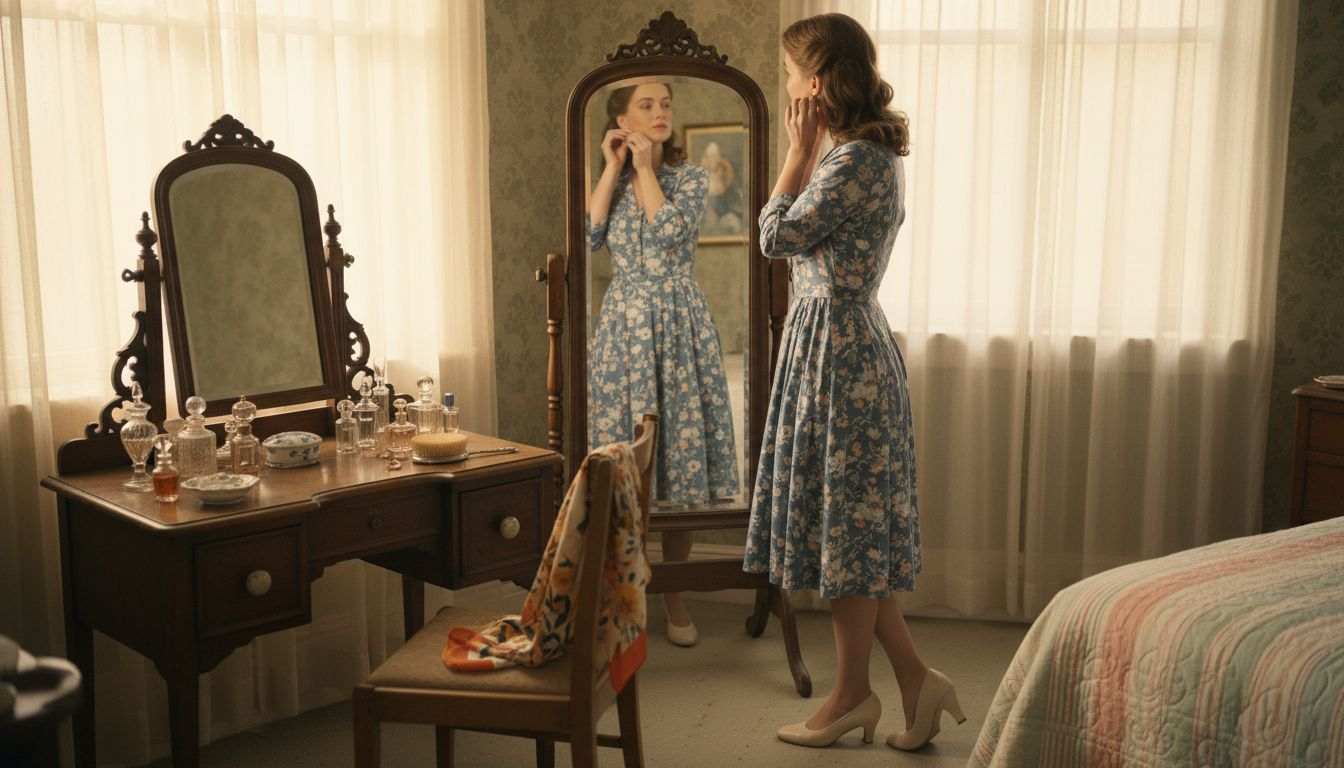
Stepping out in authentic vintage can turn heads, yet over 60 percent of British shoppers admit they feel unsure about styling retro pieces without looking like they’re in costume. For modern women in the United Kingdom passionate about sustainable fashion, understanding how to balance vintage charm with current trends is more than just a style statement. Discover the confidence to mix eras, select era-true accessories, and create vintage looks for every occasion while celebrating British individuality in "How to Accessorise Vintage Outfits for Efforless
How to Accessorise Vintage Outfits - Table of Contents
Quick Summary
Key Point | Explanation |
1. Assess Your Outfit’s Era | Examine details like fabric and construction features to identify the vintage era of your garment. |
2. Choose Era-Appropriate Accessories | Select accessories that authentically represent the decade of your outfit for enhanced style and authenticity. |
3. Balance Vintage and Modern Elements | Use contemporary pieces alongside vintage items to create a cohesive and intentional look. |
4. Layer Accessories Thoughtfully | Carefully layer jewellery, scarves, or hats to create a harmonious ensemble without overwhelming the primary garment. |
5. Ensure Comfort and Cohesion | Critically assess your entire look for balance, colour harmony, and comfort to ensure a stylish yet functional outfit. |
Step 1: Assess Your Vintage Outfit’s Era and Details
Understanding the historical context of your vintage piece is crucial for creating an authentic and stylish ensemble. Vintage fashion research reveals that truly mastering vintage style means recognising the nuanced design details specific to different decades.
Begin by carefully examining the garment’s construction, fabric, and decorative elements. Look for telltale signs like specific zipper types, seam finishes, button styles, and fabric textures that can help pinpoint the exact era of your outfit. A 1950s dress, for instance, will have very different structural elements compared to a 1970s design. Pay close attention to things like waistline placement, sleeve shapes, hemline lengths, and any decorative techniques like embroidery or specific print patterns.
Documenting these details can help you understand how to authentically accessorise and style your vintage piece. Take clear photographs of unique construction elements, labels, and distinctive design features. This documentation will not only help you understand the piece’s provenance but also guide you in creating era appropriate styling choices.
Top Tip: Always examine vintage clothing under natural light to accurately assess colour, fabric quality, and intricate details.
Here is a quick reference to vintage fashion features by decade:
Decade | Silhouette Focus | Popular Material | Typical Accessory |
1950s | Cinched waist, full skirt | Crisp cottons, taffeta | Pearl earrings, gloves |
1960s | Shift shape, mod lines | Synthetic fabrics | Geometric jewellery |
1970s | Fluid, relaxed shapes | Suede, denim | Platform shoes, scarves |
Step 2: Select Accessories That Enhance Your Chosen Decade
Academic research on vintage fashion consumption highlights the importance of selecting accessories that authentically represent the specific era of your outfit. Each decade presents unique accessory opportunities that can transform your vintage look from merely interesting to truly remarkable.
For 1950s styling, consider structured handbags with rounded shapes, pearl jewellery, thin leather belts, and elegant gloves. If you are working with a 1960s piece, opt for bold geometric earrings, chunky statement necklaces, and wide headbands. A 1970s outfit calls for oversized sunglasses, platform shoes, long pendant necklaces, and colourful scarves that capture the decade’s free spirited aesthetic.
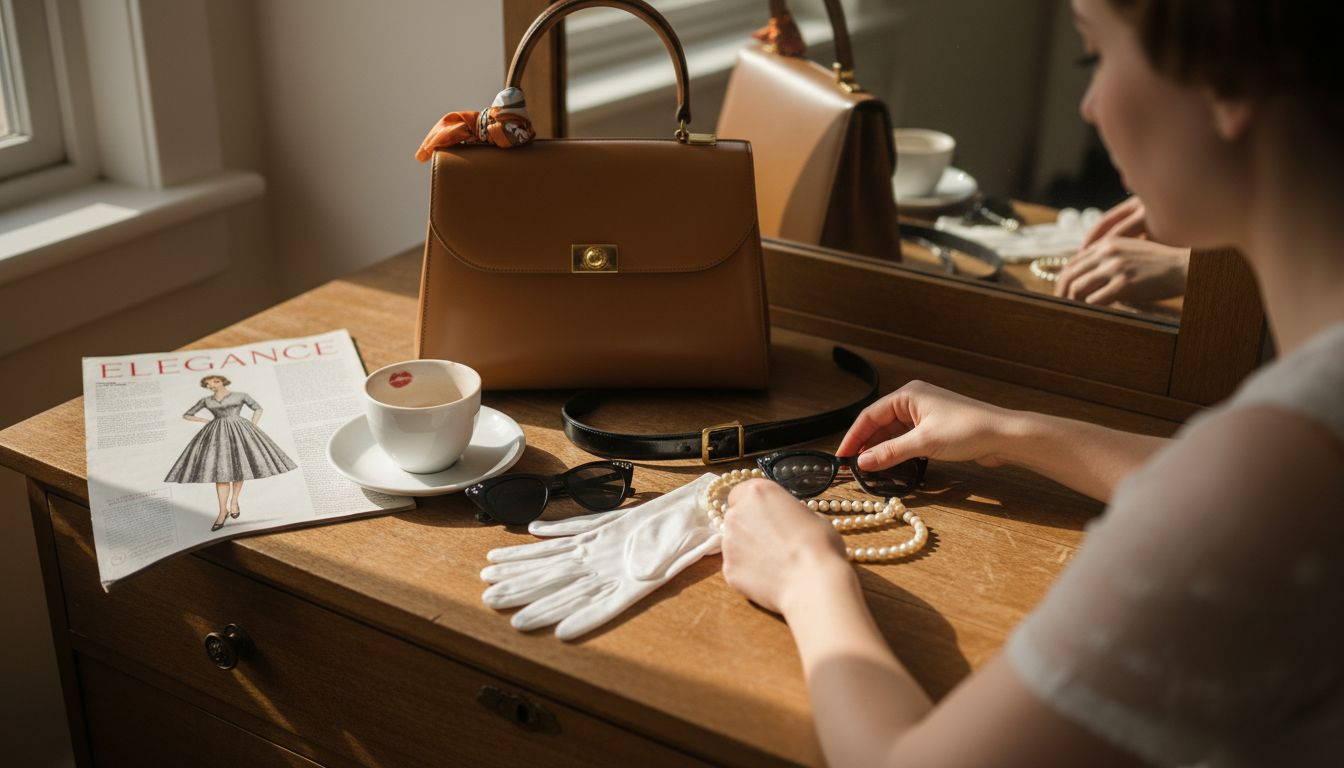
Remember that vintage accessories are not just decorative elements but cultural artefacts that tell a story. Select pieces that complement your garment’s silhouette and colour palette while maintaining the authentic spirit of the era. Consider browsing vintage shops, estate sales, and speciality vintage retailers to find genuine period appropriate accessories that will elevate your ensemble.
Top Tip: Always try accessories on with your vintage outfit to ensure they create a harmonious and balanced look that truly represents the chosen decade’s style.
Step 3: Mix Vintage and Modern Pieces for Balance
Contemporary fashion research demonstrates that successfully blending vintage and modern pieces is an art form that requires strategic thinking and a keen eye for aesthetic harmony. The key is to create a balanced ensemble that feels intentional rather than costume-like.
Start by selecting one statement vintage piece as your focal point such as a 1960s midi skirt or a 1950s blazer. Then build your outfit by incorporating modern elements that complement rather than compete with the vintage item. For instance, pair a vintage silk blouse with contemporary slim fit trousers or wear a classic 1970s leather jacket over a minimalist white t-shirt and sleek jeans. The goal is to create visual dialogue between different eras that feels seamless and sophisticated.
When mixing periods, pay attention to colour palettes and proportions. Modern neutral basics can ground more dramatic vintage pieces, while contemporary accessories like a simple leather tote or streamlined ankle boots can provide a current context to your retro garment. The most successful vintage styling creates a subtle tension between old and new that feels personal and deliberate.
Top Tip: Always try on your mixed vintage and modern outfit in front of a full length mirror to ensure the proportions and overall aesthetic feel balanced and intentional.
Step 4: Layer Jewellery, Scarves or Hats Thoughtfully
Vintage accessory guides highlight the artful nuance of layering accessories that harmonise with your vintage ensemble. The key is to create a cohesive look that enhances your outfit without overwhelming its fundamental character.
For jewellery, consider the era of your primary garment and select pieces that complement its aesthetic. A 1950s dress might pair beautifully with delicate pearl earrings and a slim gold bracelet, while a 1970s blouse could welcome chunky wooden bangles or oversized geometric pendants. When layering necklaces, aim for varying lengths that create visual interest without tangling or appearing cluttered. Scarves offer incredible versatility perfect for adding texture and colour they can be worn around the neck, tied as a headband, or even attached to handbag handles to introduce vintage charm.
Hats present another sophisticated opportunity to elevate your vintage look. A structured 1960s pillbox hat can transform a simple outfit, while a wide brimmed 1970s sunhat can add dramatic flair. The crucial element is maintaining proportion matching the hat’s scale and style to your outfit’s overall silhouette.
Top Tip: Practice laying out your accessories before wearing them to ensure a balanced and intentional vintage styling approach.
This summary outlines the impact of thoughtful accessory selection:
Approach | Outcome | Styling Benefit |
Era-accurate accessories | Cohesive vintage look | Enhances authenticity |
Mixing modern and vintage styles | Personalised, current feeling | Avoids costume-like appearance |
Layering pieces with care | Balanced visual effect | Highlights garment features |
Step 5: Check Overall Style for Cohesion and Comfort
Historical fashion archives demonstrate that achieving a perfect vintage ensemble requires more than just assembling beautiful pieces your outfit must tell a coherent style story while ensuring you feel comfortable and confident.
Start by doing a comprehensive visual assessment of your entire ensemble. Stand in front of a full length mirror and critically examine how each element interacts. Are the colours harmonious? Do the proportions feel balanced? Check that your accessories complement rather than compete with your primary garment. Pay attention to how the pieces move together your scarf should not restrict your blazer movement, and your jewellery should enhance rather than encumber your silhouette.
Consider practical aspects of wearability. Vintage pieces often have different sizing and construction compared to modern clothing, so movement and comfort are paramount. Ensure that your outfit allows for natural body movement and doesnt create unnecessary tension or discomfort. A beautifully styled vintage look means nothing if you cannot sit, walk, or breathe comfortably. Test your range of motion sitting, walking, and performing simple actions to confirm your outfit supports both style and functionality.
Top Tip: Always do a test wear at home before committing to your vintage outfit for an entire day to identify any potential comfort issues.
Elevate Your Vintage Style with Authentic Accessories From My Vintage
Discover how to bring timeless elegance and era-accurate charm to your vintage outfits through expertly chosen accessories. This article highlights the importance of understanding your garment’s decade and selecting pieces that complement both its silhouette and story. If you want to truly master the art of accessorising vintage fashion with confidence and authenticity explore our carefully curated collection at My Vintage.
Transform your wardrobe with genuine 1940s to 1990s vintage jewellery, scarves and hats that harmonise perfectly with your clothing. Our range helps you avoid costume-like looks by mixing era-accurate pieces with modern staples for effortless balance. Start creating your unique, sustainable style statement today. Visit My Vintage now and experience the joy of wearing pieces rich with cultural significance and individual character.
Frequently Asked Questions
How do I determine the era of my vintage outfit?
Understanding the era of your vintage outfit starts with examining elements like construction, fabric type, and design details. Look for specific signs such as zipper styles, button types, and hemline lengths to identify its decade. Document these findings to aid in accessorising your outfit accurately.
What types of accessories should I choose for a 1950s vintage outfit?
For a 1950s vintage outfit, select accessories like structured handbags, pearl jewellery, and elegant gloves to enhance the look. Aim to incorporate at least three era-appropriate accessories that complement your garment’s silhouette and colour palette to create a cohesive ensemble.
How can I mix vintage and modern pieces effectively?
To mix vintage and modern pieces, start with one standout vintage item and build your outfit around it with contemporary basics. For instance, pair a vintage silk blouse with modern slim fit trousers to achieve a balanced look that feels intentional and stylish.
What is the best way to layer jewellery with a vintage outfit?
Layer jewellery by considering the era of your primary garment and choose complementary pieces that enhance the overall aesthetic. Aim for varying lengths when layering necklaces to add visual interest without creating clutter; this approach will highlight your vintage outfit beautifully.
How can I ensure my vintage outfit is comfortable as well as stylish?
To ensure comfort, do a thorough assessment of your entire ensemble in front of a full-length mirror, checking for harmony and balance. Test your range of motion by sitting and walking while wearing the outfit to confirm it allows for comfortable movement throughout your day.
Recommended


Comments