


How to Style Vintage Clothing for Unique British Looks
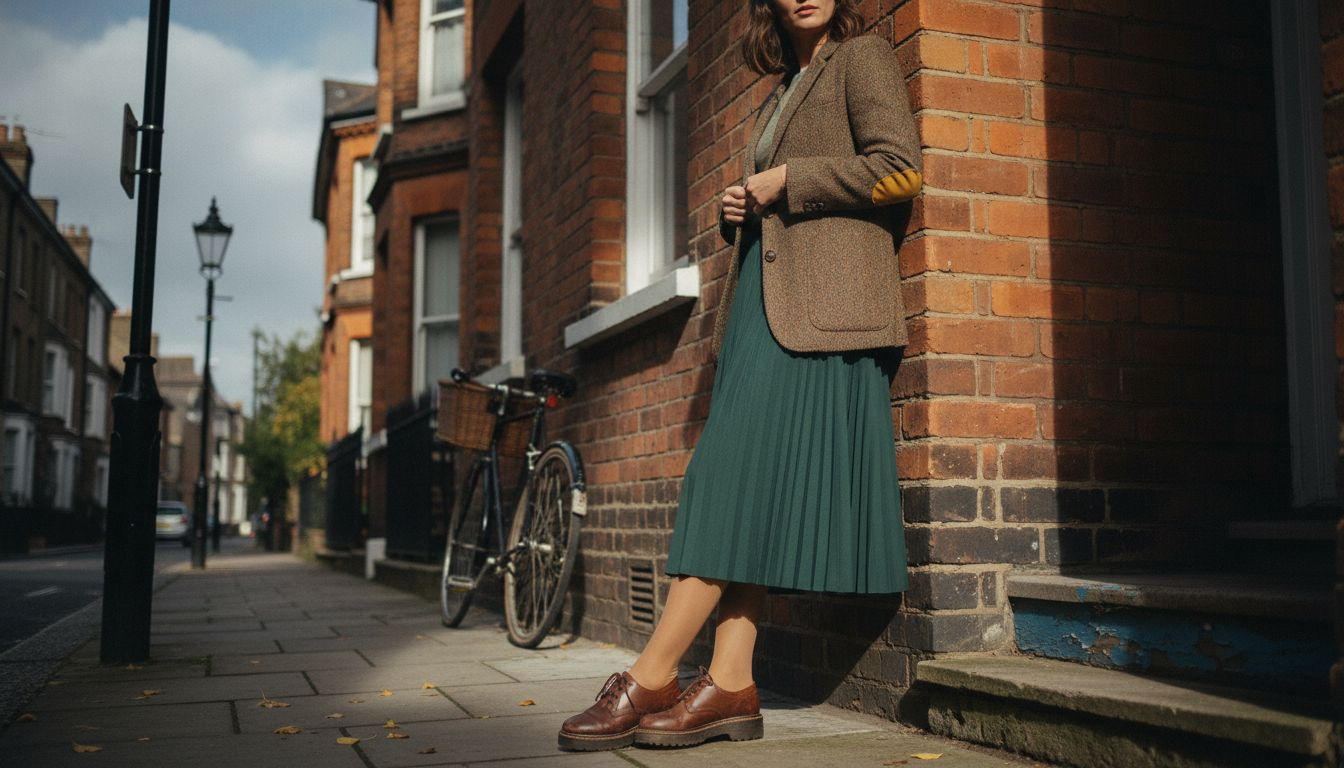
Most British fashion lovers are surprised to learn that over 100 million kilograms of clothing are sent to landfill in the United Kingdom every year. Curating a vintage wardrobe is about more than standing out—it is a conscious choice to support sustainability and individuality. This guide empowers you to assess, select, and style authentic vintage pieces that celebrate both your unique taste and a greener future for British style.
Table of Contents
Summary of Key Insights
Essential Insight | Detailed Explanation |
1. Evaluate Vintage Clothing Thoroughly | Examine the structural integrity and historical context of your pieces to understand their unique value and potential. |
2. Choose Era-Appropriate Accessories | Select accessories that authentically reflect the era of your vintage clothing for a cohesive and enhanced overall look. |
3. Mix Vintage with Modern Creatively | Combine vintage and contemporary pieces strategically, using one standout vintage item to anchor your outfit. |
4. Embrace Sustainable Fashion Practices | Maintain and repair vintage garments to reduce waste and support sustainability within your wardrobe practices. |
5. Refine Your Ensemble with Care | Review your outfit for fit, colour harmony, and overall cohesiveness to ensure a polished and intentional appearance. |
Step 1: Assess Your Vintage Pieces Thoughtfully
Discovering the unique potential of your vintage clothing requires a keen eye and thoughtful examination. This step is about understanding the narrative and craftsmanship behind each piece you own.
Start by carefully inspecting the structural integrity of your vintage garment. Authentic vintage sourcing involves understanding fabric quality, checking for potential repairs needed, and evaluating the overall condition. Look closely at seams, check for signs of wear, and assess whether the piece requires professional restoration. Pay attention to details like original buttons, thread quality, and potential moth damage.
Understanding the historical context of your vintage piece can transform how you style it. Research the era it originated from examine its cut, fabric, and design elements. Some pieces might be from specific decades like the structured 1950s silhouettes or the flowing bohemian styles of the 1970s. This knowledge will help you authentically incorporate the garment into modern outfits while respecting its original design.
Here is a comparison of typical vintage fashion eras and their distinguishing features:
Era/Decade | Defining Silhouette | Popular Fabrics | Accessory Styles |
1950s | Structured waists, full skirts | Cotton, taffeta | Pearls, cat eye sunglasses |
1960s | Mod, straight lines | Jersey, wool | Patent shoes, baguette bags |
1970s | Flowing, bohemian shapes | Suede, denim | Wooden jewellery, fringed bags |
1990s | Minimal, relaxed tailoring | Silk blends, denim | Bucket hats, chokers |
Helpful Advice: Always store delicate vintage pieces separately and handle them with clean hands to preserve their unique character and prevent unnecessary wear.
Step 2: Select Authentic Accessories for Impact
Accessorising a vintage outfit requires thoughtful selection to elevate your overall aesthetic and create a cohesive look that celebrates historical style. This step is about choosing pieces that complement and enhance your vintage clothing while telling a unique fashion story.
When selecting accessories, focus on pieces that authentically reflect the era of your garment. Curating vintage accessories involves understanding how different elements work together to create a harmonious ensemble. Look for original vintage jewellery, handbags, scarves, and belts that match the period of your clothing. For instance, a 1950s swing dress pairs beautifully with cat eye sunglasses and pearl earrings, while a 1970s maxi dress might call for oversized wooden jewellery and a fringed leather bag.
Consider mixing vintage and contemporary pieces to create a modern interpretation of classic style. Quality matters more than quantity choose accessories with excellent craftsmanship and minimal wear. Seek out pieces from reputable vintage dealers or specialist markets that can authenticate the provenance of your accessories.
Helpful Advice: Always inspect vintage accessories carefully for signs of wear and ensure they complement your outfit without overwhelming the overall look.
Step 3: Mix and Match Eras for Modern Style
Creating a standout vintage look involves artfully blending pieces from different historical periods to craft a style that feels both nostalgic and contemporary. This step is about understanding how to combine vintage elements in a way that looks intentional and fashion forward.
Mixing modern and vintage clothing requires a strategic approach that balances retro pieces with contemporary basics. Start by selecting one statement vintage item as your focal point perhaps a 1960s mod dress or a 1970s leather jacket and build your outfit around it. Pair these distinctive pieces with modern neutral items like a crisp white shirt or slim fitting trousers to prevent your look from appearing costumey. The key is creating visual harmony without looking like youve stepped directly out of a historical photograph.
Understand how different fashion eras can complement each other by studying historical style trends. The cyclical nature of fashion means elements from the Regency period can blend beautifully with 1990s minimalism or 1950s silhouettes can be reimagined with contemporary accessories. Look for shared design elements like clean lines, bold colours, or specific textile techniques that transcend individual decades. This approach allows you to create eclectic outfits that tell a unique style story while remaining firmly rooted in modern fashion sensibilities.
Helpful Advice: When mixing vintage eras, choose one dominant period for your outfit and use pieces from other decades as subtle accent elements to maintain a cohesive look.
Step 4: Incorporate Sustainable Fashion Techniques
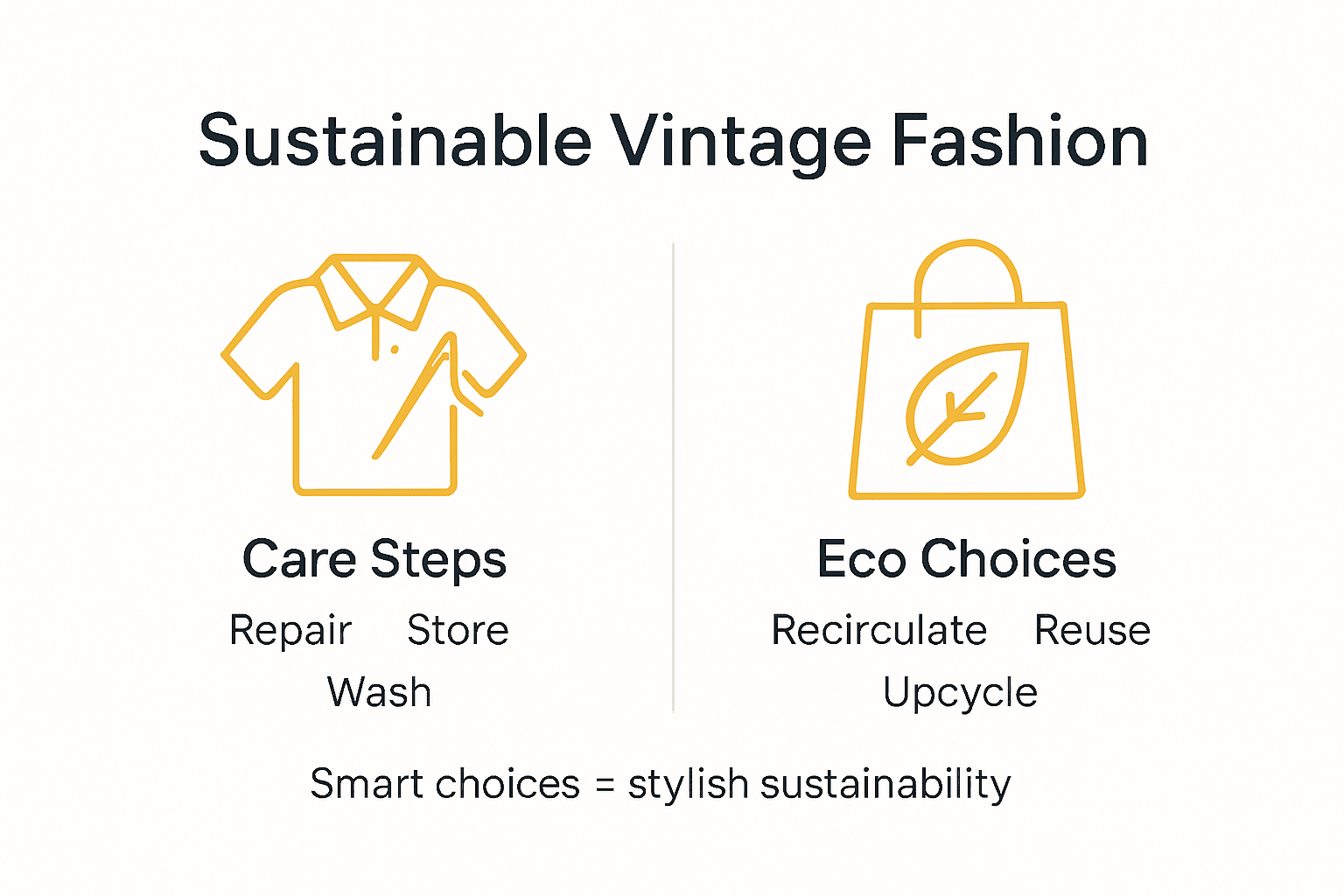
Sustainable fashion represents more than a trend its a commitment to reducing environmental impact while celebrating the timeless beauty of vintage clothing. This step explores practical methods for making your vintage wardrobe an eco conscious choice that benefits both style and the planet.
Sustainable practices in the UK fashion industry focus on circular design principles and innovative material choices. Begin by carefully maintaining and repairing your vintage pieces instead of discarding them. Learn basic mending techniques like darning, patching, and careful hand stitching to extend the life of your garments. Consider working with local tailors who specialise in vintage clothing restoration to address more complex repairs and ensure your cherished pieces remain wearable for years to come.
Expand your sustainable approach by embracing a circular fashion mindset. This means thoughtfully curating a wardrobe where each piece serves multiple purposes and can be styled in various ways. Look for versatile vintage items that can be mixed and matched across different outfits reducing the need for constant new purchases. Prioritise quality over quantity selecting well constructed vintage pieces that will stand the test of time and transcend seasonal trends.
Helpful Advice: Always research the environmental impact of textile production and choose vintage pieces made from natural fibres like wool cotton and silk which have lower carbon footprints compared to synthetic materials.
The following table summarises sustainable fashion actions for vintage enthusiasts:
Sustainable Action | Why It Matters | Practical Benefit |
Repairing garments | Reduces textile waste | Extends lifespan |
Choosing natural fibres | Lower carbon footprint | Safer for skin |
Mixing wardrobes | Minimises new purchases | More versatility |
Supporting local tailors | Promotes local economy | Ensures quality repairs |
Step 5: Check and Refine Your Vintage Ensemble
The final step in creating a stunning vintage look is carefully reviewing and refining your outfit to ensure a polished and cohesive appearance. This process transforms individual vintage pieces into a harmonious ensemble that reflects your personal style and fashion sensibility.
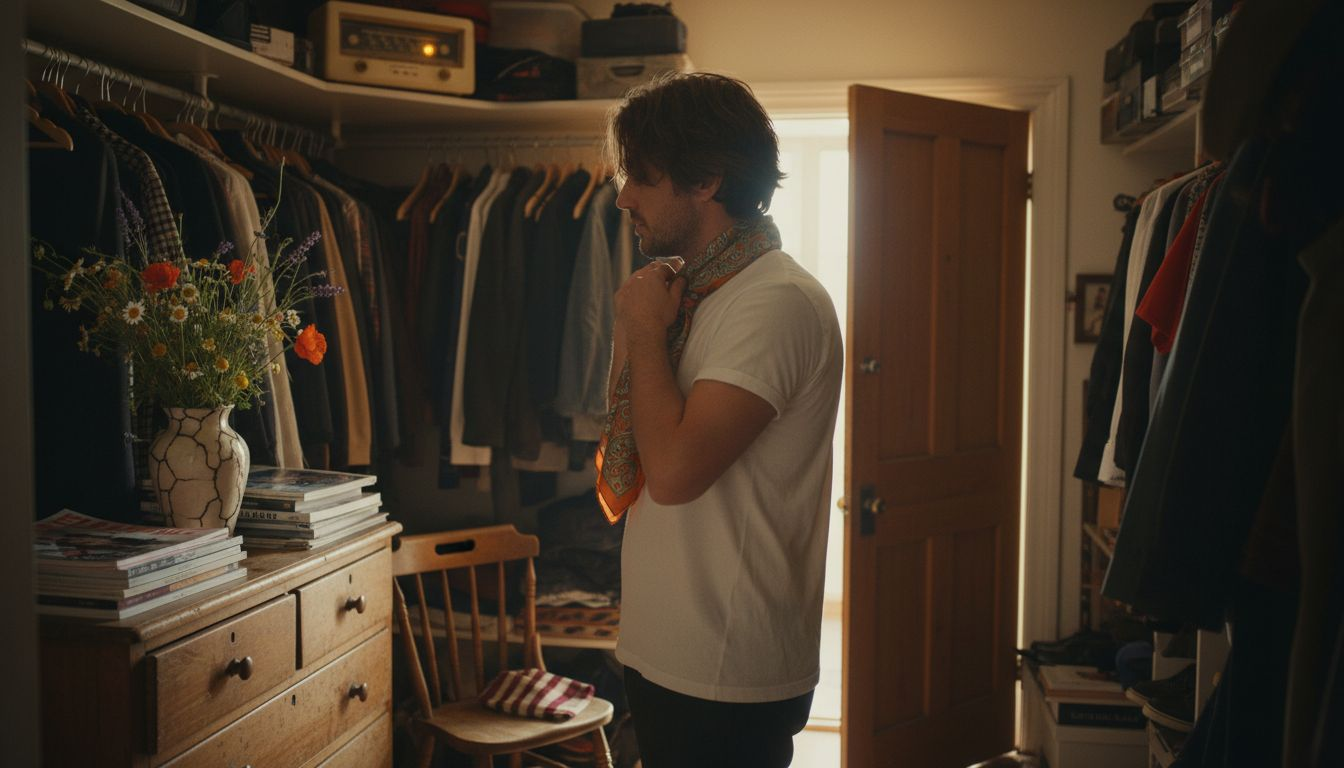
Styling vintage outfits like a professional requires a critical eye and attention to detail. Start by standing in front of a full length mirror and assess your outfit from multiple angles. Check that your clothing fits well and sits correctly on your body ensuring proportions are balanced and flattering. Pay close attention to how different vintage pieces interact colour wise make certain that patterns complement rather than clash and that your overall colour palette feels intentional and sophisticated.
Consider the small details that elevate a good outfit to a great one. Adjust collar points smooth out wrinkles ensure accessories are positioned correctly and check that your garments hang properly. Take a moment to assess whether each piece truly contributes to your desired look remove anything that feels out of place or disrupts the visual harmony. Remember that confidence is the most important accessory subtle adjustments can make a significant difference in how your vintage ensemble presents itself.
Helpful Advice: Always take a quick photo of your final outfit to objectively evaluate the overall look and make any final refinements before stepping out.
Bring Your Vintage Style to Life with Authentic British Finds
Styling vintage clothing beautifully requires more than just passion it demands pieces that tell a story and reflect the unique eras you love. If you find yourself searching for authentic vintage apparel that captures those distinctive 1940s to 1990s British looks while embracing sustainability and individuality then your quest ends here. At My Vintage, we specialise in carefully curated vintage fashion and retro accessories that help you master mixing eras, selecting authentic accessories, and creating standout ensembles just as this guide suggests.
Explore our extensive collection and discover high quality vintage garments and statement pieces that perfectly complement your vintage styling ambitions. Whether you want to repair and refresh your wardrobe sustainably or put together polished and cohesive outfits made for todays fashion curators, start your journey now with My Vintage. Experience timeless British style with a modern sustainable twist and shop confidently from a trusted vintage emporium that has inspired style-conscious, eco-minded customers since 2004.
Frequently Asked Questions
How can I assess the quality of my vintage clothing?
To assess the quality of your vintage clothing, inspect the structural integrity, fabric quality, and overall condition. Look for signs of wear, check seams, and evaluate any repaired areas to ensure the garment is wearable and durable for styling.
What accessories should I choose to complement my vintage outfit?
Select accessories that authentically reflect the era of your vintage piece to enhance your overall look. For instance, pairing a 1950s swing dress with cat eye sunglasses and pearl earrings can create a cohesive and stylish ensemble.
How can I mix different vintage eras in my outfits?
To mix different vintage eras effectively, select one statement vintage item as the focal point, then build your outfit around it using modern basics. Aim for visual harmony by choosing complementary styles and colours so that your outfit feels intentional and contemporary.
What sustainable practices should I follow when caring for vintage clothing?
Embrace sustainable practices by maintaining and repairing your vintage pieces instead of discarding them. Learn basic mending techniques and seek local tailors for more complex repairs to prolong the life of your favourite garments.
How do I refine my vintage outfit before wearing it?
Refine your vintage outfit by standing in front of a full-length mirror and assessing your look from multiple angles. Ensure that the fit is flattering and that all pieces create a harmonious visual aesthetic, adjusting details as necessary to enhance your final appearance.
Recommended


Comments