


Organizing Vintage Accessories for a Timeless Display
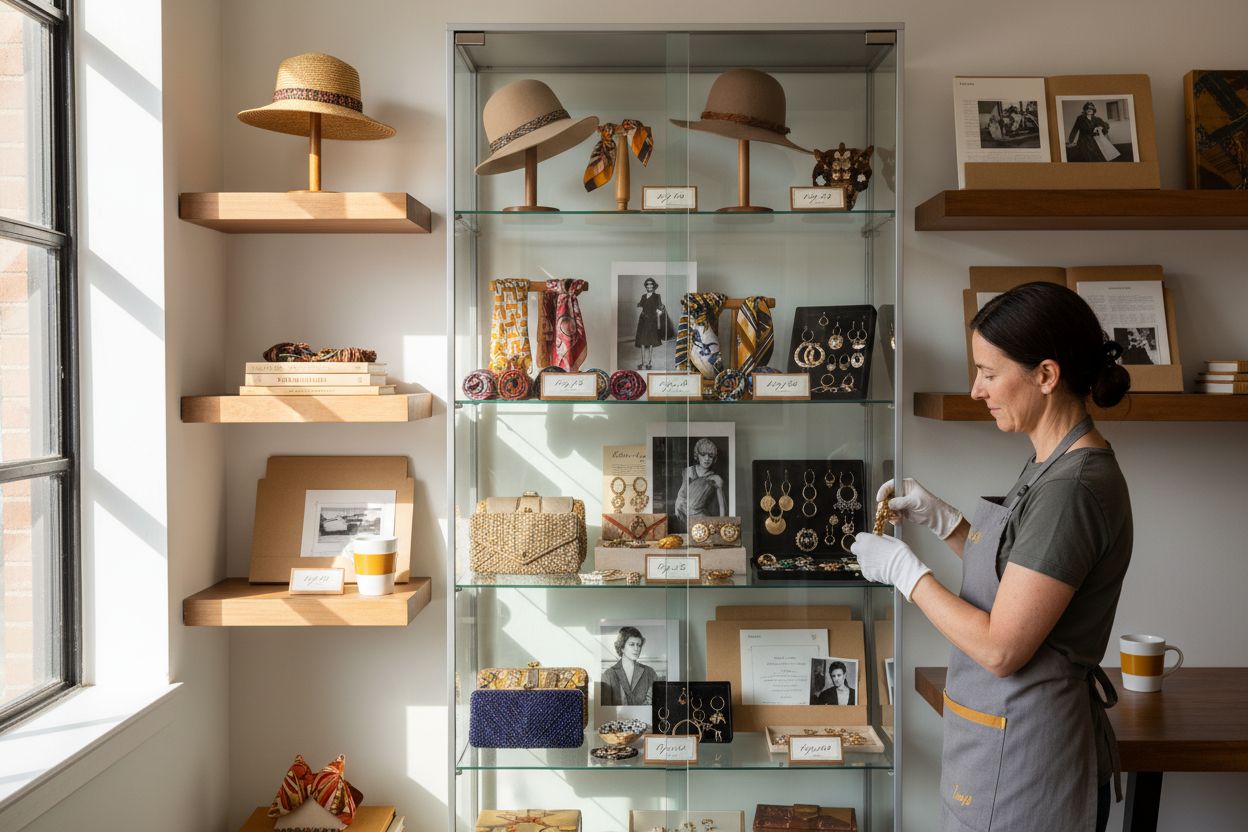
Did you know that vintage accessories can gain up to 50 percent more value when properly organized and preserved? Collectors often overlook the importance of careful storage, yet each piece carries its own story and delicate requirements. Whether you love retro scarves or heirloom jewellery, taking the time to assess, categorize, and plan your display truly transforms your collection into a visual celebration of style and history.
Quick Summary
Key Point | Explanation |
1. Assess each vintage piece individually | Examine for wear, discoloration, and vulnerabilities to understand preservation needs. |
2. Sort accessories by style or era | Group items to create a thematic display that tells a cohesive story. |
3. Choose protective storage solutions | Use display cases that offer humidity control and protect from light to preserve items. |
4. Arrange for access and ease of use | Install hooks and use boxes for easy access while maintaining preservation. |
5. Conduct regular collection reviews | Periodically assess your collection to ensure protection and adjust display methods as needed. |
Table of Contents
Step 1: Assess Your Vintage Accessories Collection
Imagine transforming your vintage accessories from scattered treasures into a thoughtfully curated collection. This initial assessment step will help you understand the unique story and condition of each piece while preparing for an elegant display.
Start by gathering all your vintage accessories in one bright, clean workspace with excellent natural lighting. Spread them out carefully on a soft white cloth that will help highlight details and protect delicate items. According to our guide on vintage accessory collection, methodical assessment is key to preserving these historical gems.
Examine each piece individually. Look for signs of wear like tarnish on metal jewellery, fabric fraying on scarves, or subtle discolouration on leather items. As Museums Galleries Scotland emphasizes, understanding material vulnerabilities helps prevent further deterioration. Pay special attention to:
Metal components for rust or corrosion
Textile areas for moth damage or weakening
Leather surfaces for cracking or dryness
Delicate embellishments like beading or embroidery
Here’s a comparison of assessment criteria for different vintage accessory materials:
Material | Key Vulnerabilities | Assessment Tips |
Metal | Tarnish Rust Corrosion | Inspect for discolouration Check for green or brown spots |
Textile | Moth damage Fraying Weakening | Look for tiny holes Assess fabric strength |
Leather | Cracking Dryness Discolouration | Gently flex to check suppleness Note uneven colour |
Embellishments | Loose beads Broken embroidery | Examine seams Check for missing elements |
Document your findings in a simple notebook or digital spreadsheet.
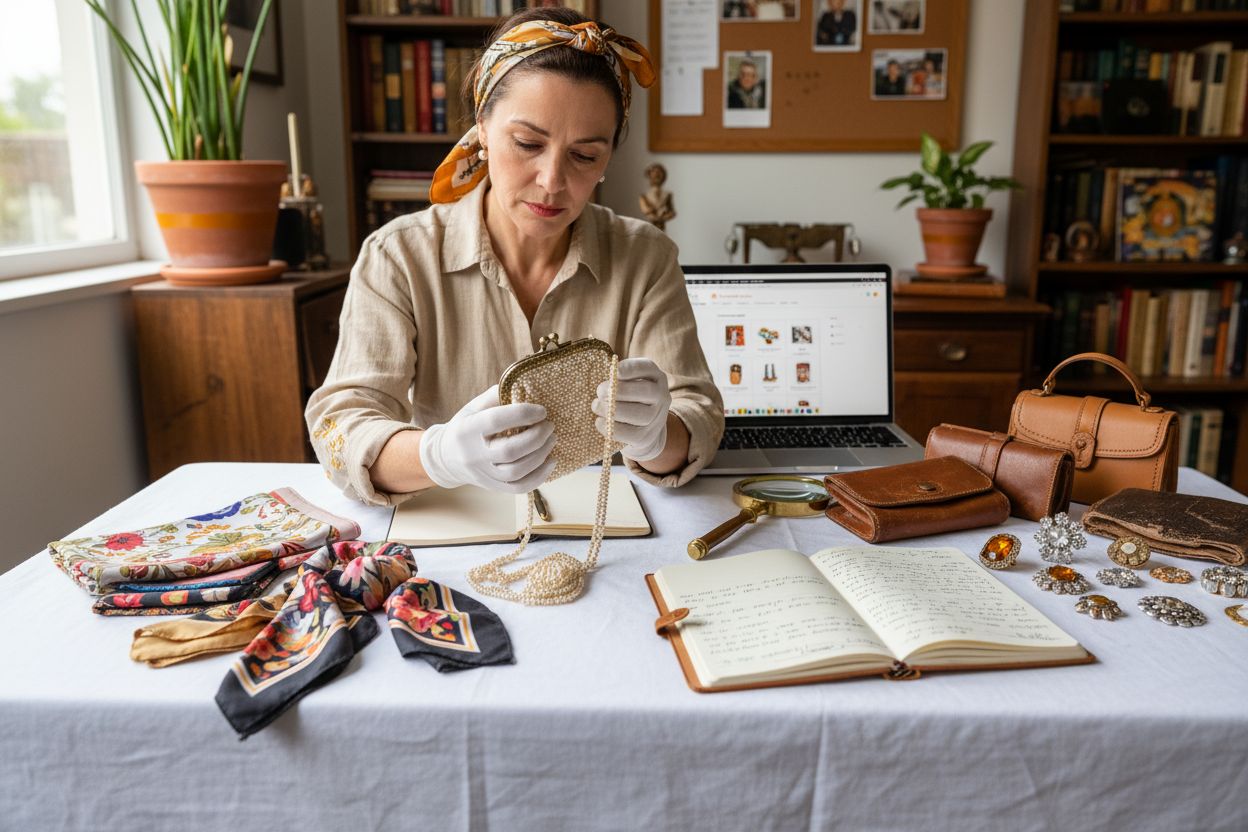
Note the item’s approximate age, material composition, current condition, and any restoration needs. This inventory will become an invaluable reference for future care and display planning.
Pro Tip: Always handle vintage accessories with clean hands or soft cotton gloves to minimise direct skin oil transfer.
By completing this assessment, you’re not just organizing accessories you’re becoming a thoughtful custodian of fashion history. Your next step will involve sorting these pieces into preservation categories and planning their stunning display.
Step 2: Sort Items by Style, Era, or Use
Now that you have carefully assessed your vintage accessories, it is time to bring order and visual harmony to your collection. Sorting your pieces strategically will transform them from random items into a curated storytelling display. How to Accessorise Vintage can provide additional inspiration for this process.
According to SmartStop Self Storage, the key to an engaging display is thoughtful grouping. Start by categorizing your accessories into meaningful collections. You might organize by era such as 1950s glamour accessories, 1920s Art Deco pieces, or 1970s bohemian styles. Alternatively, consider sorting by material type like leather goods, silk scarves, or metal jewellery.
When arranging your groups, embrace some creative principles. As Organization Tip 101 suggests, create visual vignettes that tell a cohesive story. Some strategic approaches include:
Grouping similar items together
Arranging by colour gradient
Displaying pieces at varying heights
Using odd numbers of items for visual interest
Pro Tip: Aim for balance between uniformity and variety to keep your display dynamic and engaging.
Don’t feel constrained by rigid rules. Your collection is personal, so allow your individual aesthetic to shine through. The goal is to create a display that not only preserves your vintage accessories but also celebrates their unique character and history.
With your items now beautifully sorted, you are ready to explore creative display techniques that will showcase your treasures in their best light.
Step 3: Select Suitable Storage and Display Solutions
With your vintage accessories thoughtfully sorted, the next crucial step is finding the perfect home that protects and showcases their unique beauty. Your display solutions should not just store items but tell their story and preserve their delicate charm. 7 Essential Tips for Your Vintage Shopping Checklist offers additional guidance on caring for your treasures.
According to Displaysense, UK collectors have several excellent options for displaying vintage accessories. Glass display cabinets offer elegant protection from dust and potential damage while allowing your pieces to remain visible. Consider wooden display racks for more rustic collections or wall shelving for creating vertical visual interest.
Museums Galleries Scotland recommends prioritizing environmental protection when selecting storage solutions. Look for display cases that offer stable conditions and minimize exposure to harmful elements. Key considerations include:
Controlled humidity levels
Protection from direct sunlight
Minimal temperature fluctuations
Acid free storage materials
Pro Tip: Use archival tissue paper or cotton gloves when handling delicate vintage pieces to prevent unnecessary wear.
Remember that each accessory has its own personality and conservation needs. Some delicate scarves might require flat storage, while robust leather items can handle more structured displays. Your goal is creating a display that both preserves and celebrates the unique character of each piece.
With your storage solutions selected, you are now ready to transform your collection into a stunning visual narrative that honors vintage craftsmanship and style.
Step 4: Arrange Accessories for Easy Access and Preservation
Now comes the exciting moment of creating a system that not only protects your vintage accessories but makes them beautifully accessible. Your carefully curated collection deserves a storage approach that combines practicality with preservation. How to Style Vintage Outfits Like a Pro can offer additional inspiration for showcasing your treasures.
According to Organization Tip 101, strategic arrangement is key to maintaining both the integrity and usability of your vintage accessories. For handbags and larger items, consider installing hooks or wall racks that allow easy viewing and access. Hat boxes become more than storage they transform into protective sanctuaries that maintain the delicate shape of vintage headwear.
Museums Galleries Scotland emphasizes the critical importance of environmental conditions. Your arrangement strategy should prioritize:
Consistent cool temperatures
Controlled humidity levels
Minimal direct light exposure
Conservation grade protective materials
Pro Tip: Use clear archival bags or tissue paper to protect delicate items while allowing visual identification.
Rotate your displayed accessories seasonally to prevent prolonged stress on any single piece. This approach not only preserves your collection but keeps your display feeling fresh and engaging. Some delicate items might require special acid free storage boxes or padded hangers to maintain their original structure.
By thoughtfully arranging your vintage accessories, you transform storage from a mundane task into an art form that celebrates each piece’s unique history and craftsmanship.
Step 5: Review and Adjust Your Organised Collection
Congratulations on creating a meticulously organized vintage accessories collection! Now begins the ongoing process of maintaining and evolving your carefully curated display. Complete Guide to Collecting Vintage Accessories can provide additional insights into long term collection management.
According to Organisation Tip 101, conducting regular audits every six months is crucial for preserving the quality and vitality of your collection. This periodic review allows you to assess each piece for potential conservation needs, potential restoration, or changes in display strategy.
Homes & Antiques recommends thinking creatively about your storage solutions. Consider repurposing attractive vintage items like old trunks, drawer units, or printer’s trays as both functional storage and decorative elements. During your review, ask yourself:
Are my current storage methods protecting each item?
Do I need to adjust environmental conditions?
Are there pieces that require gentle cleaning or minor repairs?
Can I rotate or reimagine my display to keep it fresh?
Pro Tip: Document your collection with photographs and detailed notes to track changes and maintain a comprehensive record.
Your vintage accessories collection is a living archive that evolves with time. By approaching your review with curiosity and care, you ensure that each piece continues to tell its unique story while remaining in pristine condition.
Remember that preservation is an ongoing conversation between you and your treasured vintage pieces. Embrace the journey of continuous learning and appreciation.
Take Your Vintage Display from Chaos to Curated Perfection
You have taken the important steps of assessing, sorting, and carefully planning your vintage accessories collection. Still, many collectors find the biggest challenge is sourcing truly unique pieces that elevate their organised display and reflect genuine historical style. You want your curated collection to stand out, tell a story, and remain in excellent condition for years to come.
Discover an ever-changing selection of authentic finds at My Vintage, where every accessory and homeware piece is handpicked for quality, character, and timeless appeal. Complete your collection with rare handbags, jewellery, or decorative accents that match your preservation standards and aesthetic vision. Now is the perfect time to revisit your favourite display step or add a fresh signature piece by browsing our full vintage accessories collection. Transform your organisation efforts into a truly remarkable showcase – shop today and experience the My Vintage difference.
Frequently Asked Questions
How can I assess the condition of my vintage accessories?
Start by gathering all your pieces in a well-lit area and inspecting them individually. Look for signs of wear like tarnish, fraying, or cracking, and document your findings to understand restoration needs.
What is the best way to sort my vintage accessories for display?
Organize your accessories by style, era, or material type to create cohesive visual groupings. Consider arranging items by color or varying heights to enhance visual appeal and storytelling.
What are suitable storage solutions for delicate vintage accessories?
Use glass display cabinets for protection or archival boxes for delicate items to minimize exposure to dust and harmful elements. Ensure that your storage solutions maintain stable humidity and temperature conditions to preserve their quality.
How should I arrange my vintage accessories for easy access?
Install hooks or wall racks for larger items to keep them visible and easily accessible. Use clear archival bags for delicate pieces to protect them while still allowing you to see what you have in your collection.
How often should I review my organized vintage accessories collection?
Conduct a regular audit of your collection every six months to assess condition and make any necessary adjustments in storage methods. This ensures that your vintage accessories remain well-preserved and that your display stays fresh and engaging.
What steps should I take if I find a piece that needs repair during my review?
If you discover a vintage accessory needing repair, prioritize gentle cleaning and minor fixes. Consider documenting the issue and researching appropriate restoration methods to keep the integrity of the piece while enhancing its condition.
Recommended


Comments