


Understanding Retro Style: How Vintage Fashion Shapes Modern Living
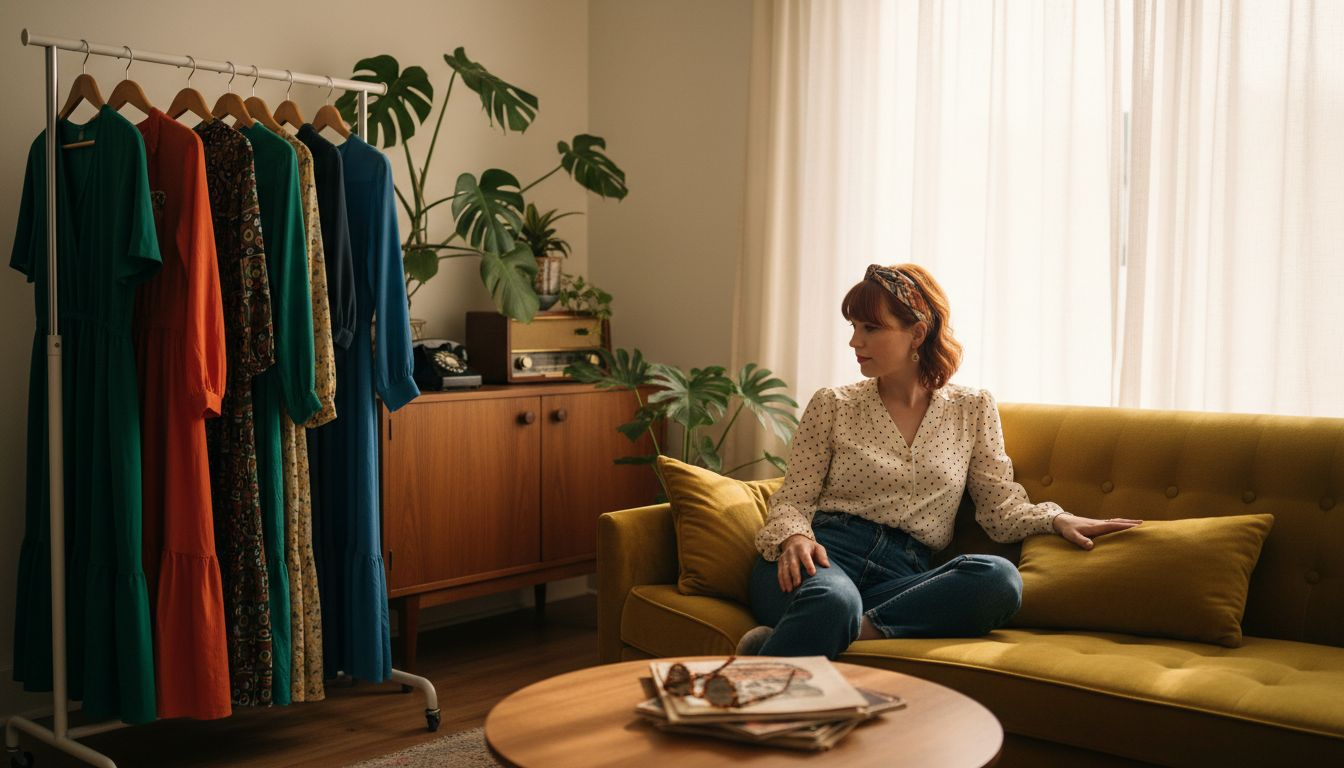
Most british shoppers are surprised to learn that over 70 percent of UK textile waste still ends up in landfill each year. For eco-conscious vintage enthusiasts, curating retro fashion and homeware is not just about nostalgia but about rewriting that statistic. Exploring retro style means discovering how past design trend s can inspire personal expression and meaningful sustainability, guiding you to make thoughtful choices that celebrate both british creativity and your individual values.
Table of Contents
Key Takeaways
Point | Details |
Understanding Retro | Retro fashion is a cultural dialogue that involves modern reinterpretations of historical aesthetics rather than mere replication. |
Cultural Significance | Vintage fashion reflects broader social dynamics and norms, highlighting how each era’s style tells a unique story. |
Identifying Authenticity | Authentic retro pieces require careful examination of construction details and cultural context to distinguish them from modern reproductions. |
Sustainable Choices | Embracing vintage clothing supports sustainable fashion by reducing waste and extending the lifecycle of garments. |
Retro Style Defined and Misunderstood
Retro style represents far more than nostalgic fashion reproduction. It encapsulates a nuanced cultural dialogue between past and present, where historical aesthetics are consciously reinterpreted through a contemporary lens. Understanding historical clothing contexts reveals retro is not merely about mimicking bygone eras, but strategically reimagining their visual languages.
At its core, retro fashion functions as a complex form of cultural communication. Designers and enthusiasts do not simply replicate vintage garments but translate historical silhouettes, colour palettes, and design elements into modern expressions of identity. Each carefully selected piece becomes a narrative thread connecting personal style with broader societal memories and transformations.
Contrary to popular misconception, retro is not about wearing exact historical replicas. Instead, it involves thoughtful reinterpretation – selecting vintage-inspired elements that resonate with contemporary sensibilities. A 1950s-inspired dress might feature classic mid-century lines but be crafted using modern sustainable fabrics, or a retro jacket could incorporate contemporary tailoring techniques while maintaining its nostalgic aesthetic.
Expert Style Tip: When exploring retro fashion, focus on understanding the era’s design philosophy rather than creating a costume-like reproduction of historical looks.
Key Vintage Eras and Style Variations
Vintage fashion represents a complex historical narrative, with each decade presenting distinctive aesthetic characteristics that reflect broader cultural transformations. Cross-cultural perspectives on vintage fashion reveal how clothing styles are intrinsically linked to societal shifts, technological advancements, and evolving social norms.
Each era offers unique style signatures that tell profound stories about human experience. The roaring 1920s embodied liberation through dropped waistlines and shorter hemlines, symbolising women’s emerging social freedoms. The structured 1940s designs reflected wartime practicality, with tailored silhouettes and utility-focused clothing. The exuberant 1950s celebrated post-war prosperity through voluminous skirts and cinched waists, while the revolutionary 1960s introduced radical mini-skirts and bold geometric patterns that challenged traditional fashion conventions.
Understanding vintage style variations requires more than aesthetic appreciation. It demands recognising how clothing serves as a powerful cultural artifact, communicating social dynamics, economic conditions, and individual expressions of identity. The 1970s punk movement, for instance, used fashion as political rebellion, while disco era styles represented escapism and sexual liberation. Each garment becomes a narrative thread connecting personal experiences with broader historical contexts.
Here is a summary of signature style characteristics from each major vintage fashion era:
Decade | Distinctive Features | Key Social Influence |
1920s | Dropped waistlines, short hems | Women’s social liberation |
1940s | Tailored shapes, utility fabrics | Wartime austerity and practicality |
1950s | Voluminous skirts, cinched waists | Post-war optimism and prosperity |
1960s | Mini-skirts, bold geometrics | Youth revolution and cultural change |
1970s | Punk and disco, diverse silhouettes | Political protest, escapism, sexuality |
Style Expert Tip: When collecting vintage pieces, focus on understanding the cultural context of each era rather than simply acquiring aesthetically pleasing garments.
Identifying Authentic Retro Fashion Pieces
Authentic retro fashion requires a discerning eye and deep understanding of historical design nuances. How to identify vintage clothing involves examining multiple intricate details that distinguish genuine vintage pieces from modern reproductions.
Key identification markers include examining construction techniques, fabric quality, and manufacturing labels. Vintage garments typically feature hand-stitched details, unique buttonhole styles, and specific construction methods that differ from contemporary mass-produced clothing. Seam finishes, zip types, and internal tag designs can reveal a piece’s precise era and authenticity. Collectors should look for signs of period-specific manufacturing, such as metal zippers in 1940s pieces, distinctive dart placements in 1950s dresses, or specific fabric weaves characteristic of particular decades.

Beyond technical details, understanding the provenance and cultural context of vintage fashion is crucial. Each era’s clothing reflects specific social movements, technological innovations, and design philosophies. A genuine 1960s mod dress, for instance, represents more than fabric and stitching – it embodies the cultural revolution of its time, with geometric patterns and bold silhouettes that challenged previous fashion conventions. Authentic retro pieces are not merely garments but historical artifacts that tell compelling stories about societal transformations.
Expert Collector’s Tip: Always examine multiple authentication markers, including construction details, fabric composition, and historical context, rather than relying on a single identification method.
Retro Homeware and Its Cultural Impact
Retro homeware represents far more than nostalgic decorative objects – it is a profound expression of cultural memory and social identity. The rise of retro interior design reveals complex intersections between personal aesthetics, historical narratives, and contemporary lifestyle choices.
The contemporary revival of vintage homeware reflects a nuanced generational dialogue with the past. Young British consumers are increasingly drawn to items that tell stories – vintage teapots, mid-century furniture, and carefully curated decorative pieces that connect domestic spaces with historical experiences. This trend goes beyond mere aesthetic appreciation, representing a deliberate rejection of disposable consumer culture and an embrace of objects with inherent character and craftsmanship.
Understanding retro homeware requires recognising its deeper sociological significance. Each carefully selected piece becomes a conversation starter, bridging generational experiences and challenging modern minimalist design paradigms. The resurgence of vintage kitchenware, for instance, is not simply about visual appeal, but about reconnecting with familial histories, traditional domestic rituals, and more sustainable consumption patterns. These objects serve as tangible links to collective memories, allowing individuals to create personalised environments that reflect both individual taste and broader cultural narratives.
The following table compares retro fashion and homeware in terms of purpose, meaning, and impact:
Aspect | Retro Fashion | Retro Homeware |
Main Purpose | Self-expression, identity | Storytelling, personal environment |
Cultural Role | Reflects social trends, movements | Bridges generations, preserves memory |
Impact | Challenges modern fashion industry | Rejects disposability, values craft |
Collector’s Insight: When selecting retro homeware, prioritise pieces that resonate with personal narrative and historical significance rather than merely chasing aesthetic trends.
Sustainable Fashion: Choosing Retro Responsibly
Sustainable fashion is not merely a trend but a critical environmental commitment, with vintage clothing emerging as a powerful strategy for responsible consumption. Sustainable practices in the UK fashion industry reveal that choosing retro garments represents a meaningful approach to reducing textile waste and challenging the destructive cycles of fast fashion.
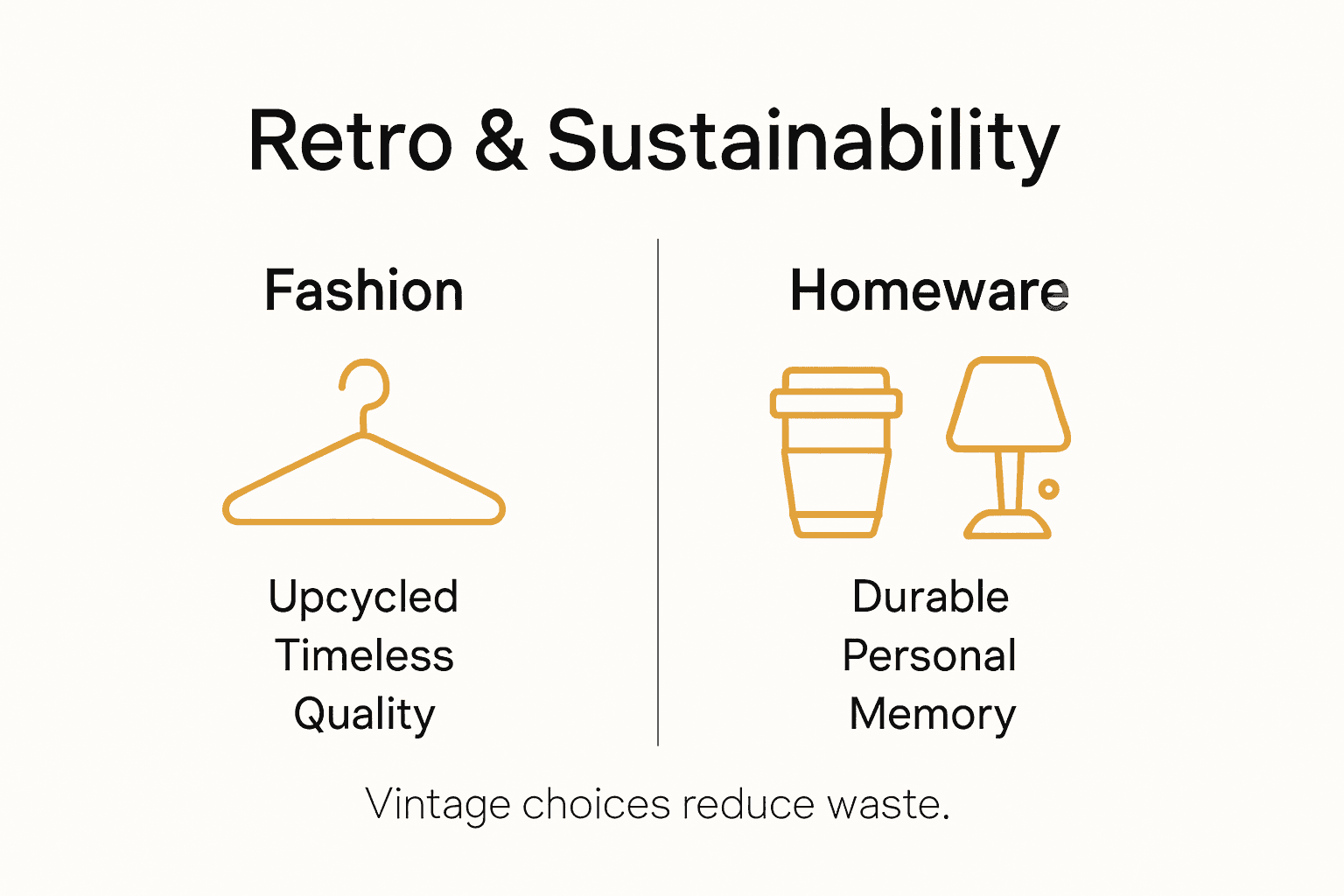
Generation Z consumers are increasingly recognising vintage fashion as an ethical alternative to mass-produced clothing. By selecting pre-loved pieces, individuals can dramatically reduce their environmental footprint, preventing perfectly wearable garments from entering landfill systems. Each vintage purchase represents a direct intervention in the fashion ecosystem – extending a garment’s lifecycle, reducing demand for new production, and celebrating the craftsmanship of previous generations.
Responsible retro fashion consumption requires more than simply purchasing second-hand clothing. It demands a holistic understanding of textile production, environmental impact, and the broader social contexts of fashion. Consumers must develop critical skills in assessing garment quality, understanding fabric origins, and recognising the long-term value of well-constructed vintage pieces. This approach transforms fashion consumption from a passive act of purchasing to an active engagement with sustainable living principles.
Sustainability Insight: Always research the provenance and condition of vintage pieces, prioritising items that align with your personal style and ethical consumption values.
Embrace Authentic Retro Style with My Vintage
The journey through retro style and vintage fashion reveals how thoughtful reinterpretation of past eras can enrich your modern lifestyle while supporting sustainable choices. If you are seeking to discover genuine vintage garments and retro homeware that carry historical significance and connect you with cultural stories, My Vintage offers an expertly curated collection that echoes the article’s insights on cultural narrative and sustainability.
Explore our unique vintage clothing and retro homeware to find pieces that align with your individual style and ethical values.
Begin your responsible fashion journey today by selecting authentic retro pieces with unique provenance and craftsmanship. Visit My Vintage now to enjoy timeless style that honours both past and present while making a conscious environmental impact.
Frequently Asked Questions
What defines retro style in fashion?
Retro style is characterised by its reinterpretation of historical aesthetics rather than mere reproduction. It blends elements from past eras with contemporary sensibilities, focusing on creating modern expressions of identity through vintage-inspired designs.
How can I incorporate retro fashion into my modern wardrobe?
To incorporate retro fashion, focus on selecting key pieces that reflect the design philosophy of the desired era, such as mid-century silhouettes or bold geometric patterns, while using modern fabrics and tailoring techniques that resonate with contemporary tastes.
Why is understanding the cultural context of retro fashion important?
Understanding the cultural context helps one appreciate retro fashion as a reflection of societal changes, technological advancements, and individual expressions of identity, making each piece a storytelling artefact rather than just a garment.
How does retro homeware differ from retro fashion?
While retro fashion emphasises self-expression and identity, retro homeware prioritises storytelling and personal environments. Both serve to connect individuals with their historical narratives but impact their spaces and identities differently.
Recommended


Comments