


Shoes That Defined the Decades

Fashion can change completely from the ground up. A hemline might shift, a waist might move higher or lower, shoulders might widen or soften, but shoes have always had an extraordinary power to date a look almost instantly. Think of a pair of neat 1950s stilettos, glossy white 1960s boots or towering 1970s platforms and an entire era seems to appear around them.
The most memorable shoes do more than simply finish an outfit. They alter posture, proportions and movement, and sometimes become so closely associated with a particular period that they turn into visual shorthand for the decade itself. Some began as practical solutions, others emerged from new materials or changing attitudes, while a few appear to have existed almost entirely for the joy of being noticed.
Looking back through vintage fashion, certain shoes stand out because they tell us something about the world in which they were worn. They reflect new freedoms, changing technology, celebrity influence and the constant desire to look different from the generation before. From elegant heels to stomping platforms, these are the shoes that helped define their decades.
1920s: The T-Bar Steps Into the Spotlight
The 1920s transformed the relationship between clothes and movement, and footwear had to keep up. As hemlines rose and dancing became an essential part of fashionable social life, shoes were suddenly far more visible than they had been during the long-skirted years before the First World War.
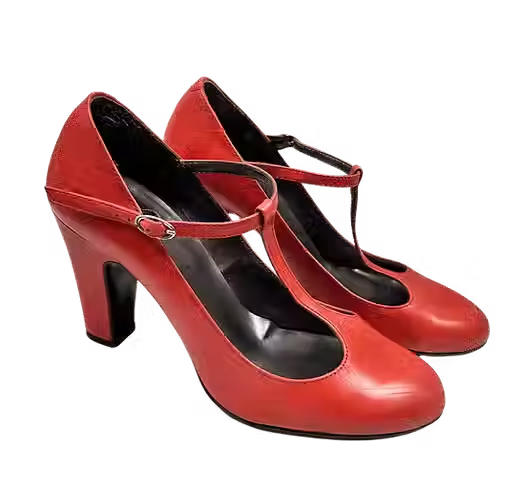
T-bar and Mary Jane styles became particularly associated with the decade. Their straps were not merely decorative; they helped keep shoes securely in place while dancing, which mattered rather more when people were attempting the Charleston than when strolling sedately through a drawing room. Rounded toes and moderate heels made them comparatively wearable, while decorative buckles, metallic leather, brocade and cut-out details could make an evening pair wonderfully glamorous.
The changing shape of women's clothes also meant that shoes became part of the overall decorative effect. A dropped-waist dress might be relatively straight in construction, but movement brought fringe, beads and footwear to life. Shoes were no longer hidden beneath layers of fabric; they joined the performance.
1930s: Glamour Meets Practicality
The 1930s brought a softer, more elegant silhouette to fashion. Bias-cut evening gowns skimmed the body, daywear became more refined, and shoes followed with slimmer lines and a distinctly feminine polish.
Pumps and court shoes appeared in a variety of heel heights, while decorative details such as perforations, contrasting panels and bows added interest. The decade also embraced sandals for evening wear, particularly styles with elegant straps that suited the flowing glamour of 1930s dresses.
One of the most interesting developments was the growing popularity of wedge-style construction towards the end of the decade. Wedges offered height while distributing weight differently from a traditional heel, paving the way for some of the more adventurous footwear of the 1940s.
Shoes of this period can sometimes appear restrained when compared with later decades, but their sophistication lies in proportion. The shapes were elegant enough to complement the glamorous clothes of the time without competing with them.
1940s: Platforms, Wedges and Wartime Ingenuity
Wartime restrictions affected almost every aspect of clothing production, including footwear. Materials were controlled, leather could be scarce and designers had to find creative ways to work within limitations. The result was a fascinating mixture of practicality and invention.
Wedges and platforms became especially important. Cork, wood and other substitute materials could be used for soles, creating chunky shapes that looked dramatically different from the delicate heels of previous years. Some shoes incorporated fabric uppers or clever combinations of materials to reduce reliance on restricted leather.
The platform sandal became one of the most distinctive shoe styles associated with the decade, especially in warmer climates and glamorous fashion imagery. Its substantial sole could add considerable height while still appearing playful rather than severe.

For women living through wartime conditions, however, footwear also had to be durable. Sensible lace-ups, sturdy low heels and practical shoes remained everyday necessities. That contrast between glamorous platform designs and hard-wearing utility styles makes 1940s footwear particularly interesting: both tell different sides of the same decade.
1950s: The Stiletto Changes the Silhouette
Few shoe styles are as closely associated with an era as the stiletto heel is with the 1950s. Advances in construction made it possible to create increasingly slender heels without sacrificing structural strength, and the resulting shape fitted perfectly with the decade's renewed emphasis on glamour and femininity.
The stiletto transformed posture as much as appearance. Its narrow heel encouraged a different walk and changed the line of the leg, particularly when worn with the fitted pencil skirts and full-skirted dresses popular during the decade. Pointed toes further exaggerated the elegant, elongated effect.
Court shoes became wardrobe staples, while slingbacks offered a slightly lighter alternative. Evening shoes could be decorated with satin, rhinestones, bows or delicate straps, but even relatively plain pumps possessed an unmistakable refinement.

Of course, not every woman spent the 1950s balancing on needle-thin heels. Ballet flats, loafers and lower-heeled shoes were equally important, especially as casual fashion grew. Yet the stiletto became an enduring symbol of the decade because it captured its most glamorous ideal so perfectly.
1960s: Boots Take Over
If the 1950s belonged to the stiletto, the 1960s made boots fashionable in a completely new way. Previously associated largely with practicality, weather or specific activities, boots became a central part of youthful fashion.
The mini skirt played a major role. As hemlines rose dramatically, legs became a new focus and boots provided a bold way to extend the visual line of an outfit. Knee-high styles in white or bright colours became particularly iconic, often made from leather, vinyl or other glossy materials that suited the decade's fascination with modernity.
Flat or low-heeled boots worked beautifully with geometric dresses, while sleeker heeled versions created a sharper silhouette. Ankle boots also grew in popularity, especially when paired with trousers or shorter skirts.
The influence of Space Age fashion added to the futuristic appeal. White boots, metallic finishes and synthetic materials looked perfectly at home beside streamlined dresses and bold graphic prints. Footwear no longer had to appear traditional or ladylike; it could look playful, experimental and almost futuristic.

1970s: Platforms Reach New Heights
The 1970s took the platform shoe and turned it into a cultural phenomenon. Platforms appeared on sandals, boots, loafers and heels, sometimes adding astonishing amounts of height.
Part of their appeal came from their versatility. Platforms could belong to glittering disco fashion, flamboyant glam rock, earthy bohemian dressing or everyday street style. Wooden soles suited the natural textures of early-1970s fashion, while metallic leather and glitter finishes were made for dance floors later in the decade.
Unlike the delicate stiletto, the platform had visual weight. It changed the proportions of an entire outfit, balancing flared trousers and maxi skirts while making already dramatic clothes appear even more theatrical.
Men wore them too, which helped make the platform one of the decade's most recognisable unisex fashion statements. Musicians and performers embraced exaggerated footwear enthusiastically, while mainstream versions filtered into everyday wardrobes.
Few shoes communicate their decade quite so quickly. A substantial sole, broad heel and flash of colour can instantly conjure the 1970s.

1980s: Power Heels and Fashion Excess
The 1980s returned to sharper, more overtly glamorous footwear. As tailoring became stronger and shoulders grew wider, shoes needed enough presence to hold their own.
Court shoes with high heels became closely associated with power dressing, particularly when paired with structured suits. Pointed toes and polished finishes created a sleek contrast with the exaggerated proportions above.
Colour played an enormous part too. Shoes could be bright red, cobalt blue, metallic gold or matched deliberately to belts, handbags and other accessories. Fashion in the 1980s rarely suffered from excessive restraint.
At the same time, dance and fitness culture influenced everyday footwear. Trainers became increasingly visible outside purely sporting settings, helped by the popularity of aerobics and the growing influence of athletic brands on mainstream fashion. This was an important shift: casual shoes were beginning to claim serious fashion territory.
The decade therefore produced two very different footwear directions. At one end stood the sharp high heel; at the other, the increasingly fashionable trainer. Both would have enormous influence on the years that followed.

1990s: Chunkier, Heavier and More Casual
The 1990s challenged many of the polished ideals that had dominated the previous decade. Grunge, alternative music and streetwear all influenced footwear, bringing heavier soles and more utilitarian shapes into fashion.
Chunky boots became an essential part of the decade's tougher aesthetic, often worn with floral dresses, denim or short skirts. The contrast was deliberate: pretty clothes suddenly looked different when paired with substantial black footwear.
Platform shoes also returned, although their 1990s incarnation had a very different personality from the 1970s. Platform trainers and thick-soled sandals fitted neatly into the playful pop fashion of the decade, while chunky loafers and Mary Janes offered another route into the heavier silhouette.
At the opposite end of the spectrum were minimalist strappy sandals, particularly towards the later 1990s. Their delicate lines complemented slip dresses and pared-back evening wear beautifully. This contrast is part of what makes 1990s footwear so recognisable. Shoes could be brutally chunky or barely there, with surprisingly little interest in the polite middle ground.

Y2K: Shoes Get Playful Again
The early 2000s inherited the platform revival and pushed footwear in an even more playful direction. Strappy heels, kitten heels, pointed boots, platform sandals and decorative mules all became part of the Y2K wardrobe.
There was often something deliberately eye-catching about the shoes of the period. Metallic finishes, rhinestones, unusual straps and colourful synthetic materials sat comfortably alongside low-rise jeans, tiny bags and the going-out tops we remember so well.
Pointed footwear enjoyed a major revival, with elongated toes appearing on boots and heels alike. Kitten heels offered a more delicate alternative to the towering styles of previous decades, while mules remained a favourite for evening wear.
As with much Y2K fashion, the charm lay in mixing glamour with something slightly impractical. Shoes did not necessarily need to look timeless. They needed to make sense with that night's outfit.
Why Certain Shoes Become Symbols of Their Era
The shoes we remember most vividly are rarely chosen at random. They tend to appear when several changes collide at once: new materials, new silhouettes, new cultural influences and new ideas about how people want to present themselves.
A 1960s mini skirt encouraged a completely different approach to footwear from a 1930s evening gown. Flared trousers almost demanded the visual weight of a 1970s platform, while the strong tailoring of the 1980s suited a sharper heel. Shoes respond to clothing, but they also help shape it.
Technology matters too. New manufacturing methods and materials have repeatedly allowed designers to create shapes that would previously have been difficult or impossible. From stronger stiletto construction to synthetic Space Age boots, innovation beneath the ankle has often mirrored innovation elsewhere in fashion.
Why Vintage Shoes Still Fascinate Us
Original vintage footwear has a special appeal because it preserves details that modern recreations sometimes simplify. Heel shapes, toe proportions, fastenings, stitching and materials can instantly reveal the period in which a shoe was made.
They also remind us that fashion history is not simply about famous dresses or designers. Everyday wardrobes were shaped just as much by the shoes people wore to work, dances, weddings, pubs and parties.
Not every vintage shoe survives in wearable condition, of course. Materials can dry, glue can fail and soles can deteriorate over time, so older footwear needs careful checking before use. Even when a pair is no longer practical to wear, however, it can remain a fascinating piece of design history.
Which Decade Had the Most Iconic Shoes?
There is no single answer, because each decade produced footwear that reflected its own priorities. The 1950s gave us the enduring glamour of the stiletto, the 1960s transformed boots into high fashion, and the 1970s made platforms almost impossible to ignore.
What makes these styles iconic is not simply how dramatic they looked, but how closely they became tied to the wider fashions and culture of their time.
How Can You Date Vintage Shoes?
Heel shape, toe shape, materials and construction can all provide useful clues. Labels, fastenings and decorative details may help too, although dating footwear accurately usually requires looking at several features together rather than relying on one detail alone.
Comparing shoes with period catalogues, advertisements and fashion photography can be especially useful, as these sources show how particular styles were worn when they were new.
Can Vintage Shoes Still Be Worn Today?
Many can, provided they remain structurally sound. Soles, heels, stitching, leather and adhesives should all be checked carefully, particularly with older pairs.
Some collectors prefer to preserve particularly fragile or unusual shoes rather than wear them. Others enjoy mixing vintage footwear with contemporary clothing, which can be a lovely way to bring the character of an era into an otherwise modern outfit.
Shoes have always done far more than protect our feet. They have made us taller, changed the way we walk, signalled rebellion, glamour, practicality and excess, and sometimes captured the spirit of an entire decade in a single silhouette.
That is perhaps why vintage footwear remains so compelling. A great pair of shoes can tell you where fashion was heading, what people were dreaming about and how they wanted to be seen. From the neat dance shoes of the 1920s to the playful heels of Y2K, the styles may change, but the fascination with what we wear on our feet never really does.


Comments