


Sustainable Style Tips for a Greener Wardrobe
.
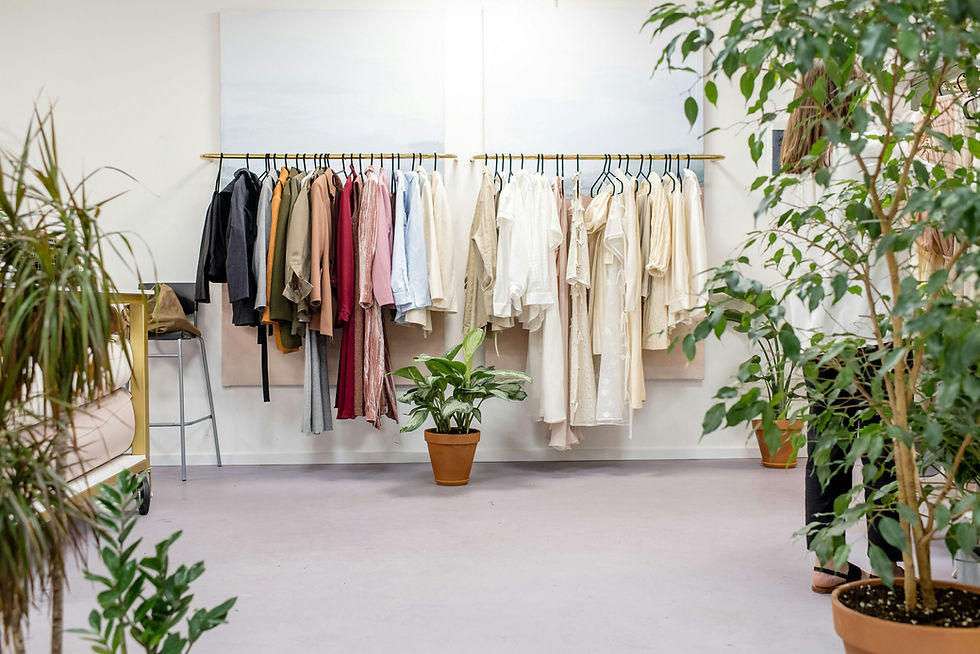
Sustainable style is defined as the practice of choosing fewer, better-quality garments that last longer, reflect your personal taste, and reduce environmental harm through mindful consumption. As National Geographic highlights, extending garment life through fewer purchases is the single biggest move you can make for eco-friendly fashion. This is not about wearing the same outfit every day or abandoning personal expression. It is about building a wardrobe with intention, where every piece earns its place and serves you well across seasons and occasions.
What are the best sustainable style tips for your wardrobe?
The foundation of conscious fashion choices is deceptively simple: buy less, choose well, and care for what you own. This principle, championed by sustainability editors at publications from National Geographic to the New York Times Wirecutter, cuts through the noise of greenwashing and trend cycles. Most of a garment’s environmental footprint comes from raw materials, which means buying fewer quality pieces reduces climate impact more effectively than simply switching to a different fabric. That insight should reshape how you approach every shopping decision.
Sustainable wardrobe ideas are not one-size-fits-all. Some people thrive with a strict capsule wardrobe of 15 to 30 versatile pieces, while others prefer a slightly larger but equally considered collection. The common thread is intentionality. You are designing your wardrobe to serve your actual life, not an idealised version of it shaped by micro-trends and seasonal marketing.
How to audit your wardrobe for sustainable style

A wardrobe audit is the most practical starting point for anyone serious about green style inspiration. Before you buy anything new, you need to understand what you already own and how often you actually wear it.
The 90-day wear audit is one of the most effective methods available. A 90-day wear audit works by identifying only the clothes you have reached for in the past three months, forming the honest basis of a sustainable capsule wardrobe. Everything else deserves scrutiny. Ask yourself whether each item fits well, suits your current lifestyle, and works with at least three other pieces you own. If the answer to any of those questions is no, it is a candidate for removal.
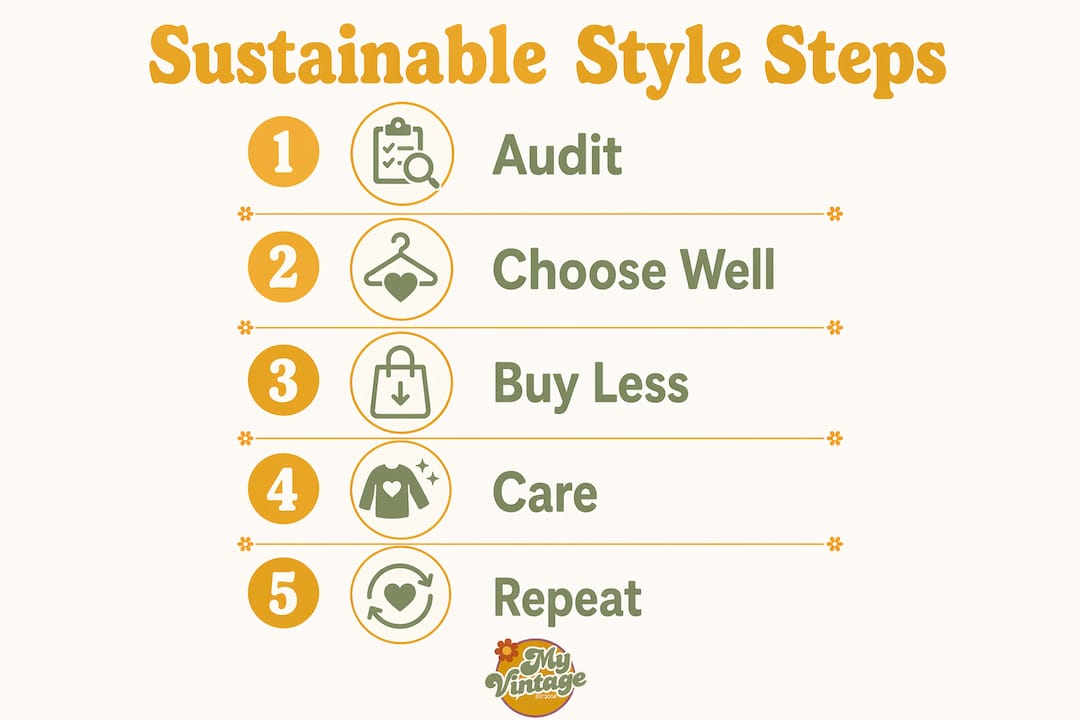
Here is a practical step-by-step approach to auditing your wardrobe:
Pull everything out and lay it flat so you can see the full picture.
Sort into three piles: worn regularly, worn occasionally, and not worn in over 90 days.
For the “occasionally” pile, ask whether the item is kept out of guilt, sentiment, or genuine usefulness.
Sell quality pieces through platforms like Vinted or Depop, and donate genuinely wearable items to local charity shops.
What remains is your working wardrobe. Build from there.
Decluttering is not about minimalism for its own sake. It is about clarity. When your wardrobe contains only pieces you love and wear, getting dressed becomes easier and impulse buying loses its appeal.
Pro Tip: Photograph every item in your wardrobe and create a simple digital grid. Seeing your clothes as a collection rather than a pile makes gaps and duplicates immediately obvious, and it helps you plan outfits before you even open the wardrobe door.
Which fabric certifications actually matter?
Understanding textile certifications is one of the most underrated eco-friendly fashion tips, and also one of the most misunderstood areas of sustainable dressing. Labels can be genuinely useful guides, but only if you know what each one actually measures.
Here are the three certifications worth knowing:
GOTS (Global Organic Textile Standard): Covers organic fibre sourcing and the entire supply chain, from farm to finished product. It is the gold standard for organic textiles, with strict thresholds for the percentage of certified organic fibres used.
OEKO-TEX Standard 100: Tests finished products for harmful chemicals and substances. It does not certify organic sourcing or ethical supply chain practices. As KOTHEA explains, GOTS and OEKO-TEX answer entirely different sustainability questions and should never be treated as interchangeable.
Responsible Wool Standard (RWS): Focuses on animal welfare and responsible land management in wool production. It does not address chemical processing or organic fibre content.
Certification | What it covers | What it does not cover |
GOTS | Organic fibres, full supply chain | Chemical safety of finished product |
OEKO-TEX Standard 100 | Chemical safety of finished product | Organic sourcing, supply chain ethics |
RWS | Animal welfare, land management | Fibre processing, chemical safety |
The most important takeaway here is that layering certifications like GOTS, RWS, and OEKO-TEX together gives you a far more complete picture of a garment’s sustainability than any single label alone. A piece of wool knitwear carrying both RWS and OEKO-TEX Standard 100 tells you far more than either label would on its own.
Pro Tip: A common mistake is assuming that an OEKO-TEX label means a garment is organic or ethically sourced. It does not. OEKO-TEX tests chemical safety only. Always check for GOTS if organic fibre content matters to you.
How to buy smarter and make clothes last longer
Smart buying is the practical heart of how to dress sustainably, and it starts long before you reach the checkout. The New York Times Wirecutter notes that buying secondhand avoids the environmental impacts of production, storage, and shipping that come with new items. That is a significant advantage, and it is one that vintage shopping delivers beautifully.
When you do buy new, apply a simple lifecycle test before committing:
Does this piece replace something I already own, or is it genuinely filling a gap?
Can I wear it with at least five other items already in my wardrobe?
Is it easy to care for, and do I understand the care label?
Will I still want to wear it in three years?
This lifecycle test approach, recommended by sustainability experts, makes the decision measurable rather than emotional. It removes the impulse-buy fog and replaces it with a clear standard.
Garment care is equally important. The GINETEX system of care symbols found on clothing labels guides you on washing temperatures, drying methods, and ironing conditions. Following these care label symbols correctly prevents premature wear and keeps fabrics looking their best for years longer than careless laundering would allow.
Washing clothes at 30°C instead of 60°C, air-drying rather than tumble-drying, and using wool dryer balls to reduce pilling are three care habits that extend garment longevity significantly without any extra effort or expense.
Renting occasion wear through services like Hirestreet or By Rotation is another excellent strategy for pieces you would only wear once or twice. Resale platforms such as Vinted, eBay, and Depop also make it straightforward to recirculate quality pieces rather than sending them to landfill. You can find more ideas on refreshing your wardrobe without spending a penny in our guide at My Vintage.
Pro Tip: Before washing any garment, always check the care label rather than defaulting to a standard cycle. A delicate silk blouse washed at 40°C can shrink or lose its sheen permanently. Two minutes of label-reading can add years to a garment’s life.
Can technology help you dress more sustainably?
Technology is becoming a genuinely useful ally for anyone building a sustainable wardrobe, and it is worth knowing which tools are worth your time. AI-powered wardrobe apps can track wear frequency, log colour and fabric details, and identify your true wardrobe staples over time. This kind of data reduces impulse buying by making your actual habits visible rather than leaving them to guesswork.
Apps like Stylebook, Whering, and Save Your Wardrobe allow you to photograph and catalogue your existing clothes, plan outfits digitally, and track how often you reach for each piece. The result is a clearer picture of what you genuinely wear and what is simply taking up space. Virtual try-on features, now offered by retailers including ASOS and Zalando, help reduce returns by letting you visualise fit and styling before purchasing. Fewer returns mean less packaging waste and fewer unnecessary delivery journeys.
If you prefer a lower-tech approach, a simple wear log kept in a notebook or notes app works just as well. Recording what you wear each day for one to three months replicates AI wardrobe analytics and gives you the same insight into your true staples without any subscription cost.
Pro Tip: Combine a digital wardrobe app with a seasonal review every three months. Set a reminder at the start of each season to check which pieces you have not worn since your last review. This keeps your wardrobe honest and prevents the slow accumulation of unworn items.
Why I think sustainable style is about identity, not sacrifice
I did my first proper wardrobe audit about four years ago, and it was genuinely eye-opening. I pulled out 27 items I had not worn in over a year, including a beautiful 1970s wrap dress I had convinced myself I was “saving for the right occasion.” The audit forced me to confront the gap between the wardrobe I imagined I had and the one I actually used.
What surprised me most was how much lighter I felt afterwards. Not just in terms of physical space, but in terms of decision fatigue. Getting dressed became quicker and more enjoyable because every piece in my wardrobe was something I genuinely liked and wore. My spending dropped noticeably too, because I had a clear picture of what I actually needed rather than what I thought I wanted in the moment.
The part of sustainable style tips and advice I find most unhelpful is the suggestion that you must follow strict rules or achieve some perfect minimalist ideal. That approach puts people off before they start. The reality is that sustainable fashion is a practice, not a destination. Some weeks you will make a brilliant considered purchase. Other weeks you will buy something on impulse and regret it. The goal is a gradual shift in habit, not perfection.
Vintage clothing, in particular, has been the most personally satisfying part of my own sustainable wardrobe. Each piece has a history, a character, and a quality of construction that modern fast fashion rarely matches. There is real joy in wearing something that has already lived a life and still looks extraordinary.
Discover sustainable vintage pieces at My Vintage
If these eco-friendly fashion tips have inspired you to rethink your wardrobe, vintage shopping is one of the most rewarding places to start. At My Vintage, we have been curating authentic vintage clothing and homeware since 2004, selecting pieces from the 1940s through to the 1990s that are built to last and impossible to replicate on the high street.
Vintage fashion is the ultimate sustainable choice because every purchase extends the life of a garment that already exists, bypassing the environmental cost of new production entirely. Whether you are building a capsule wardrobe or searching for one truly special piece, our curated collection offers quality, individuality, and timeless style. Browse the full My Vintage collection at myvintage.uk and discover something worth keeping for decades to come.
Frequently Asked Questions
What does sustainable style actually mean?
Sustainable style means choosing fewer, higher-quality garments with longevity in mind, prioritising secondhand and ethical purchases, and caring for clothes properly to extend their wearable life. It is a practice of mindful consumption rather than a strict set of rules.
Is OEKO-TEX the same as organic certification?
No. OEKO-TEX Standard 100 tests finished garments for harmful chemicals but does not certify organic fibre sourcing or ethical supply chain practices. For organic fibre assurance, look for GOTS certification instead.
How many pieces does a sustainable capsule wardrobe need?
A sustainable capsule wardrobe typically contains between 15 and 30 versatile, well-chosen pieces that work across multiple outfits and occasions. The exact number matters less than whether each item is genuinely worn and loved.
Is buying vintage better than buying new sustainable fashion?
Buying vintage avoids the environmental costs of new production, storage, and shipping entirely, making it one of the most impactful conscious fashion choices available. It also offers unique, quality pieces that fast fashion cannot replicate.
How do I stop impulse buying clothes?
Apply a lifecycle test before every purchase: ask whether the item replaces something you own, works with at least five existing pieces, and whether you will still want it in three years. Tracking your wear habits with an app or a simple notebook also makes impulse buying far less tempting.
Recommended


Comments