


The Check Effect: A Vintage Fashion Story

Checks are one of those patterns that never really leave fashion; they simply change their mood. One decade they are neat, polished and almost prim, the next they are oversized, rebellious and worn with scuffed boots. They can look aristocratic, practical, playful, punk or completely casual depending on the colours, scale and garment, which is exactly why checked fashion has proved so adaptable. From tartan skirts and gingham dresses to sharp windowpane tailoring and the deliberately mismatched checks of later decades, the pattern has repeatedly been reinvented without ever losing its identity.
Part of the appeal lies in how familiar checks feel. Unlike a novelty print that can belong very firmly to one fashion moment, a checked fabric often carries echoes of several eras at once. A fitted gingham dress may immediately suggest the 1950s, a bold geometric check can feel unmistakably 1960s, while red tartan has associations that range from traditional dress to punk and 1990s grunge. That ability to move between respectable and rebellious, classic and youthful, is what makes checks such a rich subject in vintage fashion.
Before Checks Became Fashion
Checked and tartan fabrics existed long before twentieth-century fashion began playing with them, and their histories are far broader than the clothes we now think of as vintage. Tartan in particular carries deep associations with Scottish identity and regional tradition, while simpler woven checks appeared in practical clothing and household textiles because the structure of the pattern worked naturally with the weaving process. Over time, however, fashion began borrowing these familiar fabrics and placing them in entirely new contexts.
That shift is important because it explains why checks have always been able to carry several meanings at once. A patterned wool cloth might suggest tradition and country dressing, while the same basic grid translated into crisp cotton or brightly coloured synthetic fabric could feel youthful and modern. Fashion repeatedly took something familiar and changed the proportions, colours or styling until the pattern belonged to a completely different world.
The 1940s: Practical Checks with Polish
The 1940s were well suited to checked fabrics because they worked beautifully with the structured daywear of the period. Tailored skirts, fitted jackets and shirtwaist-style dresses all lent themselves to neat checks, while wool fabrics and practical cottons made the pattern useful as well as decorative. Smaller checks could look tidy and economical, whereas larger plaids introduced more visual interest without relying on elaborate trims or embellishment.
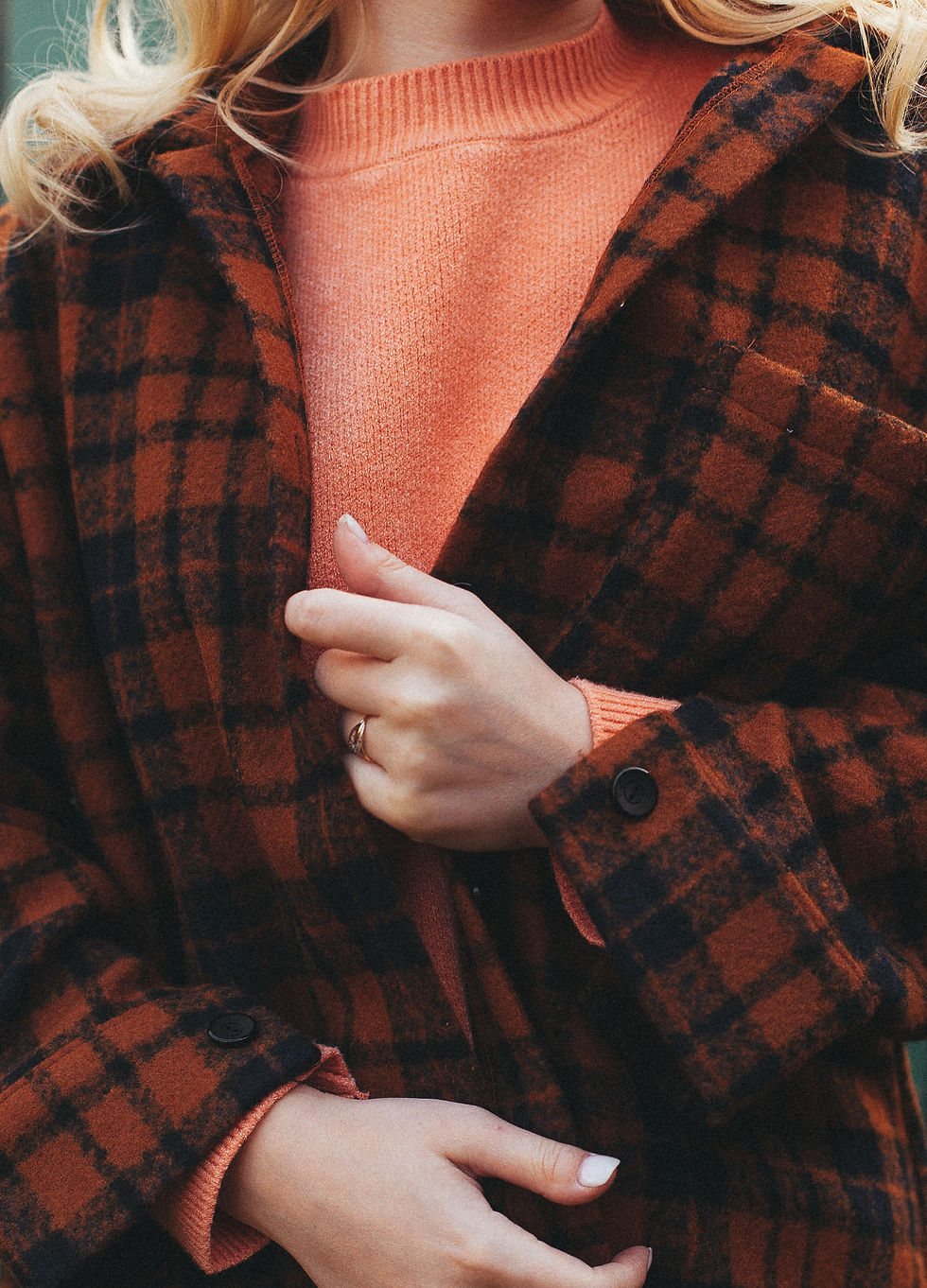
Checks also had the useful quality of making relatively simple garments feel finished. A plain skirt and blouse could look smart, but a checked dress or suit immediately had more personality, even when the cut remained straightforward. In a decade when clothing often needed to balance practicality with a desire to remain well dressed, that made checks an obvious choice. The pattern could be sensible without being dull, which is a trick fashion has continued to rely on ever since.
The 1950s: Gingham Gets Its Moment
If there is one checked pattern strongly associated with the 1950s, it is gingham. Crisp, fresh and wonderfully graphic, it suited the decade’s love of fitted bodices, full skirts and neatly coordinated summer clothes. Red, blue, pink and black gingham all appeared in dresses, blouses and separates, often giving otherwise simple silhouettes an instantly cheerful quality.
The appeal of gingham came partly from its versatility. In cotton, it could feel relaxed enough for everyday wear, yet when used in a beautifully cut dress with a fitted waist and full skirt it could look polished and distinctly feminine. Accessories helped change the mood too; a gingham dress worn with simple flats or sandals felt casual, while gloves, a neat handbag and carefully chosen jewellery could make the same pattern feel far more dressed up. Checks in the 1950s were not confined to gingham, of course, but that neat repeated grid captured the decade’s taste for clothes that were structured, pretty and easy to read at a glance.
The 1960s: Checks Get Bigger and Bolder
The 1960s gave checks a much more graphic personality. As silhouettes became cleaner and fashion increasingly embraced strong colour, simple geometric patterns suddenly had more room to make an impact. Shift dresses, mini skirts and cropped jackets provided almost perfect canvases for bold checks because the shapes themselves were so uncluttered.
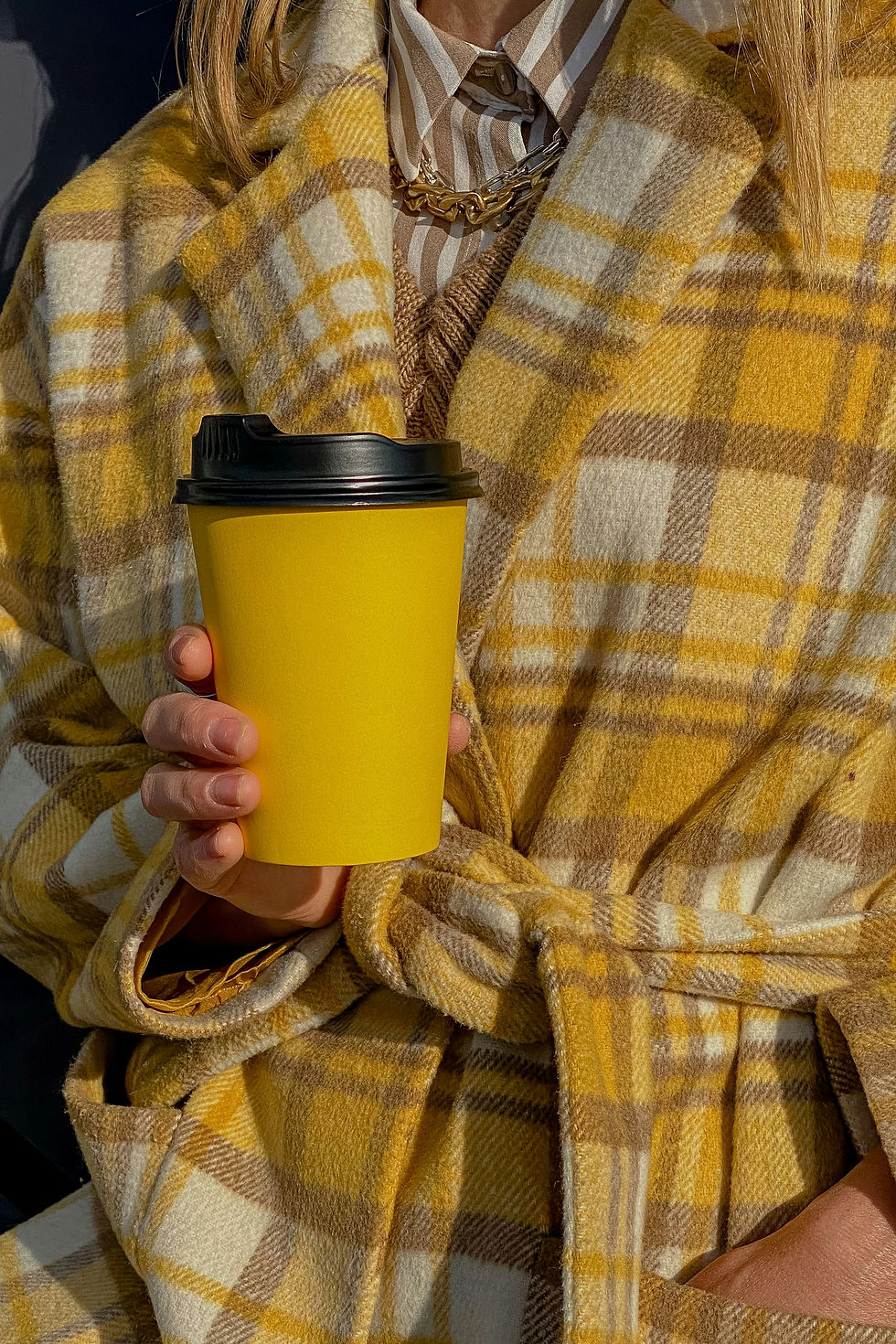
Black-and-white checks were particularly effective, but fashion also embraced strong colour combinations and oversized grids that felt fresh and modern. Rather than blending quietly into a garment, the pattern could become the main event, especially when paired with simple boots, tights or sharply cut outerwear. There was something very modern about the clarity of it all; a dress could be simple in construction yet still look striking simply because the scale and contrast of the check did all the visual work.
The 1970s: From Country Checks to Eclectic Plaid
The 1970s took checked fashion in several directions at once. Country-inspired dressing brought earthy plaids and traditional-looking checks into skirts, jackets and coats, while more colourful versions appeared in flares, shirts and casual separates. The decade’s love of texture also made checks especially effective in wool, brushed fabrics, corduroy-adjacent combinations and heavier winter pieces.
At the same time, the growing popularity of layered and eclectic dressing meant checks no longer needed to look perfectly coordinated. A checked jacket might be worn over a printed blouse, or a plaid skirt could sit alongside suede, denim and knitwear without feeling too busy. This looseness gave the pattern a more relaxed personality than the crisp gingham of the 1950s or the graphic Mod checks of the 1960s. It became part of a broader mix of pattern and texture, and that more informal approach would become increasingly important in later decades.
The 1980s: Checks Mean Business — and Rebellion
Checks fitted neatly into the contrasting personalities of 1980s fashion. On one side, there was polished tailoring: checked blazers, skirts and suits that worked beautifully with the decade’s broad shoulders and increasingly confident approach to workwear. Prince of Wales-style checks, windowpane patterns and other traditional tailoring fabrics could look authoritative without being as severe as a plain suit, particularly when cut into strong, structured shapes.
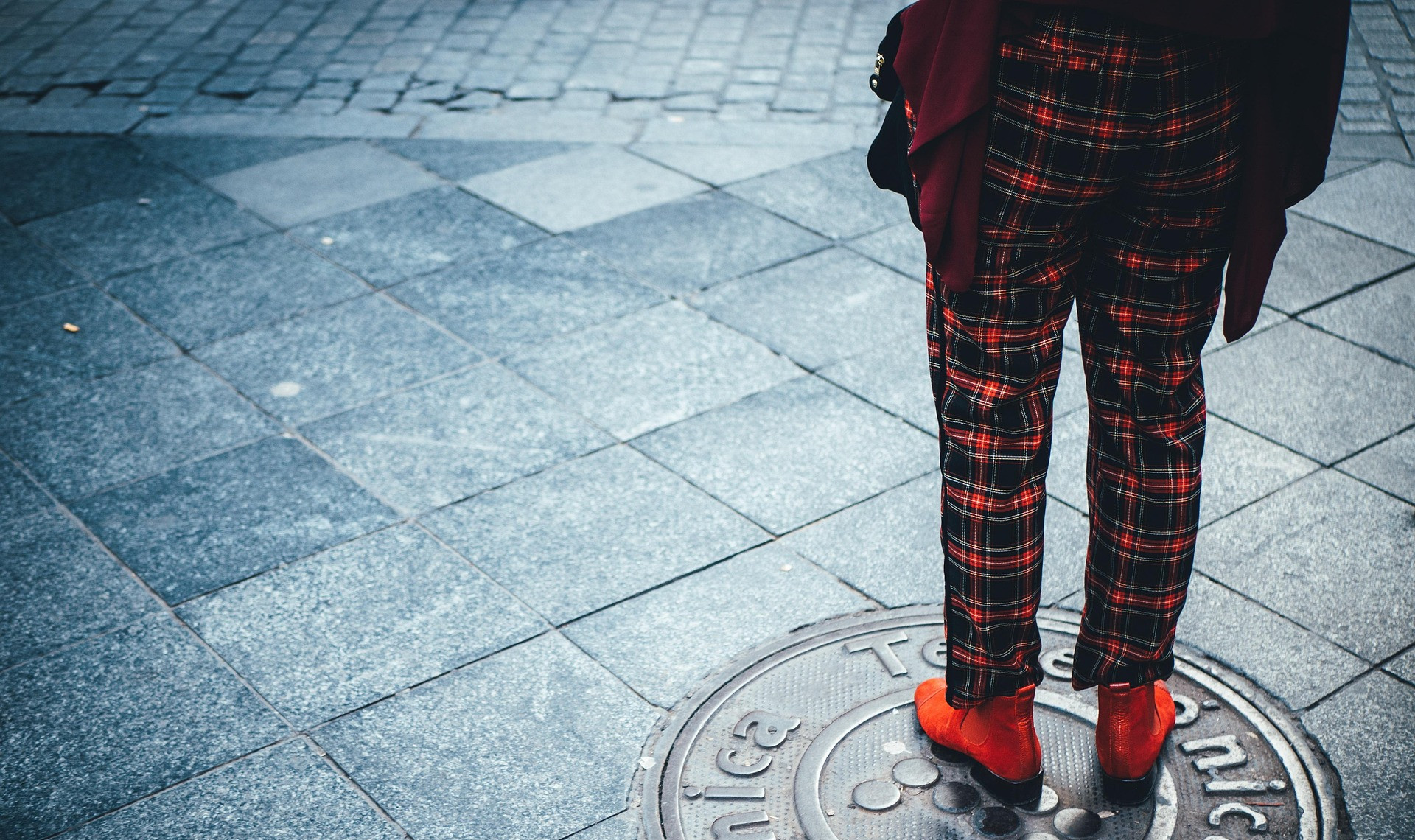
At the other end of the spectrum, tartan and bolder plaids carried a much more rebellious energy. Punk had already transformed the way tartan was perceived, taking a fabric associated with tradition and using it in deliberately provocative combinations with leather, chains, safety pins and ripped clothing. That collision between heritage and rebellion changed the fashion life of tartan permanently. By the 1980s, checks could therefore occupy both the boardroom and the underground scene, which says a great deal about just how flexible the pattern had become.
The 1990s: Grunge Changes the Mood
The 1990s gave plaid another major reinvention, particularly through grunge. Oversized checked shirts worn open over T-shirts or layered with denim and knitwear became one of the decade’s most recognisable casual looks, and the appeal was almost the opposite of the polished checked tailoring of earlier years. The shirt was meant to look easy, practical and slightly thrown on, often with a deliberately oversized fit.
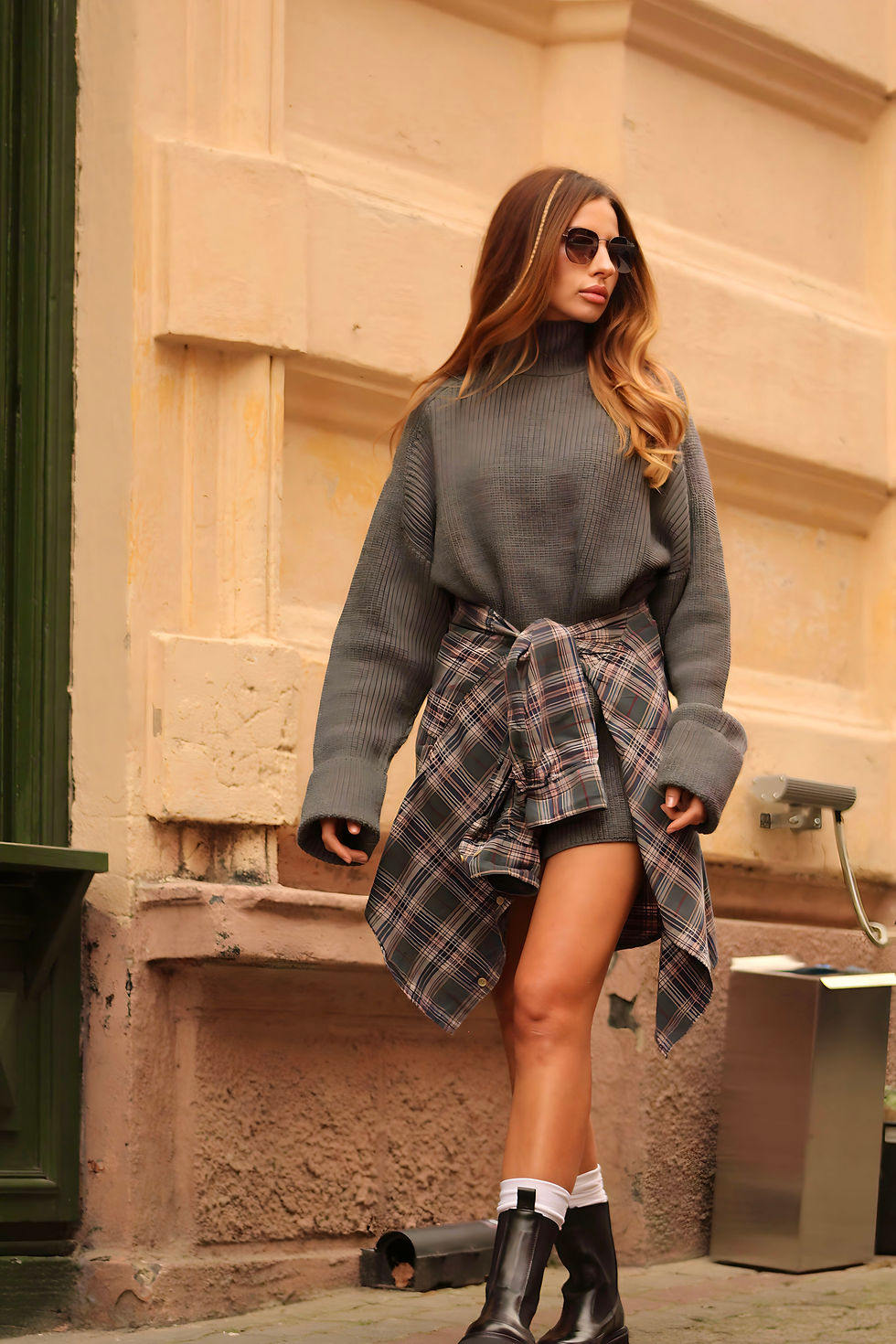
Tartan skirts and checked mini skirts also became highly visible, creating another contrast between neatness and rebellion. A pattern that could once have looked school-like or traditional was now being worn with heavy boots, oversized jumpers and deliberately casual layers. This was one of the reasons checks worked so well in the decade: the pattern itself was familiar, but the styling completely changed the meaning. The same basic grid could look preppy, grunge, minimalist or nostalgic depending on what surrounded it.
Gingham, Tartan, Plaid and Windowpane: What Is the Difference?
The language around checks can become surprisingly confusing because several terms are often used interchangeably in everyday fashion. Gingham usually refers to a simple, evenly sized check created from two colours, often white combined with another shade. It tends to have a crisp, straightforward appearance and is strongly associated with cotton dresses, blouses and summer clothing.
Tartan is more specific, built from intersecting horizontal and vertical bands in multiple colours and historically connected to Scottish traditions and identities. Plaid is often used more loosely in fashion, particularly in American usage, to describe tartan-like or multi-coloured checked fabrics, while windowpane refers to a much larger, more open grid that resembles the divisions of a window. There are countless other variations too, which is part of why checked fashion never becomes visually repetitive. Changing the scale, spacing or colour combination can completely alter the character of the pattern.
Why Checks Keep Coming Back
Checks endure because they manage to be both distinctive and easy to wear. They add pattern without necessarily feeling decorative in the same way as florals or novelty prints, and they can be scaled up or down to suit almost any garment. A tiny gingham check has a very different effect from an enormous plaid, yet both share the same underlying structure, which gives designers endless room to reinterpret the idea.
There is also a useful tension in checked fashion between order and personality. The pattern itself is extremely organised — straight lines crossing at regular intervals — yet its cultural associations can be anything but orderly. Checks can suggest school uniforms, country estates, punk clubs, 1950s picnics, 1980s offices or 1990s music scenes depending on how they are worn. Few patterns can shift identity quite so dramatically while remaining instantly recognisable.
How to Wear Vintage Checks Today
Vintage checks are particularly easy to mix into a modern wardrobe because the pattern already feels familiar. A checked blazer can work with denim and a plain knit, while a gingham dress needs very little styling to feel complete. Tartan skirts are equally adaptable, especially when paired with simpler tops and footwear that keep the overall look from becoming too costume-like.
Mixing checks can work too, although scale is usually the easiest way to keep the combination balanced. A smaller check worn with a larger plaid can feel intentional, while two very similar patterns may compete with one another. That said, vintage fashion is often at its most interesting when the rules loosen slightly, and a boldly checked piece can be a brilliant way to bring colour or texture into an otherwise simple outfit.
What Should You Look for in Vintage Checked Clothing?
With vintage checks, pattern matching can reveal a surprising amount about construction. On better-made garments, the lines may be carefully aligned across seams, pockets or centre fronts, particularly on tailored pieces. Perfect matching is not essential to a good garment, but when it is present it often shows that extra attention went into cutting and assembly.
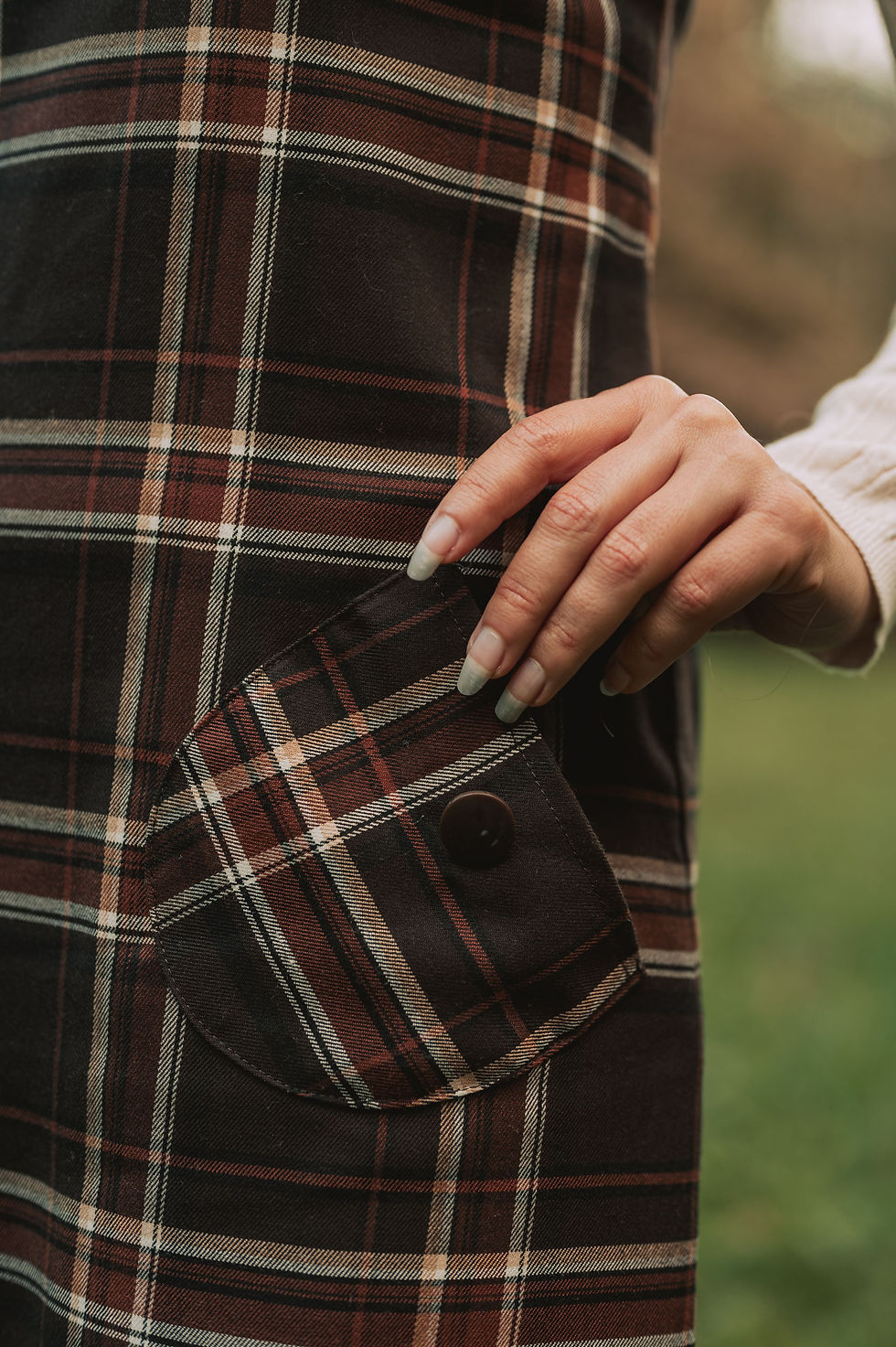
Condition is especially worth checking along folds and stress points because broken threads or fading can be more noticeable when they interrupt a regular pattern. Woollen tartans and heavier plaids should also be inspected carefully for moth damage, while cotton gingham can sometimes show fading after decades of washing. As always, measurements matter more than the original label, particularly with fitted dresses, skirts and vintage tailoring where modern sizing conventions may bear little resemblance to the number inside the garment.
A Pattern That Refuses to Stay in One Lane
Perhaps the most interesting thing about checks is how difficult they are to pin down. They can be conservative or rebellious, polished or casual, nostalgic or completely modern. The same basic idea has moved through decades of fashion while continually picking up new associations, and every generation seems to find a slightly different way of wearing it.
That is the real check effect. The pattern never needs to disappear in order to come back, because it is constantly being reinvented while remaining completely recognisable. From 1950s gingham and bold 1960s grids to punk tartans, 1990s plaid and modern tailoring, checks have proved that repetition does not have to mean predictability.


Comments