


The Shift Dress: The Icon of 1960s Fashion
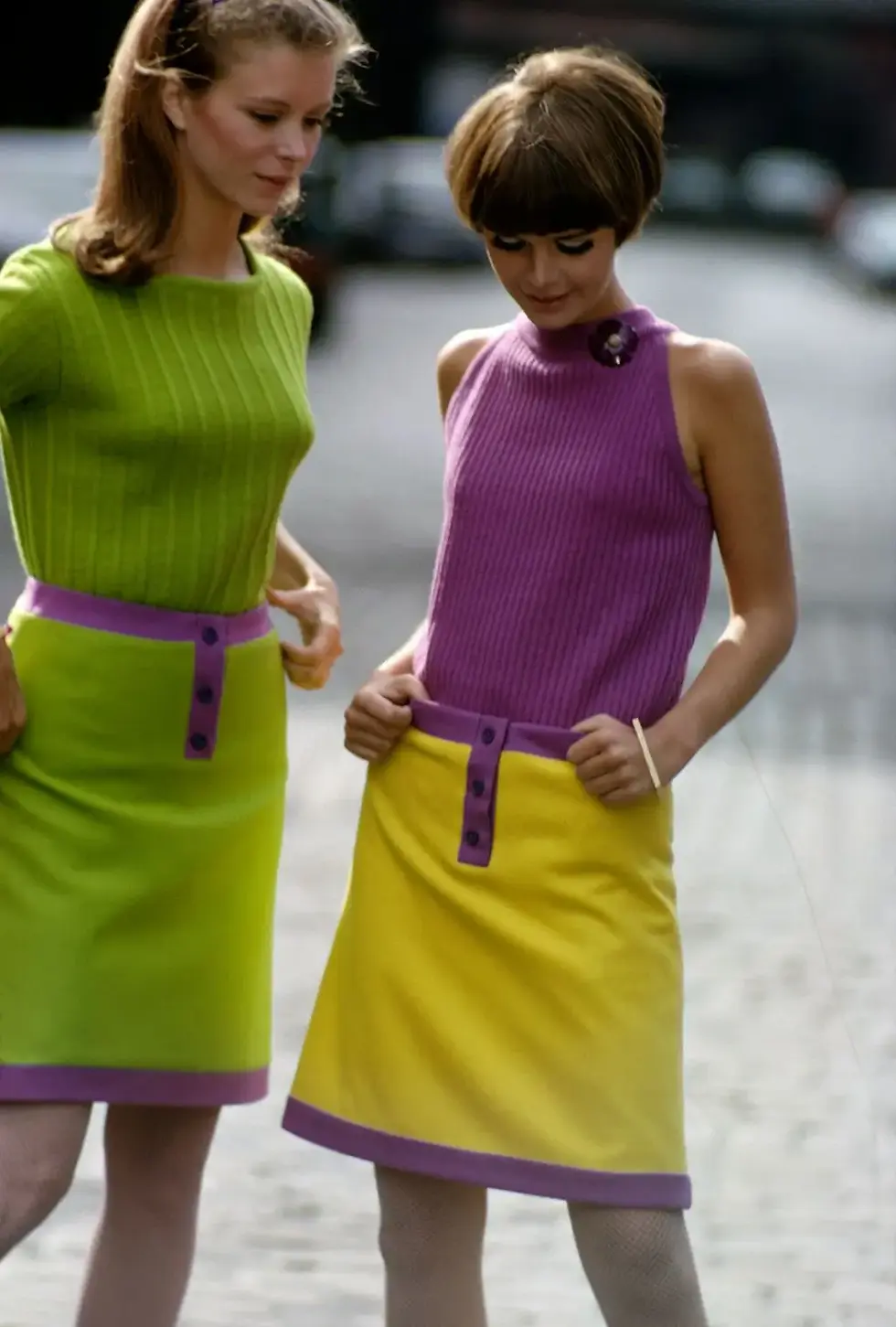
Few garments capture the spirit of the 1960s quite like the shift dress. With its clean lines, simple silhouette and effortless elegance, it became one of the defining fashion pieces of the decade, symbolising a new generation that embraced confidence, freedom and modern style. While fashions have continually evolved, the shift dress remains one of the most recognisable and enduring designs in women's clothing.
Unlike more structured styles, a shift dress falls straight from the shoulders with very little shaping through the waist. This relaxed silhouette allows the fabric to skim the body rather than cling to it, creating a look that feels both comfortable and sophisticated. Whether crafted in bold geometric prints, vibrant block colours or understated neutrals, the simplicity of the design allows fabric, colour and styling to take centre stage.
Although the shift dress is forever associated with the Swinging Sixties, its appeal stretches far beyond a single decade. Vintage originals continue to be sought after for their timeless shape and versatility, proving that great design rarely goes out of fashion.
The Story of the Shift Dress

While the shift dress became a fashion phenomenon during the 1960s, its roots stretch back much further. Early twentieth-century designers had already begun moving away from heavily structured clothing, and the loose, youthful silhouettes of the 1920s hi/????nted at the simplicity that would later define the shift dress. However, it wasn't until the cultural revolution of the 1960s that the style truly found its identity.
As Britain embraced the optimism and creativity of the Swinging Sixties, fashion underwent a remarkable transformation. Young people increasingly wanted clothing that reflected their own generation rather than the styles worn by their parents. Designers responded with fresh ideas, replacing fitted waists and full skirts with clean, modern shapes that felt excitingly different. The shift dress quickly became a symbol of this new approach, offering a stylish alternative that was both practical and effortlessly chic.
Designers including Mary Quant and André Courrèges helped popularise the silhouette, while fashion icons such as Twiggy and Jean Shrimpton introduced it to an international audience. Often worn with bold tights, flat shoes or knee-high boots, the shift dress perfectly captured the z`Åplayful confidence of the decade and became one of the defining garments of the youthquake movement.
More than simply a new fashion trend, the shift dress reflected wider social change. Its uncomplicated silhouette challenged traditional ideas of femininity, celebrating movement, individuality and youthful optimism rather than restrictive tailoring. Decades later, it remains one of the most influential dress styles ever created, continuing to inspire designers and delight vintage lovers around the world.
Why the Shift Dress Changed Fashion
Some garments simply reflect fashion trends, while others redefine them. The shift dress belongs firmly in the second category. At a time when women's clothing was still heavily influenced by fitted waists and carefully structured tailoring, its simple silhouette offered something refreshingly modern. It wasn't designed to emphasise curves or follow traditional ideas of femininity; instead, it celebrated freedom, confidence and individuality.
The shift dress became closely associated with the youthful optimism of the 1960s. As music, art and popular culture evolved, fashion followed suit, embracing bold colours, graphic prints and clean, architectural lines. The uncomplicated shape of the shift dress provided the perfect canvas for these exciting new ideas, allowing designers to experiment with striking patterns, colour blocking and innovative fabrics without distracting from the overall silhouette.
Its popularity also reflected wider social change. Young women increasingly wanted clothes that suited active, independent lives rather than formal occasions alone. Easy to wear and effortlessly stylish, the shift dress captured this changing attitude perfectly. It could be playful, sophisticated or daring depending on how it was styled, making it one of the most versatile garments of the decade.
More than sixty years later, the influence of the shift dress can still be seen throughout modern fashion. Designers continue to revisit its clean lines and understated elegance, proving that simplicity often has the greatest lasting impact.
Why the Shift Dress Still Feels Modern
One of the greatest strengths of the shift dress is its remarkable ability to feel contemporary, regardless of changing fashion trends. While many vintage styles are closely tied to a particular era, the clean silhouette of the shift dress has an effortless quality that allows it to sit comfortably alongside modern wardrobes.

Its versatility is a large part of its enduring appeal. A simple shift dress can be worn with trainers for a relaxed daytime look, paired with ankle boots for a more contemporary feel or dressed up with classic heels and statement jewellery for special occasions. Whether styled with minimalist accessories or bold vintage pieces, it remains elegant without ever feeling overcomplicated.
Vintage originals are particularly prized because of their quality and individuality. Bright geometric prints, beautifully textured fabrics and carefully tailored construction give each dress its own personality, offering something far removed from today's mass-produced fashion. Many original 1960s examples still look remarkably fresh, demonstrating just how timeless good design can be.
Perhaps that's the secret to the shift dress's lasting success. It never relied on elaborate decoration or passing trends to make an impression. Instead, it proved that a beautifully cut garment, worn with confidence, could become one of the most influential fashion designs of the twentieth century—and one that continues to inspire new generations today.
Frequently Asked Questions
What is the difference between a shift dress and a sheath dress?
Although they are often confused, a shift dress has a relaxed, straight silhouette that skims the body with very little shaping. A sheath dress is more closely fitted, following the body's natural curves and often featuring darts or tailored seams for a more structured look.
Were shift dresses popular in the 1960s?
Yes. The shift dress became one of the defining fashions of the Swinging Sixties, worn by style icons such as Twiggy and Jean Shrimpton. Its simple silhouette perfectly reflected the youthful, modern spirit of the decade and remains closely associated with 1960s fashion today.
Are vintage shift dresses still fashionable?
Absolutely. Their clean lines and timeless design make vintage shift dresses just as wearable today as they were decades ago. Original examples are especially sought after for their quality, distinctive prints and authentic vintage charm.
How can you tell if a shift dress is vintage?
Authentic vintage shift dresses often feature period labels, high-quality construction and fabrics typical of their era. Original examples may also include metal zips, hand-finished details and distinctive prints or colour combinations that reflect the fashions of the 1960s and 1970s.
Can shift dresses be worn for both casual and formal occasions?
Yes. One of the reasons the shift dress has remained so popular is its versatility. It can be dressed down with flats or trainers for everyday wear, or styled with heels, jewellery and a tailored jacket for weddings, parties or evening events.

Comments