


The Sweater Girl: When Knitwear Became Glamorous
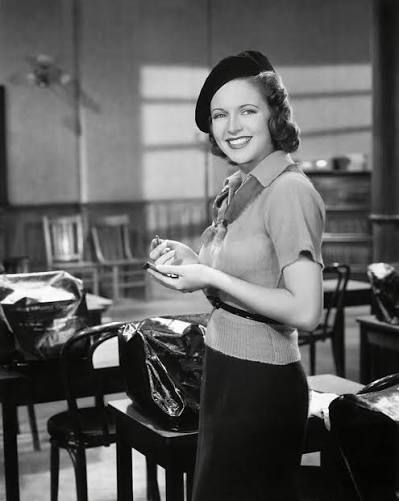
Knitwear has not always occupied the comfortable, practical corner of the wardrobe that we tend to associate with it today. There was a period when a simple fitted jumper could be every bit as glamorous as an evening blouse, and during the 1940s and 1950s it became closely tied to one of the most recognisable silhouettes of post-war fashion. The woman wearing it became known as the “Sweater Girl”, a phrase that conjures Hollywood publicity photographs, softly curled hair, neat pencil skirts and fine-gauge knits worn close to the body.
The look is sometimes remembered rather narrowly as a pin-up style, but there is much more to its story. Knitwear itself was changing, becoming softer, finer and increasingly fashionable, while Hollywood was helping to turn casual clothes into objects of aspiration. At the same time, foundation garments were creating the very particular shape that we now associate with the period. Put those ingredients together and the humble jumper found itself transformed from practical sportswear into something distinctly glamorous.
Before There Was a Sweater Girl
Sweaters had already travelled quite a distance before Hollywood discovered their potential. Knitwear had traditionally been associated with warmth, sport and practical clothing, but by the 1920s designers including Jean Patou and Coco Chanel were helping to make knitted garments fashionable in their own right. Elsa Schiaparelli took knitwear in a more playful direction during the following decade, while fine cashmere sweaters were also becoming increasingly desirable. By the 1930s, a jumper no longer necessarily suggested golf, sailing or keeping warm; it could be an elegant part of a fashionable woman's wardrobe.
What changed towards the end of the decade was the way the sweater was worn against the body. Instead of being loose or obviously sporty, finer knits could follow the figure closely, creating a very different silhouette. The fabric itself did not need elaborate decoration because its appeal came from the line it created, particularly when paired with the increasingly structured undergarments of the period.
That combination would soon attract Hollywood's attention, and once the studios discovered how striking a fitted sweater could look on screen and in publicity photography, there was very little chance of it quietly returning to the sports field.
Hollywood Creates the Sweater Girl
Lana Turner is generally credited with giving the Sweater Girl her name after appearing in the 1937 film They Won't Forget wearing a close-fitting knit top. The image attracted attention, Hollywood publicity seized upon it, and “Sweater Girl” became one of those wonderfully direct show-business labels that told audiences exactly what they were supposed to notice. The term later became associated with other stars and pin-ups during the 1940s and 1950s rather than remaining Turner's alone.
Hollywood had an enormous ability to turn relatively ordinary clothes into objects of desire. A jumper was attainable in a way that an elaborate film costume was not, so the look could travel remarkably easily from the cinema screen into everyday wardrobes. Women did not need a designer evening gown to borrow a little film-star glamour; a well-fitting sweater, skirt and carefully styled hair could create a recognisably fashionable silhouette using clothes that made sense for ordinary life.
It is worth remembering, too, that the Sweater Girl image was largely constructed through the male-dominated publicity culture of the period. The term deliberately drew attention to the female figure, and contemporary commentary could be simultaneously admiring and disapproving. Yet women themselves also adopted fitted knitwear because it was fashionable, versatile and accessible, which makes the history more interesting than simply reducing the look to Hollywood sex appeal.
The 1940s: Knitwear Comes Into Its Own
```````````````````````````````````````````````````````````
During the 1940s, fitted jumpers and cardigans became increasingly useful wardrobe pieces. They worked with the practical skirts and trousers women were already wearing, could be layered when necessary and required less fabric than many more elaborate garments. Fashion did not stop during wartime; instead, women became adept at making practical clothing feel personal through colour, accessories, hand knitting and decorative details.
The fashionable jumper tended to be relatively short, finishing neatly around the waist so that it worked with higher-waisted skirts and trousers. Sleeves might be short or long, necklines varied considerably, and small details such as collars, buttons or embroidery could change the character of an otherwise simple knit. Home knitting was important too, allowing women to reproduce fashionable shapes while choosing their own yarns and colours.
Hollywood gave this practical garment another life. Actresses photographed in fitted knits helped position the sweater somewhere between casual wear and glamour, and that dual identity was enormously useful. A woman could wear one during the day without feeling overdressed, while the right combination of skirt, jewellery and grooming could make the very same garment look decidedly polished. Knitwear had learnt one of fashion's most valuable tricks: how to do several jobs at once.

The Shape Beneath the Sweater
A genuine Sweater Girl silhouette was not created by knitwear alone. Foundation garments played a major part, particularly the pointed or conical bras that became associated with 1940s and 1950s fashion. Worn beneath a closely fitted jumper, they created the distinctive projected bustline that appears so frequently in photographs from the period. Research into post-war lingerie has shown how commercially produced conical bra designs helped sustain this silhouette well into the 1950s and beyond.

This is important when looking at vintage photographs because modern eyes can easily assume that the sweater itself was responsible for the shape. In reality, the knitted fabric simply followed the architecture underneath it. Waistlines were generally high and clearly defined too, so a fitted sweater tucked into a pencil skirt or full skirt emphasised the contrast between bust and waist that was central to the fashionable feminine silhouette.
It also explains why trying to reproduce the look today by simply putting on a tight jumper rarely gives quite the same result. Clothes and underwear worked together much more deliberately than we sometimes realise, and changes beneath the clothing could alter the apparent shape of an entire outfit.
The 1950s: The Sweater Girl Reaches Her Peak
By the 1950s, the fitted sweater had become firmly established as a fashionable wardrobe staple. Fine-gauge knits were particularly effective because they followed the body's line without adding bulk, while soft fibres such as cashmere and angora introduced another layer of luxury. The Sweater Girl look was increasingly associated with the glamorous hourglass ideal of the decade, but it also filtered into everyday dressing in much quieter forms.
A simple short-sleeved sweater tucked into a skirt could create a neat day outfit, while a cardigan allowed for layering and a slightly more conservative effect. Colour played an important role, with everything from soft pastels to richer jewel tones offering an easy way to change the mood.

Necklines varied from modest crews to boat necks and deeper shapes, meaning there was far more variety within the look than the familiar pin-up photographs might suggest.
The sweater also worked with both of the decade's dominant skirt silhouettes. Worn with a pencil skirt, it emphasised a long, narrow line through the lower body; paired with a full skirt, it provided a close-fitting counterpoint to all that volume. Either way, the relatively simple upper half allowed the proportions of the whole outfit to remain beautifully clear.
When Knitwear Became Eveningwear
One of the loveliest parts of mid-century knitwear is that designers did not necessarily accept the idea that a sweater belonged only in daytime wardrobes. Decorated evening sweaters appeared during the 1940s and became an important part of 1950s dressing, embellished with beads, sequins, embroidery, rhinestones, appliqué and occasionally luxurious trims.
These pieces could be remarkably elaborate, particularly when compared with the plain jumpers we might instinctively picture when somebody mentions vintage knitwear. A beautifully beaded cardigan worn with a skirt could create an evening outfit without the need for a conventional cocktail dress, while sequins or embroidered details caught the light in much the same way as jewellery.
It is a useful reminder that older wardrobes often made less rigid distinctions between categories than we do when looking back at them. Knitwear could be practical, decorative, youthful, glamorous or luxurious depending entirely on the yarn, cut and finishing. The Sweater Girl may have made the close-fitting jumper famous, but she existed alongside a much broader world of fashionable knits.
The Twinset Offers Another Kind of Glamour
Not every fashionable knit needed to cling dramatically to earn attention. The twinset offered a more polished interpretation, pairing a sleeveless or short-sleeved knitted top with a coordinating cardigan. Cashmere versions became particularly desirable, and the matching combination fitted beautifully with the increasingly coordinated approach to dressing that characterised much 1950s fashion.

The appeal was partly practical. The cardigan could be worn or removed according to temperature and occasion, while the matching pieces created an instantly finished look. Pearls, a scarf or a brooch could shift it towards something smarter, while worn more simply it remained perfectly suitable for daytime.
This slightly more restrained side of knitwear helps explain why the Sweater Girl influence spread so widely. Women did not need to adopt the most exaggerated Hollywood version of the look. The underlying ideas — soft knitwear, a neat waist, careful fit and a feminine silhouette — could be adapted to suit very different wardrobes.
What Happened to the Sweater Girl?
As fashion moved through the 1960s, the highly constructed hourglass silhouette gradually lost its dominance. Youth fashion favoured straighter shapes, mini skirts and increasingly relaxed approaches to the body, while underwear changed too. Knitwear certainly did not disappear, but it began to tell a different story.
Ribbed tops, polo necks, sleeveless knits and brightly coloured sweaters fitted more naturally with the new silhouette. Rather than deliberately creating the pronounced bust-and-waist proportions of the Sweater Girl, these later styles could appear streamlined, graphic or even deliberately boyish.

The name faded, but the idea of glamorous knitwear never really did. The 1970s rediscovered fitted ribbed sweaters, the 1990s embraced close-fitting fine knits and cropped cardigans, and fashion has returned repeatedly to fluffy angora-like textures, neat twinsets and figure-skimming jumpers. Each revival changes the proportions slightly, but the basic discovery remains the same: knitwear does not have to look practical simply because it is practical.

Why Vintage Knitwear Still Feels Special
Good vintage knitwear often has a level of detail that makes it particularly satisfying to find. Fine-gauge construction, beautifully shaped necklines, decorative buttons, embroidery and hand-finished embellishment can turn what appears at first to be a simple jumper into something much more distinctive.
Fit matters enormously. Mid-century knitwear was often intended to sit relatively close to the body and finish around the natural waist, which can make the proportions feel quite different from a modern oversized jumper. That shorter length is particularly useful with high-waisted trousers and skirts, where it creates a naturally balanced silhouette without needing to tuck large amounts of fabric into the waistband.
The fibres vary too, from wool and cashmere to angora blends and later synthetics. Each behaves differently, and condition is especially important because moth damage, felting, stretching and weakened seams can all affect older knits. Measurements are usually more useful than the original size label, particularly because a garment's fit can change considerably depending on how much stretch remains in the fabric.
How to Wear the Sweater Girl Look Today
The easiest approach is to borrow the proportions rather than attempting to recreate every historical detail. A fine knit worn with high-waisted trousers, a pencil skirt or a fuller midi skirt gives a clear nod to the original look without requiring vintage foundation garments, perfectly set curls and a pair of gloves before breakfast.
A cardigan works particularly well if you prefer something less fitted, while a decorative vintage knit can become the focus of an outfit when paired with simple modern pieces. Denim is especially useful for taking some of the formality out of beaded or embellished knitwear, allowing a garment that might once have been kept for smarter occasions to become much easier to wear.

That, ultimately, is what makes the Sweater Girl such an interesting chapter in fashion history. She emerged at a moment when knitwear was shedding its purely practical associations and discovering just how glamorous it could be, helped along by Hollywood, changing foundation garments and a generation of women who found endless ways to make the humble sweater their own. Long after the nickname disappeared, the lesson remained: sometimes the most seductive piece in the wardrobe is not the extravagant dress at all, but the beautifully cut jumper that fits just right.


Comments