


Understanding Shop Curated Vintage Fashion
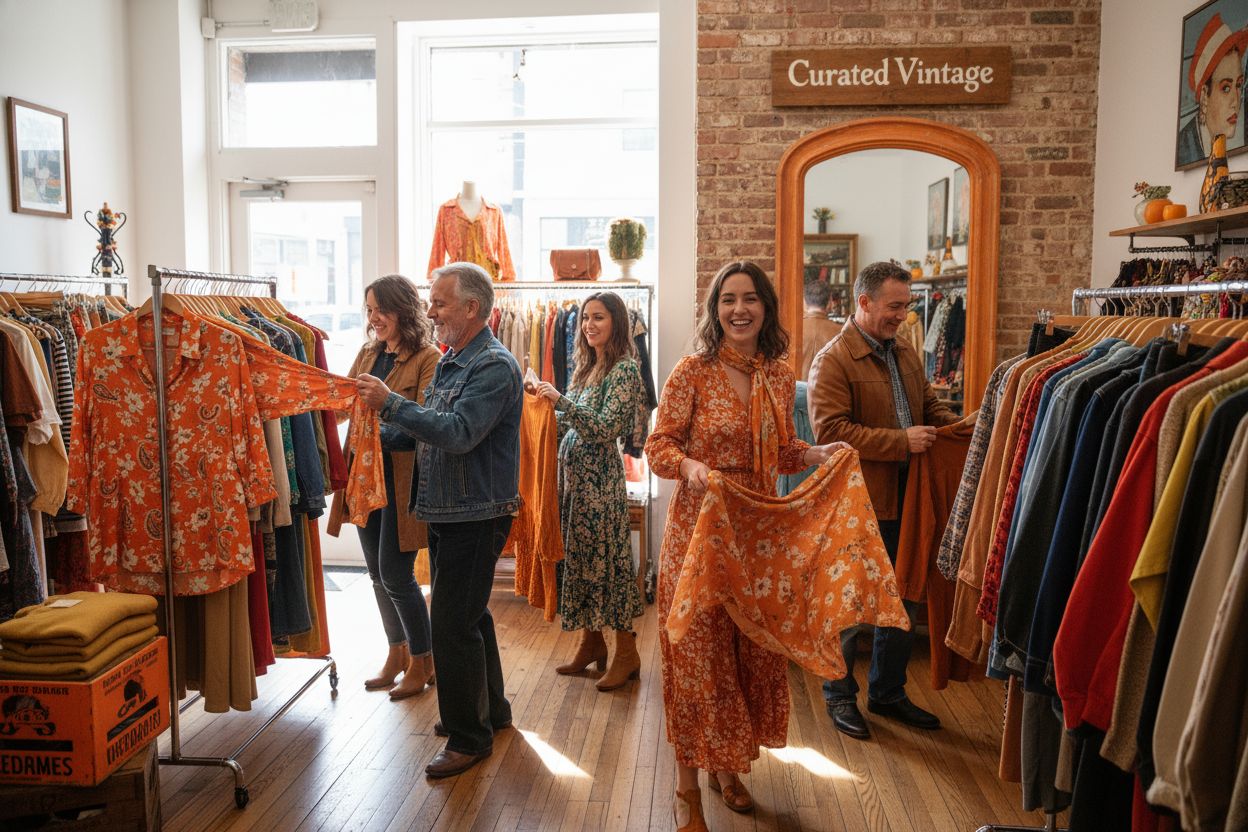
Curated vintage fashion is rewriting the story of how we value old clothes. Picture this. Buying just one second-hand item can save up to 73% of the carbon emissions produced by a new garment. Most people think vintage is about rummaging through piles and hoping for treasure, but true curation means each piece is handpicked, authenticated, and full of history. The real surprise is that these carefully chosen garments do more than look stylish—they preserve culture, protect the planet, and keep local businesses thriving all at once.
Table of Contents
Quick Summary
Takeaway | Explanation |
Curated vintage tells a story | Each piece represents historical periods and cultural contexts, adding depth to fashion choices. |
Vintage shopping supports sustainability | Buying second-hand clothing reduces waste and conserves resources in the textile industry. |
Unique craftsmanship enhances value | Vintage garments showcase superior materials and techniques, offering long-lasting quality. |
Personal style through vintage is powerful | Curated vintage allows individuals to express unique identities and cultural narratives. |
Supporting local vintage boosts economies | Purchases from independent sellers help sustain local businesses and entrepreneurial efforts. |
What Does Curated Vintage Mean?
Curated vintage represents a thoughtful and intentional approach to selecting and presenting vintage clothing and accessories that goes far beyond simply gathering old garments. Unlike random second-hand shopping, curated vintage involves meticulous selection, expert authentication, and careful presentation of historical fashion pieces that tell a compelling narrative.
The Essence of Curation
At its core, curated vintage is about storytelling through fashion. Experts and passionate collectors carefully select pieces that represent specific historical periods, design movements, or cultural moments. Curating vintage collections requires deep knowledge of fashion history, textile quality, and design evolution.
These professionals evaluate each piece based on multiple criteria:
Authenticity: Verifying the genuine origin and period of the garment
Condition: Assessing the overall preservation and potential restoration needs
Historical Significance: Understanding the piece’s cultural and design context
Design Quality: Examining craftsmanship, materials, and construction techniques
Why Curation Matters
The British Fashion Council highlights that curated vintage transforms clothing from mere fabric into living historical artifacts. Each carefully selected piece represents more than just fashion it embodies the social, cultural, and artistic expressions of its time.
For vintage fashion enthusiasts, curated collections offer a museum-like experience where every garment is a carefully chosen representation of a specific aesthetic, era, or design philosophy. This approach ensures that vintage pieces are not just old clothes, but meaningful historical documents that connect us to past creative expressions.
To clarify the different aspects evaluated in curated vintage and how they contribute to the value of each piece, the following table outlines the key criteria and what each one entails.
Criteria | What It Involves |
Authenticity | Verifying the genuine origin and historical period of the garment |
Condition | Assessing overall preservation and identifying any restoration requirements |
Historical Significance | Placing the item in the wider context of culture, design, and era |
Design Quality | Examining craftsmanship, material choices, and construction techniques |
The Environmental Impact of Vintage Shopping
Vintage shopping is more than a fashion statement it represents a powerful strategy for reducing the fashion industry’s substantial environmental footprint. By choosing pre-existing clothing, consumers actively participate in sustainable consumption practices that significantly mitigate the ecological consequences of modern textile production.
Reducing Fashion’s Carbon Footprint
Sustainable fashion choices provide a remarkable alternative to fast fashion’s wasteful production cycles. The textile industry is responsible for approximately 10% of global carbon emissions, making vintage shopping a critical intervention in environmental preservation.
The environmental benefits of vintage shopping include:
Waste Reduction: Preventing clothing from ending up in landfills
Resource Conservation: Eliminating the need for new textile manufacturing
Energy Savings: Avoiding the extensive water and energy consumption associated with new garment production
Chemical Pollution Prevention: Reducing the demand for new textile chemical treatments
Quantifying the Ecological Impact
According to the Ellen MacArthur Foundation, purchasing a single second-hand item can save up to 73% of the carbon emissions compared to buying a new garment.
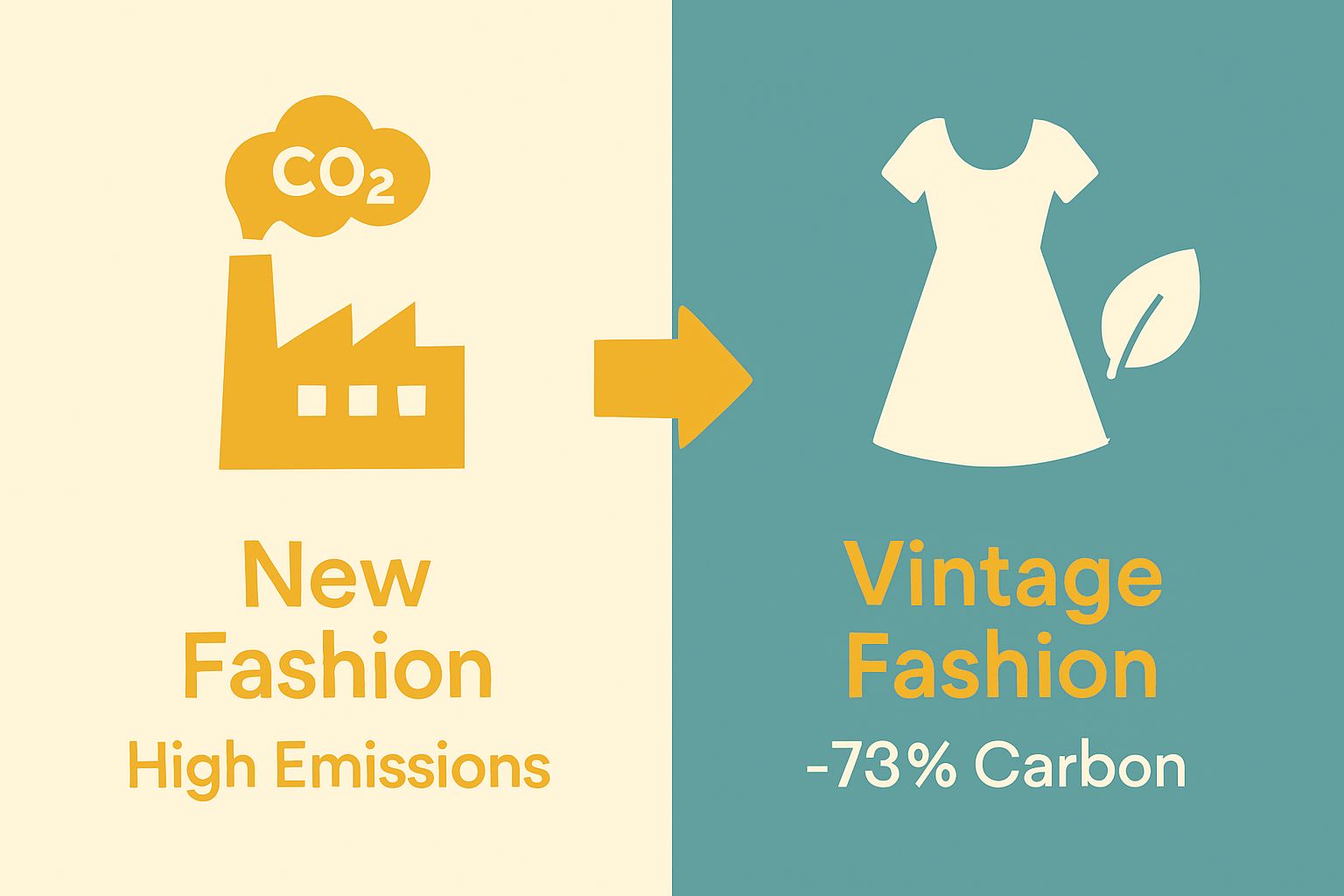
This statistic underscores the significant environmental advantage of vintage shopping.
Moreover, vintage clothing inherently promotes a circular economy model, where garments are reused, repurposed, and appreciated across multiple lifecycle stages. By extending the useful life of existing textiles, vintage shoppers directly contribute to reducing the fashion industry’s environmental burden and challenging the unsustainable ‘take-make-dispose’ approach of contemporary clothing production.
The table below presents a summary of the environmental impact statistics and benefits associated with vintage shopping, as described in the article.
Environmental Aspect | Impact/Statistic |
Carbon Emissions | Saves up to 73% compared to buying a new garment |
Waste Reduction | Prevents clothing from ending up in landfills |
Resource Conservation | Eliminates need for new textile manufacturing |
Energy Savings | Avoids extensive water and energy consumption of new garment production |
Chemical Pollution | Reduces demand for new textile chemical treatments |
Support for Circular Economy | Extends garment lifecycle and fosters reuse |
The Allure of Unique Design and Quality
Vintage fashion transcends mere clothing it represents a celebration of exceptional craftsmanship, distinctive design, and historical artistic expression. Each vintage piece tells a nuanced story of creative innovation that contemporary mass-produced fashion rarely achieves.
Craftsmanship Beyond Compare
Iconic vintage designers understood that clothing was an art form, not just a commodity. In past decades, garment construction involved meticulous handcrafting techniques that prioritized quality over quantity, resulting in clothing built to endure generations.
Key hallmarks of vintage design quality include:
Superior Fabric Selection: Natural fibres like silk, wool, and high-grade cotton
Precision Tailoring: Hand-finished seams and intricate construction details
Detailed Embellishments: Unique buttons, hand-embroidered elements, and complex structural designs
Thoughtful Pattern Cutting: Designs that enhance body movement and individual silhouettes
Historical Design Narrative
According to the Museum of London, vintage pieces represent more than aesthetic choices they document social movements, technological innovations, and cultural transformations. A 1950s Dior dress, for instance, is not just a garment but a testament to post-war fashion revolution and women’s changing societal roles.
Unique vintage design offers fashion enthusiasts an opportunity to own wearable art that reflects specific historical moments. Unlike contemporary fast fashion, these pieces carry intrinsic value through their exceptional construction, historical significance, and ability to communicate complex cultural narratives through textile and design.
The following table highlights the key characteristics that distinguish vintage fashion craftsmanship and design from contemporary mass-produced clothing.
Characteristic | Description |
Superior Fabric Selection | Emphasis on high-quality natural fibres such as silk, wool, and fine cotton |
Precision Tailoring | Hand-finished seams and intricate construction details |
Detailed Embellishments | Unique buttons, hand-embroidery, and complex structural features |
Thoughtful Pattern Cutting | Designs focus on movement and enhancing individual silhouettes |
Historical Narrative | Garments reflect artistic movements and social change of their respective eras |
Curated Vintage as a Statement of Personal Style
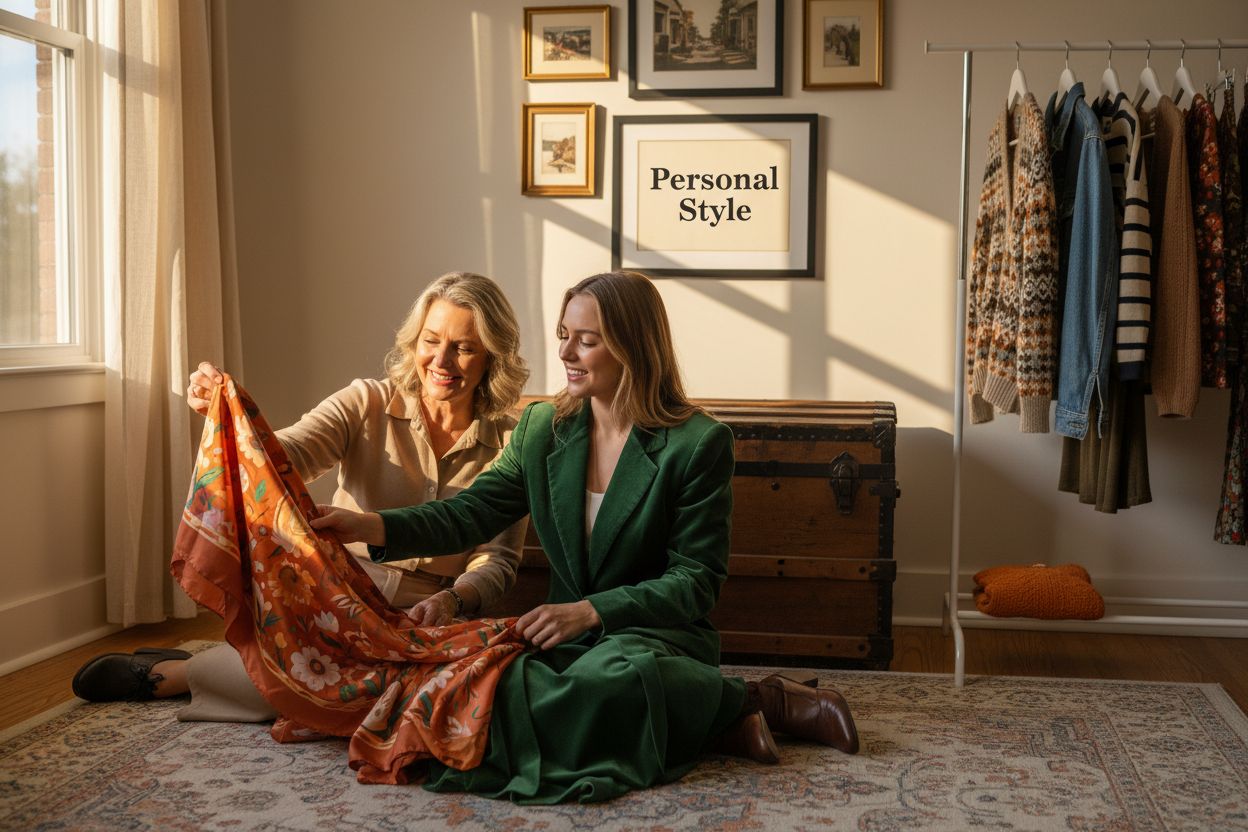
Curated vintage transcends traditional fashion it is a profound method of personal expression that allows individuals to communicate their unique identity, cultural appreciation, and aesthetic sensibilities through carefully selected historical garments.
Beyond Mere Clothing
Understanding the timelessness of vintage style reveals how clothing becomes a narrative medium. Each curated vintage piece represents more than fabric and thread it embodies a deliberate choice to reject homogeneous contemporary fashion and embrace individuality.
Key elements of personal style through vintage curation include:
Narrative Construction: Selecting pieces that reflect personal history or cultural connection
Emotional Resonance: Choosing garments that evoke specific feelings or memories
Artistic Self-Expression: Using clothing as a canvas for personal storytelling
Cultural Commentary: Making subtle statements about societal trends and personal values
Psychological Dimensions of Personal Style
According to psychological research from Fashion and Identity Studies, clothing functions as a critical form of non-verbal communication. Vintage fashion enthusiasts leverage this principle by strategically assembling wardrobes that communicate complex personal narratives.
By selecting vintage pieces, individuals signal their appreciation for craftsmanship, sustainability, and historical depth. This approach to personal style goes beyond trends it represents a thoughtful, intentional method of self-presentation that celebrates individual creativity and rejects the disposable nature of contemporary fast fashion.
Supporting Local Economies and Small Businesses
Vintage shopping represents far more than a fashion choice it is a powerful economic strategy that directly supports independent sellers, small businesses, and local entrepreneurial ecosystems. By choosing curated vintage, consumers become active participants in sustaining diverse, community-driven economic models.
Economic Empowerment Through Vintage
Vintage shopping online enables individuals to make meaningful economic contributions that extend beyond traditional retail transactions. These purchases create vital economic pathways for independent vintage collectors, researchers, and small-scale fashion entrepreneurs.
Key economic benefits of supporting vintage businesses include:
Direct Economic Support: Funds go directly to individual sellers and small businesses
Preservation of Specialised Skills: Supporting craftspeople who restore and curate vintage pieces
Diversification of Retail Ecosystems: Creating alternatives to corporate fashion monopolies
Encouragement of Entrepreneurial Innovation: Providing economic incentives for unique business models
Multiplier Effects of Local Fashion Economies
According to economic research from the UK Small Business Federation, local and independent businesses generate significantly higher local economic circulation compared to large corporate retailers. When consumers purchase from vintage sellers, approximately 63% of their spending remains within local economic networks, compared to just 14% from mainstream retail purchases.
This economic model transforms vintage shopping from a personal style choice into a form of community investment. By valuing individual sellers’ expertise, creativity, and preservation efforts, consumers contribute to a more resilient, diverse, and sustainable economic landscape that celebrates craftsmanship and individual entrepreneurship.
To illustrate the economic benefits of shopping curated vintage, the following table summarises the impacts on local economies and small businesses as presented in the article.
Economic Benefit | Description |
Direct Economic Support | Purchases directly fund individual sellers and small vintage businesses |
Preservation of Specialised Skills | Supports craftspeople engaged in garment restoration and selection |
Diversification of Retail Ecosystems | Offers alternatives to corporate fashion chains |
Encouragement of Innovation | Provides incentives for unique and entrepreneurial business models |
Local Economic Circulation | Up to 63% of spending remains in the local economy (vs 14% for mainstream retail) |
Elevate Your Style with Authentic Curated Vintage from My Vintage
Are you passionate about making sustainable fashion choices while expressing a style that is truly your own? If you have ever struggled to find vintage pieces that are both authentic and carefully selected, you are not alone. Many vintage lovers feel frustrated by the lack of quality curation and miss the chance to own meaningful garments that tell real stories. At My Vintage, we solve this problem by offering expertly curated collections sourced from the 1940s to the 1990s, ensuring every item brings history, quality craftsmanship, and individuality into your wardrobe. Our platform celebrates everything you value about curated vintage fashion, so you never have to compromise on authenticity or sustainability.
Why not experience the difference for yourself? Discover our handpicked selection and feel the true impact of curated fashion at My Vintage. Take the next step today and explore pieces that help you stand out, support eco-friendly shopping, and celebrate timeless style. Your unique wardrobe starts here, so visit now and transform the way you shop vintage.
Frequently Asked Questions
What does curated vintage fashion mean?
Curated vintage fashion refers to a carefully selected collection of historical garments that are chosen for their authenticity, condition, and cultural significance. To explore curated vintage, consider visiting local boutiques or online platforms that specialise in this thoughtful selection process.
How does shopping for curated vintage fashion support sustainability?
Shopping for curated vintage fashion significantly reduces waste and carbon emissions by extending the life of existing garments instead of purchasing new ones. Start by incorporating vintage pieces into your wardrobe, which can save up to 73% of carbon emissions compared to buying new clothing.
Why should I choose curated vintage over fast fashion?
Choosing curated vintage over fast fashion allows you to embrace unique designs and high-quality craftsmanship while making a sustainable fashion statement. Assess your current wardrobe and swap out a few fast fashion pieces for curated vintage items to reflect your personal style and values.
How can curated vintage fashion reflect my personal style?
Curated vintage fashion offers a way to express your individuality through unique pieces that resonate with your personal narrative and aesthetic preferences. Begin by selecting items that have special significance for you or that evoke specific memories or emotions to create a wardrobe that tells your story.
What are the economic benefits of shopping for curated vintage fashion?
Shopping for curated vintage fashion directly supports small businesses and local artisans, contributing to the sustainability of local economies. To make an impact, consider allocating a portion of your clothing budget to vintage purchases, helping your community thrive economically while enjoying distinctive, quality garments.
How does curated vintage fashion promote cultural appreciation?
Curated vintage fashion allows you to engage with and appreciate the historical and cultural context of each piece, making fashion a form of storytelling. To deepen your understanding, research the history and significance of selected pieces in your collection, enhancing your appreciation for the artistry and craftsmanship behind them.
Recommended

Comments