


Top Tips for Vintage Designers Sourcing Outfits

Sourcing truly authentic vintage fashion can feel overwhelming when you are faced with racks of garments from every decade and no clear way to judge what is genuine. If you want to build collections that stand out, you need more than just an eye for style. The right knowledge helps you spot historical details, verify authenticity, and select pieces that fit your design vision without risking costly mistakes.
This guide gives you the practical tools every vintage designer needs, from recognising key eras and reading labels, to finding the best suppliers and preserving delicate fabrics. You will discover how to combine period accuracy with modern appeal, avoid common pitfalls, and make choices with confidence. Every insight is crafted to help you source vintage outfits that tell compelling stories and deliver lasting value.
Table of Contents
1. Understand the Key Eras and Their Distinct Styles
Understanding the unique characteristics of different vintage fashion eras is fundamental for designers seeking to source authentic and representative outfits. Each decade from the 1920s through the 1990s represents a distinct cultural narrative reflected through clothing styles, silhouettes, and aesthetic sensibilities.
The vintage fashion landscape is rich with transformative periods, each marked by specific design elements and social influences. Vintage Fashion Eras Explained reveals how clothing became a powerful form of cultural expression during these dynamic decades.
Here are the key eras every vintage designer must understand:
1920s: Characterised by drop-waist dresses, shorter hemlines, and boyish silhouettes representing women’s emerging social liberation
1950s: Featuring hourglass figures, full skirts, and structured tailoring reflecting post-war economic prosperity
1960s: Bold geometric patterns, mini skirts, and space-age inspired designs symbolising cultural revolution
1970s: Bohemian styles, wide-leg trousers, and vibrant prints representing social freedom and individual expression
1980s: Power dressing with strong shoulders, bold colours, and dramatic proportions
1990s: Minimalist designs, grunge aesthetic, and relaxed silhouettes reflecting youth culture
Understanding these era-specific nuances transforms vintage sourcing from mere clothing collection to curating historical narratives.
Researching each period’s unique contextual elements helps designers select pieces that genuinely represent their historical moment. This approach goes beyond visual aesthetics, delving into the sociocultural dynamics that shaped fashion.
Pro tip: Build a visual reference library of era-specific fashion magazines, archival photographs, and historical costume books to develop a nuanced understanding of vintage style evolution.
2. Spotting Authentic Vintage Labels and Tags
Authentic vintage labels and tags are critical forensic evidence for vintage designers seeking to validate the provenance, age, and genuine historical value of clothing pieces. These small textile markers tell complex stories about manufacturing techniques, cultural periods, and design evolution.

Most vintage clothing experts understand that decoding vintage labels requires a nuanced understanding of historical manufacturing practices and regional textile regulations.
Key strategies for identifying authentic vintage labels include:
Examine Material Quality: Inspect label fabric, stitching, and printing technique
Check Manufacturing Location: Country of origin tags reveal manufacturing period
Detailed label analysis involves several critical observations:
Investigate fibre content descriptions
Study typography and printing style
Analyse union labels and manufacturing stamps
Review historical sizing conventions
A genuine vintage label is more than a tag - it is a historical document revealing industrial and cultural narratives.
Vintage labels undergo significant transformations across decades. Union labels, for instance, can precisely date a garment by their specific design iterations. Designers must develop keen observational skills to distinguish authentic historical markers from modern reproductions.
Pro tip: Develop a reference library of vintage label photographs from different decades to train your visual recognition skills and build an extensive comparative database.
3. Assessing Garment Quality and Condition
Vintage clothing assessment is an intricate art that requires keen observation, technical knowledge, and a systematic approach to evaluating fabric, construction, and overall preservation. Professional vintage designers must develop sophisticated skills to distinguish between wearable treasures and potential restoration projects.
Comprehensive vintage clothing preservation demands meticulous examination of multiple garment elements.
Key aspects of garment quality assessment include:
Fabric Integrity: Check for fabric degradation, discolouration, and structural weakness
Seam Construction: Evaluate original stitching techniques and current thread condition
Fastener Functionality: Inspect buttons, zippers, and clasps for original quality
Detailed condition evaluation requires systematic inspection:
Examine fabric weight and texture
Assess structural integrity of seams and hems
Check for moth damage or fabric thinning
Evaluate potential restoration requirements
Document existing condition with high-resolution photographs
Vintage garment evaluation is part science, part artistry - requiring both technical precision and historical imagination.
Professional designers categorise vintage clothing conditions using standardised ratings from mint condition through to fair wear. Understanding these nuanced categories helps determine appropriate pricing and restoration potential.
Pro tip: Invest in professional textile conservation tools like magnifying glasses, archival white gloves, and acid-free documentation materials to support comprehensive garment assessment.

4. Finding Reliable Vintage Suppliers and Retailers
Locating dependable vintage suppliers requires strategic research and a nuanced understanding of the UK’s vintage fashion ecosystem. Successful vintage designers develop robust sourcing networks that balance quality, authenticity, and sustainable procurement practices.
Buying vintage online has transformed traditional sourcing methods, offering designers unprecedented access to global vintage inventories.
Key vintage supplier categories include:
Rag Houses: Bulk vintage wholesale specialists
Charity Warehouse Sales: Unpredictable but potential goldmine collections
Specialist Vintage Wholesalers: Curated, era-specific inventories
Auction Houses: Professional vintage textile marketplaces
Successful vintage supplier identification involves:
Verifying supplier reputation
Requesting detailed provenance documentation
Examining sample collections
Checking fabric quality and preservation standards
Negotiating transparent pricing structures
The best vintage suppliers are storytellers preserving fashion history through meticulously curated collections.
Reputation is paramount in vintage sourcing. Developing long-term relationships with trusted suppliers who understand your specific design aesthetic can transform your vintage procurement strategy.
Pro tip: Attend vintage textile trade shows and networking events to build direct relationships with suppliers and gain insider access to rare vintage collections.
5. Curating Outfits for Period Accuracy in Media
Curating historically accurate costumes for media productions demands extraordinary attention to detail and comprehensive research across social historical contexts. Costume designers must become visual anthropologists who translate cultural narratives through precise sartorial selections.
Understanding how to dress retro provides essential insights into capturing authentic period aesthetics.
Key considerations for period-accurate costume curation include:
Silhouette Accuracy: Recreate distinctive body shapes characteristic of specific eras
Fabric Authenticity: Select period-appropriate textiles and weaving techniques
Accessory Precision: Incorporate historically representative jewellery and complementary items
Social Context: Reflect class distinctions and cultural nuances through wardrobe choices
Detailed period costume research involves:
Studying archival photographic evidence
Examining museum textile collections
Consulting historical fashion archives
Understanding socioeconomic clothing variations
Researching manufacturing techniques of specific periods
Authentic costume design transforms visual storytelling from mere representation to immersive historical experience.
Narrative Coherence means balancing historical accuracy with dramatic requirements. Designers must understand that costumes are not just clothing but critical storytelling instruments that communicate unspoken character and societal information.
Pro tip: Develop a comprehensive visual reference library including vintage magazines, historical photographs, and museum textile documentation to support your period costume research strategy.
6. Preserving and Caring for Vintage Fabrics
Vintage fabric preservation is a delicate art form that requires precision, knowledge, and meticulous care. Every textile tells a unique story and protecting these fragile historical artefacts demands specialised understanding of material science and conservation techniques.
Professional vintage designers can learn how to store vintage clothing with expert preservation strategies.
Critical fabric preservation considerations include:
Temperature Control: Maintain consistent cool environments
Humidity Management: Prevent moisture-related fabric degradation
Light Exposure: Minimise direct sunlight to prevent colour fading
Storage Materials: Use acid-free tissue and archival quality containers
Detailed fabric preservation techniques involve:
Cleaning delicate textiles with specialised methods
Using padded hangers for structured garments
Avoiding plastic storage containers
Implementing rotation strategies for stored items
Documenting fabric condition periodically
Vintage fabric preservation is an investment in cultural heritage and historical storytelling.
Textile Fragility means understanding each fabric’s unique characteristics. Natural fibres like silk and wool require different preservation approaches compared to synthetic materials.
Pro tip: Invest in professional conservation gloves and create a dedicated climate-controlled storage area with archival preservation materials for your most delicate vintage textiles.
7. Styling Vintage Looks for Modern Appeal
Transforming vintage fashion into contemporary ensembles requires creative vision and strategic styling techniques. Modern vintage design is an art of balance, blending historical authenticity with current aesthetic sensibilities.
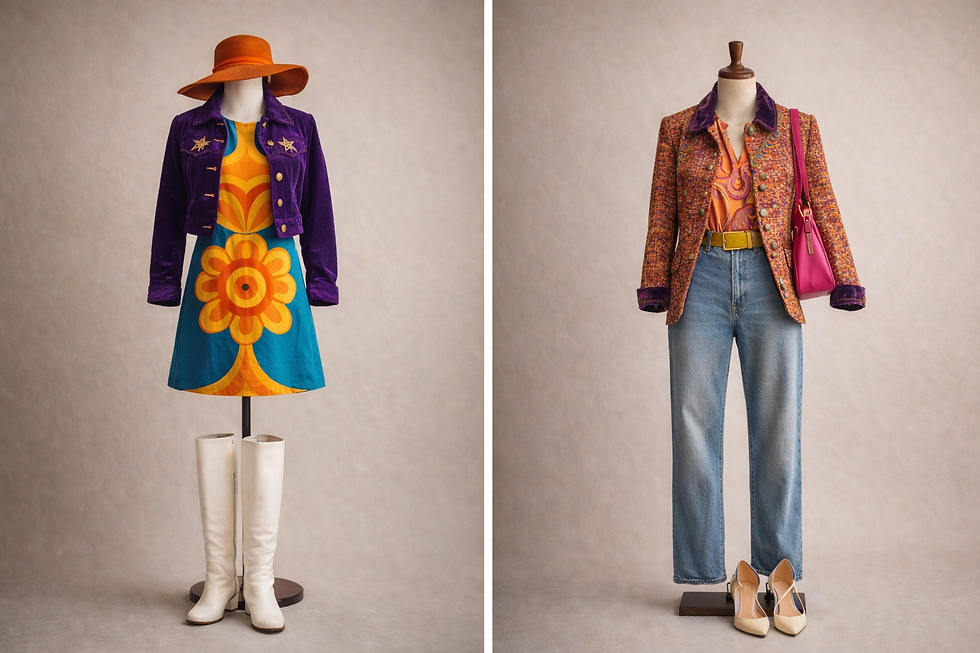
Reviving retro fashion offers innovative strategies for seamless style integration.
Key principles for modernising vintage looks include:
Layering Techniques: Combine vintage statement pieces with contemporary basics
Proportion Balancing: Create visual harmony between fitted and loose garments
Accessory Modernisation: Update vintage outfits with current trend accessories
Tailoring Adaptations: Modify vintage pieces for contemporary silhouettes
Effective vintage styling strategies involve:
Selecting one standout vintage piece per outfit
Mixing textures and fabric weights
Using contemporary footwear and accessories
Cropping or tailoring vintage items
Experimenting with unexpected colour combinations
Modern vintage styling transforms historical fashion into a personal, dynamic expression of individual creativity.
Contextual Styling means understanding how to make vintage pieces feel intentional rather than costume-like. The goal is seamless integration that celebrates both historical design and personal contemporary aesthetic.
Pro tip: Create a capsule wardrobe featuring versatile vintage pieces that can be easily mixed with modern garments, ensuring maximum styling flexibility.
Below is a comprehensive table summarising the key topics and strategies discussed throughout the article on vintage fashion design and curation.
Topic | Description | Key Insights |
Vintage Fashion Eras | Overview of fashion trends and cultural narratives by decade. | Understanding the context of vintage clothing styles enhances design accuracy. |
Authentic Vintage Labels and Tags | Techniques for identifying authentic vintage clothing labels. | Labels provide critical information about manufacturing techniques and provenance. |
Garment Quality Assessment | Steps for evaluating the quality and condition of vintage garments. | Ensures the acquisition of well-preserved pieces suitable for wear or restoration. |
Sourcing Reliable Suppliers | Methods for identifying dependable vintage clothing suppliers and retailers. | Builds robust sourcing networks and access to quality and sustainable options. |
Period-Accurate Costuming | Guidelines for creating historically accurate costumes for media productions. | Ensures sartorial selections reflect cultural narratives and enhance storytelling. |
Preservation of Vintage Fabrics | Best practices for preserving and caring for vintage textiles. | Protects valuable historical garments from degradation. |
Modernising Vintage Styles | Strategies for incorporating vintage pieces into contemporary fashion. | Encourages the rejuvenation of historical styles for modern appeal. |
Elevate Your Vintage Design with Authentic Sourcing Solutions
Navigating the intricate world of vintage sourcing can be challenging. From recognising authentic labels to curating period-accurate outfits, the journey requires expert knowledge and trusted resources. At My Vintage, we understand your goal to preserve cultural narratives through quality vintage apparel and accessories that span from the 1940s to the 1990s. Our carefully curated collections guarantee authenticity paired with exceptional condition to meet the high standards discussed in the article.
[
Discover a vast selection of authentic vintage clothing and retro homeware that supports every designer’s need for reliability and style at My Vintage. Whether you need pieces with genuine vintage labels or want inspiration from distinct fashion eras, our platform is tailored to empower your creative vision. Act now to enhance your sourcing strategy with our trusted vintage treasures and bring your designs to life with confidence and historical integrity.
Frequently Asked Questions
What are the key characteristics of different vintage fashion eras?
Understanding the characteristics of vintage fashion eras is crucial for sourcing outfits effectively. Focus on the distinctive styles, silhouettes, and socio-cultural influences from decades such as the 1920s to the 1990s for more authentic selections.
How can I identify authentic vintage labels and tags?
To identify authentic vintage labels, inspect the quality of the materials, typography, and any specific manufacturing locations indicated. Start by familiarising yourself with common vintage label styles from different eras, enhancing your ability to spot genuine pieces.
What steps should I take to assess the quality and condition of vintage garments?
Assessing the quality of vintage garments involves checking fabric integrity, seam construction, and fastener functionality. Develop a systematic inspection routine that includes evaluating for any fabric degradation and documenting the condition of each garment.
How can I find reliable vintage suppliers and retailers?
To find reliable vintage suppliers, research their reputation and request provenance documentation for their collections. Build relationships with trusted suppliers who specialise in vintage, as this can streamline your sourcing process and enhance your inventory.
What techniques can I use to style vintage outfits for a modern appeal?
To style vintage outfits for a modern look, try combining vintage statement pieces with contemporary basics, focusing on layering and balancing proportions. Experiment with tailoring and accessorising to ensure the outfits feel fresh while maintaining their vintage charm.
Recommended

Comments