


Vintage Eveningwear: Timeless Elegance Through the Decades

Buy vintage eveningwear only from sellers who supply flat measurements, interior seam photographs and an explicit condition grade. That single rule eliminates most of the risk before you spend a penny. Vetted UK specialists and curated sellers are worth the premium precisely because they do this work upfront, rather than leaving you to guess from a single glamour shot.
Before you read further, run through these quick checks whenever you view a listing:
Ask for flat measurements (bust, waist, shoulder width, hem length)
Request interior photos showing seams, zip, and lining
Check whether the seller states a condition grade
Look for a returns policy that covers vintage items specifically
Ask directly whether any repairs or restorations have been carried out
What does ‘vintage eveningwear’ cover?
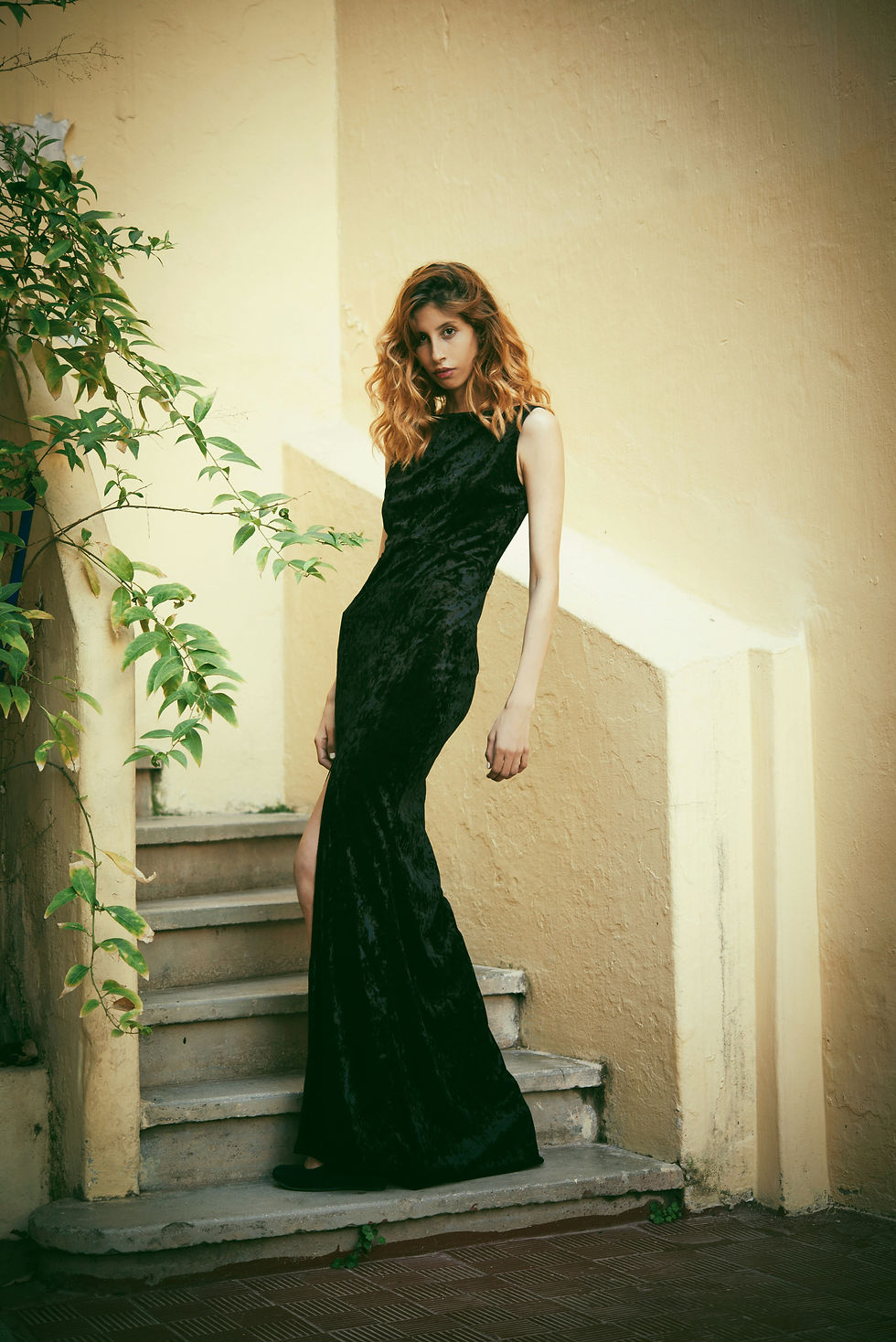
The term spans roughly seven decades of formal dressing, and each era brings its own construction logic, fabric palette, and fit challenges. Knowing what to expect per decade helps you assess authenticity at a glance.
1930s brought the bias-cut silk gown, cut on the diagonal so the fabric clings and flows with the body. These pieces are structurally delicate and almost always unlined or very lightly lined. Closures are typically hook-and-eye or early metal zip.
1940s eveningwear reflects wartime austerity: tailored waists, padded shoulders, and economical fabric use. Rayon and crepe appear frequently alongside wool. Construction is precise and seam allowances are generous.

1950s formal gowns lean into structure. Full skirts with built-in net petticoats, boning, and stiffened bodices are characteristic. Silk taffeta, duchess satin, and cotton organza dominate. These pieces often have a fitted, boned bodice sewn directly to a full skirt, making alterations more complex.
1960s cocktail dresses move away from that volume. Sleeker A-line and shift silhouettes appear in crepe, silk, and early synthetics. Zips become more common, and labels begin to include fibre content.
1970s eveningwear splits into two distinct moods: glam-rock satin and sequins on one side, and boho chiffon maxi gowns on the other. Disco-era pieces often feature metallic fabrics and wrap silhouettes. Polyester becomes widespread.
1980s and 1990s bring heavy beading, statement shoulders, and structured power-dressing gowns in the earlier decade, then a sharp swing to minimalist slip dresses in bias-cut silk or satin in the 1990s. The 1990s pieces can look deceptively simple but are often cut with real precision.
How do you verify a garment is genuinely vintage?
Aesthetic descriptions are unreliable. Forensic markers are what actually date a piece, and you can check most of them from good photographs.
Zipper type and backstamp. Pre-1960s zips are typically metal with a visible backstamp from makers such as Lightning or Talon. Nylon coil zips arrived in the 1960s. A modern plastic zip on a claimed 1950s gown is a clear mismatch. My Vintage has a detailed guide to dating garments by zip type that is worth bookmarking.
Label material and printing. Woven rayon labels with chain-stitched lettering predate the 1970s. Printed care labels with washing symbols became mandatory in the UK from 1971. A mid-century label with modern washing icons is a red flag.
Seam finishing. French seams, hand-overcast edges, and flat-felled seams are typical of pre-1970s construction. Modern overlock (serger) stitching on a claimed 1950s piece suggests either a reproduction or significant later repair.

Lining fabric. Cupro and silk linings are period-correct for pre-1970s pieces. Bright white or very lightweight polyester lining in a claimed 1940s gown warrants scepticism.
Request close-up photos of the zip backstamp
Ask the seller to photograph the garment inside out, showing seam allowances
Check lining colour and sheen (aged silk or cupro looks different from modern polyester)
Look for hand-stitching at hems and facings
Modern reproductions often show overlock seams, lightweight fabrics, and inappropriate linings. Paradoxically, perfect condition across several decades can itself be a red flag.
Pro Tip: A replaced zip does not automatically mean a fake. Zips were routinely replaced during a garment’s working life. What matters is whether everything else, including seam finishing, label, and lining, is consistent with the claimed era.
Sizing and measurements: what you actually need to know

Labelled sizes in vintage eveningwear are almost meaningless. A 1950s size 14 corresponds to roughly a modern size 8–10. Always request flat measurements and compare them to your own body measurements with ease added.
Measurement | Why it matters |
Bust (flat across fullest point) | Primary fit check for bodices and structured gowns |
High bust (above the fullest point) | Critical for boned or strapless bodices |
Waist (at natural waist) | Key for 1950s and 1940s fitted silhouettes |
Shoulder width (seam to seam) | Difficult to alter; must fit close to your own |
Shoulder to waist | Determines bodice length before any skirt join |
Shoulder to hem | Total length; essential for floor-length gowns |
Alterations are possible, but not always straightforward. A generous seam allowance (typically 2–3 cm on well-made vintage pieces) gives a tailor room to let out or take in a seam. Boned bodices and built-in corsetry complicate things considerably; removing or repositioning boning channels requires specialist skill and can affect the garment’s structure permanently.
Condition grading and conservation-smart restoration
Not every vintage gown is wearable, and knowing the difference before purchase saves real heartache.
Condition grade | What it means |
Wearable now | Clean, structurally sound, no active damage; minor age patina acceptable |
Wearable after repair | Broken boning, missing beads, oxidised zip, small seam splits; fixable by a skilled hand |
Display or museum only | Dry rot, brittle silk, significant fabric loss; wearing would cause irreversible damage |
Dry rot is the most serious defect in older silk and weighted textiles. A gentle tug test on an inconspicuous inner seam allowance reveals it immediately: if the fabric splits with no resistance, the piece is unwearable. Do not buy a dry-rotted gown hoping restoration will save it.
Other common defects include broken boning (audible when you flex the bodice), missing beads (check the hem and underarm areas), and oxidised metal zips that no longer move freely.
“Conservation-led decisions preserve both the integrity and the future value of a historic garment. Avoiding over-restoration and maintaining original signs of wear is often the wiser course.” — V&A
Stabilising a fragile seam with careful hand-stitching is preferable to a full re-lining that strips the garment of its original character. Specialist restoration for silk, lace, and beaded pieces requires different solvents and techniques from standard dry cleaning, and should always go to an experienced textile conservator rather than a high-street cleaner.

Where to buy vintage eveningwear in the UK
The seller matters as much as the garment. A reputable specialist will provide clear condition descriptions, interior photographs, flat measurements, and a returns policy that acknowledges the nature of vintage items. Provenance notes, such as previous-owner history or a note about the garment’s working life, add further confidence.
Specialist vintage shops and established curated sellers offer something general marketplaces cannot: editorial judgement. They have already rejected the pieces that are too fragile, misdated, or misrepresented. My Vintage, founded in 2004, also supplies vintage costume to television, film, and theatre productions, which means their authentication standards are professional-grade. That media-supply background is a meaningful trust signal for buyers of classic evening gowns.
Pricing for authentic vintage eveningwear in the UK varies considerably by era and condition. Simple 1970s polyester pieces tend to sit at the accessible end of the market, while 1930s bias-cut silk gowns and heavily beaded 1950s couture pieces command significantly higher prices. Budget for potential alteration costs on top of the purchase price, and allow for shipping times of a few days to a week for UK-based sellers. If a piece needs specialist cleaning before wear, professional wet-cleaning can involve extended rinsing and drying protocols, so factor in several additional weeks.
Caring for delicate fabrics and embellishments
The moment a vintage gown arrives, handle it gently and assess it before doing anything else.
Bias-cut gowns: store flat in acid-free boxes with acid-free tissue; hanging causes permanent distortion over time
For anything beyond light surface freshening, consult a textile conservator or a specialist vintage cleaner rather than a standard dry cleaner. The V&A’s guidance on storing vintage garments is a practical starting point for long-term care.
Pro Tip: Check stored vintage pieces every six months. Catching a new moth hole or a developing split early is far easier than addressing it after a year of neglect.

Your pre-purchase checklist for vintage eveningwear
Use this before committing to any piece, whether you are shopping online or in person.
Request from the seller:
Full flat measurements (bust, high bust, waist, shoulder width, shoulder to hem)
Interior photographs showing seams, zip, and lining
Close-up of the zip backstamp or hook-and-eye closure
Explicit condition grade and a list of any known repairs or restorations
Returns policy in writing, specific to vintage items
Immediate stop signals (do not buy if you find these):
Evidence of dry rot on any seam (fabric splits with no resistance)
Modern overlock seams on a claimed pre-1970s piece with no repair explanation
Seller unable or unwilling to provide interior photographs
No measurements offered and no willingness to measure on request
Quick negotiation notes: ask whether the seller can hold a piece for 48 hours while you confirm measurements. For buying vintage online, always confirm whether the listed price includes any recent restoration work, as this affects both value and future alteration options. If a piece needs a zip replacement or bead repair, use that as a basis for a polite conversation about price.

Key Takeaways
Authentic vintage eveningwear rewards careful buyers: forensic markers, flat measurements, and a conservation-minded approach to condition are the three things that separate a confident purchase from a costly mistake.
Point | Details |
Forensic markers over aesthetics | Check zip backstamp, seam finishing, and lining fabric to confirm era, not just the look. |
Measurements are non-negotiable | Always request flat measurements; labelled vintage sizes bear no relation to modern sizing. |
Condition grading matters | Dry rot is terminal; buy only pieces graded wearable now or wearable after repair. |
Favour conservation over over-restoration | Stabilise rather than strip; original signs of wear preserve provenance and value. |
My Vintage for curated pieces | My Vintage has supplied authenticated vintage to TV and film since 2004, with condition notes and detailed listings. |
My Vintage: curated eveningwear with professional credentials
If you want the reassurance of a vetted, condition-graded piece without spending hours interrogating sellers, My Vintage is a natural first stop. Founded in 2004 and trusted by television, film, and theatre productions for authentic costume supply, My Vintage brings professional-grade authentication to every listing. Detailed product pages include condition notes and measurements, and the team’s experience spans the full range of retro formal wear from 1940s tailored gowns to 1990s minimalist slip dresses.

Whether you are searching for a showstopping classic evening gown for a black-tie event or a beautifully preserved old-fashioned cocktail dress for a special occasion, the My Vintage collection is a rewarding place to browse. Take a look at the full range at myvintage.uk and, if you are after something specific, get in touch directly for bespoke sourcing support.
Useful sources and further reading
Before any invasive restoration, consult a qualified textile conservator. The Institute of Conservation (ICON) maintains a directory of accredited conservators in the UK. Where a seller provides provenance documentation, keep it with the garment: it adds to the piece’s history and, in time, its value.
Recommended



Comments