


Vintage Fashion for Men Explained: Complete Guide
- Dec 1, 2025
- 8 min read

Over 40 percent of British men report that vintage clothing makes them feel more confident about their style. Vintage fashion is more than simply putting on old clothes. It invites wearers to connect with history and showcase individuality in a way few trends can. This article will uncover how vintage menswear shapes identity, highlights unique craftsmanship, and offers modern men practical inspiration for building a wardrobe with timeless British character.
Table of Contents
Key Takeaways
Point | Details |
Cultural Significance | Vintage fashion for men serves as a connection to historical styles and personal identity, reflecting craftsmanship and cultural narratives. |
Decade Exploration | Each decade from the 1920s to the 1980s offers unique styles that embody broader cultural changes, allowing for personal expression within a historical context. |
Authenticity Matters | Identifying genuine vintage pieces requires attention to construction details and material characteristics, essential for successful collection and styling. |
Sustainable Choice | Embracing vintage fashion promotes sustainability by reusing clothing, thereby reducing waste and contributing to environmentally conscious consumption. |
Defining Vintage Fashion for Men
Vintage fashion for men is more than just a clothing choice—it’s a profound cultural expression that allows individuals to connect with historical styles and personal identity. The concept goes far beyond simply wearing old clothing, representing a nuanced approach to style that celebrates craftsmanship, aesthetic heritage, and individual narrative.
Understanding vintage menswear involves recognising its deeper sociological significance. Scholars like Heike Jenss have explored how vintage clothing enables individuals to engage with past styles as a means of constructing personal and cultural identities. This isn’t merely about wearing an old suit or jacket, but about creating a deliberate connection to historical aesthetic traditions.
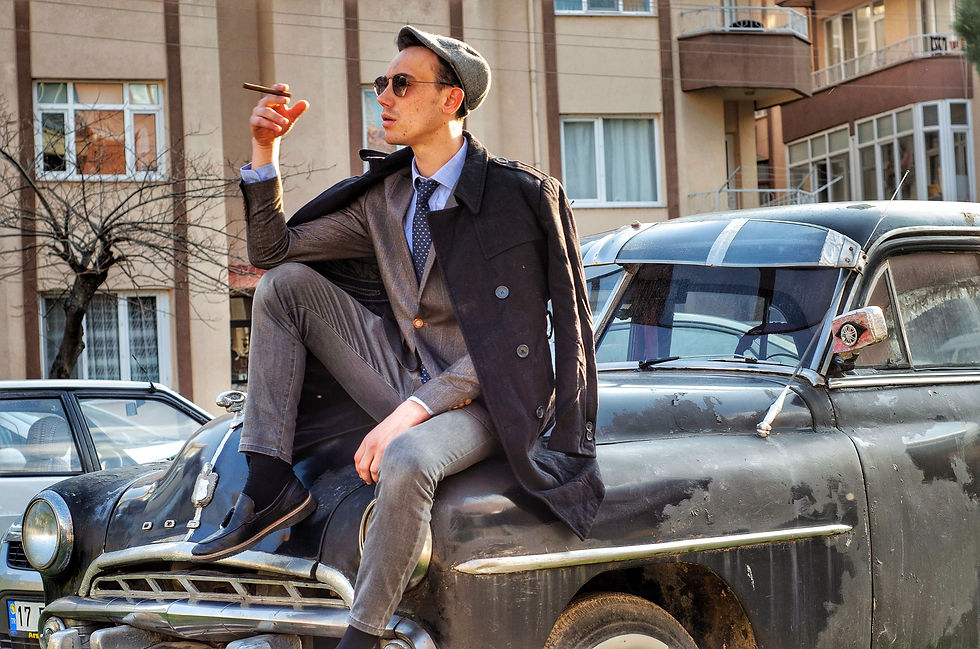
The vintage fashion movement for men encompasses styles typically ranging from the 1920s through the 1980s, with each decade offering distinct silhouettes, fabric choices, and cultural contexts. From the structured suits of the mid-20th century to the rebellious leather jackets of the 1950s, vintage menswear represents a fascinating exploration of masculine style evolution. Interestingly, subcultures like the ‘Young Fogey’ movement in the UK demonstrate how young men have playfully adopted traditional vintage styles, particularly from the 1920s and 1930s, as a form of sartorial rebellion and cultural commentary.
At its core, vintage fashion for men is about more than clothing—it’s a deliberate choice to celebrate craftsmanship, individual expression, and the rich narrative woven into every carefully preserved garment. Whether you’re drawn to the tailored elegance of a 1940s suit or the rugged charm of a mid-century leather jacket, vintage fashion offers a unique pathway to understanding style as a dynamic, deeply personal art form.
Key Eras and Signature Styles
Vintage men’s fashion represents a fascinating journey through style evolution, with each decade bringing distinctive aesthetic expressions that reflect broader cultural shifts. Understanding these eras helps modern gentlemen appreciate the nuanced artistry behind historical menswear and select pieces that resonate with personal style narratives.
The late 19th century marked a pivotal transformation in men’s fashion. Men’s clothing during the 1890s featured long, lean silhouettes with sack coats replacing traditional frock coats, introducing a more relaxed approach to tailoring. Three-piece suits became standard, and blazers emerged as versatile garments for casual activities, setting the stage for future sartorial innovations.
The mid-20th century witnessed dramatic fashion revolutions. The Peacock Revolution of the 1960s dramatically reshaped masculine style, introducing vibrant colours, elaborate designs, and androgynous elements that challenged traditional menswear conventions. This era saw designers like Michael Fish revolutionising men’s fashion, incorporating bold patterns, wider lapels, and more experimental tailoring that broke away from previous conservative norms.

Moving through subsequent decades, vintage menswear continued to evolve. The 1970s brought wide-collared shirts and bell-bottom trousers, while the 1980s introduced power dressing with structured shoulders and bold colour blocking. Each era’s distinctive style represents more than clothing—it’s a cultural statement about masculinity, identity, and social change, inviting modern men to explore and reinterpret historical fashion through a contemporary lens.
How to Identify Authentic Vintage Pieces
Identifying genuine vintage menswear requires a keen eye, detailed knowledge, and a nuanced understanding of historical fashion construction. The journey of authenticating vintage clothing is part detective work, part historical investigation, demanding careful examination of multiple visual and tactile indicators that reveal a garment’s true origins.
Construction details often provide the most reliable insights into a piece’s authenticity. Historical garments like the frock coat, popular during Victorian and Edwardian periods, featured distinctive tailoring techniques such as high waist suppression and knee-length skirt cuts that differ dramatically from contemporary clothing. Vintage enthusiasts should examine internal seam structures, stitching techniques, and fabric composition, looking for telltale signs of period-specific manufacturing methods.
Material characteristics and design elements offer additional authentication clues. Unique design features like the sharply pointed winklepicker shoes from the 1950s demonstrate how specific stylistic choices can help date a piece. Collectors can develop reliable authentication skills by studying comprehensive vintage fashion guides, learning to recognise era-specific details such as zipper types, button designs, fabric weaves, and manufacturing labels.

Beyond technical details, authentic vintage pieces tell stories. Each garment carries traces of its historical moment—subtle imperfections, unique wear patterns, and craftsmanship that mass-produced modern clothing cannot replicate. True vintage collecting is about understanding these narratives, preserving cultural memories, and celebrating the artistry of past fashion design.
Shopping and Styling Tips for Men
Vintage menswear offers a transformative approach to personal style, allowing gentlemen to curate wardrobes that blend historical sophistication with contemporary sensibilities. Navigating the world of vintage fashion requires strategic selection, keen aesthetic judgment, and an understanding of how to harmoniously integrate historical pieces into modern outfits.
Incorporating vintage elements like waistcoats, high-waisted trousers, and leather jackets can add timeless appeal to modern wardrobes. The key is balance—pairing a vintage waistcoat over a crisp dress shirt with slim-fit trousers creates a contemporary interpretation of classic style that feels both nostalgic and fresh. Vintage gentleman style involves carefully selecting pieces from key historical eras, such as the structured suits of the 1930s, and complementing them with thoughtful accessories like pocket squares and classic timepieces.
When shopping for vintage menswear, collectors should develop a discerning eye and strategic approach. Vintage clothing enthusiasts can refine their selection skills by exploring comprehensive vintage fashion resources, learning to distinguish between authentic historical pieces and modern reproductions. Look for original manufacturing labels, examine fabric quality, and understand the distinctive tailoring techniques of different decades.
Successful vintage styling is about creating a dialogue between past and present. It’s not about costume, but about expressing individual personality through carefully curated historical garments. Whether you’re drawn to the rebellious leather jackets of the 1950s or the refined tailoring of mid-century suits, vintage fashion offers men a unique opportunity to craft a wardrobe that tells a story—one garment at a time.
Caring for and Maintaining Vintage Clothes
Preserving vintage clothing demands meticulous attention, specialised knowledge, and a profound respect for the garment’s historical significance. Each piece represents a unique fragment of fashion history, requiring careful handling to ensure its longevity and maintain its original character and structural integrity.
Sustainability in vintage clothing care is exemplified by brands like Barbour, which emphasise maintenance through annual re-waxing and repair services, demonstrating how proper care can extend a garment’s life and enhance its value. Collectors should approach maintenance with a conservator’s mindset, understanding that vintage textiles are delicate artifacts requiring gentle, informed treatment. Vintage clothing preservation involves understanding the unique storage requirements for different fabric types and historical accessories.
Storage plays a critical role in vintage clothing conservation. Temperature-controlled environments, acid-free tissue paper, padded hangers, and careful folding techniques can prevent fabric degradation. Delicate items like silk scarves, vintage leather jackets, and woollen suits demand specific storage approaches—avoiding direct sunlight, maintaining consistent humidity levels, and protecting from potential moth damage.
Cleaning vintage clothing requires exceptional caution. Professional dry cleaning specialists with vintage textile expertise are often the safest option for rare or delicate pieces. Gentle hand washing with pH-neutral detergents, air drying away from direct heat, and minimal manipulation can help preserve the fabric’s original qualities. Remember, vintage clothing is not just fabric—it’s a tangible connection to cultural history, deserving thoughtful preservation and respectful maintenance.
Sustainability and Benefits of Vintage Fashion
Vintage fashion represents far more than a stylistic choice—it’s a profound statement of environmental consciousness and personal values. By embracing vintage clothing, men can actively participate in a more sustainable approach to fashion that challenges the wasteful cycles of contemporary fast-fashion consumption.
Engaging with vintage fashion allows individuals to participate in sustainable practices by reusing and repurposing clothing, thereby reducing waste and promoting environmental consciousness. The broader sustainability movement in fashion celebrates individual expression through unique, timeless pieces, moving away from disposable trends towards more meaningful wardrobe curation.
The ‘Peacock Revolution’ demonstrated how fashion can be a vehicle for individual expression, encouraging men to value distinctive, long-lasting garments over mass-produced alternatives. This ethos of individuality aligns perfectly with sustainable fashion principles—prioritising quality, craftsmanship, and personal narrative over transient trends.
Ultimately, choosing vintage is an investment in both personal style and global sustainability. Each vintage piece rescued from obscurity represents a small victory against textile waste, a reduction in manufacturing demand, and a celebration of clothing’s inherent ability to transcend temporal boundaries. By selecting vintage, men aren’t just wearing clothing—they’re making a nuanced, principled statement about consumption, creativity, and cultural preservation.
Discover Timeless Vintage Menswear to Suit Your Unique Style
Navigating the world of vintage menswear can be challenging when seeking authentic, carefully preserved pieces that honour craftsmanship and cultural heritage. Whether you are drawn to the structured elegance of 1940s suits or the vibrant expressions from the Peacock Revolution, finding garments that resonate with your personal narrative and sustainability values is essential. At My Vintage, we understand the importance of authenticity and individual style, offering a curated collection that connects history with contemporary fashion needs.

Explore our extensive range of genuine vintage menswear and retro accessories at My Vintage. Take the opportunity to embrace sustainable fashion with pieces that tell a story and elevate your wardrobe beyond fast-fashion trends. Unlock the art of dressing with intention today and start your journey towards timeless style and conscious living. Visit us now to discover the perfect vintage statement for you.
Frequently Asked Questions
What defines vintage fashion for men?
Vintage fashion for men encompasses styles typically ranging from the 1920s through the 1980s, celebrating craftsmanship, aesthetic heritage, and personal identity. It’s not just about wearing old clothing; it represents a cultural expression and a connection to historical styles.
How can I identify authentic vintage menswear?
To identify authentic vintage menswear, examine construction details, material characteristics, and design elements specific to different eras. Look for signs of period-specific manufacturing methods, unique design features, and reliable vintage fashion guides for reference.
What are some key styles in vintage men’s fashion?
Key styles in vintage men’s fashion include structured suits from the 1930s, the colourful designs of the 1960s Peacock Revolution, wide-collared shirts from the 1970s, and the power dressing trend of the 1980s. Each style reflects broader cultural shifts and offers a unique aesthetic inspired by the era.
How should I care for and maintain vintage clothing?
Caring for vintage clothing requires gentle handling, proper storage, and cautious cleaning. Use temperature-controlled environments, acid-free tissue paper, and padded hangers for storage. Professional cleaning specialists experienced in vintage textiles are advisable as delicate items require exceptional care.
Recommended


Comments