


Vintage Vogue: Fashion's Most Iconic Magazine

What is Vintage Vogue?
Few publications have shaped the world of fashion quite like Vogue. For more than a century, its pages have documented changing styles, celebrated emerging designers and captured the cultural moments that define each generation. While fashion trends come and go, Vogue has remained a constant source of inspiration, influencing everything from haute couture and street style to photography, beauty and interior design.
Today, vintage editions of Vogue are prized by collectors, designers and fashion enthusiasts alike. They offer far more than nostalgic cover images; each issue is a snapshot of its time, reflecting the people, creativity and social attitudes that shaped the fashion industry. Flicking through an original copy of Vogue from the 1950s, 1960s or 1970s is like stepping back into another era, with beautifully styled editorials, luxury advertising and expert commentary bringing the past vividly to life.
Whether you're fascinated by fashion history, searching for styling inspiration or simply appreciate beautiful printed publications, vintage Vogue remains one of the most rewarding magazines to collect. Its influence extends far beyond the catwalk, making it an enduring icon of style and creativity.
The Story of Vogue
The story of Vogue began in New York in 1892, when it was launched as a weekly society publication aimed at the city's affluent readers. Rather than focusing solely on clothing, the magazine covered high society, etiquette, theatre, culture and the latest fashions enjoyed by New York's social elite. Even in its earliest years, Vogue stood apart for its elegant presentation and sophisticated editorial style.
Everything changed in 1909 when publisher Condé Nast acquired the magazine. Recognising its enormous potential, he transformed Vogue into an internationally respected fashion publication, placing greater emphasis on couture, illustration and high-quality photography. Under his leadership, international editions soon followed, helping establish Vogue as the global authority on style.
Throughout the twentieth century, Vogue evolved alongside the changing world of fashion. Early editions showcased exquisite fashion illustrations before photography gradually became the dominant visual medium. By the mid-century, legendary photographers such as Irving Penn, Richard Avedon and Cecil Beaton were creating images that blurred the boundaries between fashion and fine art, while influential editors helped shape the magazine's unmistakable voice.
As fashion became more democratic during the 1960s and 1970s, Vogue embraced new designers, youth culture and changing attitudes towards beauty and personal style. Rather than simply reporting trends, the magazine often helped create them, introducing readers to designers who would go on to become household names and documenting the cultural shifts that defined each decade.
Today, Vogue is far more than a fashion magazine. It is a living archive of style, photography and design, preserving over a century of creativity in a way few other publications can match. Every vintage issue offers a fascinating glimpse into the tastes, aspirations and artistic vision of its time, making each one a collectible piece of fashion history.
3. Vintage Vogue Through the Decades
One of the greatest joys of collecting vintage Vogue is seeing how dramatically fashion evolved from one generation to the next. Each decade brought new ideas, changing silhouettes and fresh artistic influences, with the magazine faithfully documenting – and often leading – these transformations.

The elegant glamour of the 1920s and 1930s celebrated refined tailoring, luxurious eveningwear and the rise of modern femininity. During the 1940s, Vogue reflected a world shaped by wartime restrictions, showcasing practical yet beautifully designed clothing alongside resourceful styling ideas that proved elegance could flourish even in difficult times.

By the 1950s, fashion entered a new era of optimism. Christian Dior's revolutionary New Look dominated editorial pages, with full skirts, nipped waists and impeccably feminine silhouettes becoming symbols of post-war luxury. Photography became increasingly sophisticated, creating glamorous fashion stories that elevated the magazine beyond simple clothing catalogues.

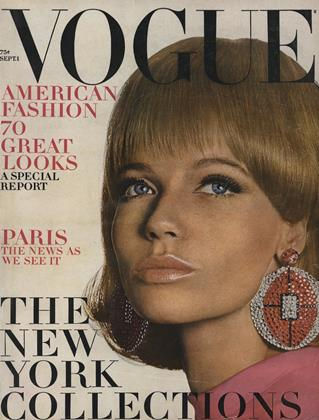
The 1960s brought one of Vogue's most exciting periods. As youth culture exploded, the magazine embraced bold colours, graphic prints and innovative designers such as Mary Quant, André Courrèges and Ossie Clark. Models including Twiggy and Jean Shrimpton became household names, while London emerged as one of the world's fashion capitals.
The carefree spirit of the 1970s introduced bohemian influences, flowing silhouettes and a more relaxed approach to personal style. By the 1980s, dramatic power dressing, statement jewellery and confident tailoring reflected a decade defined by ambition and excess. Throughout every changing trend, vintage Vogue remained remarkably consistent in celebrating creativity, craftsmanship and the excitement of fashion itself.

Browsing vintage editions today is like travelling through a beautifully illustrated timeline of twentieth-century style. Every issue captures not only the clothes people wore, but also the colours, aspirations and cultural movements that shaped each generation.
The Art of Vogue
While many magazines simply reported on fashion, Vogue helped transform it into an art form. Long before social media and digital campaigns, its pages became a creative canvas where photographers, illustrators, stylists and editors collaborated to produce images that continue to inspire decades later.
In the magazine's earliest years, beautifully detailed fashion illustrations took centre stage. These hand-drawn artworks captured the elegance of couture with remarkable precision, often showcasing garments in ways that photography simply couldn't achieve at the time. Even today, early illustrated covers remain highly collectible for their artistic quality alone.
As photographic technology advanced, Vogue embraced a new generation of visionary image-makers. Photographers including Cecil Beaton, Irving Penn, Richard Avedon and later Helmut Newton transformed fashion photography into something far more expressive than traditional studio portraits. Their work introduced dramatic lighting, unexpected locations and striking compositions that blurred the boundaries between fashion, portraiture and fine art.
The magazine also became known for its beautifully curated layouts and instantly recognisable cover designs. Every element, from typography and colour palettes to styling and composition, was carefully considered to create an issue that felt as desirable as the fashions it featured. For many readers, a vintage copy of Vogue is as much a work of graphic design as it is a fashion magazine.
Perhaps this is why vintage Vogue continues to inspire today. Designers, photographers, artists and collectors still return to its pages in search of ideas, proving that truly great creativity never goes out of style.
Why Collectors Love Vintage Vogue
For collectors, vintage Vogue offers far more than beautiful fashion photography. Every issue is a time capsule, preserving the style, culture and aspirations of the era in which it was published. Unlike many fashion books that focus on a single designer or decade, each magazine captures an entire moment in time, from haute couture collections and emerging trends to beauty products, interior design and luxury advertising.
One of the greatest pleasures of collecting vintage Vogue is discovering the extraordinary artwork within its pages. Original fashion illustrations from the early twentieth century are admired for their elegance and craftsmanship, while later editions feature groundbreaking photography that helped redefine visual storytelling. Many readers first encountered the work of legendary photographers, stylists and illustrators through the pages of Vogue, making every issue a miniature gallery of creative talent.

The advertisements are equally fascinating. Luxury fashion houses, historic beauty brands, travel companies and household names all reveal how lifestyles, tastes and marketing evolved through the decades. What was once considered an everyday advertisement has become an invaluable piece of social history, offering a glimpse into the products, ideals and aspirations of another generation.
Collectors are also drawn to Vogue for its enduring relevance. Vintage editorials continue to inspire fashion designers, costume departments, stylists and artists, proving that great design rarely loses its appeal. Whether displayed on a coffee table, framed as artwork or carefully preserved in an archive, every issue tells a story that extends far beyond its original publication date.
At My Vintage, we believe that the most treasured vintage pieces are often those that tell a story, and few publications tell the story of fashion as beautifully as Vogue. Long before the digital age, its pages documented the designers, photographers and cultural moments that would go on to define entire generations.
What makes vintage Vogue particularly special is its authenticity. Unlike modern retrospectives, each issue captures fashion exactly as it was experienced at the time. There is no hindsight, no nostalgia and no attempt to recreate the past. Every editorial, advertisement and photograph reflects the excitement of a particular moment in fashion history, making each magazine a genuine historical artefact as well as a source of inspiration.

We also love the sheer creativity found within its pages. From breathtaking couture photography and hand-painted illustrations to beautifully designed layouts and unforgettable cover art, vintage Vogue celebrates fashion as both craftsmanship and artistic expression. It's the kind of publication you can revisit time and time again, always discovering a detail you hadn't noticed before.
Perhaps that's why vintage copies remain so captivating today. They remind us that fashion is about far more than clothing; it's about creativity, confidence and the stories we tell through personal style. For anyone with a passion for vintage, Vogue remains one of the most beautiful windows into the past.
Frequently Asked Questions
When does a copy of Vogue become vintage?
There is no strict rule, but most collectors consider Vogue magazines that are at least 20 years old to be vintage. Issues from the 1940s to the 1980s are especially popular, thanks to their iconic photography, memorable fashion editorials and historical significance.
Are vintage Vogue magazines valuable?
Some editions can be highly collectible, particularly those featuring significant designers, famous photographers, landmark fashion moments or rare cover artwork. However, many collectors value vintage Vogue for its historical and artistic appeal rather than its monetary worth.
Why do people collect vintage Vogue?
Collectors are drawn to vintage Vogue because it captures fashion exactly as it was experienced at the time. From couture collections and beauty trends to advertising, interiors and photography, every issue provides a fascinating snapshot of its era and remains an endless source of inspiration.
Can vintage Vogue still inspire modern fashion?
Absolutely. Designers, stylists, photographers and fashion enthusiasts continue to look to vintage Vogue for inspiration. Many trends, colour palettes, styling techniques and editorial concepts regularly return to fashion, making older issues just as relevant today as they were when they were first published.
How should vintage magazines be stored?
To help preserve them, keep vintage magazines flat or upright in a cool, dry place away from direct sunlight and excessive humidity. Acid-free sleeves or archival storage boxes can provide extra protection, particularly for older or more valuable editions.

Comments