


When Fashion Fell for Bows

There is something wonderfully contradictory about a bow. It can look prim and polished, playful and girlish, dramatic and theatrical, or surprisingly sharp depending on where it appears and how it is used. Fashion has returned to bows again and again because they are far more versatile than their sweet reputation suggests. A narrow ribbon tied neatly at the throat has a very different mood from an enormous sculptural bow across the shoulder, while a velvet bow at the waist can feel elegant rather than twee.
That ability to shift personality is exactly why bows have lasted so well in vintage fashion. They have decorated collars, waistlines, sleeves, hats, handbags, shoes and hair, appearing in everything from demure daywear to extravagant evening dresses. Sometimes they soften a tailored outfit, sometimes they emphasise shape, and sometimes they are there simply because fashion has decided that a perfectly sensible garment would be more interesting with an enormous bow attached to it. Looking back through the decades, bows tell a surprisingly rich story about femininity, glamour and the changing appetite for decoration.
The 1930s: Soft Details and Elegant Ties
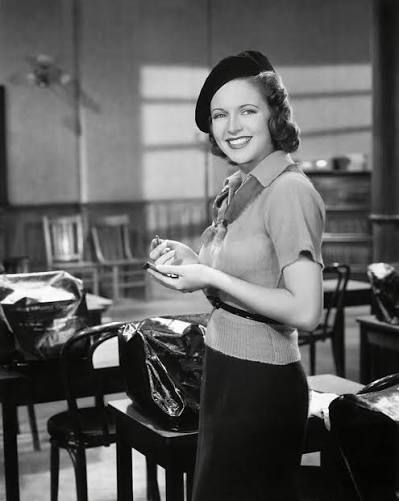
The 1930s gave bows a particularly graceful setting. Fashion had moved away from the straighter, more boyish silhouettes of the previous decade and towards softer lines, more defined waists and flowing fabrics, making bows a natural decorative addition. They could appear at the neckline, waist or shoulder, often working with the drape of the garment rather than sitting stiffly on top of it.
Bow-tied necklines were especially effective because they introduced movement without overwhelming the dress beneath. A narrow scarf or fabric tie could be knotted neatly at the throat, while eveningwear sometimes used softer, more fluid bows that echoed the folds of bias-cut fabrics. The overall effect was feminine, but rarely childish.
Bows also worked beautifully with the more romantic side of 1930s fashion. A sash tied at the back of a dress or a small bow at the waist could emphasise the silhouette without the rigid structure seen in later decades, while satin, velvet and silk gave the detail a richer finish. Even when a bow was decorative, it often felt integrated into the garment rather than added as an afterthought.
The 1940s: Practical Fashion Finds Room for a Bow
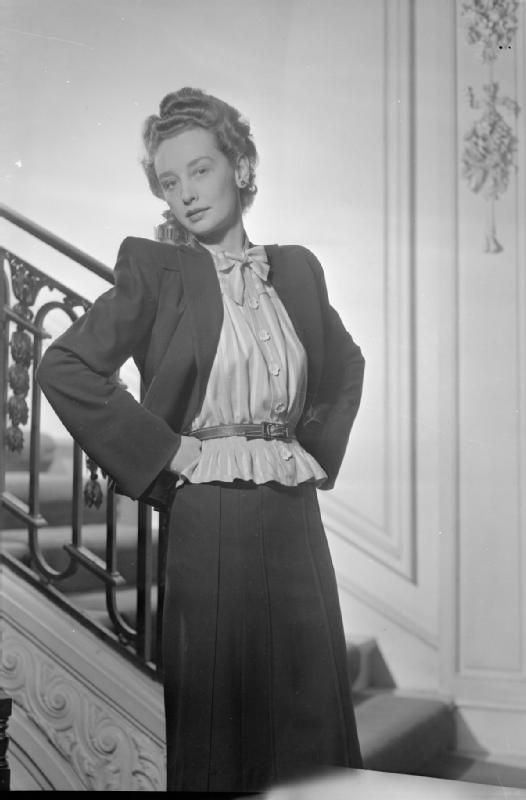
The 1940s were shaped by practicality, rationing and a more economical approach to clothing, but decoration did not disappear. In fact, small details became especially important because they could give personality to garments that otherwise needed to remain relatively simple.
Bows were perfect for this. A modest tie-neck blouse could brighten a plain skirt or suit, while a small bow at the collar or pocket introduced interest without requiring much extra fabric. Self-fabric ties and detachable scarves were useful because they allowed clothes to be restyled, helping a limited wardrobe feel less repetitive.
There was also something reassuringly feminine about a bow during a decade when women's clothing often borrowed the sharper lines of military and utility dress. Strong shoulders and tailored waists could be softened with a simple ribbon or neck tie, creating a balance between practicality and elegance.
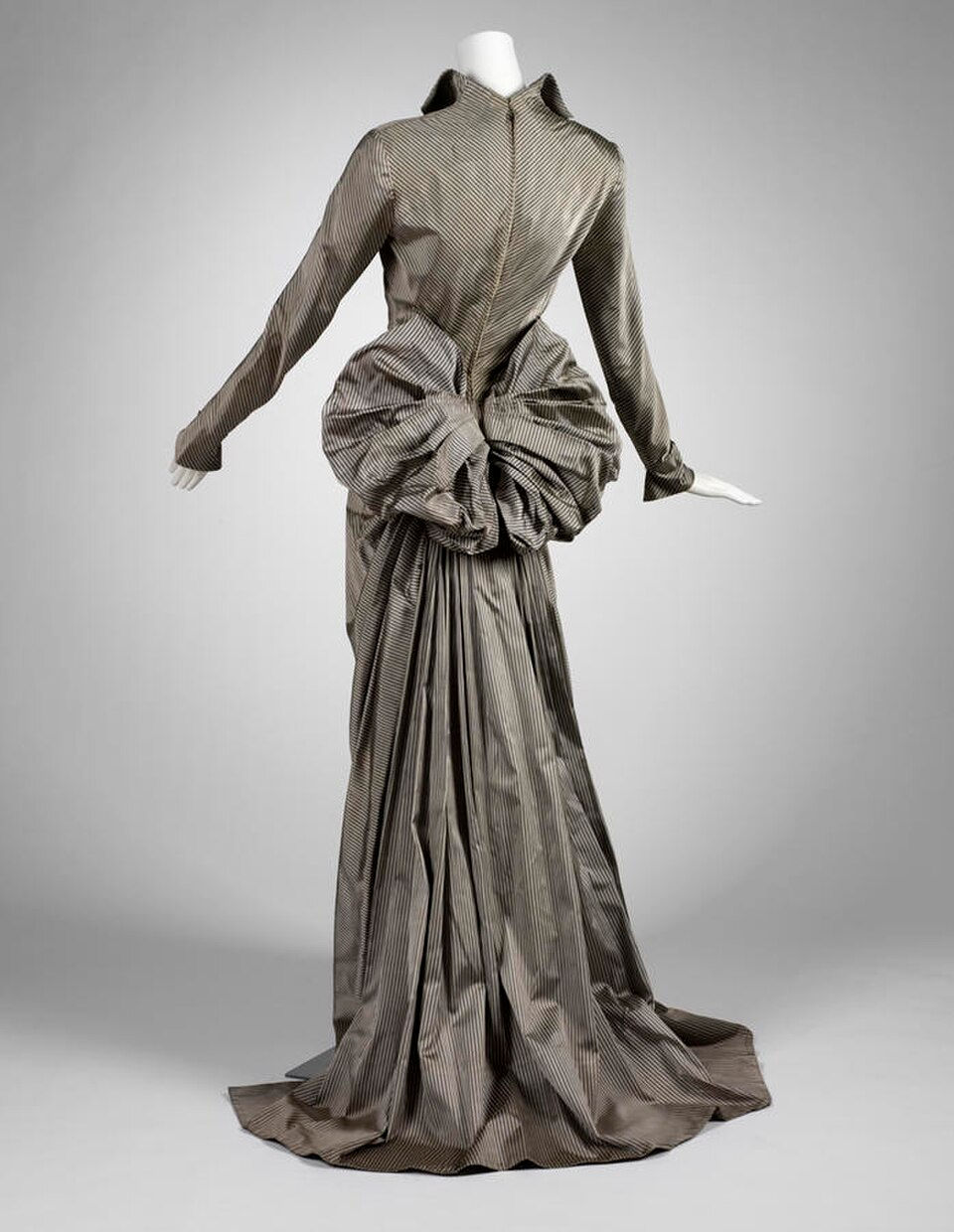
Eveningwear naturally offered more freedom. Velvet bows, satin sashes and decorative fastenings could add glamour without relying on elaborate construction, proving once againA that a bow did not need to be enormous to make a difference.
The 1950s: Bows Become Part of the Silhouette
The 1950s were perhaps the perfect decade for bows because fashion was once again embracing overt femininity. Full skirts, tiny waists, fitted bodices and polished accessories created countless opportunities for a well-placed tie, sash or bow.
Waist bows became particularly effective on dresses with fuller skirts. A sash tied at the back or side could exaggerate the waist while adding movement to the silhouette, especially when the bow was cut generously enough to hold its shape. On evening dresses, satin and taffeta created crisp bows with real presence, while softer fabrics produced a more romantic effect.
Neckline bows were equally popular. Some were small and neat, while others formed part of a blouse or dress collar, giving the upper half of the outfit a decorative focus. Combined with gloves, pearls and carefully coordinated accessories, the result could feel very polished without becoming overly elaborate.
The decade also understood the appeal of matching details. A bow might echo the colour of a belt, hat or shoe, creating the kind of coordinated finish that was central to 1950s dressing. It was this attention to detail that made even relatively simple outfits feel complete.
The 1960s: Bows Get Younger and More Graphic
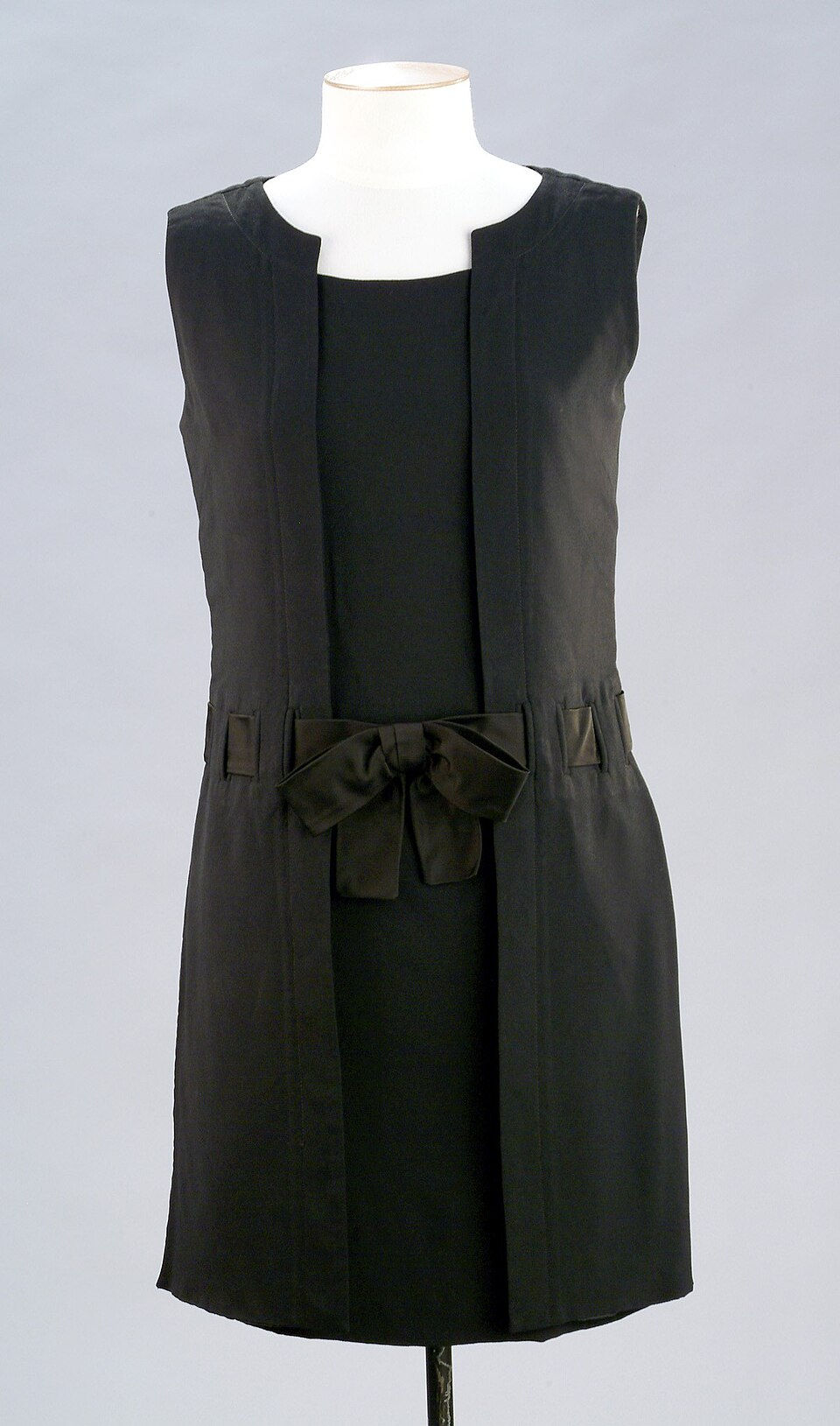
As fashion changed during the 1960s, bows changed with it. The heavily shaped silhouettes of the 1950s gave way to straighter dresses, shorter hemlines and a much more youthful mood, and bows became cleaner, brighter and often more playful.
Small neck bows worked beautifully with crisp blouses and shift dresses, especially in contrasting colours. Black-and-white combinations, bright primaries and simple geometric shapes suited the more graphic side of Mod fashion, while a neat bow could make a simple dress feel instantly more considered.
Hair bows also became particularly visible during this period. Worn with ponytails, bouffants or neatly styled hair, they reinforced the youthful energy of the decade and often appeared in striking colours or prints. Unlike the more elegant scarf ties of earlier years, these bows could feel deliberately cute, especially when paired with mini dresses and flat shoes.
At the same time, designers began experimenting more with proportion. A bow no longer needed to be delicate; it could be larger, shar\'\\\\\\\\\\\\\\\\\\\\\\\\\\\\\\\per or deliberately oversized, hinting at the much more dramatic versions that would emerge in later decades.
The 1970s: Romantic Bows and Bohemian Ties
The 1970s gave bows a softer, more relaxed character. Fashion was drawing heavily on romantic, folk and historical influences, which made tie-neck blouses and softly draped bows feel entirely at home.
The pussy-bow blouse became particularly prominent, often worn with high-waisted skirts, flared trousers or tailored suits. Its appeal lay in the contrast between softness and structure: the blouse might be fluid and romantic, while the rest of the outfit remained sharp and practical.
Prints played an important role too. Floral, paisley and geometric fabrics gave bow-tied necklines extra personality, while chiffon and lightweight synthetics allowed the ties to fall rather than sit rigidly. This gave the detail a very different mood from the crisp satin bows of the 1950s.
Bows also appeared in eveningwear, particularly in softer forms at the shoulder or waist. The decade's willingness to mix romance with glamour meant that a bow could sit comfortably alongside velvet, lurex, embroidery or dramatic sleeves without feeling too precious.
The 1980s: Bigger Really Was Better
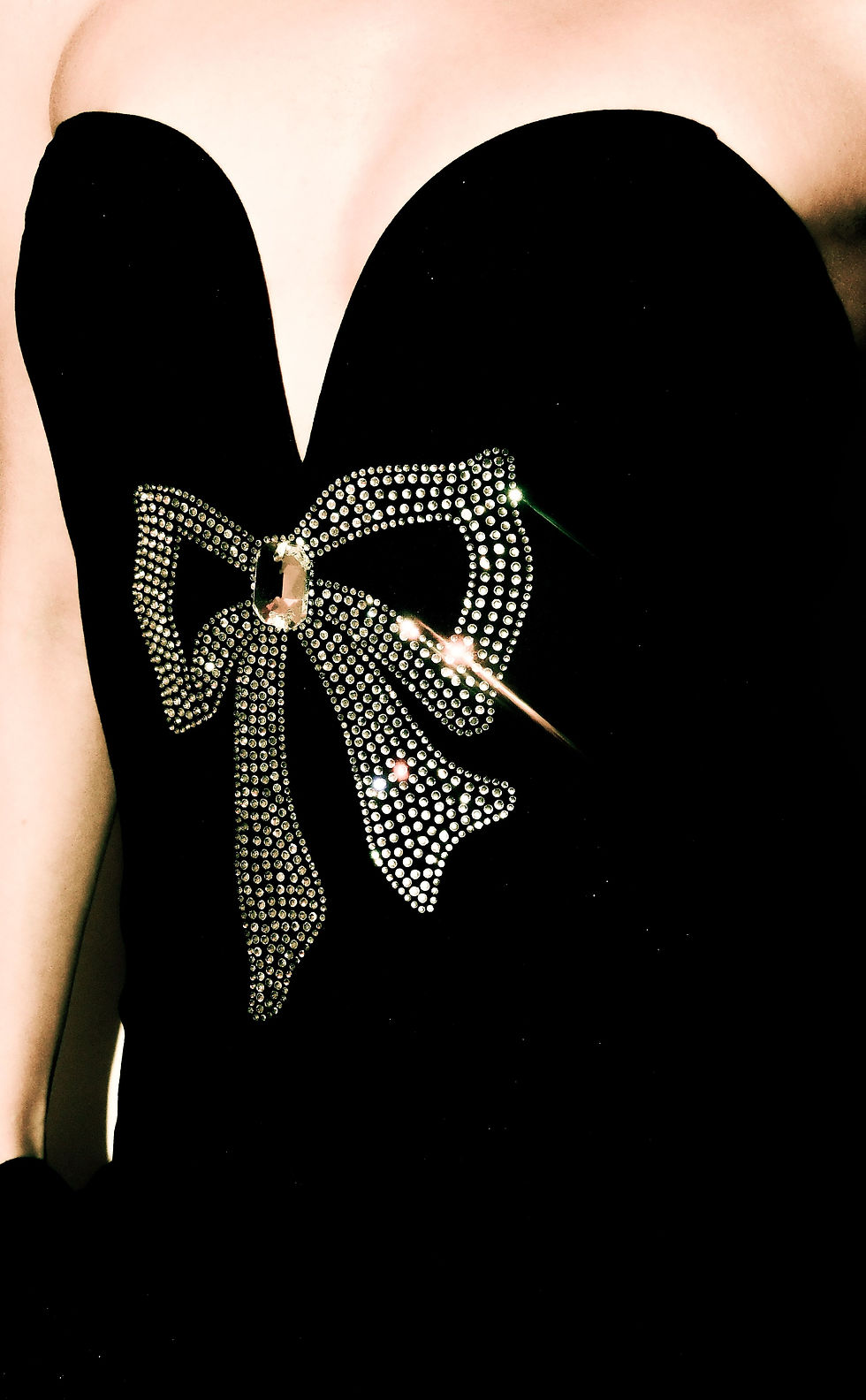
If the 1980s liked a fashion detail, it usually made it larger, and bows were no exception. This was the decade of dramatic shoulders, sculptural eveningwear and unapologetic decoration, so the bow finally had the chance to become a full-blown statement.
Oversized bows appeared at shoulders, necklines, hips and backs, sometimes forming the entire focal point of a dress. Stiff fabrics such as taffeta were especially useful because they could hold exaggerated shapes, while satin and metallic finishes added even more impact.
The placement could be deliberately off-centre or asymmetrical, adding another layer of drama. A large bow on one shoulder, for example, could work with padded shoulders to create a striking silhouette, while a bow at the hip added volume exactly where the decade seemed determined to add volume wherever possible.
Even simpler garments embraced the look. Blouses with bow-tied necklines, party dresses with sash details and evening jackets with decorative bows all fitted naturally into a fashion landscape where subtlety was rarely the main objective.
The 1990s: Bows Become Quieter Again
By the 1990s, fashion had largely stepped away from the excess of the previous decade, and bows became more restrained. Minimalism, grunge and pared-back styling all influenced the way decorative details were used, so the bow often appeared smaller, softer or slightly ironic.
Slip dresses and simple eveningwear occasionally used tiny bows at straps or necklines, while blouses might feature narrow ties rather than dramatic pussy bows. Hair accessories remained popular too, but the overall mood was less polished and more relaxed.
This quieter use of bows suited the decade perfectly. Rather than dominating the outfit, the detail became something you noticed on closer inspection, adding a hint of femininity to otherwise simple clothes. It was a reminder that bows did not always need to shout to be effective.
Why Bows Keep Coming Back
Fashion returns to bows because they are wonderfully adaptable. They can be made from almost any fabric, placed almost anywhere on a garment and adjusted in scale to suit the mood of the moment. A bow can be romantic, graphic, glamorous, playful or severe, depending entirely on how it is handled.
They also work because they create instant visual focus. A bow naturally draws the eye to a neckline, waist, shoulder or back, making it a simple way to shape the way an outfit is read. Designers can use that focus to soften tailoring, emphasise a waist or add drama to otherwise plain fabric.
Perhaps most importantly, bows carry a sense of nostalgia without belonging entirely to one period. A velvet neck bow might suggest the 1930s, a sash waist the 1950s, a pussy-bow blouse the 1970s and an enormous taffeta shoulder bow the 1980s. The detail is familiar, but its meaning changes every time fashion brings it back.
How to Wear Vintage Bows Today
The easiest way to wear bows now is to let one strong detail do the work. A blouse with a tie neck can look beautifully modern with jeans or tailored trousers, while a dress with a bow waist needs very little extra decoration.
Oversized bows are easiest to balance with simpler pieces. A dramatic 1980s bow blouse can feel surprisingly fresh with plain trousers or denim, while a smaller 1950s-style bow at the waist works naturally with a simple coat or cardigan.
Hair bows can also be a lovely way to introduce the look without committing to a bow-heavy outfit. A velvet ribbon, silk tie or small structured bow can add vintage character while still feeling completely wearable.
What Should You Look for in Vintage Bow Details?
Condition matters, particularly with bows made from delicate satin, silk or velvet. Repeated tying and folding can weaken the fabric, while larger bows may lose their original shape if stored badly. Stiffened bows can sometimes crease or collapse over time, so it is worth checking how well the structure has survived.
Construction can be especially interesting. Some bows are fully functional ties, while others are stitched permanently into position. A self-fabric bow may have been designed specifically to match the garment, while detachable bows and scarves offer more flexibility.
Placement is another clue to the period. A narrow neck bow, waist sash, hip bow or oversized shoulder detail can all suggest very different decades, especially when considered alongside the silhouette and fabric.
From Sweet Detail to Fashion Statement
Bows have survived because they are far more flexible than their reputation suggests. They can soften, sharpen, exaggerate or completely transform a garment, and they have moved easily between daytime dressing, eveningwear, tailoring and accessories for decades.
The most interesting vintage examples are often the ones that capture the character of their era most clearly: a crisp 1950s waist bow, a flowing 1970s pussy tie or a gloriously oversized 1980s statement bow.
Each takes the same simple idea and turns it into something completely different.
That is perhaps why fashion keeps falling for bows. However many times they disappear, they always find a way back, usually looking just different enough to feel new again.

Comments