


When Fashion Fell for Fringe

Few fashion details have quite the same sense of movement as fringe. It sways, shimmers, flicks and catches the light in a way that flat fabric simply cannot, which is probably why designers have returned to it whenever clothes have needed a little more drama. Depending on the material and the way it is used, fringe can be glamorous, bohemian, theatrical, rebellious or playful. Beaded strands on an evening dress have a completely different character from long suede tassels on a jacket, yet both rely on the same simple idea: decoration that changes as the wearer moves.
That versatility has allowed fringe to appear in some very different fashion moments. It danced through the 1920s, became a more restrained evening detail in later decades, picked up Western and folk influences during the 1960s and 70s, and then returned with all the exuberance you would expect from the 1980s. Since then, it has continued to resurface on jackets, skirts, dresses, handbags and accessories, sometimes as a subtle trim and sometimes in such quantity that the entire garment seems designed around movement. What makes vintage fringe particularly interesting is that it is rarely there by accident; whether it exaggerates a hemline, adds texture to suede or throws light from rows of beads, it has always been one of fashion’s most expressive finishing touches.
The 1920s: Fringe Learns to Dance
The decade most closely associated with fringe is undoubtedly the 1920s, although the reality was far more varied than the familiar image of every flapper in a dress covered from shoulder to hem in swinging tassels. What made fringe so effective during the period was the way it suited the new silhouette. Dresses had become shorter, straighter and less structured than the fashions that came before them, and eveningwear increasingly celebrated movement rather than restricting it. Rows of silk fringe, beaded strands and decorative tassels could transform a relatively simple shape once the wearer began to walk or dance, giving the garment a completely different life in motion.

That quality made fringe especially suited to the energetic nightlife of the decade. Faster dances and changing social habits created a fashion environment where clothes were expected to move, and the decoration responded to every turn, kick and step. Beading, sequins and metallic embroidery often appeared alongside fringe, creating surfaces that shimmered under evening lights and made the dress itself part of the spectacle. There was something wonderfully modern about it: decoration was no longer simply something to admire while a wearer stood still, but something designed to come alive through movement. It is little wonder that the association between the 1920s and fringe became so enduring.
The 1930s and 1940s: A More Restrained Approach
As fashion moved into the 1930s, the silhouette became longer, softer and more body-conscious, and fringe adjusted with it. The decade’s bias-cut gowns already had a natural fluidity, so there was less need for decoration to create movement from scratch. Instead, fringe could be used more selectively, appearing along sleeves, capes, shawls or evening hems where it complemented the flow of the fabric rather than overwhelming it. Fine tassels and beaded trims suited the elegance of the period particularly well, especially when they echoed the long vertical lines of eveningwear.
The 1940s naturally brought a more practical approach to clothing, with wartime restrictions affecting both fabric use and decorative excess. Lavish layers of fringe were hardly the most economical choice, yet tasselled trims and fringed accessories never disappeared completely. Eveningwear, shawls and bags still offered opportunities for texture when circumstances allowed, while smaller decorative details could make relatively simple garments feel special. It is one of the recurring themes in the history of fringe: even when fashion becomes restrained, the detail tends to survive somewhere in the background, waiting for a more decorative mood to return.
The 1950s: Fringe Finds Evening Glamour
The polished femininity of the 1950s gave fringe another change of character. Full skirts, fitted bodices and carefully coordinated accessories shaped much of the decade, so fringe was less likely to dominate an everyday garment and more likely to appear as part of evening dressing. It worked beautifully on shawls, wraps, cocktail dresses and handbags, where it could introduce movement and texture without disturbing the carefully constructed silhouette beneath.
A fringed stole or beaded evening bag could add just enough softness to a polished outfit, while tasselled trims offered an alternative to embroidery, bows or other decorative finishes. The growing influence of travel, leisurewear and international design also introduced new possibilities, allowing fringe to appear in more relaxed and novelty-inspired pieces as the decade progressed. By the end of the 1950s, fashion was beginning to loosen its grip on the highly coordinated look that had defined the earlier part of the decade, and fringe was perfectly placed to follow that shift.
The 1960s: Fashion Starts to Loosen Up
The 1960s changed the way fashion approached decoration. Early in the decade, clothing could still feel crisp and polished, but youth culture gradually introduced a much more eclectic attitude, pulling inspiration from folk dress, Western clothing, music, travel and counterculture. Fringe fitted into that world almost effortlessly. It began appearing on handbags, boots, jackets and dresses, where it felt less like formal embellishment and more like a sign of individuality.

Suede was particularly important because it gave fringe a completely different personality from the glittering beaded versions associated with the 1920s. Long strips of suede or leather had a tactile, earthy quality and looked particularly striking when used on jackets and waistcoats. Rather than appearing polished or glamorous, the effect could be relaxed, rustic and slightly rebellious. As the decade moved towards its end and bohemian influences became stronger, fringe increasingly belonged to a fashion vocabulary built around natural textures, layering and clothes that were designed to move freely rather than hold a precise shape.
The 1970s: Fringe Finds Its Natural Home
If the 1920s made fringe glamorous, the 1970s made it cool. Few decades embraced texture, movement and decorative detail with quite as much enthusiasm, and fringe appeared across everything from jackets and waistcoats to skirts, boots and handbags. Western influences, folk dressing and the growing popularity of bohemian style all helped make suede and leather fringe particularly visible, while the relaxed silhouettes of the decade gave it plenty of room to move.

A fringed jacket could transform even a simple outfit, especially when worn with flared trousers, denim, printed blouses or a maxi dress. The long strands softened the structure of the garment and gave it a sense of ease that traditional tailoring simply could not achieve. Bags with tasselled edges became equally popular, particularly when combined with tooled leather, embroidery, patchwork or other richly textured finishes. At the same time, the decade’s glamorous side brought fringe back into the evening. Disco fashion rediscovered shimmer, metallic threads and beading, creating a pleasing link with the dancewear of the 1920s. Once again, clothes were designed not just to be seen, but to move under lights, and fringe was perfectly suited to the job.
The 1980s: Fringe Gets Louder
The 1980s were not known for doing anything quietly, and when fringe appeared it often became bigger, bolder and more theatrical. Eveningwear made enthusiastic use of long beaded strands, especially along sleeves, shoulders and hemlines, where every movement could create a little extra drama. Combined with sequins, metallic fabrics and strong silhouettes, fringe became another weapon in the decade’s impressive decorative arsenal.
Western-inspired fashion also continued to influence jackets and accessories, particularly through leather and suede pieces worn with denim, boots and oversized shirts. Music and stagewear pushed the look even further, turning fringe into something designed to perform as much as decorate. What had once been a subtle way of adding movement could now dominate the entire garment, and that sense of spectacle is part of what makes original 1980s fringed pieces so unmistakable today.
The 1990s and Y2K: Fringe Becomes Playful Again
By the 1990s, fashion had largely stepped away from the excess of the previous decade, but fringe never vanished. Instead, it became more selective, appearing on bags, skirts, clubwear and occasional evening pieces, often with a more relaxed or ironic feel. Bohemian influences continued to keep suede tassels and fringed accessories alive, while the decade’s growing interest in vintage fashion meant earlier styles were increasingly being rediscovered rather than treated as belonging firmly to the past.
As fashion moved into the Y2K years, tassels and fringe became especially visible on accessories. Small shoulder bags, beaded evening bags and suede styles often used movement as part of their appeal, and the growing habit of mixing decades meant a fringed piece no longer had to belong clearly to one era. A bag could suggest the 1920s through beadwork, the 1970s through its shape and still feel completely contemporary when worn with low-rise jeans or a simple evening outfit. That freedom from strict period rules helped fringe become less of a historical reference and more of a recurring fashion language.
Why Fringe Works So Well
Part of fringe’s longevity comes from the fact that it does something most decorative details cannot: it changes constantly while it is being worn. A row of fringe along a skirt hem exaggerates every step, long tassels on a jacket make the whole silhouette feel softer, and beaded strands catch light in a way that gives even a relatively simple garment an almost theatrical quality. The material matters too, because silk fringe can look delicate and fluid, suede feels relaxed and tactile, while beads or metallic threads immediately push the look towards glamour.

That adaptability is what has allowed the same basic idea to survive across such different periods. Fringe can look decadent on a 1920s evening dress, romantic on a shawl, rebellious on a 1970s suede jacket or gloriously excessive on an 1980s cocktail dress. Perhaps most importantly, there is also something instinctively enjoyable about wearing it. Clothes that move differently feel different, and that physical sense of movement is part of the reason fringe continues to return whenever fashion wants a little more personality.
How to Wear Vintage Fringe Today
The easiest way to wear vintage fringe now is to let one piece provide the movement and texture while keeping the rest of the outfit relatively simple. A suede fringed jacket, for example, can work beautifully with denim and a plain knit, while a beaded or fringed skirt needs very little additional decoration to make an impact. That contrast between a characterful vintage piece and quieter contemporary clothing often makes fringe feel far more wearable than attempting to recreate an entire period look.
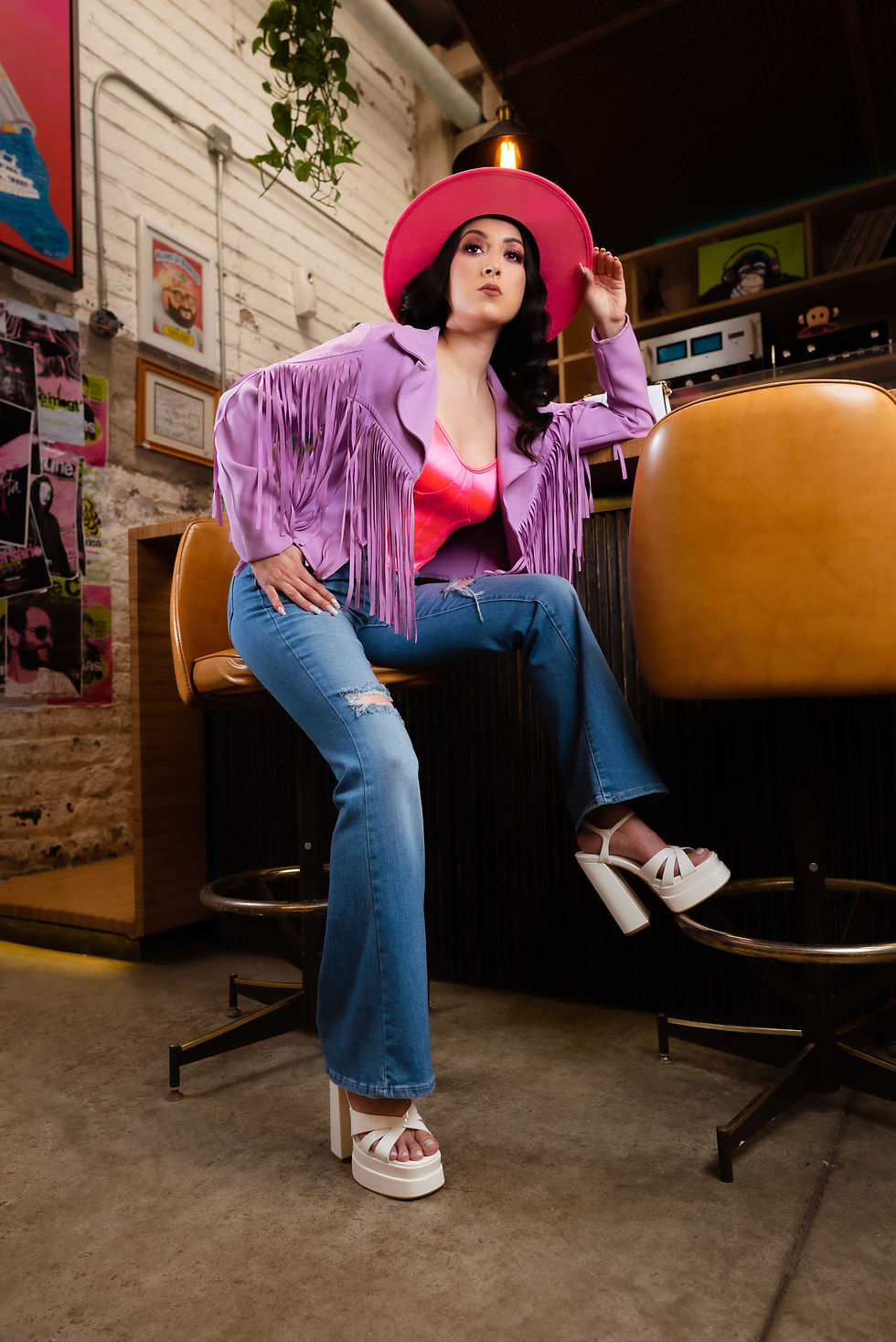
Accessories are an equally easy way to introduce it. A fringed handbag, shawl or scarf can add texture without making the outfit feel themed, while beaded or metallic fringe still works wonderfully for evening wear. Vintage fringe is particularly good at bridging old and new because the detail itself has appeared in so many different decades; paired with modern basics, it tends to look intentional rather than costume-like.
What Should You Look for in Vintage Fringe?
Condition deserves particular attention because fringe has a habit of tangling, stretching and gradually disappearing over time. Individual strands can break, beading can loosen and suede fringe can curl or stiffen if it has been stored poorly, so it is worth looking at how evenly the decoration hangs and whether any sections are noticeably thinner than others. With beaded pieces, occasional missing strands may be repairable, but extensive loss can alter the shape and movement of the garment considerably.
The attachment points are equally important. Because fringe is constantly moving when worn, the seams or stitching holding it in place can experience more strain than the surrounding fabric. Older pieces may therefore need particularly gentle handling around hems, shoulders and edges. Slight irregularity is not necessarily a problem, though; fringe is naturally lively, and a little unevenness can be part of its charm. The important thing is to distinguish between the character of an older piece and damage that is likely to worsen with wear.
Fashion’s Favourite Moving Detail
Fringe has survived for more than a century because it gives clothing something fashion continually searches for: movement, personality and a little theatre. It can transform the simplest silhouette, catch the light in unexpected ways and make even the act of walking part of the design. From the beaded glamour of the 1920s to the suede jackets of the 1970s and the exuberant eveningwear of the 1980s, every era has found its own way to use it.
That is probably why fringe never disappears for very long. It can be reinvented without losing the thing that makes it instantly recognisable, and whether it returns as a subtle trim or takes over an entire garment, it always brings a sense of movement with it. Fashion may change its mind about almost everything eventually, but fringe has a habit of swinging back into view — and it rarely arrives quietly.

Comments