


1950s Shoes for Women: Timeless Style Reinvented

Stepping into the world of 1950s women’s shoes is like unlocking a treasure trove of personal expression and timeless elegance. In post-war Britain, shoes shifted from practical basics to vibrant statements, thanks to economic growth and a newfound belief in individual style. This period introduced iconic heels, bold colours, and improved comfort that still influence vintage lovers today. Discover what made 1950s footwear so special and how these designs helped redefine femininity for a new era.
Table of Contents
Defining 1950s Women’s Shoes and Their Legacy

The 1950s marked a turning point for women’s footwear in Britain and beyond. After years of wartime austerity, the decade brought renewed optimism, economic growth, and a hunger for elegance that transformed shoes from simple necessities into expressions of style and femininity.
This era witnessed remarkable shifts in shoe design and availability. Initially, footwear featured understated single-coloured designs, but as the decade progressed, bright colours and playful patterns emerged. The 1950s post-war optimism created space for manufacturers to innovate with improved flexibility, fit, and comfort whilst maintaining designer elegance and refinement.
Several defining characteristics shaped 1950s women’s shoes:
Closed styles became the preferred silhouette, replacing the open sandals of earlier decades
T-strap designs experienced a modern revival, blending vintage charm with contemporary craftsmanship
Heels returned as a symbol of sophistication and femininity after wartime practicality
Diverse colour palettes replaced wartime greys and blacks with vibrant options
Material innovation introduced plastic sandals by decade’s end, making fashion more accessible
The 1950s transformed shoes from functional items into status symbols, reflecting both personal style and social position in post-war society.
In the UK specifically, post-austerity affluence meant shoes became available in unprecedented variety. Shoes now reflected different social functions, from everyday wear to special occasions. Designers emphasised luxury and elegance, making footwear a prominent aspect of women’s fashion that symbolised femininity in the mid-20th century.
The legacy of 1950s shoes extends far beyond that decade. Understanding vintage shoe styles throughout history helps modern wearers appreciate how 1950s designs established templates that remain influential today. Those original designs demonstrated that shoes could balance comfort with glamour, practicality with style.
What made 1950s footwear truly special was its optimism. Each shoe represented a woman’s right to express herself after years of restriction. Whether you favoured sleek pumps or decorative sandals, your choice meant something. That spirit of individual expression through footwear remains the heart of 1950s shoe appeal today.
Pro tip: When shopping for authentic 1950s shoes, look for quality construction details like reinforced heel counters and flexible soles—markers that distinguish genuinely vintage pieces from reproductions.
Key Shoe Styles: From Stilettos to Ballet Flats
The 1950s offered women an extraordinary range of shoe choices, each style reflecting different occasions, personalities, and fashion sensibilities. This diversity meant that whether you preferred glamorous evenings or comfortable everyday wear, there was a perfect shoe waiting for you.

Stiletto heels dominated the decade as the ultimate symbol of elegance and femininity. These slim, towering silhouettes commanded attention and conveyed sophistication with every step. The high stiletto heel became synonymous with 1950s glamour, worn by film stars and fashionable women across Britain and beyond.
Classic pumps provided versatility that made them wardrobe essentials. These shoes suited both professional settings and casual outings, adapting effortlessly to various social situations. A well-made pump could transition from office to afternoon tea without missing a beat.
Ballet flats emerged as a game-changing alternative, offering comfort without sacrificing style. Thanks to cultural icons like Audrey Hepburn, these low-heeled shoes gained immense popularity among women seeking practicality paired with elegance. The ballet flat became particularly beloved by younger women and those prioritising all-day wearability.
Beyond these three pillars, the 1950s shoe landscape included diverse options:
Wedge shoes combined stability with height, perfect for outdoor events
Saddle shoes offered playful, youthful appeal with their distinctive colour blocking
Loafers brought masculine-inspired style to women’s wardrobes
Sandals provided summer comfort in various designs
Boots added sophistication for cooler months
The true genius of 1950s shoe design lay in offering women genuine choices that reflected their individual lifestyles and preferences.
Each style served a purpose beyond mere function. Your shoe choice communicated something about who you were and how you wanted to be perceived. A woman wearing stilettos made a different statement than one in ballet flats, yet both were equally fashionable and acceptable.
This abundance of choices marked a significant shift from wartime restrictions. Women finally had the freedom to express themselves through footwear, selecting shoes based on personal preference rather than availability or necessity.
To help readers distinguish between the main shoe styles of the 1950s, here’s a quick comparison table:
Style | Typical Occasion | Iconic Feature | Notable Influence |
Stiletto | Evening, formal events | Slim high heel | Film stars |
Pump | Professional, casual | Rounded closed toe | All ages |
Ballet flat | Everyday, youth wear | Flat sole, simple look | Audrey Hepburn |
Wedge | Outdoor, garden parties | Stable platform heel | Summer functions |
Saddle shoe | Social, leisure | Two-tone design | Teenagers |
Pro tip: When building a 1950s-inspired shoe collection, start with one quality stiletto and one pair of ballet flats—these two styles form the perfect foundation for mixing period-appropriate looks with modern versatility.
Materials, Construction, and Colour Trends

The 1950s transformed how shoes were made and the colours women could wear. Manufacturing innovations created footwear that felt as good as it looked, whilst colour palettes exploded with possibilities that reflected post-war optimism and youthful energy.
Construction techniques improved dramatically throughout the decade. Moulded sole constructions offered better comfort and flexibility than rigid alternatives, meaning women no longer had to choose between style and wearability. Manufacturers refined heel heights, reinforced arch supports, and perfected fitting techniques to accommodate different foot shapes.
Material innovation marked another significant shift. The decade introduced plastic sandals by decade’s end, democratising fashion and making stylish shoes accessible to more women. Leather remained popular for quality pieces, but manufacturers experimented with new synthetics that offered durability and easier care.
Designers balanced elegance with function through thoughtful material selection:
Leather dominated premium footwear for its luxury feel and longevity
Canvas and cotton provided breathable options for summer wear
Plastic materials made sandals affordable and practical
Suede added soft texture to evening shoes and decorative styles
Rubber soles improved grip and cushioning significantly
The 1950s proved that fashion and comfort weren’t enemies—they could coexist beautifully through clever construction and material choices.
Colour trends shifted from wartime practicality to exuberant self-expression. The 1950s colour palette evolved from earthy, practical tones into bright and even bold hues that captured the decade’s youthful spirit. Women embraced vibrant reds, cheerful pastels, and jewel tones that would have been unimaginable just years before.
Popular colour choices reflected social occasions and personal style. Neutral blacks and browns worked for professional settings, whilst bright pinks, turquoises, and even lime greens appeared in casual and evening wear. Two-tone designs and colour blocking became fashionable, particularly in saddle shoes and loafers.
This explosion of colour options meant women could match shoes to their entire wardrobes rather than settling for neutral basics. A woman might own shoes in multiple colours, each paired with specific outfits and occasions.
For clarity on material choices and their benefits, see this summary table:
Material | Typical Usage | Key Advantage |
Leather | Premium shoes, evening | Longevity, luxury feel |
Canvas/Cotton | Summer, casual wear | Breathability |
Suede | Decorated, dress shoes | Soft texture |
Plastic | Sandals, affordable | Easy care, accessibility |
Rubber | Soles, all types | Enhanced comfort |
Pro tip: When evaluating vintage 1950s shoes, check soles and insoles for signs of quality construction—original moulded soles and reinforced heel cups indicate genuine period craftsmanship rather than modern reproductions.
Sourcing Authentic Vintage and Modern Alternatives

Finding the right 1950s shoes means understanding your options. You can pursue genuinely vintage pieces that carry the authenticity and craftsmanship of the era, or explore modern reproductions that capture the style with contemporary comfort.
Authentic vintage 1950s shoes require careful consideration. Condition matters significantly—worn leather, loose soles, or damaged heels affect wearability and value. Understanding what constitutes authentic vintage helps you make confident purchasing decisions and avoid reproductions masquerading as originals.
Sizing presents a practical challenge when shopping vintage. 1950s sizing conventions differ from modern standards, and feet have subtle variations across shoe styles and makers. Always measure your feet carefully and request detailed measurements from sellers before purchasing.
Where to source original vintage pieces:
Specialist vintage dealers offer curated selections with verified authenticity
Online vintage platforms provide wider choice and global access
Estate sales and auctions sometimes yield hidden treasures at reasonable prices
UK vintage fashion markets offer community connections and immediate inspection opportunities
Antique fairs feature dedicated footwear sellers with expertise
The UK’s strong vintage fashion culture means authentic 1950s shoes are more accessible here than in many other countries.
Modern alternatives serve different purposes. Contemporary makers replicate stylistic elements like stilettos, loafers, and saddle shoes whilst using modern materials for improved durability and comfort. These pieces work beautifully for everyday wear, events, or building a 1950s-inspired wardrobe without hunting rare originals.
Modern reproductions offer genuine advantages. You avoid sizing inconsistencies, enjoy reliable construction, and typically pay less. They’re ideal if you want wearable pieces without the investment or preservation concerns of genuine vintage shoes.
Consider your priorities when choosing between authentic and modern. Vintage pieces offer historical authenticity and unique character but require careful maintenance. Modern alternatives provide practical convenience and peace of mind, perfect if you plan regular wear.
Pro tip: Mix authentic and modern pieces strategically—wear modern reproductions for everyday activities and save genuine vintage shoes for special occasions when you can showcase their craftsmanship without risking damage.
Care, Sizing, and Preserving Vintage Shoes
Owning vintage 1950s shoes is a commitment to preservation and thoughtful maintenance. These treasures deserve care that keeps them wearable for decades to come, protecting your investment and honouring the craftsmanship of their makers.
Sizing vintage shoes requires patience and precision. 1950s shoe lasts differed significantly from modern standards, meaning a size 6 then doesn’t necessarily match a contemporary size 6. Measuring your feet accurately and requesting detailed measurements from sellers prevents costly mistakes when purchasing online.
Always try shoes on before committing to ownership. Vintage sizing variations mean that even shoes marked identically can fit differently. This is especially true for handmade pieces or those from smaller manufacturers.
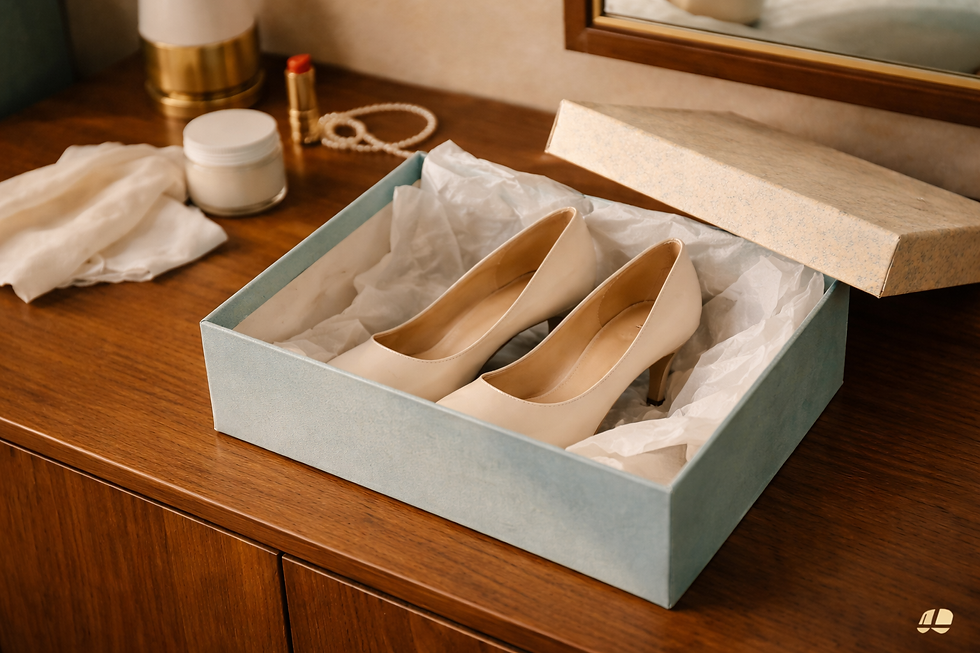
Proper care begins with understanding your shoes’ materials. Leather and fabric require different approaches to maintain their condition and appearance. Caring for vintage clothing extends to footwear through regular cleaning and appropriate conditioning treatments.
Essential care practices include:
Clean gently using soft cloths and appropriate materials to avoid damage
Condition leather periodically to prevent drying and cracking
Store with shoe trees to maintain shape and support structure
Keep in cool, dry environments away from direct sunlight
Avoid moisture which causes deterioration and mould growth
Prevent extreme temperatures that can warp or damage materials
Vintage shoes from the 1950s often outlast modern footwear—with proper care, they’ll reward you with decades of beauty and wearability.
Storage matters enormously for preservation. Acidic materials and plastic containers accelerate deterioration, so use archival-quality boxes or breathable cloth bags instead. Shoe trees maintain shape and prevent creasing, extending the life of your vintage pieces significantly.
Dirt accumulation damages materials over time. Clean shoes regularly with soft brushes and appropriate cleaners matched to their material. A quick wipe-down after each wear prevents grime buildup.
When damage occurs, professional restoration can work wonders. Skilled cobblers can repair soles, replace heels, and address minor wear, extending your shoes’ wearable life considerably. Don’t assume a shoe is beyond saving without professional assessment.
Pro tip: Store your vintage 1950s shoes with silica gel packets in a cool cupboard away from radiators, and rotate wearing them with modern alternatives to spread wear evenly and prevent overuse of delicate materials.
Discover Authentic 1950s Shoes That Celebrate Timeless Style
Are you captivated by the elegance and optimism of 1950s women’s shoes but unsure where to find authentic, quality pieces that truly reflect the era’s craftsmanship and vibrant colour palettes? Whether you seek classic stilettos, versatile pumps, or comfortable ballet flats, finding genuine vintage footwear that balances style with comfort can feel like a challenge. At My Vintage, we understand the importance of preserving the unique stories and meticulous construction behind every pair.
Explore our carefully curated collection of vintage 1950s shoes and apparel where each item embodies the spirit of post-war femininity and individuality. Embrace styles that empower you to express your personal story while enjoying vintage quality that lasts. Visit My Vintage now to select stunning authentic shoes that transform your wardrobe and reignite the glamour and freedom of the 1950s today.
Frequently Asked Questions
What are the signature styles of 1950s women’s shoes?
The defining styles of 1950s women’s shoes include stiletto heels, classic pumps, ballet flats, wedge shoes, saddle shoes, loafers, and decorative sandals, each reflecting different occasions and personal expressions.
How did 1950s women’s shoes differ from those of previous decades?
The 1950s saw a shift from functional, wartime footwear to elegant, expressive designs, with more varied silhouettes, vibrant colours, and innovations in materials and construction that prioritised comfort alongside style.
What materials were commonly used in 1950s women’s shoes?
Common materials included leather for premium pieces, canvas and cotton for breathable summer options, suede for evening and decorative styles, and eventually plastic for affordable sandals, marking a significant innovation in footwear.
How can I care for and preserve vintage 1950s shoes?
Caring for vintage shoes involves gently cleaning them, conditioning leather, storing them with shoe trees, and keeping them in cool, dry environments. Regular maintenance extends their lifespan and maintains their beauty.
Recommended


Comments