


6 Expert Tips for Styling Unique Vintage Skirts
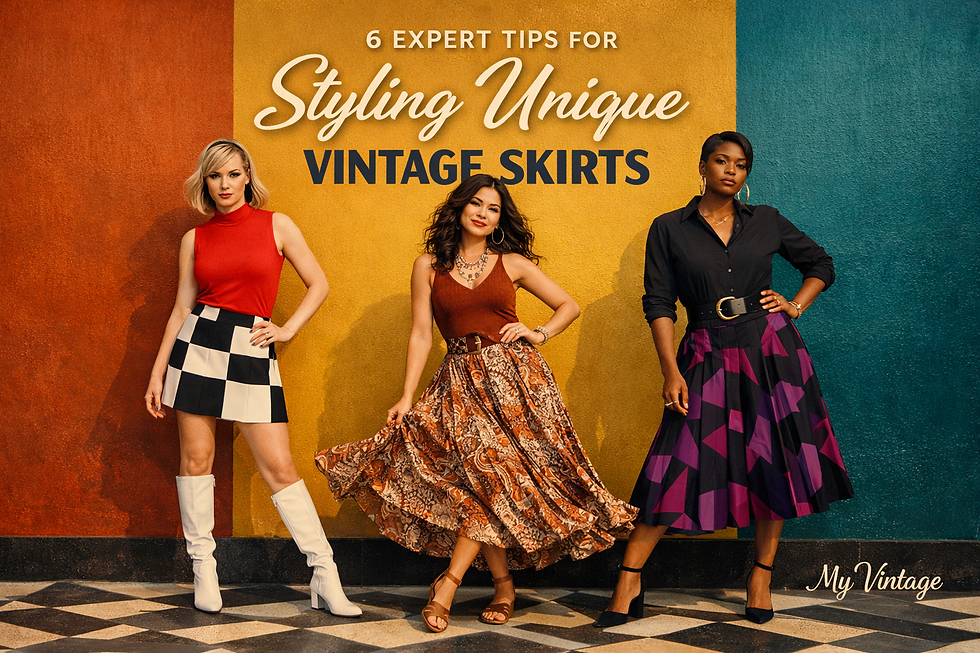
Finding vintage skirts that actually suit your style can feel overwhelming, especially with so many eras and options available. It’s easy to feel lost between the bold energy of the 1980s, the relaxed casualness of the 1990s, and the bohemian flair of the 1970s. You might also worry about looking outdated or not knowing how to care for delicate fabrics once you bring them home.
The right guidance makes all the difference. This list will show you clear strategies for choosing your perfect decade, styling vintage skirts with modern pieces, and caring for them so they last. You’ll also discover tips for spotting truly authentic garments and making your wardrobe more sustainable, all without guesswork or risk.
Get ready to learn straightforward, actionable ways to create a vintage skirt collection that feels uniquely yours, stands out for all the right reasons, and makes dressing up effortless and enjoyable.
Table of Contents
1. Choose the Best Decade for Your Style

Vintage skirts offer something modern fashion rarely delivers: authentic character and genuine individuality. But with decades of styles to choose from, how do you know which era speaks to you?
Finding your signature decade is the foundation of building a coherent vintage wardrobe. When you align your skirt selections with a particular era, you create a cohesive personal style that feels intentional rather than random. This approach helps you develop a distinctive look that’s genuinely yours.
British fashion history reveals clear patterns in what resonates with today’s style enthusiasts. The 1980s, 1990s, and 1970s remain the most popular decades for fashion inspiration in the UK, each bringing its own distinctive energy and silhouettes.
The 1970s celebrates bohemian and disco vibes. Think flowing A-line skirts, bold geometric prints, and maxi lengths that command attention. If you’re drawn to earthy tones, statement patterns, and effortless romance, this decade calls to you.
The 1980s embraces bold confidence and extravagance. Neon colours, metallic fabrics, and oversized silhouettes define this era. Choose the 1980s if you love high-impact style and aren’t afraid of standing out.
The 1990s offers grunge minimalism and casual ease. Slip skirts, denim, and understated elegance characterise this period. This decade suits you if you prefer quiet confidence and effortless sophistication.
Consider these factors when selecting your decade:
Your natural personality and how bold or understated you prefer to be
The colours that genuinely flatter your complexion and feel authentic
Your lifestyle and how a particular era’s silhouettes work with your body and daily activities
The occasions where you’ll actually wear vintage pieces
Your ideal decade isn’t determined by trends—it’s determined by what makes you feel most authentically yourself.
Start by exploring pieces from each era you find intriguing. Wear them, live in them, and notice which decade consistently makes you feel confident and comfortable. That’s your answer.
Pro tip: Explore pieces from multiple eras before committing, as your authentic style decade may surprise you—what looks appealing in photographs often feels different when you’re actually wearing it.
2. Identify Authentic Vintage Skirt Features

Not all vintage skirts are created equal. Learning to spot genuine vintage pieces protects your investment and ensures you’re actually getting authentic garments with real history and character.
Authentic vintage skirts reveal their age through specific construction details and materials that modern mass-produced clothing simply cannot replicate. These markers tell you whether you’re holding a genuine treasure or a contemporary reproduction.
Fabric composition and weight matter significantly. Vintage skirts from the 1970s and earlier often feature natural fibres like pure silk, linen, or quality cotton that feel noticeably different from today’s synthetic blends. Run the fabric between your fingers and notice the weight and drape.
Zips and fastenings are reliable indicators of age and authenticity. Understanding how to identify authentic vintage items means examining whether zips are metal rather than plastic, if hooks and eyes replace modern closures, and whether seams show evidence of hand finishing.
Look for these specific construction details:
Hand-stitched seams or irregular machine stitching that suggests older machinery
Flat-felled seams commonly found in vintage workwear and quality pieces
French seams indicating skilled construction from mid-century pieces
Bound seams instead of overlocked finishes typical of contemporary garments
Original labels with period-appropriate fonts and printing methods
Tags and labelling provide genuine clues about age. Vintage skirts often feature hand-sewn labels or labels printed using methods you won’t see in modern production. The paper quality, ink colour, and label positioning all reflect the era.
Wear patterns and fabric aging tell honest stories. Authentic vintage pieces show natural fading, subtle pilling in high-friction areas, and colour variations that come from genuine use over decades. This isn’t damage—it’s evidence of authenticity.
Genuine vintage skirts bear the unmistakable marks of time and care, not factory-fresh uniformity.
Check the hem carefully. Vintage hems often feature narrower widths than modern standards and may show stitching techniques particular to their era. Hand-rolled hems particularly indicate quality and age.
Pro tip: Photograph the label, seams, and hem details before purchasing, allowing you to compare construction methods across multiple pieces and develop confidence recognising authentic markers from your preferred decade.
3. Match Skirts with Modern Wardrobe Staples

The secret to making vintage skirts feel fresh and wearable is pairing them with contemporary basics that ground them in today’s world. This approach transforms a potentially costume-like outfit into something genuinely stylish and personal.
Starting with one standout vintage piece ensures balance. Choose your vintage skirt as the statement item, then build around it with understated modern essentials. This prevents the look from feeling themed or theatrical.
A vintage A-line skirt becomes instantly contemporary when paired with a simple modern blouse or fitted t-shirt. The contrast between the vintage silhouette and modern simplicity creates intentional styling rather than accidental mix-and-match. Pairing vintage skirts with modern basics balances proportions and creates updated looks that feel current without sacrificing character.
Proportion balance is crucial for polished results. Pair flowing or voluminous vintage skirts with fitted or structured modern tops. This creates visual harmony rather than overwhelming proportions. Conversely, fitted vintage skirts work beautifully with relaxed modern knits.
Consider these pairing strategies:
Vintage maxi skirt with a contemporary cropped top or tucked blouse
Vintage A-line skirt with modern ankle boots or sleek trainers
Vintage slip skirt with an oversized modern blazer for structure
Vintage pencil skirt with a relaxed modern linen shirt
Vintage printed skirt with a neutral modern sweater or plain t-shirt
Accessories ground vintage pieces in the present. A contemporary handbag, modern jewellery, and current footwear instantly anchor your outfit in today. These elements signal intentional styling rather than historical recreation.
Mixing textures strengthens the overall composition. A wool vintage skirt with a modern silk blouse creates interest without visual chaos. The contrast between fabrics adds dimension that makes the combination feel thoughtfully designed.
Tailoring vintage pieces for perfect fit boosts wearability. A skirt that fits your body properly feels modern and confident, regardless of its age. Proper tailoring removes any frumpy quality and makes vintage pieces actually wearable.
The magic happens when vintage character meets modern simplicity—not vintage overwhelmed by modernity, but balanced as equals.
Start by identifying which modern pieces you already love and reach for regularly. Build your vintage skirt collection around those foundations. This ensures you’ll actually wear the pieces rather than admire them unworn.
Pro tip: Create a mood board with your favourite vintage skirt photographed with various modern basics already in your wardrobe, helping you visualise unexpected pairings and build confidence mixing pieces.
4. Care for and Store Vintage Fabrics Properly

Vintage skirts are investments in both fashion and sustainability. Protecting them through proper care and storage ensures they remain beautiful for years and can be passed on to others who’ll treasure them.
Storage environment makes an enormous difference. Vintage fabrics deteriorate in warm, humid, or fluctuating conditions. Aim for a cool, dark space with stable temperature around 18°C and humidity between 65 and 70 percent. Avoid basements and attics where temperature and moisture vary dramatically.
Rolling fabrics prevents permanent creases. Folding vintage skirts creates deep wrinkles that can become permanent damage, especially in delicate natural fibres. Roll your pieces gently around acid-free tubes instead, protecting them from stress and strain.
Proper storage materials protect against deterioration. Use acid-free tissue paper and unbleached cotton as protective barriers between layers. Never use plastic containers, which trap moisture and encourage mold growth that destroys vintage textiles irreversibly.
Key storage principles include:
Store in a cool, dark location away from direct sunlight
Use acid-free tissue for wrapping and layering
Roll rather than fold garments whenever possible
Keep storage areas dust-free and well-ventilated
Avoid plastic bags and containers that trap moisture
Handle pieces with clean cotton gloves to prevent oil transfer
Cleaning requires gentleness and care. Harsh chemicals damage delicate vintage fabrics. Proper vintage clothing care protects natural fibres from damage and extends garment lifespan significantly. Consider professional cleaning for valuable or delicate pieces.
When cleaning at home, wear cotton gloves to prevent transferring oils and dirt. Use gentle, cool water and avoid wringing or twisting. Always dry flat to prevent stretching or misshaping the garment.
Light exposure causes fading and fibre degradation over time. Store your skirts in low-light environments and minimise their time in direct sunlight when wearing or displaying them.
Vintage skirts deserve the care you’d give to any treasured possession—gentle handling and thoughtful storage preserve their beauty and integrity.
Handle antique textiles carefully whenever moving or wearing them. The fibres in older pieces become more fragile with age, requiring extra consideration and support.
Pro tip: Label your storage containers with contents and check them quarterly, allowing you to catch any moisture, pest activity, or environmental issues before they damage your precious vintage collection.
5. Mix Patterns and Textures with Confidence

Vintage skirts offer endless opportunities for creative pattern and texture combinations. Learning to layer these elements transforms a simple outfit into something visually dynamic and distinctly yours.
Bold patterns and subtle textures work beautifully together. When you pair a striking vintage print with a quietly textured modern piece, each element enhances the other without creating visual chaos. This balance is what separates confident styling from overwhelming combinations.
Understanding colour harmony unifies diverse patterns. Mixing patterns and textures effectively uses colour theory to find complementary combinations that make prints feel intentionally paired rather than accidentally matched. Look for shared colour tones between your pieces to create coherence.
Start small when experimenting with pattern mixing. Introduce one patterned piece at a time and build from there. Your confidence grows as you see which combinations genuinely work together.
Texture contrast creates dimension and interest:
Pair leather jackets with delicate lace vintage skirts for edge
Layer silk blouses over textured vintage printed skirts
Combine denim with flowing vintage chiffon for unexpected softness
Mix velvet accessories with lightweight vintage cotton prints
Pair structured wool with flowing patterned vintage silks
Scale matters when combining patterns. A large geometric print pairs well with smaller, busier patterns or solid textures. Conversely, multiple bold, large-scale prints compete for attention and overwhelm the eye.
Introduce patterns through accessories first. A patterned scarf or bag lets you experiment without committing your entire outfit to a bold combination. This approach builds confidence before layering multiple patterned pieces together.
Volume and fabric quality affect how patterns read. Flowing vintage skirts showcase prints differently than fitted styles. Heavy fabrics display patterns more boldly than delicate ones, which affects how well they combine with other prints.
Successful pattern mixing expresses your personality while maintaining visual harmony—it’s about playing with confidence, not creating visual chaos.
Identify the existing textures and prints throughout your wardrobe. This inventory helps you spot natural pairings and understand which combinations feel authentic to your style.
Pro tip: Photograph potential outfit combinations on your phone before wearing them, allowing you to view the full picture objectively and catch clashing elements you might miss when dressing in the moment.
6. Incorporate Vintage Skirts for Sustainable Fashion

Choosing vintage skirts isn’t just a style statement—it’s a meaningful choice for the planet. Every vintage piece you wear represents one less item needing new production, packaging, and transportation.
Vintage fashion reduces environmental impact dramatically. Creating new clothing requires enormous amounts of water, energy, and chemical processing. When you buy vintage, you’re bypassing these resource-intensive manufacturing processes entirely.
Longevity defines sustainability. Vintage skirts have already survived decades in someone’s wardrobe, proving their durability and quality. Modern fast-fashion pieces often fall apart after a season or two, but vintage garments are built to last. Choosing pieces that endure longer is genuinely sustainable fashion in action.
Your wardrobe choices influence industry practices. Every vintage purchase sends a clear message about what matters to you. As more people choose vintage and secondhand, retailers and manufacturers must adapt their practices to remain relevant.
Vintage skirts offer specific sustainability advantages:
Zero new resource consumption or manufacturing emissions
No chemical dyes or processing required at point of sale
Reduced landfill waste by keeping garments in circulation
Support for circular economy principles
Durable construction that withstands years of wear
Unique pieces that encourage personal style over trend chasing
Building a vintage wardrobe costs less overall. Quality vintage pieces cost a fraction of new designer items whilst offering superior construction and longevity. This financial sustainability matters as much as environmental impact.
Vintage clothing represents the ultimate sustainable fashion choice for conscious consumers. By wearing vintage skirts, you’re actively participating in a more responsible approach to fashion consumption.
Authenticity and individuality strengthen your commitment. When you wear vintage, you’re wearing something with genuine history and character. This personal connection deepens appreciation for the piece and reduces the impulse to constantly buy new items.
Sharing your sustainable choices inspires others. When friends ask about your vintage skirts, you’re spreading awareness about sustainable fashion alternatives. Your wardrobe becomes a conversation starter about responsible consumption.
Every vintage skirt you wear is a small act of environmental stewardship wrapped in timeless style.
Consider the full lifecycle of your purchases. Vintage garments have already completed their initial journey. Keeping them in rotation extends their useful life and maximises the resources already invested in their creation.
Pro tip: Document your favourite vintage skirt purchases with photos and stories, creating a personal archive that celebrates your sustainable choices and reminds you why vintage fashion matters to both your style and the planet.
Below is a comprehensive table summarising the steps, strategies, and benefits associated with vintage skirts as presented in the article.
Topic | Details | Key Considerations |
Choosing a Decade | Selecting a specific era aligns your vintage style towards a cohesive personal fashion. | Explore multiple eras before deciding to identify the styles that truly resonate with you. |
Identifying Authentic Skirts | Genuine vintage skirts include unique fabric compositions, construction techniques, and authentic signs of age. | Inspect features like hand-stitched seams, period-appropriate labels, and natural ageing patterns to confirm authenticity. |
Integrating Modern Elements | Pairing vintage skirts with contemporary basics balances their character with today’s fashion trends. | Choose proportions and modern accessories that ground the vintage piece without overpowering its authenticity. |
Caring for Vintage Clothing | Proper care and storage methods preserve vintage fabrics, ensuring longevity and maintaining condition. | Store in stable environments using acid-free materials and gentle cleaning methods to prevent damage. |
Mixing Patterns and Textures | Combining bold vintage prints with modern textures creates visually dynamic outfits. | Begin with small introductions like accessories and use colour harmony to ensure complementary compositions. |
Supporting Sustainable Fashion | Vintage skirts represent a choice for environmental responsibility in fashion. | Embrace vintage fashion to partake in reducing waste, supporting a circular economy, and promoting sustainability. |
Discover Timeless Charm with Authentic Vintage Skirts at My Vintage
The expert tips shared in “6 Expert Tips for Styling Unique Vintage Skirts” highlight common challenges such as choosing the perfect decade, identifying genuine vintage craftsmanship, and blending vintage pieces with modern wardrobe staples. You want stylish pieces that truly represent your personality, withstand the test of time, and align with sustainable fashion values. At My Vintage, we understand these goals and specialise in offering authentic vintage skirts from carefully selected eras including the 1940s through to the 1990s. Our curated collection celebrates individuality, quality fabrics, and unique construction details that bring those very expert styling concepts to life.
Elevate your style with vintage skirts that match your personality and lifestyle exactly as the article recommends. Explore our full range at My Vintage and enjoy detailed product descriptions that help you identify authentic pieces. Embrace sustainable fashion without compromising on elegance by shopping with us today. Start your vintage journey now and turn expert advice into your everyday wardrobe reality.
Frequently Asked Questions
How can I identify my ideal vintage skirt decade?
Start by exploring different styles from multiple decades and see which resonates with your personal style. Wear pieces from the 1970s, 1980s, and 1990s, then determine which decade makes you feel most confident and comfortable.
What features should I look for to ensure a vintage skirt is authentic?
Check for natural fabric compositions, hand-stitched seams, and vintage-style labels. Focus on details like metal zips and unique stitching techniques, which indicate genuine vintage garments rather than modern reproductions.
How can I mix a vintage skirt with my modern wardrobe?
Begin by using your vintage skirt as a statement piece paired with understated modern basics. For example, combine a vintage A-line skirt with a simple fitted t-shirt to achieve a balanced and intentional look.
What are the best practices for caring for my vintage skirts?
Store your vintage skirts in a cool, dark place and roll them gently around acid-free tubes to prevent creasing. Always use gentle cleaning methods to maintain the integrity of the fabrics, avoiding harsh chemicals whenever possible.
How can I confidently mix patterns and textures with vintage skirts?
Start by pairing bold vintage patterns with subtly textured modern pieces to enhance each element. For instance, combine a floral vintage skirt with a plain silk blouse, ensuring your patterns harmonise by sharing complementary colour tones.
Why is incorporating vintage skirts a sustainable fashion choice?
Wearing vintage skirts reduces the need for new production, limiting environmental impact and resource consumption. By choosing durable, pre-owned pieces, you support sustainable fashion through responsible consumption, helping extend the lifecycle of high-quality garments.
Recommended


Comments