


1970s Makeup: Key Looks and How to Achieve Them
- Feb 21
- 8 min read
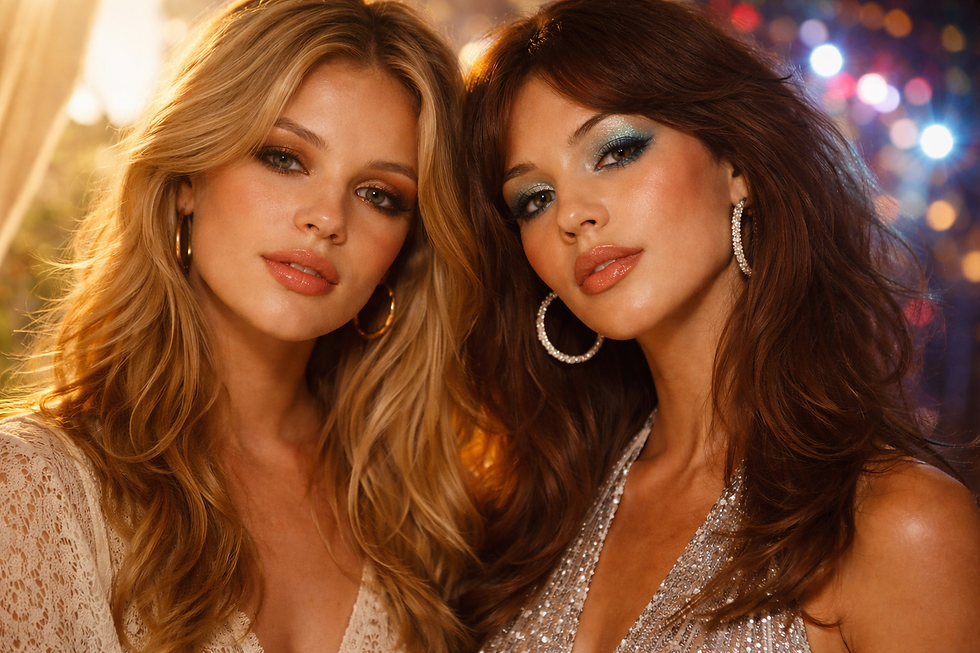
Finding the right makeup to match your vintage wardrobe can feel like a challenge. Authentic 1970s looks require a balance between glowing skin and dramatic colour, echoing the era’s vibrant blend of natural bohemian styles and disco glamour. Whether you favour Farrah Fawcett’s sun-kissed minimalism or Cher’s bold smoky eyes, this guide helps you discover how to recreate the decade’s key features to elevate your retro fashion.
Table of Contents
Defining 1970s Makeup: Core Features
The 1970s makeup aesthetic was fundamentally different from the decade before it. Rather than the geometric precision of the 1960s, this era embraced two distinct styles: the natural, barely-there look influenced by the hippie movement and the theatrical glamour of disco culture.
The natural aesthetic reflected the wider cultural shifts of the time. Feminism, environmentalism, and a growing scepticism of traditional beauty standards all shaped how people approached their makeup. This meant minimal foundation, emphasis on healthy glowing skin, and earth-toned colour palettes that celebrated a person’s natural complexion rather than masking it.
Disc culture brought something completely different to the decade. Whilst naturalism dominated daywear, nightlife demanded bold, theatrical statements. Metallic eyeshadows, intense contouring, and dramatic liner became the uniform of disco dancers and club-goers everywhere.
The key features that define authentic 1970s makeup include:
Glowing, healthy skin with minimal full-coverage foundation
Warm, earthy tones like terracotta, bronze, and olive green
Soft, blended eyeshadow rather than harsh lines
Natural brows that followed your natural shape, not heavily plucked
Cream and powder textures that gave a dewy, not matte, finish
Neutral or warm lip colours ranging from nude to deep browns and oranges
Optional metallic accents for evening or disco-inspired looks
What made 1970s makeup truly distinctive was the rejection of perfection. The decade celebrated imperfection and individuality in ways previous eras hadn’t. The influence of the women’s liberation movement meant people wore less makeup as a conscious choice, not because they lacked the skill to apply it.

This wasn’t about looking “natural” in a modern sense. Instead, it was about creating a lived-in, touchable beauty. Your skin should look like actual skin, not porcelain. Your eyeshadow should blend softly, not sit in defined blocks. Your lips should look like you’d just eaten something delicious, not painted on with precision.
The 1970s proved that beauty didn’t require perfection—it required authenticity and confidence in your own appearance.
Understanding these core features gives you the foundation to build any authentic 1970s makeup look. Whether you’re aiming for soft bohemian vibes or disco dazzle, these principles remain constant.
Pro tip: Start with your skincare before any makeup—the 1970s emphasis on glowing skin means foundation sits better when your skin is actually hydrated and prepped properly.
Here is a comparison of the two principal 1970s makeup styles and their distinct characteristics:
Aspect | Natural Bohemian | Disco Glamour |
Day vs. Night | Favoured daytime wear | Reserved for nightclubs |
Skin Finish | Dewy, radiant, minimal coverage | Contoured, often bronzed |
Eyeshadow | Earth tones, subtle definition | Metallics, vibrant colours |
Lips | Nude or peach tones | Glossy, often bold hues |
Brows | Natural shape, unplucked | Can be more defined or arched |
Cultural Influence | Hippie movement, feminism | Nightlife, celebrity trends |
Popular 1970s Makeup Colours and Finishes
The 1970s colour palette was wonderfully diverse, reflecting the decade’s split between bohemian restraint and disco exuberance. Unlike previous decades that favoured cool tones, the 1970s embraced warmth and earthiness as the foundation of authentic beauty.
Earth tones dominated the natural makeup aesthetic. Think terracotta, warm browns, soft peaches, and muted lilacs that complemented sun-kissed skin. These colours worked because they felt organic and approachable, not artificial or heavy. They suited nearly every skin tone when applied with the right blending technique.

For evening and disco looks, the palette shifted dramatically. Shimmering coppers, smoky blacks, and playful greens transformed faces into glamorous statements. Metallic eyeshadows caught the light as people danced, creating movement and energy that matched the disco ball aesthetic.
The most iconic colour combinations included:
Bronze and gold for glowing daytime looks
Copper and black for dramatic evening wear
Pale blue and lilac for softer, more delicate aesthetics
Warm brown and terracotta for everyday natural beauty
Shimmering green for bold, artistic statements
Finishes were equally important as colours. The 1970s demanded dewy, radiant skin rather than matte perfection. This meant using bronzer generously to create that sun-kissed glow, then adding subtle highlights for dimension. Glossy nude lips and satin-finish eyeshadows gave everything a polished yet touchable quality.
Metallic finishes were reserved for eyes and occasionally lips. Sparkly, shimmering eyeshadows created drama without looking costume-like. The key was blending them properly so they caught light naturally. Lip glosses replaced matte lipsticks, reflecting the decade’s preference for movement and shine.
The 1970s proved that glossy, dewy finishes didn’t mean looking greasy—they meant looking alive and vibrant.
When choosing colours for your 1970s look, remember context matters. Daytime calls for warm, earthy tones with minimal shimmer. Evening allows for bolder choices and more metallic shine. The unifying principle? Everything should enhance your natural glow, not mask it.
Pro tip: Cream eyeshadows blend more easily than powders and give that authentic 1970s dewy finish; apply them with your fingertip rather than a brush for a softer, more lived-in appearance.
This table summarises how popular 1970s makeup colours were typically worn for different occasions:
Occasion | Popular Shades | Typical Application |
Daytime | Terracotta, warm browns | Softly blended on eyes and cheeks |
Evening | Shimmering coppers, smoky black | Bolder on eyes, metallic finishes |
Special Events | Pale blue, lilac, green | Accents or full lid for attention |
Everyday | Muted peach, nude, rose | Enhances natural complexion softly |
Iconic Beauty Trends of the 1970s
The 1970s produced some of the most memorable beauty moments in fashion history. Celebrity culture shaped what people actually wore, making iconic figures like Farrah Fawcett, Cher, and Diana Ross the beauty benchmarks of the decade. Each brought something distinctly different to the makeup conversation.
Farrah Fawcett represented the natural, bronzed aesthetic. Her look featured sun-kissed skin with minimal eye makeup and soft, feathered hair. This approachable glamour resonated because it felt achievable, not unattainably artificial. It inspired millions to embrace bronzer and skip heavy foundation.
Cher took the opposite approach entirely. Sultry smoky eyes with strong eyeliner became her signature, paired with bold brows and dramatic makeup that made statements on stage and screen. She proved that theatricality had a place in everyday beauty too.
Diana Ross owned the disco glitter aesthetic. Her makeup featured shimmering eyeshadows, dramatic false lashes, and an unwavering confidence. She turned makeup into performance art, influenced by both soul music culture and the nightlife scene.
Beyond celebrity influence, several specific trends dominated the decade:
Smoky eyes with black, grey, or brown eyeshadow blended softly
Terracotta and warm blush creating sun-kissed cheekbones
Bold eyeliner in black or brown, sometimes extending beyond the eye shape
Mascara emphasis with advances in formulas allowing thicker, darker lashes
Shimmering eyeshadows from pale blues to deep metallics
Red nails and glossy lips reflecting disco culture influence
The punk movement introduced edgy alternatives. Super thin and rounded brows replaced the natural arch, paired with heavily lined eyes and pale, almost translucent skin. This anti-fashion stance became its own powerful aesthetic.
The 1970s beauty landscape proved that one trend didn’t have to suit everyone—self-expression through makeup was genuinely encouraged.
What makes these trends timeless is their diversity. You could wear barely-there makeup like Farrah or full disco glam like Diana Ross. Both were equally 1970s, equally valid, equally beautiful in their own way.
Pro tip: Study photographs of your chosen celebrity icon from the 1970s to understand their specific technique; pay attention to how they applied colour, where they placed emphasis, and how they balanced different makeup elements together.
Creating Authentic 1970s Makeup Looks
Building an authentic 1970s makeup look starts with understanding your foundation. The decade rejected heavy, full-coverage bases in favour of lightweight formulations that let skin show through. This creates that crucial dewy, glowing aesthetic that defines the era.
Start with a lightweight foundation or tinted moisturiser applied sparingly. Focus coverage only where you truly need it. The goal is enhancing your natural skin, not masking it completely. This approach actually photographs better and feels more comfortable throughout the day.
Once your base is set, add dimension with bronzer and blush. Apply bronzer to the hollows of your cheeks, temples, and jawline for that sun-kissed contour. Layer warm blush on the apples of your cheeks in peach, terracotta, or rose tones. Blend everything thoroughly so transitions feel soft and natural.
The eyes are where 1970s makeup truly comes alive. Warm-toned eyeshadows with subtle shimmer work beautifully across most looks. Apply your chosen shade across the lid, blending upwards toward the brow bone with a transition shade.

Mascara makes or breaks the 1970s eye. Apply multiple coats to both upper and lower lashes for that voluminous, dramatic effect. This single step transforms your entire face, so don’t be shy with product. The emphasis on lashes was absolutely essential to the decade’s aesthetic.
For your chosen look, decide between two approaches:
Natural, bohemian style: Minimal eyeshadow, focus entirely on skin glow and lash volume
Disco glamour: Bold smoky eyes, winged eyeliner, metallic accents, maximum drama
Glossy nude or warm-toned lips finish either look beautifully. Avoid matte formulas entirely. The glossy texture catches light and adds movement, perfectly capturing 1970s energy.
Maintain natural, bushy brows throughout. Resist over-plucking. Your brows should frame your face softly, not dramatically. This grounds your entire look and prevents it from feeling costume-like or overly styled.
Authenticity in 1970s makeup comes from balancing glow with drama, never going fully natural or fully theatrical.
Practice your chosen look a few times before wearing it out. Blend becomes instinctive with repetition, and you’ll discover what proportions suit your face best.
Pro tip: Apply eyeshadow before mascara so you can gently brush away any fallout, then finish with mascara when your eye is complete.
Embrace the True Spirit of 1970s Makeup with Authentic Vintage Style
Mastering the iconic 1970s makeup looks means embracing natural glow, warm earthy tones and that effortless balance between bohemian ease and disco glamour. If you are striving to complete your authentic 1970s aesthetic, finding the right vintage clothing and accessories is essential to truly capture the decade’s unique confidence and individuality. The challenge is to blend authentic makeup with carefully chosen vintage apparel that speaks to the era’s timeless style and empowering vibe.
[
At My Vintage, you can explore a curated collection of genuine 1970s fashion that perfectly complements your glowing skin, metallic accents and natural brows. Whether you want relaxed bohemian pieces for daytime or dazzling disco glam outfits for special events, our carefully selected vintage range helps you bring these iconic beauty trends to life. Get ready to express your own 1970s beauty identity with authenticity and confidence today by visiting our landing page and discovering pieces that elevate your makeup-inspired look to full vintage perfection.
Frequently Asked Questions
What are the core features of 1970s makeup?
The core features of 1970s makeup include glowing, healthy skin with minimal coverage, warm earthy tones, soft blended eyeshadow, natural brows, cream and powder textures for a dewy finish, neutral or warm lip colours, and optional metallic accents for evening looks.
How can I achieve the natural bohemian makeup look of the 1970s?
To achieve the natural bohemian look, focus on dewy, radiant skin with minimal foundation. Use warm tones like terracotta and soft peach for eyes and lips. Emphasise soft blending of eyeshadow and maintain a natural brow shape while applying bronzer and blush to enhance your complexion.
What colours were popular in 1970s disco makeup?
Popular colours for disco makeup included shimmering coppers, smoky blacks, and vibrant greens. Metallic eyeshadows were commonly used to create bold, eye-catching designs that reflected the energetic atmosphere of nightclubs, while glossy lips in bold hues finished the look.
What makeup techniques can I use to create a smoky eye in the 1970s style?
To create a 1970s-style smoky eye, start by applying a dark eyeshadow (like black or deep brown) and blend it softly across your eyelid, extending it slightly beyond the crease. Use a lighter shade for subtle highlights, emphasise with bold eyeliner, and apply multiple coats of mascara for a voluminous effect.
Recommended


Comments