


1990s Aesthetic: Fashion, Decor and More

The 1990s aesthetic is often dismissed as mere nostalgia, a quirky throwback best left in the past. That view could not be more wrong. Far from being a simple retro trend, the 1990s style represents one of the most radical shifts in fashion history, moving away from 1980s excess towards minimalism, street culture, and genuine self-expression. Whether you are drawn to the raw energy of grunge, the bright chaos of rave, or the cool restraint of minimalist chic, the 1990s offers something truly distinctive. This guide will help you understand, source, and wear the authentic 1990s look with confidence.
Point | Details |
Defining traits | The 1990s aesthetic blends minimalist fashion, subcultural influences, and earthy decor for a unique, individual look. |
Iconic items | Baggy jeans, crop tops, slip dresses, and labels like Levi’s and Tommy Hilfiger are essential 90s staples. |
Mix, don’t match | Combine authentic 1990s pieces with modern elements to keep your style or home timeless, not just retro. |
Authenticity wins | Check tags, seams, and patina to ensure clothing and decor are truly vintage, not reproductions. |
Expressive and sustainable | Collecting 1990s items supports sustainable fashion and decor while letting you express your individuality. |
Defining the 1990s Aesthetic: Core Influences and Evolution
To truly appreciate the 1990s aesthetic, you need to understand what it was reacting against. The 1980s were a decade of shoulder pads, neon, and conspicuous glamour. By the early 1990s, fashion was craving something rawer and more honest. The shift to minimalism and subcultural influences brought grunge, hip-hop, and rave culture to the forefront, each offering its own rebellious visual language.
Grunge arrived from the Seattle music scene, turning ripped jeans, flannel shirts, and worn-in boots into deliberate style statements. Hip-hop brought baggy silhouettes, bold sportswear, and a swagger that was entirely its own. Rave culture exploded with neon colours, PVC fabrics, and a joyful disregard for conventional dress codes. Meanwhile, luxury houses like Calvin Klein and Donna Karan championed understated elegance, proving that less could absolutely be more.
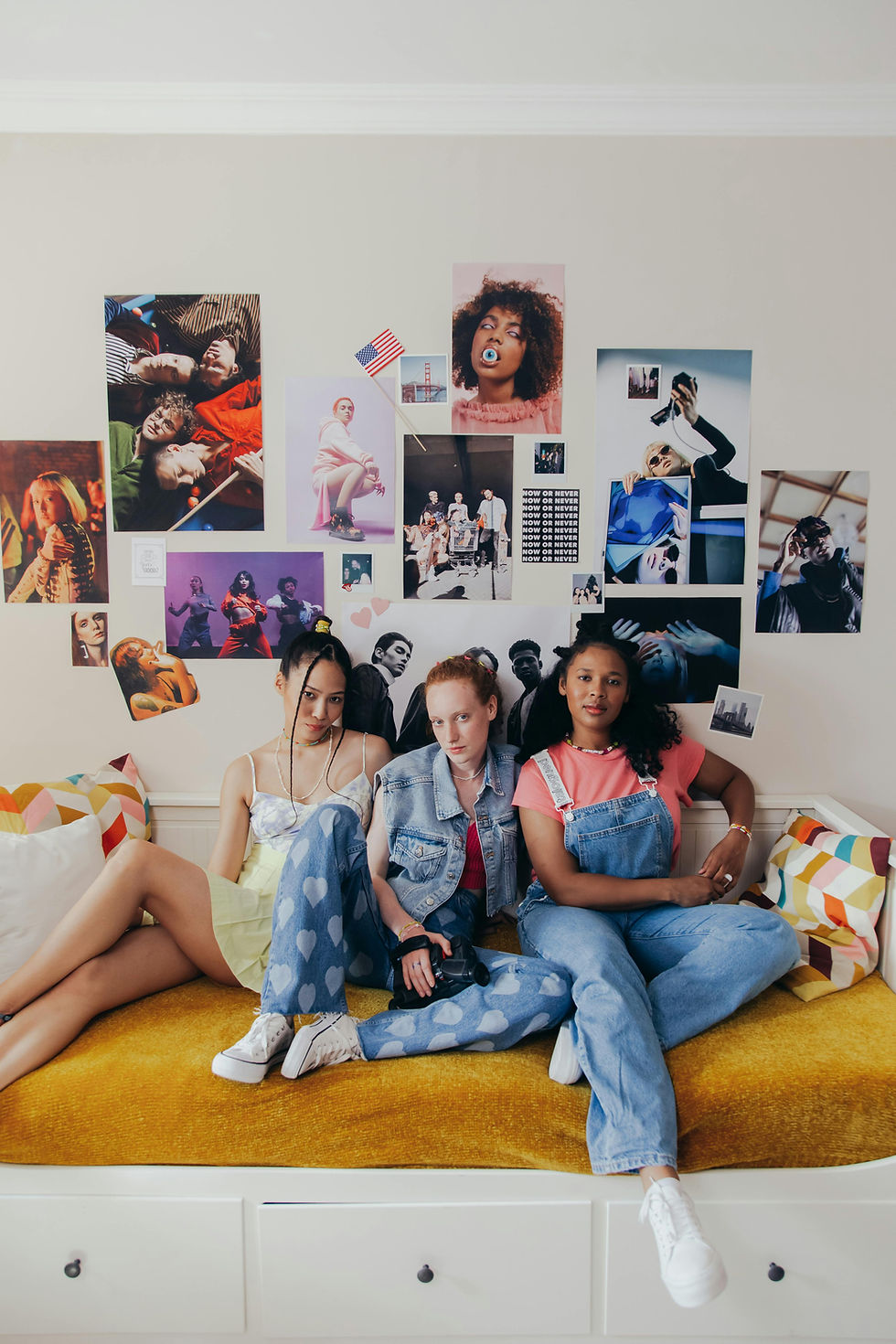
Decor followed a similar path. 1990s interiors leaned into earthy neutrals such as sage green and warm taupe, embraced chintz and floral patterns, and filled rooms with rounded, overstuffed furniture alongside honey wood tones and glass or chrome accents. It was cosy but considered.
“Gen Z increasingly identifies the 1990s as the peak decade for personal style, drawn to its effortless individuality and subcultural authenticity.”
Here is a quick comparison of how the two decades differed:
Style trait | 1980s | 1990s |
Silhouette | Structured, padded | Relaxed, oversized or sleek |
Colour palette | Bold neons, metallics | Earthy neutrals, muted tones |
Key mood | Excess and glamour | Rebellion and restraint |
Cultural driver | Pop and new wave | Grunge, hip-hop, rave |
Decor feel | Maximalist, lacquered | Organic, layered, lived-in |
Understanding why 1990s style still inspires collectors and fashion lovers today comes down to this contrast. The decade gave us permission to mix high and low, polished and scruffy, in ways that still feel fresh. For those building authentic vintage looks, knowing these roots is genuinely half the work.
Iconic Fashion Elements: Clothing, Footwear and Labels
Now that you know the roots of the aesthetic, it is time to explore the key items that bring the look to life. The 1990s produced some of the most recognisable fashion staples in modern history, many of which are just as wearable today as they were three decades ago.
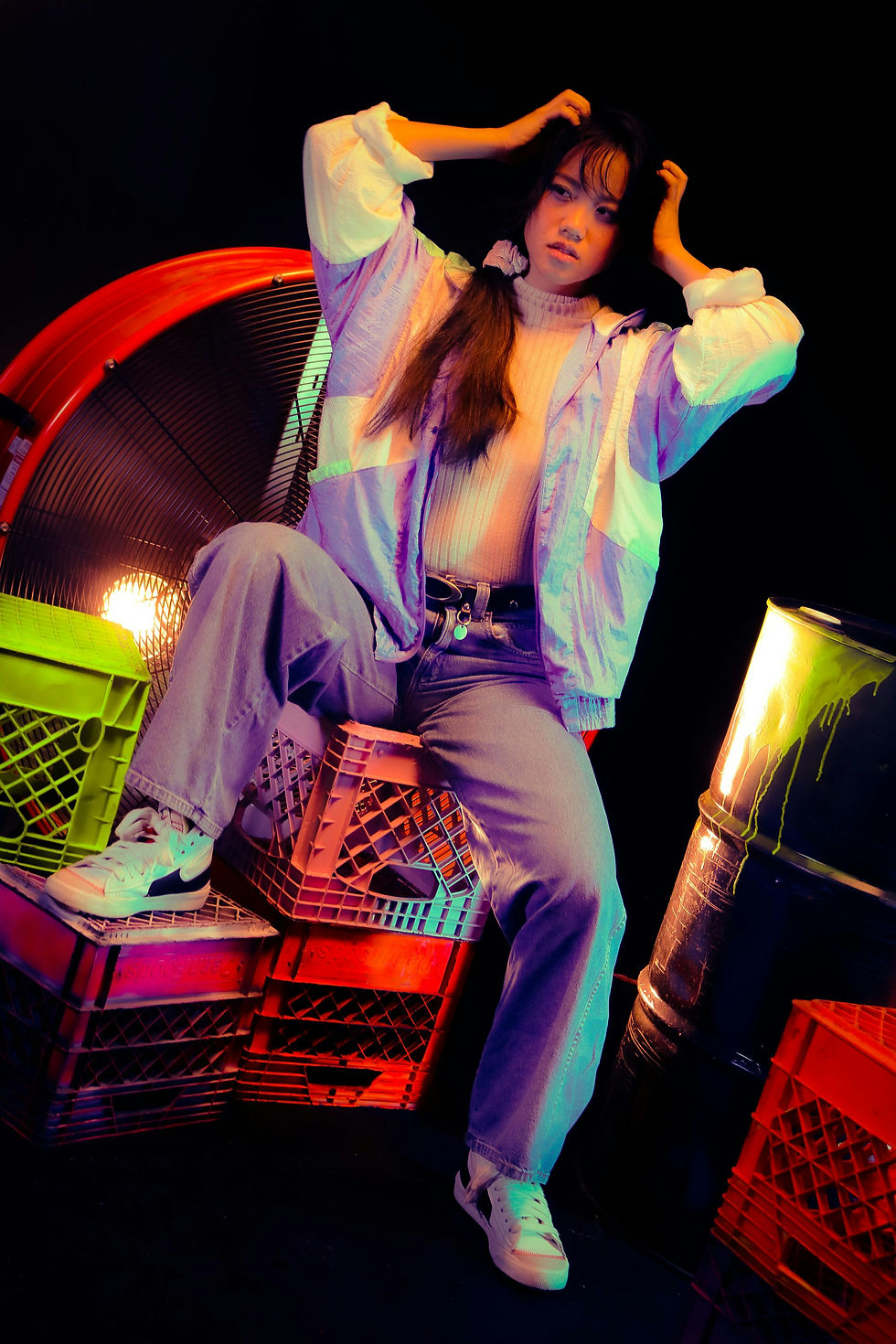
Iconic 1990s pieces include slip dresses, baggy jeans, crop tops, flannel and plaid shirts, oversized blazers, Dr. Martens boots, platform trainers, and graphic tees. Each carries its own subcultural DNA. Slip dresses speak to minimalist glamour; baggy jeans nod to hip-hop roots; Dr. Martens connect directly to grunge and punk crossover.
Here are the pieces you should actively seek out:
Slip dresses in satin or silk-look fabric, ideally in ivory, black, or blush
Baggy jeans with a high or mid-rise waist, preferably in a light or mid wash
Oversized flannel shirts in earthy plaids, worn open over a white tee
Platform trainers or chunky-soled boots with substantial heel height
Graphic tees featuring band logos, cartoon characters, or abstract prints
Minimalist leather or faux-leather handbags with simple hardware
When it comes to labels, certain brands define the 1990s more than any others. According to YouGov research, Levi’s leads at 67% association with 1990s fashion among Gen Z, followed closely by Tommy Hilfiger and Calvin Klein, each at 63%.
Brand | Gen Z association | Signature 1990s item |
Levi’s | 67% | 501 jeans |
Tommy Hilfiger | 63% | Logo sweatshirts |
Calvin Klein | 63% | Minimalist underwear and slip dresses |
For an overview of 90s fashion icons and trends, these labels are the starting point. When it comes to styling vintage clothing today, mixing these heritage labels with contemporary basics creates that confident, effortless expression of personal style.
Pro Tip: To spot authentic 1990s pieces, look for country-of-origin labels from the USA or Europe rather than Asia, check for single-needle stitching on seams, and feel the fabric weight. Genuine vintage often has a slightly different drape and hand-feel compared to modern reproductions. If a price seems too good to be true, it usually is. Learning mastering 90s style takes a sharp eye, but practice makes it second nature.
Decorating with a 1990s Touch: Interiors Made Easy
With your wardrobe sorted, let us turn to channelling 1990s magic into your home. The good news is that 1990s decor is enjoying a genuine revival, and the core elements are surprisingly accessible.

1990s interiors are defined by earthy neutrals such as sage green and warm sand, chintz and floral textiles, rounded overstuffed sofas, honey-toned wood furniture, and carefully placed glass or chrome accents. The key is layering these elements with modern pieces to keep things feeling current rather than dated.
Here are the decor items worth hunting for:
Chintz or floral cushion covers in muted, earthy tones
Overstuffed armchairs in natural fabrics such as cotton or linen
Honey-toned wooden picture frames or small side tables
Glass vases with simple, organic shapes
Chrome or brushed metal lamp bases paired with warm-toned shades
Botanical or abstract prints in simple frames
The layering strategy is everything. Start with a neutral base, add a floral or chintz textile, then introduce a chrome or glass accent. This builds the 1990s atmosphere without making your living room feel like a time capsule.
Pro Tip: Avoid going all-in on one 1990s element across every surface. Instead, choose two or three signature pieces and let them anchor a modern room. A rounded sofa in sage green paired with contemporary artwork creates exactly the right tension between past and present. Visiting a good online vintage shopping resource will help you identify the right pieces without overpaying.
Subcultures and Self-Expression: Grunge to Rave
Beyond decor, the 1990s were a hotbed of self-expression through vibrant subcultures. Each scene produced a distinct visual code that is still endlessly inspiring today.
The contrast between grunge and rave captures the decade’s range perfectly. Grunge was all muted neutrals, anti-fashion layering, ripped jeans, and heavy boots. Rave went to the opposite extreme with neon colours, PVC materials, metallics, and a joyful maximalism. Hip-hop brought bold sportswear and statement accessories. Late-decade minimalism, championed by designers like Helmut Lang and Jil Sander, stripped everything back to clean lines and neutral palettes.
Want to build a look inspired by one of these scenes? Here is a simple approach:
Choose your subculture. Pick the one that resonates most with your personality, not just your wardrobe.
Identify two or three signature pieces from that scene and source them in authentic vintage form.
Add one contemporary item to ground the look in the present.
Adjust with accessories. Footwear and bags can shift a look dramatically without requiring a full outfit change.
Wear it with conviction. The 1990s rewarded those who owned their choices.
Exploring blending vintage with modern approaches and incorporating vintage into modern outfits will help you refine these combinations with confidence.
How to Source and Authenticate 1990s Vintage
Armed with style inspiration, it is crucial to ensure your 1990s finds are truly vintage and worth collecting. The market has never been more competitive, and the rewards of getting it right are significant.
The current revival is not simply a fashion cycle. Over 100 million TikTok posts celebrate 1990s style, and with 73% of Gen Z preferring eco-products, the appetite for genuine vintage is also driven by a real commitment to sustainability.
Here are the essential dos and don’ts:
Do inspect every label for country of origin, washing instructions, and font style typical of the era
Do check seams for single-needle construction and natural wear patterns
Do smell the fabric: genuine vintage has a distinctive aged quality
Don’t accept artificially distressed fabric as proof of age
Don’t overlook mismatched buttons or replaced zips, which can indicate later alterations
Don’t buy solely on brand name without verifying the item’s timeline
Pro Tip: Before purchasing any vintage item online, ask the seller for close-up photographs of the label, inner seams, and any wear points. A reputable seller will provide these willingly. Discovering the sustainable fashion benefits of vintage collecting adds another compelling reason to invest carefully, and exploring sustainable vintage options will deepen your appreciation for why authenticity matters.
Why True 1990s Style is More than Nostalgia
We have covered a great deal of practical ground, but it is worth stepping back to consider what the 1990s aesthetic truly means for collectors and style-lovers in 2026.
Here at My Vintage, we believe the biggest mistake people make is treating 1990s style as a phase, something to dip into and discard when the next trend arrives. The real value lies in using the decade as a foundation for blending eras for lasting relevance, building a personal wardrobe or home that reflects genuine character rather than seasonal whims.
The 1990s aesthetic endures because it was never truly about the decade itself. It was about the courage to express individuality, to reject excess, and to find beauty in honest, purposeful choices. That is as relevant now as it was then. Sustainable collecting, mindful curation, and personal storytelling through clothing and decor: these are the values that keep the 1990s alive and vital. The collectors and fashion lovers who understand this are not chasing nostalgia. They are building something timeless.
Find genuine 1990s fashion and decor
If you are ready to take the next step with your own 1990s-inspired finds, we would love to help you get there. At My Vintage, we have been curating authentic vintage clothing and retro homeware since 2004, carefully selecting pieces that carry real history and genuine style.
From slip dresses and oversized blazers to vintage homeware that brings that earthy, layered 1990s feeling into your home, every piece in our collection is chosen for quality and character. Whether you are a seasoned collector or just beginning your vintage journey, we invite you to browse our vintage collections and find the pieces that speak to you. Authentic style is waiting.
Frequently Asked Questions
What are the key colours and patterns of 1990s decor?
Earthy neutrals like sage green, chintz and floral prints, and glass or chrome accents are the defining features of classic 1990s interior style. Rounded furniture forms and honey wood tones complete the look.
Which brands are most associated with authentic 1990s fashion?
Levi’s, Tommy Hilfiger, and Calvin Klein are the three labels most strongly linked to 1990s fashion, recognised by over 63% of Gen Z as defining the decade’s style identity.
How can you tell if a fashion piece is genuinely from the 1990s?
Inspect the label, stitching, and natural wear carefully; authentic vintage pieces differ in tag typography, seam construction, and fabric smell from modern reproductions or artificially aged items.
Why is the 1990s aesthetic making a comeback?
Over 100 million TikTok posts celebrate 1990s style, with the revival fuelled by Gen Z nostalgia and a genuine commitment to sustainability, as 73% of Gen Z actively prefer eco-conscious products including authentic vintage clothing.
Recommended


Comments