


1980s Makeup: Bold Beauty Trends That Defined the Decade
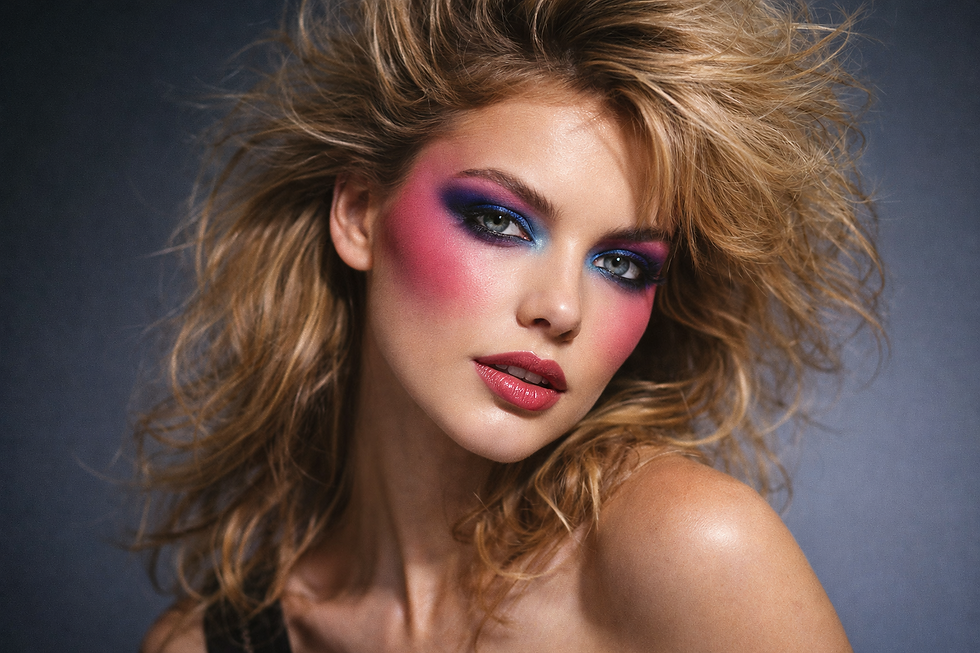
Most people dismiss 1980s makeup as garish excess, but this decade revolutionised beauty through bold self-expression and technical innovation. MTV and pop icons drove maximalism that celebrated vibrant colour and confidence over subtlety. This guide explores the signature techniques, iconic styles, and practical methods to recreate authentic 1980s looks for costume design or everyday inspiration. You’ll master draping, understand cultural context, and learn how vintage enthusiasts can adapt these striking aesthetics for modern wear whilst honouring their original spirit.
Table of Contents
Key Takeaways
Point | Details |
Maximalist makeup | The 1980s embraced bold self expression through vivid colour and dramatic techniques, with MTV and pop icons driving a shift from natural looks to theatrical style. |
Draping technique | Draping reframed facial sculpting by applying vibrant blush along cheekbones to create dimension through colour, not shadows. |
Bold pigment palette | Neon pinks, electric blues and vivid purples were applied across the eyes, cheeks and lips for deliberate colour clash rather than coordinated tones. |
Durability for nightlife | The era demanded lasting makeup to withstand hours of dancing and heat, driving formulations and techniques towards durability. |
Modern pigment advances | Advances in pigment chemistry now deliver intense colours with less product and longer wear, making 1980s looks more practical for contemporary use. |
The Cultural Explosion Behind 1980s Makeup

The 1980s makeup revolution emerged from unprecedented cultural forces that transformed beauty from polished restraint into theatrical self-expression. MTV launched in 1981, broadcasting pop icons directly into homes and establishing visual spectacle as essential to musical identity. Madonna, Cyndi Lauper, and Grace Jones didn’t simply wear makeup but wielded it as artistic statement, challenging conventions and inspiring millions to embrace boldness. This decade rejected the natural aesthetic of the 1970s, instead celebrating pigment intensity and confidence through colour.
Maximalism became the guiding philosophy, where “more is more” replaced previous decades’ subtlety. Vibrant eyeshadows in electric blues and neon pinks weren’t excessive but intentional, designed to capture attention under stage lights and translate through television screens. Nightlife culture demanded durability, influencing product formulations and application techniques that prioritised longevity over delicacy. Understanding this context reveals that exaggerated aesthetics served practical and artistic purposes rather than mere frivolity.
Key cultural drivers included:
Music videos establishing makeup as performance art requiring bold visibility
Nightclub culture demanding products that withstood hours of dancing and heat
Fashion magazines celebrating individuality over conformity
Technological advances in pigment chemistry enabling unprecedented colour intensity
Pro tip: When recreating 1980s looks, consider the lighting conditions of your intended wear. Stage and club lighting required heavier application than natural daylight, so adjust saturation based on your environment.
The decade’s 1980s fashion looks complemented makeup’s theatrical nature, with power shoulders and bold patterns creating cohesive visual statements. This synergy between clothing and cosmetics defined an era where personal style became cultural commentary. Beauty wasn’t about enhancing natural features but transforming them into artistic canvases that expressed identity and rebellion.
“The 1980s taught us that makeup could be armour, art, and attitude simultaneously. It wasn’t about looking pretty but feeling powerful.” — Beauty historian reflection on the decade’s lasting influence
Mastering Technical Hallmarks: Draping and Colour Power
Draping revolutionised facial sculpting by using coloured blush for contouring rather than bronzer or shadow. This technique placed vibrant pinks, corals, and mauves along cheekbones, creating dimension through colour intensity rather than darkness. Unlike modern contouring that mimics shadows, draping celebrated visible pigment as the sculpting tool itself. The method originated in professional makeup artistry but became accessible through drugstore products, democratising sophisticated techniques.

Bold pigment colours defined the decade’s palette, with neon pinks, electric blues, and vivid purples appearing on eyes, cheeks, and lips simultaneously. This wasn’t colour coordination but deliberate clashing that expressed creative freedom. Eyeshadows extended beyond the crease, often reaching the brow bone in gradient washes that maximised colour impact. Lips embraced bright reds and fuchsias with high-shine finishes that reflected light dramatically.
High blush placement prevents heaviness on fair skin by keeping colour above the cheekbone’s apex rather than dragging it towards the jawline. This adjustment maintains the technique’s drama whilst avoiding muddy or harsh effects. Modern pigments allow authentic 1980s intensity with less product, as contemporary formulations deliver colour payoff that vintage products required layering to achieve. This evolution means you can recreate bold looks with greater control and subtlety when desired.
Pro tip: Test draping colours on your jawline first to ensure they complement your undertones. Cool-toned skin suits berry and mauve shades, whilst warm undertones glow with coral and peachy pinks.
Placement technique | Classic 1980s approach | Modern adaptation |
Blush height | Mid-cheek to temple | Higher on cheekbone apex |
Colour intensity | Maximum saturation | Buildable layers |
Blending | Visible colour edges | Softer transitions |
Product amount | Heavy application | Light, pigmented formulas |
Finish | Powder or cream | Cream with powder set |
Key application steps for authentic draping:
Apply blush starting at the cheekbone’s highest point
Sweep colour upwards towards temples in lifting motion
Layer pigment gradually rather than depositing heavily at once
Blend edges whilst maintaining visible colour intensity
Set with translucent powder to enhance longevity
Explore vintage beauty techniques to understand how historical methods inform contemporary application. The 1980s built upon decades of innovation, refining techniques from earlier eras whilst pushing boundaries through new technology and cultural permission to experiment boldly.
Versatility and Modern Tweaks for 1980s Makeup Today

Whilst maximalism dominated, 1980s makeup adapts to minimalism by toning saturation or focusing on single features. This flexibility allows vintage enthusiasts to honour the era’s spirit without overwhelming modern sensibilities. You might choose electric blue eyeshadow with neutral lips, or bold fuchsia lips with subtle eyes, capturing the decade’s energy through strategic focal points rather than comprehensive intensity.
Style approach | Traditional 1980s | Modern toned-down version |
Colour saturation | Maximum intensity across multiple features | High intensity on one feature, neutral elsewhere |
Application coverage | Full face bold colour | Strategic placement |
Blending technique | Visible colour blocks | Softer transitions with maintained vibrancy |
Product finish | High shine and shimmer | Mix of matte and strategic shine |
Overall effect | Theatrical impact | Wearable drama |
Adapting 1980s style for practical wear involves strategic choices:
Select your focal feature (eyes, lips, or cheeks) for maximum colour impact
Apply bold colour to chosen feature using authentic techniques
Keep remaining features neutral or softly complementary
Use modern pigments that deliver intensity with minimal product
Set makeup with powder and spray for extended wear
Adjust saturation based on occasion and lighting conditions
Longevity remains crucial for costume events and extended wear. Testing durability on oily skin with powder setting prevents the colour migration that plagued vintage formulations. Modern primers create barriers between skin and pigment, whilst setting sprays lock colour in place for hours. This combination allows authentic 1980s intensity without constant touch-ups that original wearers required.
Pro tip: For costume events lasting several hours, apply a thin layer of translucent powder between each product layer. This “sandwich” technique prevents colours from blending together whilst maintaining vibrancy and significantly extends wear time.
The makeup through the decades evolution shows how 1980s techniques influenced subsequent trends. Understanding this progression helps you blend vintage authenticity with contemporary improvements, creating looks that honour history whilst benefiting from modern innovation. You’re not replicating limitations but celebrating the era’s creative breakthroughs with better tools.
Consider your skin type when adapting techniques. Oily skin benefits from powder formulations and frequent setting, whilst dry skin glows with cream products that provide colour and hydration simultaneously. The 1980s offered fewer formulation options, but today’s diversity means every skin type can achieve authentic looks comfortably.
Iconic Pop Icons’ Signature Makeup Looks and How to Recreate Them

Madonna pioneered the decade’s rebellious aesthetic with pierced brows, heavily lined eyes, and bold red lips that challenged conventional femininity. Her look combined street style edge with glamorous colour, making high fashion accessible and defiant. Recreate her signature by applying black kohl heavily along upper and lower lash lines, extending slightly beyond the outer corner. Pair this with bright red lipstick in matte or satin finish, and don’t shy from visible brow definition using pencil in short, hair-like strokes.
Cyndi Lauper embodied playful experimentation through layered eyeshadow in clashing neons and pastels. She’d combine electric blue with hot pink and lime green, blending colours vertically rather than horizontally for rainbow effects. Her approach celebrated joy and rejected rules, inspiring enthusiasts to trust their creative instincts. Achieve her style by applying different bright shadows in horizontal bands across the lid, blending where colours meet whilst maintaining distinct zones of pigment.

Grace Jones revolutionised beauty through sculptural, angular contouring and dramatically graphic eyes that emphasised her bone structure’s architectural quality. Her makeup wasn’t decoration but artistic statement, using shadow and highlight to create geometric precision. Strong brows, sharply defined cheekbones, and bold lip colours in unconventional shades like bronze and burgundy defined her aesthetic. Recreate this by using darker shades to carve cheekbone hollows with deliberate, unblended edges, then highlighting the high points with shimmer.
Whitney Houston balanced 1980s boldness with polished sophistication, proving vibrant makeup could appear refined rather than rebellious. Her signature combined richly pigmented eyeshadows in jewel tones with perfectly groomed brows and glossy lips in berry or nude shades. This approach suits those wanting 1980s energy without extreme edge. Apply deep plum or emerald shadow across lids, blend thoroughly, then finish with nude-pink gloss for her balanced elegance.
Key elements for recreating icon-inspired looks:
Source highly pigmented products that deliver colour intensity in single application
Study reference photos to understand placement rather than just colour choices
Practise blending techniques specific to each icon’s style
Invest in quality brushes that allow precision for graphic elements
Don’t fear asymmetry or imperfection, as 1980s makeup celebrated individuality over perfection
Vintage enthusiasts can explore 1970s makeup key looks to understand how the preceding decade’s natural aesthetic created the perfect contrast that made 1980s boldness so revolutionary. This context enriches your appreciation and application of iconic styles.
Explore Vintage Treasures for Your 1980s Makeup Journey
Your passion for 1980s makeup naturally extends beyond cosmetics into the era’s broader aesthetic sensibilities. Authentic vintage items from this transformative decade help you fully embrace the bold, expressive spirit that defined the period. Whether you’re building a costume collection or incorporating vintage pieces into daily style, curated selections connect you with the decade’s creative energy.
Discover carefully selected vintage treasures that complement your makeup recreations and celebrate 1980s design innovation. From vintage homeware reflecting the era’s geometric boldness to accessories that complete authentic looks, each piece carries the decade’s distinctive character. Explore the collection to surround yourself with items that honour the same fearless self-expression your makeup embodies, creating cohesive vintage style that resonates across fashion, beauty, and home.
Frequently Asked Questions
What are the defining colours of 1980s makeup?
Vivid neon pinks, electric blues, bright purples, and bold reds dominated the 1980s palette, expressing energy and individuality through unprecedented pigment intensity. These colours appeared on eyes, cheeks, and lips simultaneously, often in deliberately clashing combinations that celebrated creative freedom. The decade rejected subtle neutrals in favour of shades that demanded attention and reflected the era’s confident, expressive spirit.
How can I adapt 1980s makeup for fair skin without looking heavy?
Apply blush higher on cheeks starting at the cheekbone’s apex rather than mid-cheek to avoid dragging colour downwards, which creates heaviness. Opt for softer neon pastels instead of maximum-intensity shades, building colour gradually through layering. This placement and saturation adjustment maintains the decade’s drama whilst complementing fair skin’s delicate tones, preventing the muddy or harsh effects that lower, heavier application creates.
What products ensure 1980s makeup lasts all night?
Use modern highly pigmented formulations that deliver colour intensity without excessive layering, then seal with powder setting to enhance durability throughout extended wear. Layer products strategically with setting sprays between colour applications and as final step, creating barriers that prevent migration. This combination allows authentic 1980s boldness with longevity that original formulations couldn’t achieve, particularly beneficial for oily skin types prone to colour breakdown.
Where can I find authentic vintage 1980s makeup products?
Visit specialised vintage beauty blogs and trusted retail sites that curate authentic products with verified provenance and condition assessments. Carefully examine product condition, checking for separation, unusual odours, or texture changes that indicate degradation before purchase. Consider authentic vintage items from reputable sellers who provide detailed descriptions and return policies, ensuring you receive quality products suitable for actual use or collection display.
Recommended


Comments