


Discover Vintage Stockings: Authentic Style for your Wardrobe
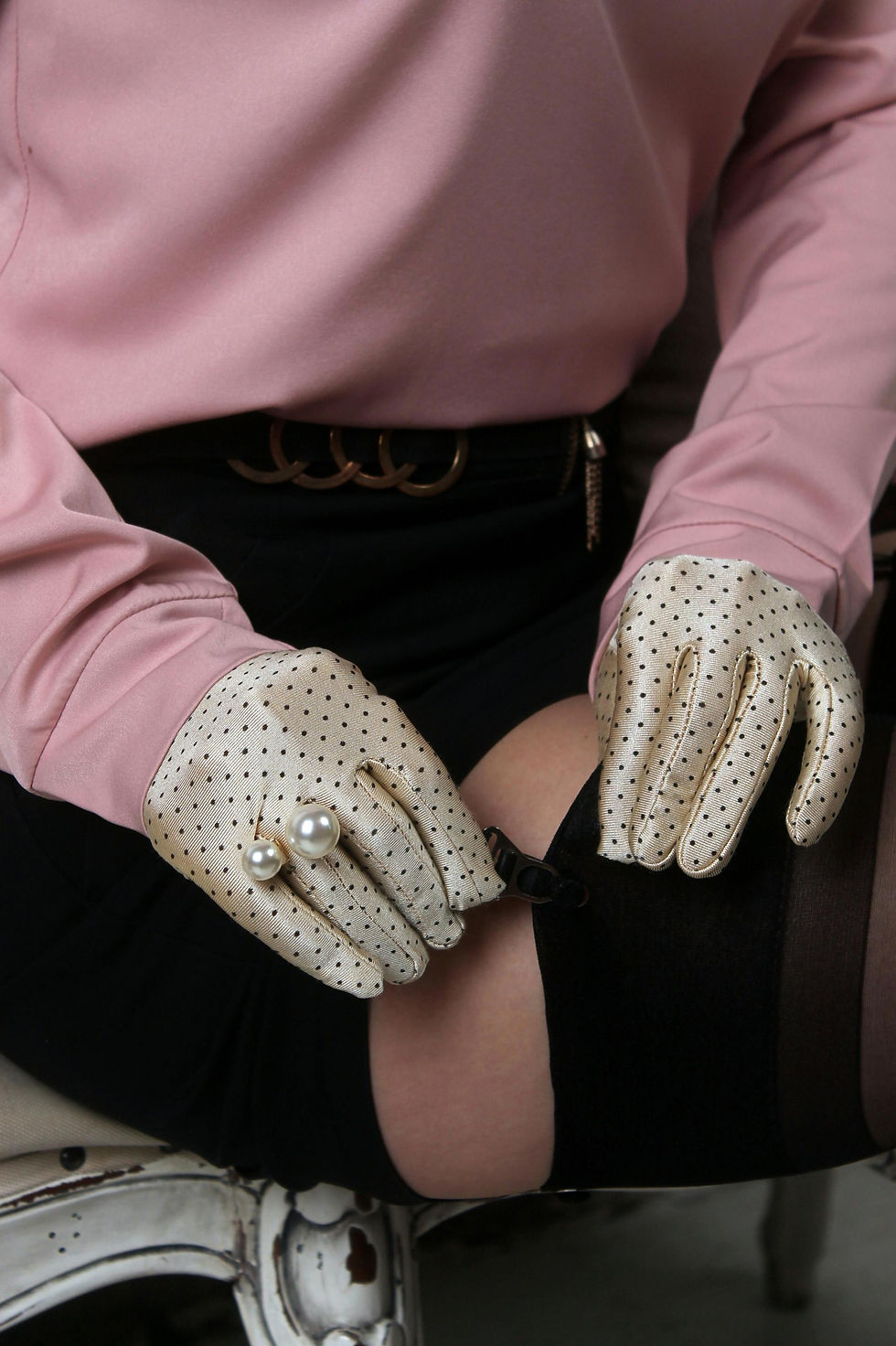
There is a moment every vintage enthusiast knows well: you spot a pair of stockings labelled “vintage style,” buy them with excitement, and then hold them next to a genuine 1950s pair and feel the difference immediately. The seam is printed, not sewn. The welt is plain, not shaped. The material feels thin and uniform rather than beautifully crafted. Modern reproductions have their place, but they simply cannot replicate what authentic mid-century vintage stockings offer in terms of construction, character, and collector value. This guide will help you identify, assess, and style the real thing with confidence.
Point | Details |
Authenticity details | Look for hand-sewn back seams and reinforced welts to confirm true vintage stockings. |
Material recognition | Touch and inspect to distinguish between nylon’s sheerness and rayon’s thickness. |
Get the right fit | Measure both your foot and leg length to match vintage sizes, as they differ notably from modern ones. |
Styling inspiration | Mix vintage stockings with both period and contemporary outfits for style impact. |
Care and handling | Gentle washing and careful storage are essential to preserve delicate vintage hosiery. |
Understanding True Vintage Stockings: Structure and Design
The single most important thing to understand about authentic mid-20th-century stockings is the concept of “fully fashioned” construction. This term refers to a specific manufacturing method where the stocking is knitted flat and then seamed together along the back of the leg. That seam is not decorative. It is structural, and it is the first thing you should examine when assessing any pair of stockings claiming to be genuine vintage.
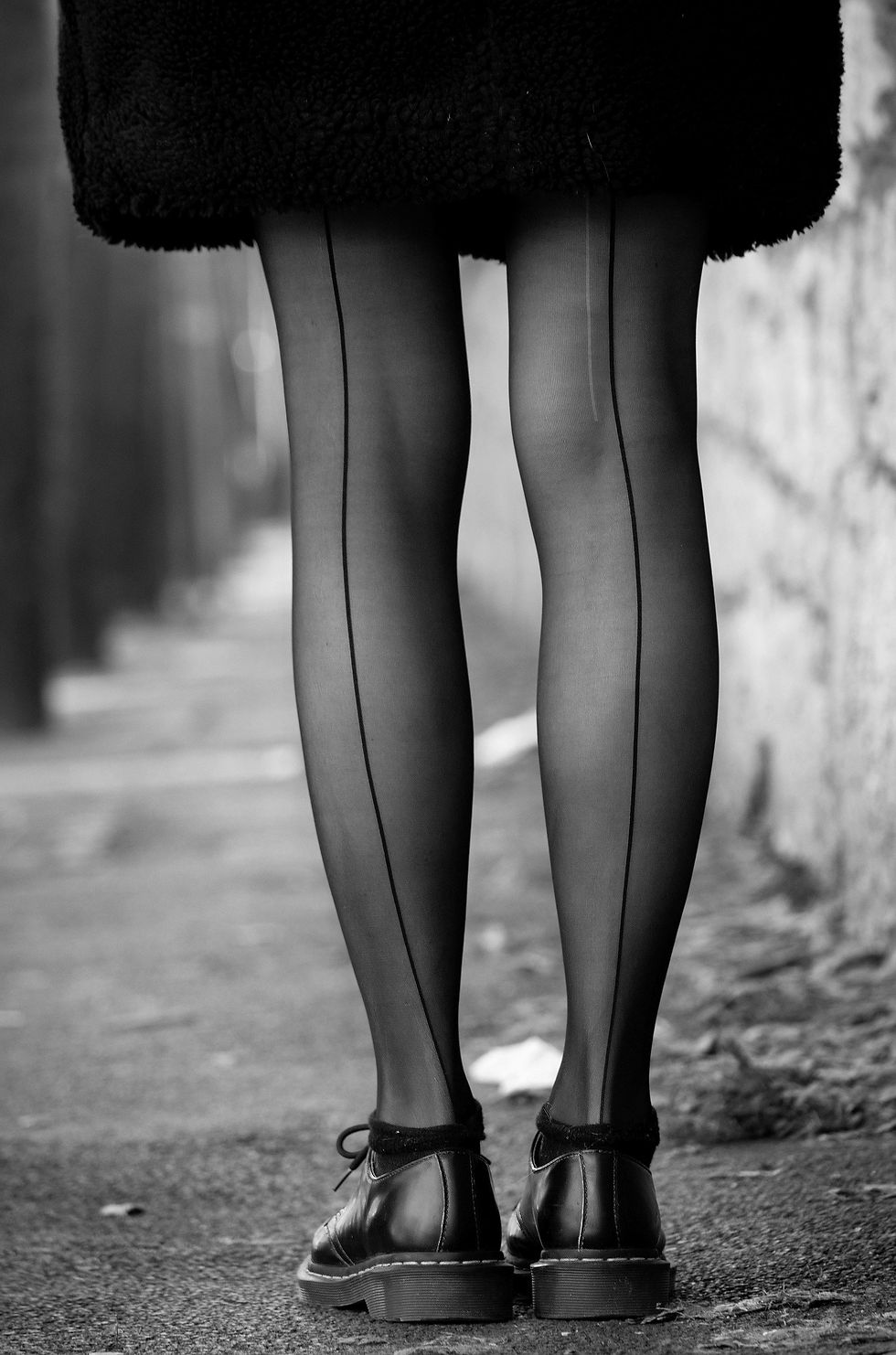
According to the construction principles of fully fashioned stockings, a genuine back seam is structurally part of the stocking rather than printed or added after production, with characteristic reinforcements at the heel and top, including the welt and keyhole. This keyhole welt, a small opening at the very top of the stocking near the welt, is one of the most telling signs of authentic construction. You will not find it on modern reproductions, because it serves a functional purpose in the original knitting process rather than being a stylistic choice.
Beyond the seam, look carefully at the reinforcements. Authentic vintage stockings typically feature a reinforced heel, a reinforced toe, and a sturdy welt at the top. These areas received extra knitting attention because they endured the most wear. On genuine pieces, these reinforcements have a distinct texture and density compared to the body of the stocking. Run your fingers along the transition between the welt and the leg: on a real vintage pair, you can feel the change clearly.
Here is a quick checklist for assessing structural authenticity:
Back seam: Is it sewn into the fabric, or does it look printed or painted on?
Keyhole welt: Is there a small opening at the top of the welt, indicating hand-linked construction?
Heel reinforcement: Does the heel feel denser and more substantial than the leg?
Toe reinforcement: Is the toe area visibly thicker or differently knitted?
Structural seam details: Does the seam run straight and even from heel to welt?
“A printed seam is the clearest sign of a reproduction. Genuine fully fashioned stockings are seamed during construction, and that seam has a slight raised texture you can feel with your fingertip.”
Feature | Authentic vintage | Modern reproduction |
Back seam | Structurally sewn, slightly raised | Printed or painted on, flat |
Welt | Keyhole opening present | Plain band, no keyhole |
Heel | Reinforced, denser knit | Uniform with leg |
Toe | Reinforced, distinct texture | Often seamless or uniform |
Overall feel | Varied texture, character | Consistent, smooth |
Understanding these details transforms the way you shop. You stop being swayed by labels and start trusting your hands and eyes instead.
Material Matters: Nylon versus Rayon in Vintage Stockings
Once you have assessed construction, the next question is material. And this is where things get genuinely tricky, because nylon and rayon vintage stockings can look almost identical at a glance. Both can have a subtle sheen. Both come in the same range of warm, skin-toned shades so beloved of the 1940s and 1950s. Yet they feel and behave very differently, and knowing the distinction matters enormously for both collectors and everyday wearers.
As experienced vintage collectors will confirm, nylon and rayon can look similar enough to fool the eye, meaning tactile inspection of details like the knitting structure and foot area is often the only reliable way to tell them apart. This is excellent practical advice. Pick up the stocking and feel the weight. Rayon tends to be heavier and slightly thicker, with a softer, more matte finish when held at certain angles. Nylon is lighter, sheerer, and has a more consistent gloss.
Here is what each material offers in practice:
Nylon vintage stockings:
Extremely sheer and fine, giving a beautiful leg
More prone to laddering, requiring careful handling
Widely produced from the late 1940s onwards
Explore nylon stocking examples to see the characteristic sheerness in action
Rayon vintage stockings:
Heavier and more opaque than nylon
More forgiving to repair if a small run develops
Associated with earlier wartime and pre-war production
Check out rayon stocking finds for a sense of the texture difference
Pro Tip: Hold the stocking up to a bright light source. Nylon will be noticeably more transparent, almost disappearing against the light. Rayon will retain more opacity and show the knitting structure more clearly. This simple test takes seconds and can save you from misidentifying a pair.
Quality | Nylon | Rayon |
Weight | Light | Heavier |
Sheerness | Very sheer | More opaque |
Finish | Glossy | Matte to semi-matte |
Durability | Ladders easily | More repairable |
Era | Late 1940s onwards | Pre-war to early 1940s |
Collector appeal | High for branded pairs | High for rarity |
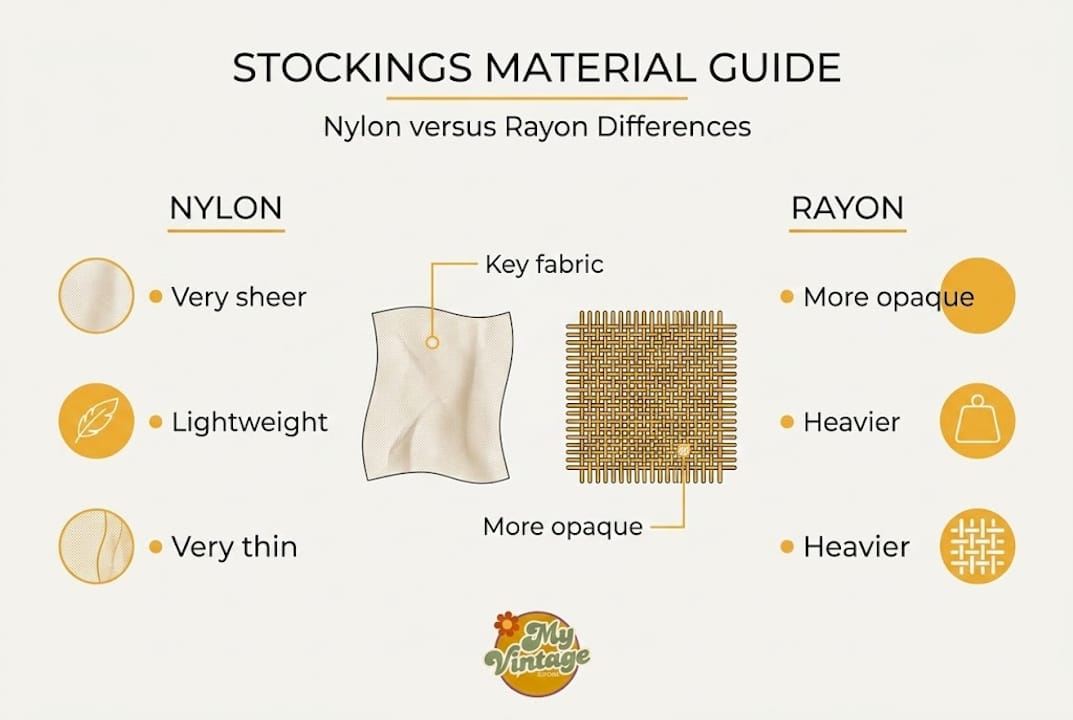
For collectors, rayon stockings are often rarer and therefore more valuable simply because fewer survive in wearable condition. For everyday vintage dressing, nylon offers that iconic leg-lengthening sheerness that photographs beautifully and looks stunning with a full 1950s skirt or a pencil dress.
Decoding Sizing: How to Find your Perfect Vintage Fit
Sizing is the area where most people come unstuck with vintage stockings. You might know your modern tights size perfectly, but that knowledge is almost useless when faced with a pair of 1950s fully fashioned stockings marked with a cryptic combination of letters and numbers. The systems are simply different, and the absence of modern stretch in authentic vintage hosiery makes getting the right size far more important.

Because vintage hosiery sizing often lacks the stretch of modern equivalents, fit relies heavily on exact measurements and brand-specific size designations, which may include both foot size and leg or stocking length. This is worth taking seriously. A stocking that is too short will not reach your suspender belt comfortably. One that is too narrow in the foot will be uncomfortable and prone to damage.
Here is a step-by-step approach to finding your vintage stocking size:
Measure your foot length in centimetres from heel to longest toe. This is your primary sizing reference.
Measure your ankle circumference at the narrowest point. Vintage stockings were often sized for specific ankle widths.
Measure your leg length from the floor to the top of your thigh where a suspender would attach.
Check the brand’s original size chart if available. Many vintage stocking brands used their own alphabetical or numerical systems.
Cross-reference with a vintage size conversion guide to translate old measurements into a usable reference.
Allow for zero stretch when choosing between two sizes. Always size up rather than risk splitting the stocking.
Pro Tip: If you find a pair you love but the sizing information is incomplete, look at the foot length of the stocking itself. Lay it flat and measure from heel seam to toe. Compare this directly to your own foot measurement for the most reliable guide.
Some vintage brands used alphabetical sizing, where S, M, L referred to leg length rather than overall size. Others used numerical foot sizes paired with a stocking length in inches. American brands often sized differently from British or European ones, so a size 9 American stocking is not the same as a size 9 in a British brand. The fit reference available on individual product pages can be enormously helpful here, as detailed measurements are often listed for specific pairs.
Taking ten minutes to measure properly before buying saves considerable disappointment. A well-fitting vintage stocking feels genuinely luxurious, sitting smoothly from toe to welt without pulling or bunching.
Styling Vintage Stockings: Integrating them into your Wardrobe
Now for the genuinely enjoyable part. Vintage stockings are not museum pieces. They are meant to be worn, admired, and styled with imagination. Whether you are building a period-accurate 1940s look or weaving a single vintage element into a contemporary outfit, stockings add something that modern hosiery simply cannot match.
For a classic retro look, pair fully fashioned seamed stockings with a fitted 1950s pencil skirt, a nipped-waist blouse, and block-heeled courts. The seam draws the eye down the back of the leg beautifully, and the effect is instantly recognisable as mid-century glamour. This approach works wonderfully for events, photoshoots, or simply when you want to feel spectacular on an ordinary Tuesday.

For a more contemporary take, consider wearing vintage fishnet or patterned stockings with high-waisted wide-leg trousers, letting just a glimpse of the stocking show at the ankle. Or pair sheer vintage nylon stockings with a modern slip dress for an effortlessly elegant evening look. The vintage lingerie styling approach works particularly well here, treating stockings as a visible, intentional part of the outfit rather than something hidden.
Care is essential if you want your vintage stockings to last. Follow these guidelines:
Hand wash only in cool water with a gentle, pH-neutral soap
Never wring or twist the fabric; press gently between clean towels to remove water
Dry flat away from direct sunlight, which can yellow and weaken fibres
Store rolled loosely or flat in a drawer, never folded sharply at the same point repeatedly
Keep away from rough surfaces and jewellery that could snag the knit
The fashion tour inspiration across different decades shows how stockings played a central role in the complete look of each era, and that context helps you style them with greater intention.
Pro Tip: If you are nervous about wearing a particularly rare or fragile pair, consider colourful vintage examples in more robust fabrics for everyday wear, saving your most precious finds for special occasions.
Mistakes to avoid include wearing vintage stockings without a suspender belt (the elastic in modern hold-ups can damage delicate welts), washing in hot water, and storing in plastic bags, which traps moisture and encourages deterioration.
Why True Vintage Stockings Matter More than Modern Imitations
Here is something we feel strongly about at My Vintage: the difference between authentic vintage stockings and a modern reproduction is not simply aesthetic. It is experiential. When you hold a pair of genuine 1950s fully fashioned stockings, you are holding an object made by skilled workers using techniques that have largely vanished from mainstream manufacturing. The structural craftsmanship of a genuine back seam and keyhole welt represents hours of skilled labour and a manufacturing philosophy built around durability and fit rather than disposability.
Modern knock-offs, however beautifully marketed, flatten all of that into a printed line on cheap nylon. They look similar in a photograph. They feel entirely different in your hands. And they carry none of the cultural weight of a garment that was actually worn, cared for, and preserved across decades.
There is also a quiet pleasure in the imperfections of true vintage. A tiny repair in the foot of a 1940s stocking tells a story. The slight variation in knitting tension across a rayon pair reflects the handcraft involved. These are not flaws; they are evidence of a real history. Collectors who understand vintage authenticity know that these details add rather than subtract from value.
Wearing authentic vintage stockings is, in a small but meaningful way, an act of preservation. You are keeping a craft tradition visible and wearable rather than letting it disappear entirely into archive boxes. That feels worth celebrating.
Start your Vintage Stockings Collection with My Vintage
Whether you are searching for classic seamed nylons, rare rayon finds, or something wonderfully unexpected like vintage fishnet or patterned styles, our collection is updated regularly with carefully selected pieces. Every product page includes detailed measurements and condition notes so you can shop with confidence. Browse our full range of vintage hosiery and related accessories at My Vintage and start building a collection that is genuinely worth wearing.
Frequently Asked Questions
How can I tell if stockings are truly vintage or reproduction?
Look for a hand-sewn structural back seam and keyhole welt at the top, which are hallmarks of fully fashioned mid-century stockings rather than the flat printed seams found on modern reproductions.
What is the difference between nylon and rayon vintage stockings?
Nylon and rayon can look similar at a glance, but nylon stockings are more sheer and ladder more easily, while rayon feels heavier, shows a matte finish, and is generally easier to repair.
Why don’t vintage stocking sizes match modern hosiery sizes?
Vintage stocking sizing relies on exact foot and leg measurements rather than the stretch-based sizing of modern hosiery, and size systems varied significantly between manufacturers and periods.
What care advice helps preserve vintage stockings?
Hand wash gently in cool water with a mild soap, avoid wringing the fabric, and store flat away from direct light to prevent fibre damage and yellowing over time.
Are vintage stockings comfortable for everyday wear?
Vintage stockings offer a distinctive and luxurious feel, but they require a well-fitted suspender belt, careful sizing, and gentle handling to avoid runs and ensure lasting comfort throughout the day.
Recommended



Comments