


Retro Telephones: Top 10 Iconic Models to Collect
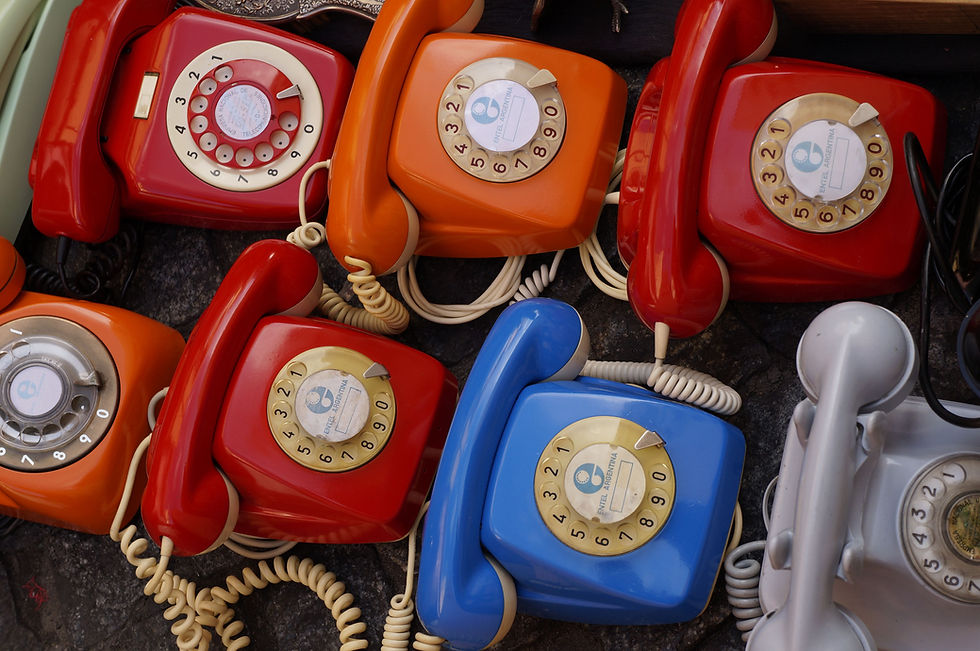
Retro telephones are vintage communication devices prized as much for their design as for their function, and they remain some of the most sought-after pieces in any nostalgic home or collection. From the satisfying weight of a Bakelite handset to the theatrical spin of a rotary dial, these classic phone styles carry a warmth that no smartphone can replicate. British models in particular, such as the GPO 706 and the legendary red telephone kiosk, have earned a place in design history that goes far beyond their original purpose. Whether you are a seasoned collector or simply drawn to the charm of antique telephone styles, this guide covers everything worth knowing.
What makes a retro telephone iconic?
The most collectible vintage telephones share three qualities: distinctive materials, a clear design era, and a story worth telling. These are not just old phones. They are objects that defined how people communicated, how homes looked, and how public spaces felt.
Several features set iconic models apart:
Bakelite construction. Used widely from the 1930s through the 1950s, Bakelite gave phones a dense, satisfying weight and a rich black or ivory finish that ages beautifully.
Rotary dial. The rotary dial mechanism is the defining feature of mid-century phones. Its tactile, deliberate action is something collectors genuinely value over modern push-button sets.
Colour options. Post-war models introduced colour as a design choice, not just a practical one. The GPO 706, for example, offered seven colour options when it launched in 1959.
Cultural symbolism. The red telephone kiosk became a British icon not because it was merely functional, but because it embodied a national philosophy: the utilitarian need not be ugly.
Restoration potential. The best collector pieces can be returned to working order, which adds both practical value and personal satisfaction.
Durability matters too. Phones built before the 1970s were made to last decades, and many still work with the right restoration. That combination of beauty and longevity is exactly what drives collector interest.
Top 10 retro telephones to collect and admire
1. GPO 232 Bakelite telephone (1930s)
The GPO 232 is the grandfather of British telephone design. Cast in rich black Bakelite with a separate handset cradle, it carries an almost sculptural quality. Unrestored examples are still findable at auction, and restoration costs for similar GPO series phones typically run under £60 including parts. That makes it one of the most accessible entry points for new collectors.
2. GPO 300 series (1930s–1940s)
The GPO 300 series refined the 232’s design into a sleeker, more unified body. Unrestored examples regularly sell for as little as £20–£30, making them genuinely affordable. The challenge lies in sourcing models with intact dials and undamaged Bakelite shells, as cracks are common after decades of use.

3. GPO 332 Bakelite telephone (1940s)
The GPO 332 is a favourite among hands-on collectors because it rewards careful restoration so well. Authentic work involves mechanical retensioning of dial governor gears, disassembly, and chemical polishing of the Bakelite shell. The result is a phone that looks and feels as it did when new, which is a genuinely satisfying achievement.
4. GPO 706 (1959)
The GPO 706 marked a genuine design leap. Introduced in 1959, it moved away from the heavy shoulder-style body to a lighter, streamlined form with seven colour options. Colours like Topaz Yellow and Concorde Grey made it a statement piece in mid-century homes. It is one of the most recognisable classic phone styles in Britain and remains highly desirable.
Pro Tip: If you find a GPO 706 in an unusual colour such as Topaz Yellow or Chinese Red, hold onto it. Coloured examples command significantly higher prices than standard grey or ivory models.
5. GPO 746 rotary telephone (1967)
The GPO 746 is arguably the most iconic British telephone of the 1960s and 1970s. Its rounded body, available in a range of colours, became a fixture in homes across the country. Collectors love it for its period feel and its compatibility with modern telephone lines after modest internal modifications. It is also one of the easiest GPO models to find in good condition.
6. BT 741 wall telephone (1970s)
The BT 741 is a wall-mounted rotary phone that suits collectors with limited shelf space. Its compact design and period styling make it a natural fit for kitchen or hallway displays. Restoration requires care, as analog lines carry around 30V, and wiring must be handled correctly. The payoff is a working period piece that genuinely turns heads.
7. K2 red telephone kiosk phone (1926)
The K2 kiosk, designed by Sir Giles Gilbert Scott, introduced the red telephone box to Britain in 1926. The phone housed inside it was as much a part of the experience as the kiosk itself. Collectors who acquire original K2 handsets own a piece of genuine British street history. The K2 was voted one of Britain’s top 10 design icons, and that status keeps demand strong.

8. K6 red kiosk telephone (1935)
The K6 arrived in 1935 to mark King George V’s Silver Jubilee and quickly became the most widespread red kiosk design in Britain. Its design balanced accessibility, visibility, and cost, which is why it spread to almost every high street and village square. Only around 3,000 classic red kiosks survive in the UK today, down from 100,000 in the 1990s. That scarcity makes original K6 handsets and fittings genuinely rare finds.
“The red telephone box became a symbol of British identity precisely because it proved that public utility and beautiful design are not opposites. Sir Giles Gilbert Scott gave the nation something functional that people fell in love with.”
9. Trimphone (1965)
The Trimphone broke every convention of its era. Slim, lightweight, and futuristic in profile, it used an electronic warble instead of a traditional bell. Its space-age aesthetic made it a favourite in 1960s and 1970s homes that wanted something a little different. Today it sits at the crossroads of retro phone design and pop art, which gives it a broad collector appeal beyond telephone enthusiasts alone.
10. Steepletone retro cream rotary telephone (modern reissue)
Not every great retro telephone is a museum piece. The Steepletone cream rotary dial telephone captures the look and feel of a 1950s classic while working reliably on modern lines. For collectors who want the aesthetic without the restoration project, it is a practical and attractive choice. It also makes a wonderful display piece in any room styled around mid-century or retro decor.
Pro Tip: Pair a cream rotary telephone with other period pieces, such as a vintage magazine rack or enamel kitchenware, to create a cohesive retro display rather than a single isolated object.

How do retro telephones compare across types and decades?
Understanding the differences between eras and materials helps you make smarter choices as a collector. The table below covers the key categories.
Type | Era | Material | Colour options | Restoration difficulty | Modern line compatible |
GPO 232 / 300 series | 1930s–1940s | Bakelite | Black, ivory | Moderate | With rewiring |
GPO 332 | 1940s | Bakelite | Black, ivory | Moderate to high | With rewiring |
GPO 706 | 1950s–1960s | ABS plastic | Seven colours | Low to moderate | Usually yes |
GPO 746 | 1960s–1970s | ABS plastic | Multiple colours | Low | Usually yes |
BT 741 wall phone | 1970s | ABS plastic | Limited | Low to moderate | With care |
Trimphone | 1960s–1970s | Lightweight plastic | Several | Low | Usually yes |
K2 / K6 kiosk fittings | 1926–1960s | Cast iron, metal | Red | High | Specialist only |
Bakelite models from the 1930s and 1940s offer the richest visual character but demand the most restoration work. Plastic models from the 1960s and 1970s are easier to restore and more likely to work on modern lines with minimal modification. The rotary dial remains the defining feature across all eras. Dialling is slower than a push-button set, but that deliberate, tactile experience is precisely what collectors love about vintage telephone designs.
Tips for choosing and restoring retro telephones
Buying well is the foundation of a good collection. Auctions, car boot sales, and specialist vintage dealers are the best sources for authentic pieces. Online marketplaces can also yield good finds, but always check photographs carefully for cracks in Bakelite, missing dial components, and frayed cords. A guide on how to buy vintage online covers the key checks worth making before you commit.

Budget matters. Unrestored GPO 300 and 746 series phones regularly sell for £17–£30. Factor in restoration materials and you are typically looking at under £60 total for a fully working, polished result. Rarer coloured models or K6 kiosk fittings will cost considerably more.
Restoration requires the right approach:
Clean the Bakelite shell using a specialist polish such as Greygate Paste Polishing No. 5 or Novus plastic polish. These restore the original finish without damaging the material.
Service the dial mechanism by soaking parts in white spirit to remove old grease, then retension the governor gears for smooth, accurate dialling.
Address yellowed plastic with care. Retrobrighting, which involves submersion in 3% hydrogen peroxide at around 40°C, can restore ivory tones but risks uneven colouring if not done carefully.
Rewire for modern lines if you want the phone to function. Vintage Bakelite phones need impedance adjustments and signalling components such as a 3.3K resistor and 1N4001 diodes to work on current UK lines.
Handle wiring with caution. Analog lines carry around 30V, which is low but not trivial. If you are not confident with electronics, consult a specialist.
Collecting vintage items shares much with other nostalgic hobbies. The same passion for cultural value in collectibles that drives vintage toy collectors applies equally to telephone enthusiasts: the object connects you to a specific moment in time.
Pro Tip: Always test a rotary dial before buying. Spin it fully and listen for a smooth, even return. A sticky or uneven return suggests worn governor springs, which adds to your restoration work.
Retro homeware and vintage telephones at My Vintage
My Vintage has been curating authentic vintage pieces since 2004, and our homeware collection is a natural home for retro telephone enthusiasts.

Whether you are after a working rotary telephone for your sitting room or a period piece to anchor a mid-century display, My Vintage brings together carefully selected items with genuine character. Our 1950s vintage atomic magazine rack pairs beautifully with a classic rotary telephone to create a cohesive period corner in any room. We stock pieces that complement each other across decades, so building a collection that feels considered and personal is genuinely straightforward. Browse our vintage homeware range and find the pieces that speak to you.
FAQ
What is a retro telephone?
A retro telephone is a vintage or vintage-style communication device valued for its period design, materials, and nostalgic appeal. Classic examples include Bakelite rotary phones from the 1930s and 1940s and coloured plastic models from the 1960s and 1970s.
Which retro telephone is the most collectible?
The GPO 746 and GPO 706 are among the most sought-after British models due to their colour variety, period styling, and relative availability. Rarer coloured examples and original K6 kiosk fittings command the highest prices.
Can vintage telephones work on modern phone lines?
Many vintage telephones can work on modern UK lines after internal modifications. Bakelite models typically need rewiring with components such as a 3.3K resistor and 1N4001 diodes to match modern impedance requirements.
Where can I buy retro telephones in the UK?
Auctions, car boot sales, specialist vintage dealers, and curated online retailers are the best sources. Unrestored GPO series phones regularly sell for £17–£30, making them accessible for new collectors.
What is Retrobrighting and is it safe for vintage phones?
Retrobrighting is a technique that uses 3% hydrogen peroxide at around 40°C to restore yellowed ivory plastics. It works but carries a risk of uneven colouring, so proceed carefully and test on a small area first.
Key Takeaways
The most collectible retro telephones combine distinctive period materials, strong cultural associations, and genuine restoration potential that keeps them relevant and desirable for decades.
Point | Details |
Bakelite models lead on character | GPO 232, 300, and 332 series offer the richest vintage aesthetic but require the most restoration work. |
Colour adds significant value | GPO 706 and 746 models in rare colours such as Topaz Yellow command higher prices than standard finishes. |
Restoration is achievable on a budget | Unrestored GPO phones cost £17–£30, with full restoration typically under £60 including parts. |
Modern compatibility needs rewiring | Bakelite phones require impedance components to function on current UK analog lines safely. |
Scarcity drives K6 kiosk appeal | Only around 3,000 original red kiosks survive in the UK, making authentic fittings genuinely rare. |
Recommended


Comments