


Summer Vintage Outfits: Your Era Style Guide
- May 27
- 8 min read

There is something genuinely thrilling about stepping out in a vintage outfit during summer. The fabrics are often better, the prints more characterful, and the silhouettes far more interesting than anything on the high street. But summer vintage outfits do come with a real challenge: how do you stay cool, comfortable, and stylish without looking like you’ve raided a costume box? Whether you’re heading to a festival, a picnic, or a lazy afternoon at the beach, this guide will walk you through everything you need to know, from choosing the right retro summer clothing to building looks that feel entirely your own.
Table of Contents
1. How to Choose Summer Vintage Outfits that Actually Work
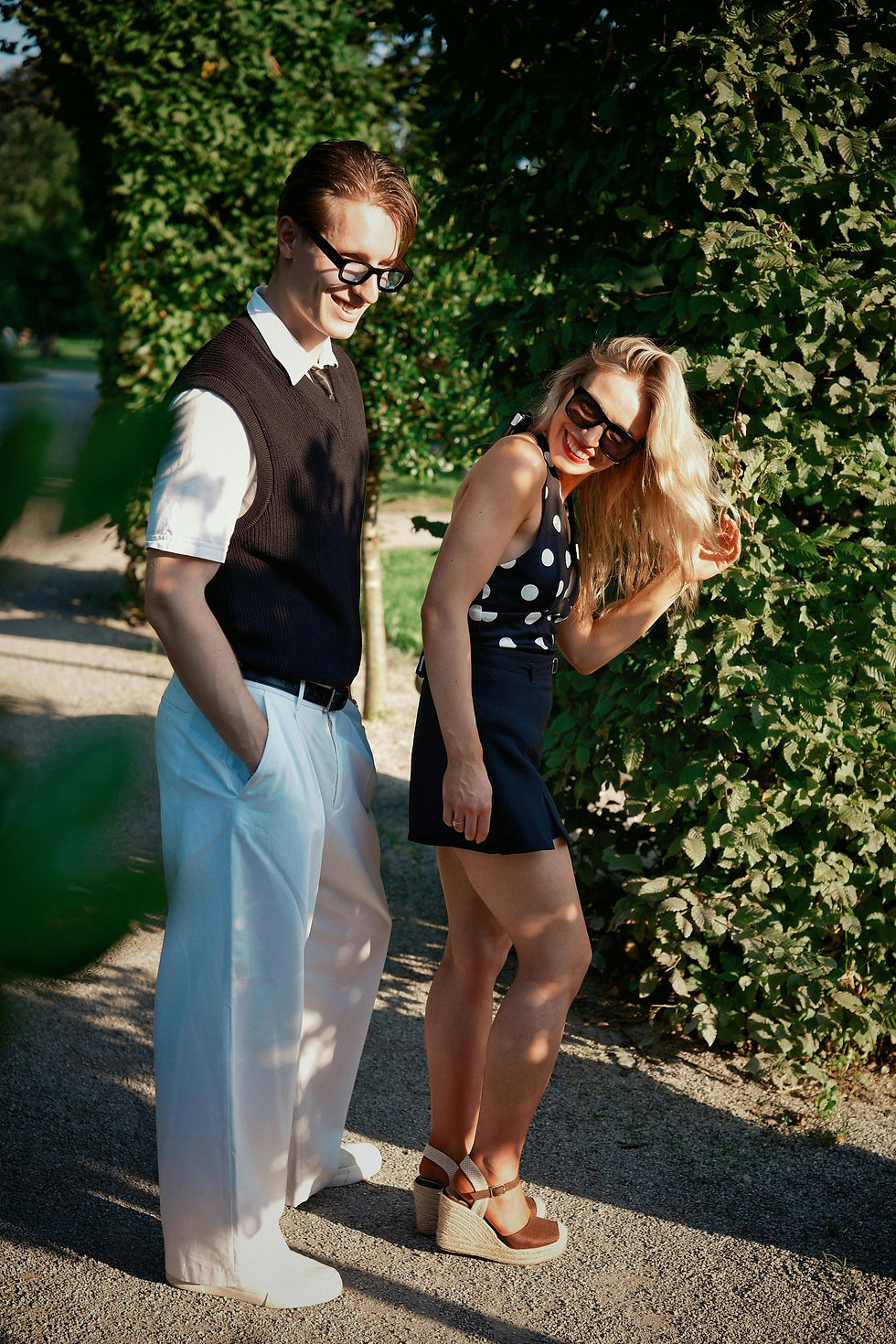
The term “summer vintage outfits” covers a huge range of styles, from 1920s drop-waist frocks to 1990s slip dresses. What unites the best of them is a thoughtful approach to fabric, fit, and balance. Vintage fashion enthusiasts often call this “considered dressing,” and it’s the difference between an outfit that turns heads for the right reasons and one that reads as fancy dress.
Here are the core principles worth keeping in mind:
Prioritise breathable fabrics. Cotton, linen, and chiffon are your best friends in hot weather. Many authentic vintage pieces were made before synthetic fibres dominated the market, so you’ll often find genuinely breathable options in older garments.
Follow the one vintage piece rule. Avoid costume looks by anchoring your outfit with a single statement vintage item and keeping everything else modern. A 1970s peasant blouse paired with contemporary linen trousers is a perfect example.
Think about silhouette. Loose, unstructured shapes work best in heat. A-line skirts, wide-leg trousers, and floaty midi lengths all allow air to circulate while maintaining a polished look.
Choose prints with intention. Florals, polka dots, stripes, and geometric patterns are all era-specific signatures that read as vintage without requiring a head-to-toe period look. Bold prints with simple layers create nostalgic yet wearable results.
Update your footwear. Vintage shoes can be beautiful, but comfort matters outdoors. Espadrilles, raffia slides, and block-heeled sandals all complement vintage silhouettes while keeping your feet happy across a long summer day.
Pro Tip: When shopping for vintage summer pieces, hold the fabric up to the light. If you can see your hand through it, it’s likely breathable enough for warm weather wear.
The modern comfort approach to vintage dressing is simple: pair authentic vintage silhouettes with lightweight materials and practical shoes to keep outfits genuinely wearable rather than just visually interesting.
2. Vintage Summer Dresses: The Most Versatile Starting Point

If there is one category that defines hot weather vintage fashion, it’s the dress. Vintage summer dresses span every decade and every mood, from the nipped-waist elegance of the 1950s to the free-flowing bohemian summer attire of the 1970s. The key is knowing which styles suit both the occasion and the temperature.
Midi and maxi lengths are particularly practical. They offer full coverage without trapping heat, especially when cut from cotton voile or lightweight jersey. A 1960s pale pink floral maxi dress is a brilliant example of how vintage summer dresses can feel effortlessly elegant rather than overdone. Similarly, a 1970s bold floral split maxi gives you movement, colour, and a genuine sense of occasion.
For picnics and garden parties, the 1950s tea dress remains unbeatable. Its fitted bodice and full skirt create a flattering silhouette, and the era’s love of cotton lawn and poplin means these pieces are often genuinely comfortable. A waisted cotton printed midi dress with kimono sleeves and ruffle trims captures that spirit beautifully for modern wearers.
Pro Tip: If you find a vintage dress you love but it feels slightly heavy, look for a seamstress who can add a cotton lining or remove an existing synthetic one. It makes an enormous difference to how the garment wears in summer.
3. Vintage Tops and Bottoms Worth Building Around
Not every summer outfit needs to be a dress. Some of the most versatile summer vintage looks come from mixing separates, particularly when you want flexibility across a long day outdoors.
Peasant blouses are a 1970s staple that have never really gone away. Their loose, gathered sleeves and embroidered necklines make them ideal for beach days and festivals. Pair with high-waisted denim shorts for a look that feels relaxed but considered. You can find a range of vintage tops for summer that work beautifully as the foundation of a warm-weather wardrobe.
Silk blouses from the 1980s are underrated summer pieces. The fabric is naturally temperature-regulating, and the era’s love of bold prints means you get real visual impact without trying too hard.
High-waisted trousers in cotton or linen sit comfortably in heat and pair well with tucked-in vintage blouses or cropped tops. Wide-leg cuts from the 1970s are especially flattering and allow air to circulate freely.
A-line midi skirts in cotton or broderie anglaise are a 1960s classic that suits almost every body shape. Worn with a simple white T-shirt and raffia sandals, they read as effortlessly vintage without any costume risk.
4. Era-by-Era Vintage Outfit Ideas for Summer Occasions
One of the real joys of styling vintage outfits is that different decades suit different summer settings. Here’s a breakdown of how to dress for specific occasions using era-specific pieces.
Era | Outfit idea | Best occasion |
1920s | Drop-waist dress, cloche hat, T-strap shoes | Garden party, afternoon tea |
1950s | Floral tea dress, raffia bag, block-heeled sandals | Picnic, outdoor market |
1970s | Peasant blouse, high-waisted shorts, espadrilles | Festival, beach day |
1980s | Silk blouse, wide-leg trousers, statement earrings | City day out, rooftop event |
1990s | Slip dress, platform sandals, denim jacket | Evening outing, open-air cinema |
Breathable vintage silhouettes in cotton or chiffon, paired with classic accessories like cloche hats and T-strap heels, genuinely deliver both comfort and style for summer events. The 1920s drop-waist dress is a particularly underused option for garden parties, where its loose fit and elegant drape feel perfectly at home.
For festivals, the 1970s combination of a peasant blouse and high-waisted shorts is hard to beat. It’s relaxed enough for a full day on your feet but has enough personality to stand out. The British seaside style guide at My Vintage is full of inspiration for beach-friendly vintage looks that feel genuinely authentic.
Mixing eras is also completely valid. A 1990s slip dress worn over a 1970s printed T-shirt, or a 1950s full skirt paired with a contemporary linen top, creates layered looks that feel personal rather than period-specific.
o
5. Vintage Summer Accessories: Raffia, Straw, and Statement Pieces
Accessories are where retro summer style really comes alive. The right hat, bag, or pair of shoes can transform a simple outfit into something that feels genuinely considered. And in summer, accessories do double duty: they add visual interest while also serving a practical purpose.

Raffia and straw hats are the single most effective vintage summer accessory. Wide-brim raffia hats provide real sun protection while adding elegance to almost any outfit. They work particularly well with tailored or refined clothing rather than very casual looks, where the contrast between the natural texture and the structured garment creates real visual interest.
Bags follow a similar logic. A raffia tote or woven basket bag is practical for a day out and reads as unmistakably vintage without requiring any other period pieces. Raffia accessories pair best with more polished outfits, so resist the temptation to wear your raffia bag with your most casual ensemble.
Here’s a quick comparison of the most popular vintage summer accessory options:
Accessory | Best paired with | Occasion |
Wide-brim raffia hat | Midi dress, tailored trousers | Garden party, picnic |
Woven basket bag | Tea dress, linen separates | Market, beach outing |
Espadrilles | Peasant blouse, A-line skirt | Festival, casual day out |
Ballet flats | Silk blouse, wide-leg trousers | City, rooftop event |
Raffia slides | Maxi dress, shorts | Beach, outdoor market |
Pro Tip: Choose one statement vintage accessory per outfit and let it do the work. A beautiful raffia hat or an antique beaded bag is enough. Stacking too many vintage accessories at once can tip the balance from stylish to theatrical.
My honest take on dressing vintage in summer
I’ve been styling vintage pieces for summer events for years, and the single biggest lesson I’ve learnt is this: restraint is everything. When I first started exploring how to style vintage outfits for warm weather, I made the classic mistake of going all-in on one era. Head-to-toe 1950s on a hot day at a summer fete sounds wonderful in theory. In practice, it’s exhausting, uncomfortable, and a little overwhelming for everyone around you.
What actually works is the one statement vintage piece approach. I now build every summer vintage look around a single hero item, whether that’s a 1970s maxi dress, a 1960s printed blouse, or a beautiful raffia hat, and keep everything else simple and modern. The vintage piece gets to shine, and the overall look feels wearable rather than theatrical.
I’ve also learnt to trust lightweight layering. A breathable topper or vintage accessory like a wide-brim hat keeps you comfortable as the day shifts from bright sun to a cooler evening, which is exactly what you need at a festival or an outdoor event. My current favourite combination is a 1970s black floral maxi dress with flat raffia slides and a simple linen jacket for when the sun goes down.
My advice? Start with one piece you genuinely love, build around it with modern basics, and don’t be afraid to mix decades. The summer vintage fashion world is full of extraordinary finds, and the joy lies in making them your own.
Find Your Perfect Summer Vintage Look at My Vintage
If this guide has sparked your imagination, My Vintage has an extraordinary range of authentic vintage pieces waiting to be discovered. From floaty 1960s floral maxis to bold 1970s printed dresses, the collection is curated with summer dressing very much in mind.
Whether you’re after a show-stopping 1960s pale pink floral maxi for a garden party or a striking 1970s black floral maxi dress for festival season, My Vintage offers genuine, high-quality pieces with the provenance to match. You can also browse the new vintage arrivals for fresh finds perfect for the warmer months. Every piece is carefully selected, so you can shop with real confidence.
Frequently Asked Questions
What fabrics work best for vintage summer outfits?
Natural fabrics such as cotton, linen, and silk are the most practical choices for hot weather vintage dressing. Many authentic vintage pieces were made from these natural fibres before synthetic fabrics became widespread, making them genuinely breathable and comfortable.
How do I avoid looking like I’m wearing a costume?
Follow the one vintage piece rule: choose a single statement vintage item and pair it with modern basics. A vintage blouse with contemporary trousers, or a retro dress with simple flat sandals, keeps the look stylish rather than theatrical.
Which vintage era suits summer festivals best?
The 1970s is the natural fit for festival dressing, with peasant blouses, high-waisted shorts, maxi dresses, and espadrilles all working beautifully together. The era’s bohemian summer attire translates effortlessly to outdoor events.
Can I mix vintage pieces from different decades?
Absolutely. Mixing eras is one of the most creative approaches to vintage styling. A 1950s full skirt with a 1990s cropped top, or a 1960s printed blouse with wide-leg 1970s trousers, creates a personal look that feels fresh rather than period-specific.
What is the Best Vintage Summer Accessory?
A wide-brim raffia or straw hat is the single most versatile vintage summer accessory. It provides practical sun protection, adds instant retro charm, and works with everything from tailored midi dresses to casual linen separates.
Recommended


Comments