


Valuable Vintage Clothing: Identifying True Worth
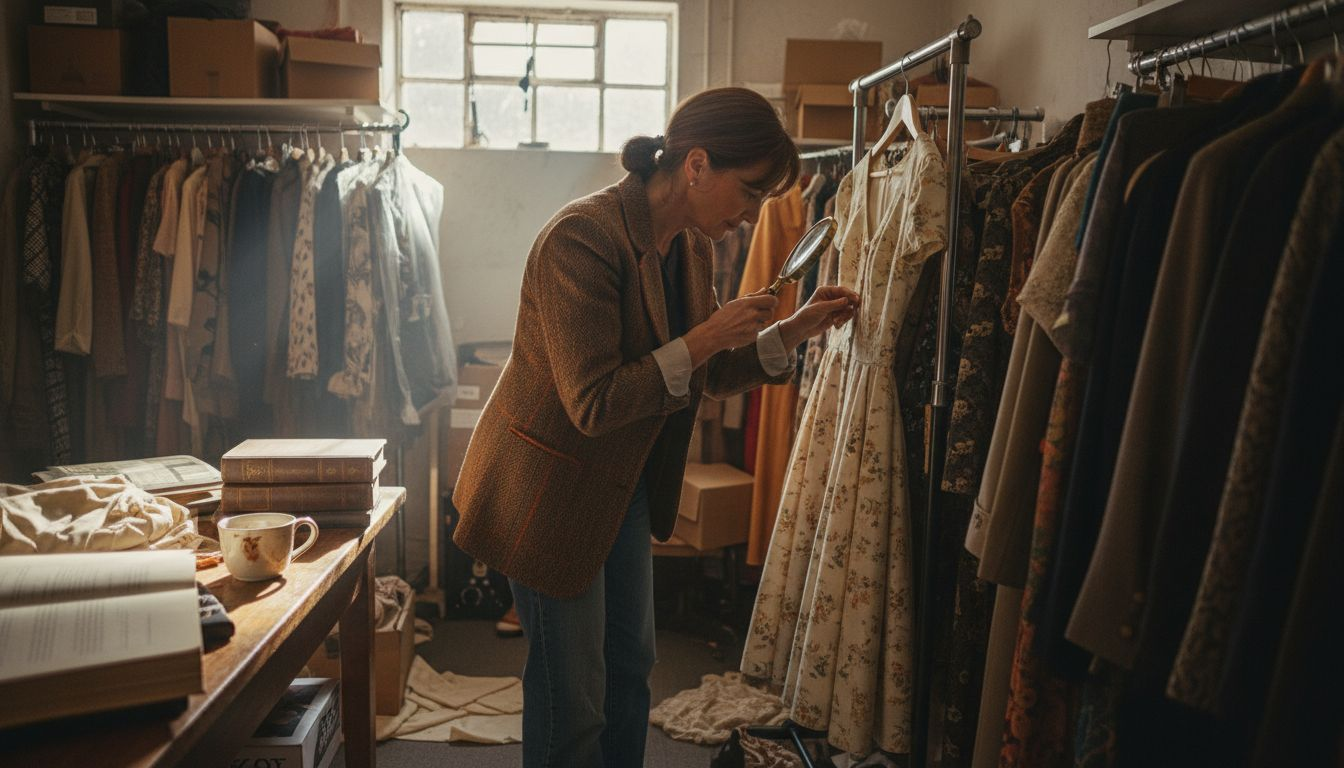
Most british collectors know that valuable vintage clothing involves much more than age or trend appeal. Authentic pieces act as wearable links to historical fashion moments, with over 60 percent of eco-conscious shoppers seeking garments that reflect genuine artistry and cultural significance. For those in the UK building a truly sustainable wardrobe, understanding what defines true value in vintage garments transforms shopping from routine browsing into a quest for individuality, authenticity, and lasting style.
Table of Contents
Key Takeaways
Point | Details |
Valuable Vintage Clothing | Vintage clothing is more than just old; it represents historical narratives and craftsmanship. Authentic pieces are typically at least 20 years old with significant provenance. |
Desirable Eras | Key eras include the 1950s for feminine silhouettes, the 1970s for bohemian styles, the 1980s for power fashion, and the 1990s for grunge aesthetics. Each decade reflects unique cultural movements. |
Authentication Techniques | Authenticating vintage garments involves inspecting construction details, labels, and fabric composition. Using expert tools and methods enhances accuracy in distinguishing genuine pieces from fakes. |
Storage and Preservation | Proper storage in temperature-controlled environments and using acid-free materials is crucial for preserving vintage clothing’s integrity and value. Regular inspections help prevent damage from pests and environmental factors. |
Defining Valuable Vintage Clothing
Understands vintage clothing requires more nuanced evaluation than simply age or aesthetic appeal. Authentic vintage garments represent complex cultural artifacts with intrinsic historical and artistic significance. These pieces transcend mere clothing, embodying narratives of craftsmanship, social movements, and design evolution.
True valuable vintage clothing encompasses several critical characteristics. First, genuine pieces must typically be at least 20 years old, representing a specific historical period’s design aesthetic. Quality becomes paramount: original construction techniques, fabric integrity, and minimal wear determine a garment’s collectible status. Provenance matters immensely - clothing with documented history, particularly from renowned designers or significant cultural moments, commands higher value among serious collectors.
The market for vintage clothing evaluates worth through multiple lenses: rarity, condition, design complexity, and cultural significance. Specialist collectors prize items that represent unique manufacturing techniques, showcase exceptional tailoring, or symbolise particular social movements. A 1950s Dior cocktail dress or a meticulously preserved 1960s Mod-era ensemble might fetch substantial prices not just for age, but for their embodiment of historical fashion narratives.
Pro tip: Always authenticate vintage pieces through multiple expert evaluations and examine construction details like stitching, fabric composition, and internal labels to determine genuine value.
Key Eras and Desirable Styles
Understanding vintage fashion requires deep appreciation for specific historical periods and their distinctive clothing characteristics. Vintage clothing trends reveal complex cultural narratives through their unique design elements and stylistic expressions. Each decade represents a distinctive aesthetic landscape, capturing social movements, technological advancements, and artistic innovations through apparel.
The 1950s stand out as a particularly coveted era, characterised by feminine silhouettes and structured designs. Women’s fashion featured cinched waists, full skirts, and elegant tailoring that celebrated post-war optimism. Simultaneously, men’s vintage styles from this period showcased sharply tailored suits, narrow lapels, and refined casual wear. The 1970s introduced bold bohemian influences, with flowing maxi dresses, psychedelic prints, and expansive trouser styles that challenged previous decade’s conservative aesthetics.
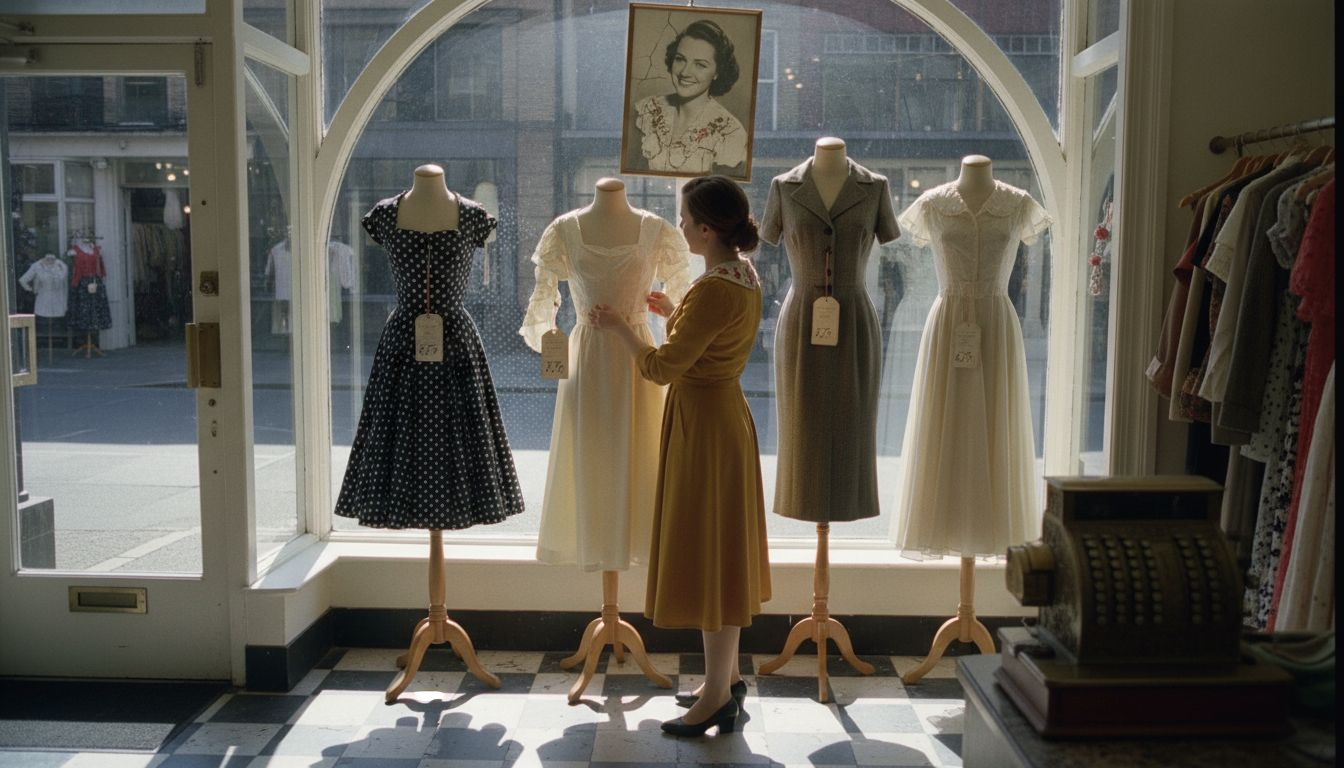
Nineties and eighties vintage clothing continue gaining remarkable collector interest. These decades represent transitional periods in fashion, featuring grunge aesthetics, oversized blazers, baggy denim, and experimental streetwear that challenged traditional fashion norms. Collectors particularly prize pieces that embody authentic manufacturing techniques, original fabric compositions, and minimal wear - elements that transform clothing from mere garments into wearable historical artefacts.
The following table highlights signature fashion features across popular vintage eras:
Decade | Women’s Iconic Features | Men’s Iconic Features | Notable Influences |
1950s | Cinched waists, full skirts | Sharp suits, narrow lapels | Post-war optimism |
1970s | Maxi dresses, bold prints | Wide trousers, casual shirts | Bohemian, psychedelic trends |
1980s | Power shoulders, sequins | Oversized blazers, denim | Pop culture, streetwear |
1990s | Grunge, slip dresses | Baggy jeans, flannel shirts | Alternative music, urban |
Pro tip: When collecting vintage clothing, prioritise pieces with intact original labels, minimal damage, and demonstrable provenance to ensure long-term value and authenticity.
How to Authenticate Original Pieces
Authentication of vintage clothing requires a meticulous approach combining visual inspection, historical knowledge, and technical expertise. Identifying genuine vintage pieces demands comprehensive understanding of manufacturing techniques, materials, and historical design nuances. Serious collectors develop sophisticated skills to distinguish authentic garments from contemporary reproductions.
Key authentication techniques focus on several critical examination points. Construction details provide significant insights - original vintage pieces typically feature hand-stitching, distinctive seam treatments, and unique fabric compositions characteristic of their historical period. Examining internal labels becomes crucial, with vintage labels revealing manufacturing locations, original brands, and production dates. Fabric composition, thread quality, zipper mechanisms, and button styles can definitively date a garment, with experienced collectors recognising subtle manufacturing variations across different decades.
Technical authentication extends beyond visual inspection. Experts often utilise specialised tools and techniques including microscopic fabric analysis, historical design reference archives, and comparative studies of original manufacturing methods. Advanced collectors maintain extensive reference libraries documenting specific design characteristics, manufacturing techniques, and historical fashion evolution. Provenance documentation, including original purchase receipts, photographs, or historical context, significantly enhances a vintage piece’s authentication and potential collector value.
Pro tip: Invest in high-quality magnifying tools and vintage fashion reference books to develop your authentication skills and confidently assess potential vintage acquisitions.
Factors Impacting Vintage Clothing Value
Vintage clothing valuation involves complex market dynamics that extend far beyond simple monetary assessment. The true worth of a vintage garment emerges from a sophisticated interplay of historical significance, condition, rarity, and emotional resonance. Collectors and fashion enthusiasts understand that each piece represents more than fabric and thread - it embodies a narrative of cultural expression and design evolution.
Four primary factors critically determine vintage clothing value. Firstly, condition remains paramount - garments with minimal wear, intact original details, and preserved fabric quality command significantly higher prices. Rarity represents another crucial element, with unique pieces from limited production runs or specific historical moments becoming exponentially more valuable. Designers’ reputation and historical significance also dramatically influence pricing, with pieces from iconic fashion houses or connected to notable cultural movements attracting serious collector interest.
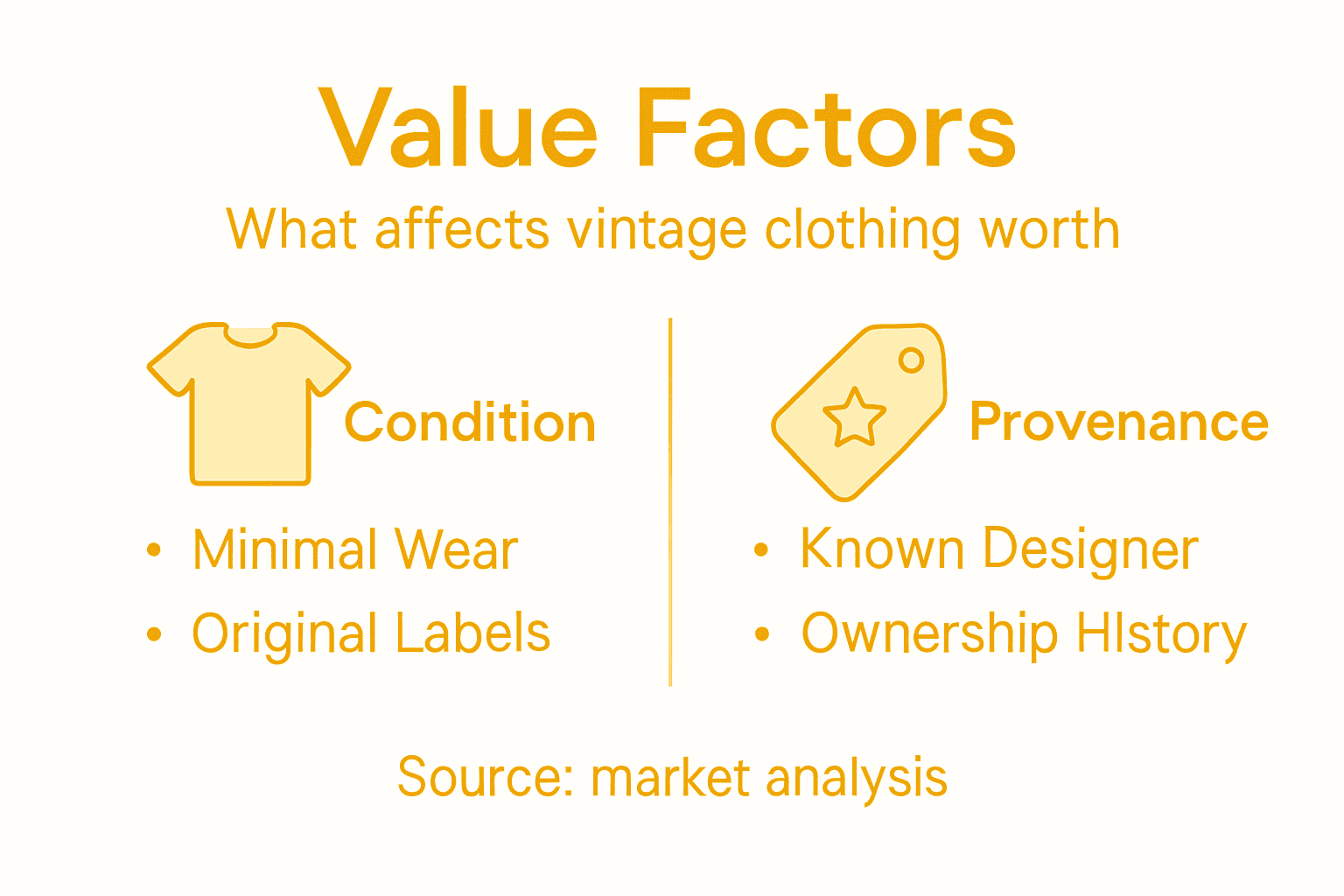
Authenticity and provenance transform a simple vintage garment into a valuable collector’s item. Pieces with documented history, original labels, and clear manufacturing provenance can substantially increase in worth. Collectors meticulously examine manufacturing techniques, fabric composition, and historical context, understanding that each stitch and seam tells a complex story of craftsmanship and cultural heritage. Emotional value intertwines with monetary worth, as vintage clothing becomes a tangible connection to past aesthetic movements and social narratives.
Pro tip: Photograph and document your vintage clothing’s unique characteristics, preserving its provenance and potentially enhancing future collector value.
Risks and Common Mistakes to Avoid
Vintage clothing purchasing involves navigating complex marketplace challenges, with numerous potential pitfalls awaiting inexperienced collectors. Understanding these risks becomes paramount in protecting both financial investment and preserving authentic historical fashion pieces. Novice collectors frequently encounter situations that can compromise their vintage acquisition strategy, making informed decision making crucial.
Key risks centre around authentication and condition assessment. Inexperienced buyers often mistakenly purchase reproductions believing them to be original vintage pieces, overlooking critical details like manufacturing techniques, fabric composition, and historical context. Sizing discrepancies present another significant challenge, with vintage clothing measurements differing dramatically from contemporary sizing standards. Many collectors discover too late that a seemingly perfect garment cannot be worn due to fundamental structural incompatibilities or requires complex alterations.
Financial risks emerge from unverified seller practices and inflated pricing strategies. Sophisticated vintage collectors recommend thorough research before purchasing, including examining detailed photographs, requesting comprehensive condition reports, and verifying seller credentials. Restoration quality represents another critical consideration - poor repair work can dramatically reduce a vintage piece’s value, transforming a potentially valuable collector’s item into a compromised garment. Understanding market trends, recognising authentic design elements, and developing a discerning eye become essential skills in mitigating potential purchasing mistakes.
Pro tip: Always request multiple high-resolution images showing detailed areas like seams, labels, and potential damage before committing to a vintage clothing purchase.
Preserving and Storing Valuable Garments
Vintage clothing preservation demands meticulous and specialised storage techniques that protect delicate historical garments from environmental degradation. Each vintage piece represents a fragile textile artefact requiring careful handling and thoughtful conservation strategies. Collectors must approach storage as a critical aspect of maintaining their treasured clothing’s historical integrity and long-term value.
Storage environments play a crucial role in vintage clothing preservation. Temperature-controlled spaces with consistent humidity levels between 50-55% prevent fabric deterioration, mould growth, and structural weakening. Natural fibres like silk, wool, and cotton remain particularly vulnerable to environmental fluctuations. Collectors should avoid storing vintage clothing in attics, basements, or areas prone to dramatic temperature changes, as these conditions accelerate fabric breakdown and encourage pest infestations.
Specialised storage techniques differentiate between hanging and folding methods depending on garment type and fabric weight. Delicate, lightweight pieces benefit from careful folding using acid-free tissue paper, while structured garments like tailored jackets require padded, wide-shouldered hangers that distribute weight evenly. Moth prevention becomes paramount - using cedar blocks, lavender sachets, and periodic inspection can protect valuable vintage clothing from insect damage. Careful storage is not merely about preservation but about maintaining the historical narrative and aesthetic integrity of each unique piece.
This table summarises optimal storage considerations for preserving vintage garments:
Storage Method | Suitable For | Benefits | Risk Mitigation |
Acid-free tissue paper | Delicate, lightweight | Prevents creasing, preserves shape | Reduces fabric breakdown |
Wide padded hangers | Structured garments | Maintains form, prevents stress | Minimises seam damage |
Cedar/lavender sachets | All garment types | Natural moth prevention | Repels insects |
Pro tip: Invest in archival-quality storage boxes with acid-free tissue paper and silica gel packets to create an optimal microclimate for your most delicate vintage garments.
Discover Authentic Vintage Clothing That Holds True Value
The journey to identifying truly valuable vintage clothing can feel overwhelming with so many replicas and reproductions in the market. If you want to avoid costly mistakes and invest in garments that combine historical significance, impeccable condition and genuine craftsmanship then visiting the curated collection at My Vintage is the perfect next step. Our handpicked selection highlights authentic pieces from the 1940s to the 1990s, all verified to ensure original labels, fabric integrity and true vintage provenance.

Explore our extensive range of vintage fashion for women, men and children designed to meet your appreciation for rarity, quality and authenticity. Act now to embrace sustainable style and own garments that carry meaningful stories from bygone eras. Start building your vintage collection with confidence by browsing My Vintage and experience the joy of owning timeless pieces that go beyond garments and become cherished cultural treasures.
Frequently Asked Questions
What defines valuable vintage clothing?
Valuable vintage clothing is typically at least 20 years old and is characterised by high-quality construction, unique design elements, and significant historical or cultural provenance. Factors such as rarity and condition also play a crucial role in determining value.
How can I authenticate original vintage pieces?
To authenticate vintage clothing, inspect construction details like stitching and fabric composition, check internal labels for manufacturing information, and consider hiring experts for specialised tools and analysis. Provenance documentation significantly enhances authenticity.
What factors impact the value of vintage clothing?
The value of vintage clothing is influenced by condition, rarity, designer reputation, and provenance. Garments in excellent condition with documented history can command higher prices than those without. Emotional value may also play a role in perceived worth.
What are the best practices for preserving vintage garments?
To preserve vintage clothing, store them in temperature-controlled, humidity-stable environments. Use acid-free tissue paper for delicate items and padded hangers for structured garments. Implement moth prevention strategies with natural repellents like cedar and lavender.
Recommended

Comments