


Retro Theme Outfit: Complete Guide to Vintage Style

Over 60 percent of fashion lovers in the British scene are drawn to retro theme outfits for their bold mix of nostalgia and personal flair. Dressing in styles from the 1940s to the 1990s is much more than copying the past. It is about expressing identity and standing out with carefully chosen details. This guide uncovers the secrets behind truly authentic retro looks and how anyone can master vintage-inspired style without falling into common traps.
Table of Contents
Key Takeaways
Point | Details |
Understanding Retro Fashion | Retro theme outfits blend historical fashion with modern style, capturing the essence of past decades and transforming clothing into personal storytelling. |
Key Style Elements | Successful retro looks require attention to period-specific silhouettes, fabric choices, and careful accessory selection, ensuring a balance between nostalgia and contemporary flair. |
Shopping for Retro Outfits | Authentic retro pieces can be sourced from vintage boutiques, charity shops, and online marketplaces, necessitating a discerning eye and patience for effective shopping. |
Avoiding Common Mistakes | To maintain authenticity, avoid over-accessorising, replicating exact outfits, and neglecting modern fit; instead, mix vintage elements with contemporary pieces for a unique style. |
Defining Retro Theme Outfits and Main Concepts
Retro theme outfits represent a fascinating intersection of historical fashion and contemporary style, capturing the essence of past decades through carefully curated clothing and accessories. According to research from Interculture, these styles are deeply rooted in nostalgia, reflecting how consumers emotionally connect with fashion from previous eras.
At its core, a retro theme outfit goes beyond simply wearing old clothing. It involves thoughtfully selecting pieces that authentically represent a specific historical period, typically spanning from the 1940s through the 1990s. The goal is not mere costume recreation, but a nuanced interpretation that blends vintage aesthetics with modern sensibilities. As noted in IJRTI, contemporary fashion increasingly reimagines vintage styles to suit current tastes, emphasising sustainable practices and creative fabric incorporation.
Key characteristics of retro theme outfits include:
Authentic period-specific silhouettes
Carefully selected vintage or vintage-inspired fabrics
Accessories that complement the chosen historical aesthetic
Attention to historical details like stitching, buttons, and construction techniques
A balanced approach that feels both nostalgic and contemporary
Understanding retro theme outfits requires more than just clothing selection What is Retro Style? Understanding Vintage Aesthetics. It demands an appreciation for historical fashion movements, an eye for detail, and the ability to blend eras seamlessly. Whether you are drawn to the structured elegance of 1950s New Look, the rebellious spirit of 1970s punk, or the bold prints of 1990s grunge, a successful retro outfit tells a story through carefully curated pieces.
The magic of retro theme outfits lies in their ability to transcend simple clothing reproduction, transforming fashion into a form of personal storytelling and cultural expression. Each ensemble becomes a dialogue between past and present, inviting wearers to explore identity through the lens of historical style.
Exploring Famous Retro Fashion Eras and Trends
Vintage fashion is a vibrant tapestry of historical styles that capture the spirit of different decades, each era bringing its unique aesthetic and cultural significance. Stepping Back in Time: Exploring Fashion Eras reveals how each period represents more than just clothing styles, but entire social movements and cultural transformations.
Take the Swinging Sixties, for instance. According to Wikipedia, this era was a youth-driven cultural revolution in the UK, characterised by modernity, hedonism, and a flourishing of art, music, and fashion. Iconic figures like Twiggy epitomised the decade’s bold, geometric fashion trends - think mini skirts, bright colours, and revolutionary silhouettes that challenged previous fashion norms.
The 1970s brought another distinctive aesthetic that continues to inspire contemporary fashion. As Wikipedia notes, this decade has experienced a significant revival, with trends like:
Bell-bottom trousers
Platform shoes
Disco-inspired metallic and vibrant fabrics
Wide-collar shirts
Bold, experimental patterns
Each fashion era tells a unique story of social change, artistic expression, and cultural rebellion. From the structured elegance of 1950s New Look to the punk rebellion of the late 1970s and the eclectic mix of 1980s power dressing, retro fashion is a dynamic reflection of societal shifts. Unveiling Timeless Vintage Fashion Icons demonstrates how these styles continue to inspire modern designers and fashion enthusiasts.
Understanding these eras is about more than just appreciating aesthetics - it’s about recognizing fashion as a powerful form of cultural communication. Each decade’s style represents a dialogue between individual expression and broader social movements, making retro fashion a fascinating lens through which we can explore historical and contemporary identity.

Key Elements of Creating a Retro Theme Look
Creating an authentic retro theme look is an art form that requires careful consideration of multiple style elements, fabric choices, and historical context. How to Dress Retro: A Stylish Journey Through Time offers insights into transforming vintage inspiration into a modern, wearable ensemble.
According to Tellar, successful retro styling hinges on understanding the delicate balance between oversized and fitted pieces. The 1960s mod revival, for instance, emphasises clean lines and geometric patterns that create a distinctive silhouette. This approach involves strategically selecting pieces that capture the era’s essence without appearing like a costume.
Key elements of crafting a compelling retro theme look include:
Authentic period-specific silhouettes
Carefully chosen fabrics that reflect the era
Strategic color palettes matching the chosen decade
Attention to small structural details
Thoughtful accessory selection
As The Streets notes, contemporary fashion thrives on reinterpreting historical styles, blending retro elements with modern design sensibilities. This means your vintage-inspired outfit should feel both nostalgic and current, avoiding a literal historical recreation.
Mastering a retro theme look is about understanding the nuanced dialogue between historical aesthetics and personal style. It’s an invitation to explore fashion as a form of self-expression, allowing you to tell a story through carefully curated clothing that transcends mere trend and becomes a personal statement.
Where to Source Authentic Retro Outfits UK
Navigating the landscape of authentic retro outfits in the UK requires a strategic approach that blends traditional vintage hunting with contemporary shopping techniques. Best Vintage Clothing Shops – Expert Comparison 2025 provides valuable insights into the most reliable sources for vintage enthusiasts.
According to Tellar, high street retailers offer surprising opportunities for vintage-inspired fashion. Brands like H&M, Whistles, and Jigsaw have become adept at capturing retro aesthetics while maintaining contemporary relevance, making them excellent starting points for those seeking authentic vintage-style pieces.
Key sources for authentic retro outfits in the UK include:
Dedicated vintage boutiques
Charity shops and thrift stores
Online vintage marketplaces
Specialist vintage clothing fairs
Curated vintage retailers like My Vintage
Vintage department store sections
Estate sales and vintage markets
The Streets highlights the growing consumer interest in nostalgic aesthetics, indicating a robust market for vintage fashion. This trend means more opportunities for finding authentic pieces across various shopping platforms, from physical stores to online marketplaces.
Successful vintage shopping is an art form that requires patience, a discerning eye, and a willingness to explore unconventional sources. Whether you’re hunting for a perfect 1950s cocktail dress or a classic 1970s leather jacket, the UK offers a treasure trove of vintage fashion waiting to be discovered by the passionate collector.
Common Mistakes and How to Avoid Them
Vintage fashion requires nuanced understanding, and even enthusiasts can fall into predictable styling traps that diminish the authenticity of their retro look. 7 Authentic Retro Dress Up Ideas for Vintage Lovers offers insights into navigating potential pitfalls in vintage styling.
According to Tellar, one of the most common vintage styling mistakes involves disrupting silhouette balance. The key is strategic proportioning - pairing boxy blazers with slim-fit trousers, or balancing voluminous tops with fitted pencil skirts. This approach prevents outfits from appearing costume-like or overwhelmingly bulky.
Common vintage styling mistakes include:
Over-accessorising period pieces
Choosing exact replica outfits instead of inspired looks
Neglecting modern fit and comfort
Ignoring personal body shape and proportions
Misunderstanding era-specific styling nuances
Purchasing low-quality vintage reproductions
Failing to mix vintage with contemporary pieces
The Streets emphasises the importance of blending retro elements with modern designs to prevent outfits from appearing dated. This means thoughtfully incorporating vintage styles while maintaining a contemporary edge that reflects personal style.
Successful retro styling is about creating a dialogue between historical fashion and personal expression. It requires confidence, careful curation, and an understanding that vintage fashion is not about exact replication, but about capturing the spirit of an era while making it uniquely your own.
Embrace Timeless Style with Authentic Retro Outfits
Capturing the true spirit of retro theme outfits can be challenging when seeking authentic vintage pieces that honour the delicate balance of silhouette, fabric, and historical detail. Many enthusiasts struggle with finding genuine items that reflect specific eras without falling into costume-like styling or compromising on fit and quality. This is where understanding the nuances of vintage fashion becomes essential, from the structured elegance of the 1950s to the bold prints of the 1990s.
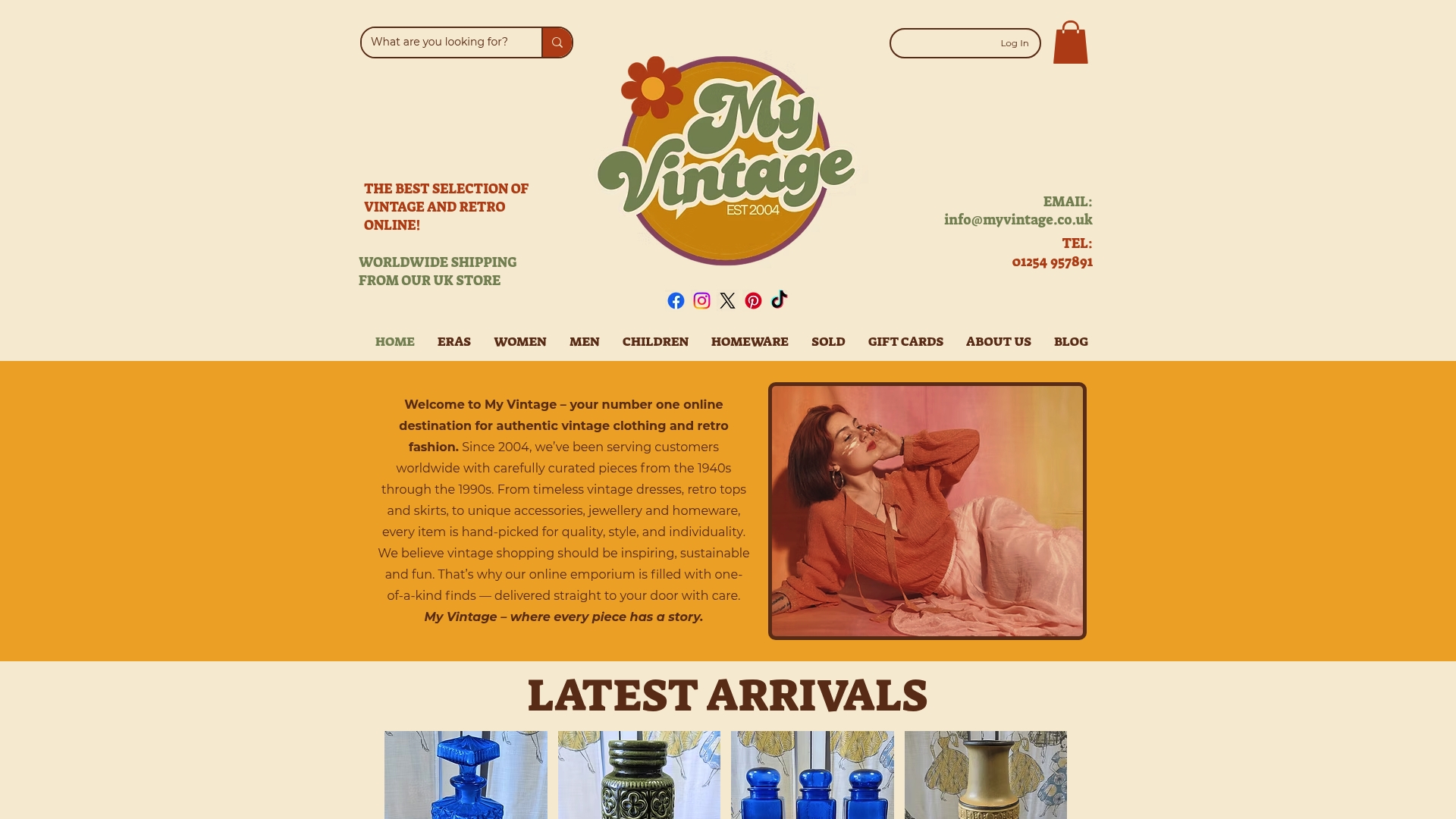
At My Vintage, we specialise in supplying carefully curated vintage apparel and accessories that capture each era’s unique essence with authenticity and sustainability. Explore our extensive collection designed to help you recreate your perfect retro theme look with confidence and style. Don’t miss the opportunity to own unique pieces that tell a personal fashion story while supporting an eco-minded lifestyle. Start your vintage journey today by browsing our collection of retro outfits and immerse yourself in decades of timeless elegance.
Frequently Asked Questions
What defines a retro theme outfit?
A retro theme outfit is a nuanced interpretation of clothing styles from past decades, typically between the 1940s and 1990s. It involves selecting pieces that reflect the aesthetics of specific historical periods while incorporating modern sensibilities.
How can I create an authentic retro look?
To create an authentic retro look, focus on achieving period-specific silhouettes, choose fabrics that reflect the era, pay attention to structural details, and select complementary accessories. Balance oversized and fitted pieces to avoid a costume-like appearance.
What are some common mistakes to avoid when dressing in retro style?
Common mistakes include over-accessorising, choosing exact replica outfits rather than inspired looks, neglecting modern fit, and misjudging the style nuances of specific eras. Balancing vintage pieces with contemporary items can help maintain a fresh appearance.
Why is it important to understand the history behind vintage fashion?
Understanding the history behind vintage fashion provides context for styles and trends, enabling wearers to better express their individuality and connect with the cultural significance of each era. Fashion acts as a powerful form of cultural communication that reflects societal movements and changes.
Recommended


Comments