


7 Essential Tips for Mastering Vintage Western Wear

Nearly 60 percent of British vintage fashion lovers say their wardrobe blends cultural heritage with personal style. Vintage western wear stands out not only as a fashion statement but as a story of resilience and authenticity. For those in the United Kingdom who crave sustainable choices and one-of-a-kind looks, discovering the roots and details of western attire connects you to a rich legacy that continues to inspire modern individuality.
Table of Contents
Quick Summary
Takeaway | Explanation |
1. Understand Vintage Origins | Vintage western wear reflects a blend of practicality and cultural evolution from the late 19th century. |
2. Identify Authentic Fabrics | Look for unique fabric characteristics like selvage denim and natural fibres to verify authenticity. |
3. Choose Proper Fit | Consider your body shape and comfort when selecting vintage pieces to enhance both style and historical integrity. |
4. Mix Styles Thoughtfully | Blend vintage western wear with modern pieces to create a personal style that respects both eras. |
5. Preserve Carefully | Use appropriate storage and cleaning techniques to maintain the integrity of vintage garments for years to come. |
1. Understanding the History of Vintage Western Wear
Vintage western wear represents far more than just clothing style it embodies an entire cultural narrative of rugged individualism and frontier spirit. The evolution of western fashion reflects significant social transformations across multiple decades in the United Kingdom and North America.
Understanding the historical context of western wear requires exploring its roots in practical workwear for cowboys, ranchers, and agricultural workers during the late 19th and early 20th centuries. These garments were initially designed for durability and functionality rather than fashion statement. Vintage fashion historians trace western wear origins to practical ranch clothing that prioritised protection and mobility.
The cowboy aesthetic emerged from genuine working conditions western United States rangelands where clothing needed to withstand harsh environmental challenges. Leather chaps, denim jeans, wide brimmed hats and sturdy boots were not fashion choices but essential survival gear for workers navigating challenging terrains.
By the mid 20th century western wear transformed from purely utilitarian clothing into a powerful cultural symbol. Hollywood westerns popularised romanticised cowboy imagery worldwide turning functional ranch attire into a globally recognised fashion statement. Iconic film stars like John Wayne and Clint Eastwood played pivotal roles in elevating western fashion from practical workwear to stylish cultural expression.
The British interpretation of western wear often differed subtly from American styles incorporating more tailored elements and refined aesthetics. National Archives records demonstrate how British fashion designers interpreted western themes through a distinctly European lens creating unique hybrid styles.
Key Historical Periods in Western Wear Development • 1870 1900: Purely functional ranch clothing • 1900 1940: Hollywood begins romanticising cowboy aesthetic • 1950 1970: Western wear becomes mainstream fashion • 1980 present: Vintage western wear as cultural statement
Top Tip: Research original vintage pieces to understand authentic construction techniques and appreciate the craftsmanship behind historical western garments.
2. Identifying Key Fabrics and Authentic Details
Authentic vintage western wear requires a discerning eye and deep understanding of traditional fabric characteristics. The journey of identifying genuine vintage pieces begins with a comprehensive examination of textiles and their unique historical markers.
Vintage western wear fabrics tell complex stories through their weave, texture, and construction. Textile heritage research reveals that authentic western textiles typically feature specific qualities that distinguish them from modern reproductions.
Key Vintage Fabric Characteristics • Denim with distinct selvage edges • Wool tweed with traditional Scottish weaving techniques • Natural fibres like cotton and wool • Hand stitching and irregular weave patterns • Subtle colour variations indicating natural dyeing processes
Cotton denim and wool were predominant materials in classic western wear. Authentic pieces often showcase intricate manufacturing techniques no longer used in contemporary clothing production. Understanding fabric preservation techniques helps collectors identify genuine vintage items.
Detailed examination involves checking seam construction thread quality and fabric weight. Experienced collectors look for specific manufacturing indicators such as single stitch construction period correct buttons and unique fabric textures that machines cannot replicate.
Warning Signs of Inauthentic Vintage Clothing • Machine perfect stitching • Modern synthetic blends • Overly uniform fabric texture • Contemporary manufacturing tags • Absence of natural wear patterns
Top Tip: Invest in a quality magnifying glass to inspect fabric weaves and stitching details that reveal an item’s true vintage authenticity.

3. How to Choose the Perfect Fit for Your Style
Choosing the perfect vintage western wear fit is an art form that balances personal style personality and historical authenticity. Understanding how to select garments that flatter your body while honouring vintage design principles requires careful consideration and nuanced approach.
Vintage fashion research reveals that clothing fit profoundly impacts personal confidence and self expression. The right vintage western wear can transform your appearance communicating both individual personality and historical appreciation.
Key Considerations for Selecting Vintage Western Wear Fit • Body shape and proportions • Personal comfort level • Historical period accuracy • Fabric flexibility and stretch • Individual style preferences
Understanding historical fit evolution helps identify which vintage styles will complement your physique. Western wear from different decades offers unique silhouettes ranging from tight fitted 1950s cowboy shirts to more relaxed 1970s ranch wear.
Body Shape Matching Strategies • Hourglass figures suit nipped waist designs • Athletic builds work well with straighter cuts • Pear shaped bodies benefit from balanced proportions • Tall individuals can experiment with more dramatic styles • Petite frames should choose proportionate pieces
When trying vintage western wear consider fabric stretch fabric weight and original construction techniques. Authentic pieces might require slight alterations to achieve perfect personalised fit without compromising historical integrity.
Warning Signs of Poor Fit • Restrictive shoulder movements • Uncomfortable waistband • Excessive fabric bunching • Limited mobility • Unbalanced proportions
Top Tip: Always try on vintage pieces and move around to ensure comfortable fit and unrestricted movement.
4. Mixing Vintage Western with Modern Wardrobe Pieces
Blending vintage western wear with contemporary fashion creates a unique personal style that celebrates both historical elegance and modern sensibilities. The art of mixing vintage and modern pieces requires strategic thinking and confident fashion approach.
Fashion integration research demonstrates that thoughtful combination of vintage and contemporary clothing can produce remarkable style statements. Western wear offers exceptional versatility for creating distinctive fashion narratives.
Strategic Mixing Principles • Balance vintage and modern proportions • Choose neutral contemporary base pieces • Highlight one statement vintage item • Consider colour compatibility • Maintain overall cohesive aesthetic
A vintage western shirt can transform a minimalist outfit by adding texture and historical depth. Pairing a classic 1950s denim western shirt with slim black trousers creates an effortlessly stylish ensemble that bridges different fashion eras.
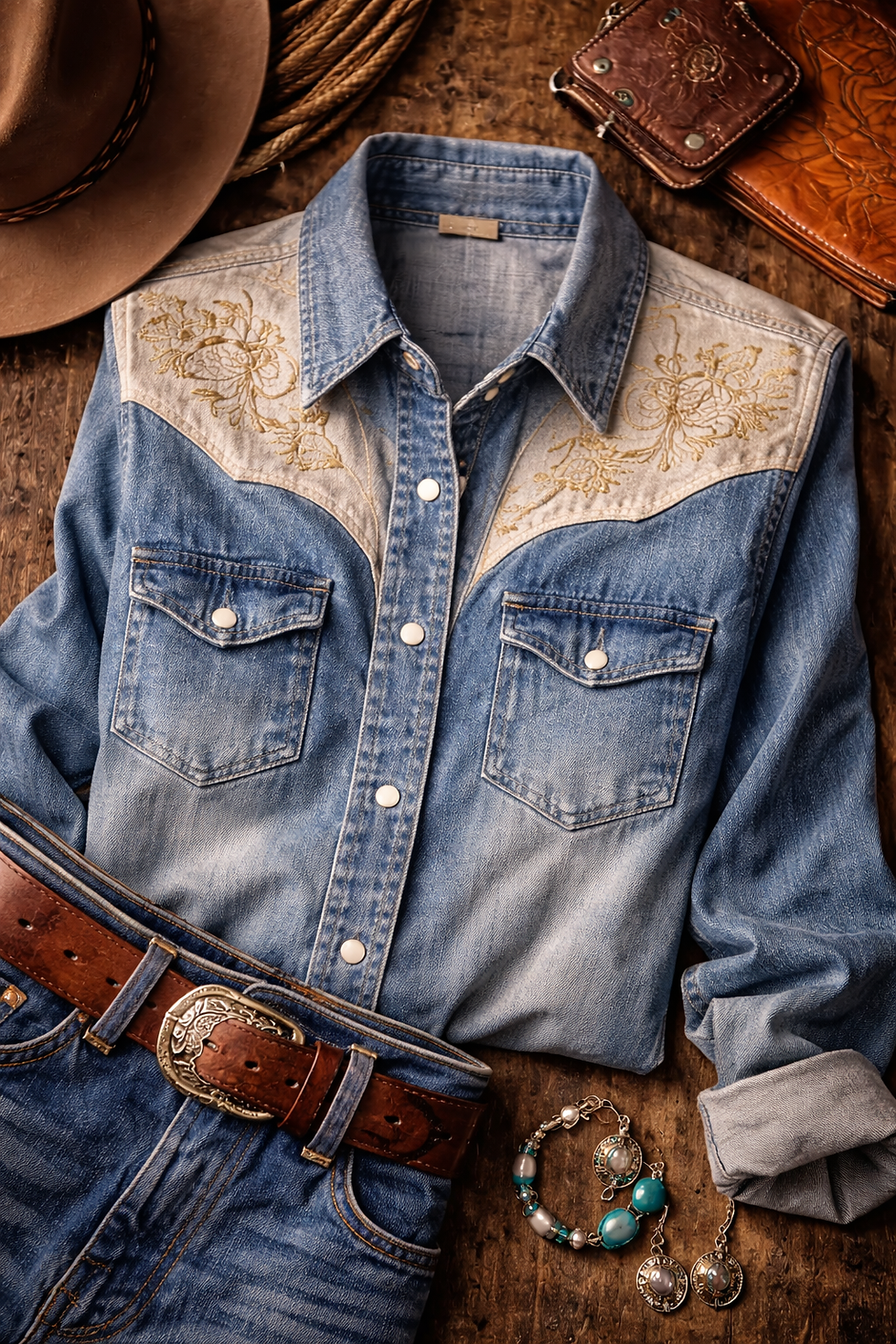
Recommended Vintage Western Pieces for Modern Wardrobes • Embroidered western shirts • Leather western jackets • Vintage cowboy boots • Tooled leather belts • Classic denim jackets
Practical Mixing Techniques • Layer vintage jackets over contemporary basics • Use western accessories with modern outfits • Select pieces with subtle vintage details • Match colour palettes carefully • Ensure proper fit and proportion
Historical clothing archives highlight the importance of understanding each garment contextual significance while creating modern interpretations. Vintage western wear represents more than fashion it embodies cultural storytelling.
Warning Signs of Unsuccessful Mixing • Overly costume like appearance • Conflicting style periods • Inappropriate fabric combinations • Disproportionate silhouettes • Lack of personal confidence
Top Tip: Start with one vintage statement piece and build your modern outfit around its unique character and aesthetic.
5. Caring for and Preserving Vintage Western Clothing
Preserving vintage western clothing requires meticulous care understanding and specific preservation techniques that protect delicate historical garments from deterioration. Your vintage pieces represent more than mere clothing they are tangible cultural artefacts with significant historical value.
Textile preservation principles emphasise creating optimal storage environments that protect fragile vintage materials from environmental damage. Understanding these techniques ensures your cherished western wear remains in exceptional condition for years to come.
Essential Preservation Strategies • Maintain consistent cool temperature • Control humidity levels • Avoid direct sunlight exposure • Use acid free storage materials • Handle garments with clean hands
Vintage western clothing demands gentle cleaning approaches that differ dramatically from modern garment maintenance. Historical textile conservation recommends professional cleaning for delicate vintage pieces to prevent potential fabric damage.
Recommended Storage Methods • Use padded hangers for structured items • Store in dark breathable garment bags • Avoid plastic containers • Maintain consistent room temperature • Rotate hanging positions periodically
Common Preservation Mistakes to Avoid • Storing in damp environments • Using wire hangers • Folding garments with sharp creases • Exposing to direct heat • Washing with harsh chemical detergents
Warning Signs of Textile Deterioration • Fabric yellowing • Visible thread disintegration • Persistent musty odours • Unexpected colour changes • Emerging fabric weakness
Top Tip: Invest in archival quality storage boxes and acid free tissue paper to protect your most treasured vintage western wear pieces from environmental damage.
6. Finding Genuine Vintage Western Wear in the UK
Locating authentic vintage western wear in the United Kingdom requires strategic research patience and sophisticated knowledge of historical textile markers. Genuine vintage pieces represent more than clothing they are tangible connections to cultural heritage and craftsmanship.
British textile authentication involves understanding nuanced manufacturing techniques and historical provenance markers that distinguish genuine vintage items from modern reproductions.
Primary Sourcing Locations for Vintage Western Wear • Specialist vintage clothing shops • Antique markets and fairs • Online vintage marketplaces • Estate sales and auctions • Vintage clothing collectors networks
Understanding historical textile documentation helps collectors verify the authenticity of vintage western wear. Key authentication strategies involve examining manufacturing techniques fabric composition and historical contextual details.
Authentication Techniques • Check internal garment labels • Examine stitching techniques • Analyse fabric weave and composition • Research manufacturing periods • Understand regional production variations
Red Flags Indicating Potential Reproduction • Machine perfect stitching • Modern synthetic fabric blends • Inconsistent historical details • Overly pristine condition • Contemporary manufacturing tags
Recommended Research Resources • National Archives textile records • Vintage fashion museums • Academic textile history publications • Specialist vintage clothing forums • Historical costume archives
Top Tip: Always request detailed provenance documentation and photographs from sellers when purchasing vintage western wear to ensure authenticity and historical integrity.
7. Styling Tips for Showcasing Your Western Look
Mastering vintage western wear requires understanding how to seamlessly blend historical aesthetics with contemporary fashion sensibilities. Your western look should communicate individuality confidence and respect for sartorial heritage.
Vintage fashion styling involves strategic layering accessorising and proportion balancing that transforms traditional western pieces into modern fashion statements. The key lies in creating harmonious outfits that feel authentic yet contemporary.
Core Styling Principles • Balance vintage and modern pieces • Focus on proportion and silhouette • Select statement accessories • Play with colour and texture • Maintain personal comfort
Understanding design innovation techniques allows creative interpretation of western wear. A vintage western shirt can become a versatile piece when paired with modern tailored trousers or contemporary denim.
Strategic Layering Techniques • Western jacket over slim fitted shirt • Cowboy boots with tailored trouser • Vintage scarf as statement accessory • Leather belt with contemporary outfit • Embroidered western shirt under blazer
Accessory Integration Strategies • Select minimal complementary jewellery • Choose authentic vintage belts • Incorporate western inspired scarves • Use classic leather boots • Add subtle southwestern inspired pieces
Warning Signs of Overcomplicated Styling • Too many competing patterns • Costume like appearance • Uncomfortable layering • Lack of personal interpretation • Losing individual style essence

Top Tip: Approach vintage western styling as personal storytelling where each piece represents a chapter of your unique fashion narrative.
Below is a comprehensive table summarising the historical context, characteristics, styling, and preservation techniques associated with vintage western wear as discussed in the article.
Aspect | Details | Notes |
Historical Context | Vintage western wear evolved from practical cowboy workwear to a symbol of cultural identity. | Significant transformations occurred across decades influencing fashion in the UK and North America. |
Authentic Fabric Features | Denim with selvage edges, wool tweed, and natural fibres were heavily used in vintage western apparel. | Handmade stitching and natural dyeing characterised authentic historical garments. |
Fit and Style Selection | Choose garments based on body shape, comfort, and historical silhouette accuracy. | Tailored alterations preserve authenticity while improving personal comfort and style. |
Styling Tips | Blend vintage western items like embroidered shirts or leather jackets with modern basics. | Balance proportions, utilise statement pieces, and integrate complementary accessories. |
Preservation Techniques | Store garments in breathable environments and avoid exposure to sunlight. | Use archival materials like acid-free tissue paper for long-term protection of fibres. |
Sourcing Genuine Items | Vintage shops, markets, and specialist forums offer access to authentic pieces. | Examine stitching, fabric composition, and labels for authentication. |
Elevate Your Vintage Western Wear Journey with Expertly Curated Finds
Mastering vintage western wear presents challenges from selecting authentic fabrics to achieving the perfect fit that honours historical design while expressing your individuality. The article highlights key pain points such as identifying genuine textiles, balancing style and comfort, and mixing vintage with modern wardrobe pieces without losing authenticity or personal confidence. If you are passionate about creating a timeless western look that speaks volumes about cultural heritage and your unique fashion story then sourcing genuine items that reflect these values is essential.

Discover how My Vintage can transform your wardrobe with an exclusive selection of authentic vintage western wear and retro apparel from the 1940s to the 1990s. Each piece is carefully chosen to offer not only enduring quality but also sustainable style that respects the craftsmanship and cultural significance behind vintage fashion. Whether you seek iconic denim shirts, classic leather jackets, or unique accessories that blend seamlessly into modern looks you can shop confidently knowing you are investing in timeless individuality. Explore our comprehensive vintage fashion collections today and start telling your personal story with authentic vintage western wear that lasts.
Take the next step in mastering your perfect vintage western style now by visiting My Vintage – your trusted destination for carefully curated, sustainable and historically rich vintage fashion.
Frequently Asked Questions
How can I identify authentic vintage western wear?
To identify authentic vintage western wear, check for key fabric characteristics such as selvage denim and natural fibres like cotton and wool. Examine the stitching for hand-made details and subtle colour variations indicating natural dyes. Focus on the garment’s overall construction and weight; genuine pieces should feel sturdy and unique compared to modern reproductions.
What factors should I consider when choosing a fit for vintage western wear?
When choosing a fit for vintage western wear, consider your body shape, comfort level, and the historical accuracy of the garment. Ensure that the fit flatters your proportions and allows for mobility; for instance, select fitted styles for hourglass figures and straighter cuts for athletic builds. Always try the garment on and move around to gauge its comfort and fit.
How can I effectively mix vintage western wear with modern pieces?
To mix vintage western wear with modern pieces, start by selecting one statement vintage item and pairing it with neutral contemporary basics. Pay attention to proportions and colour compatibility to create a cohesive look; for example, wear a vintage western shirt with slim black trousers. Aim for balance between the vintage and modern styles to avoid a costume-like appearance.
What are the best practices for caring for vintage western clothing?
Caring for vintage western clothing involves maintaining a cool, dry storage environment and handling garments with clean hands. Avoid direct sunlight and store items in acid-free materials to prevent deterioration. Regularly check for signs of fabric deterioration, and if needed, seek professional cleaning to protect delicate pieces from damage.
Where can I find information on the history and evolution of vintage western wear?
Information on the history and evolution of vintage western wear can often be found in fashion history books, online textile archives, and academic publications. Look into resources that focus on fashion evolution from the late 19th century to the present to gain deeper insights. Consider visiting fashion museums or attending workshops to enhance your understanding of historical contexts.
Recommended


Comments