


Essential Tips for Authentic 80s Ski Gear Collections

Over a third of vintage shoppers now choose retro ski gear for both the bold look and reduced environmental impact. The thrill of tracking down authentic 1980s jackets or striking neon accessories means every piece tells part of winter sports history and reflects a commitment to sustainable style. Whether you crave iconic prints with genuine technical features or aspire to greener wardrobes, discover what sets true 80s ski apparel apart and how it transforms both your fashion and ethical choices.
Table of Contents
Quick Summary
Takeaway | Explanation |
1. Prioritise bold designs and safety features | Look for oversized jackets and safety bindings that reflect the vibrant 80s skiing style and advanced technology. |
2. Examine authentic brand labels carefully | Verify logos, stitching, and material quality to distinguish genuine vintage ski gear from modern reproductions. |
3. Source from specialised vintage dealers | Explore online platforms, auctions, and ski clubs for authentic 80s gear and build your collector network. |
4. Adopt sustainable restoration methods | Use eco-friendly cleaning techniques and repair rather than replace to preserve vintage ski apparel effectively. |
5. Assess the condition and safety of gear | Evaluate binding mechanisms and structural integrity, treating vintage items as collectible while ensuring safety. |
1. Understand 80s Ski Gear Styles and Key Features
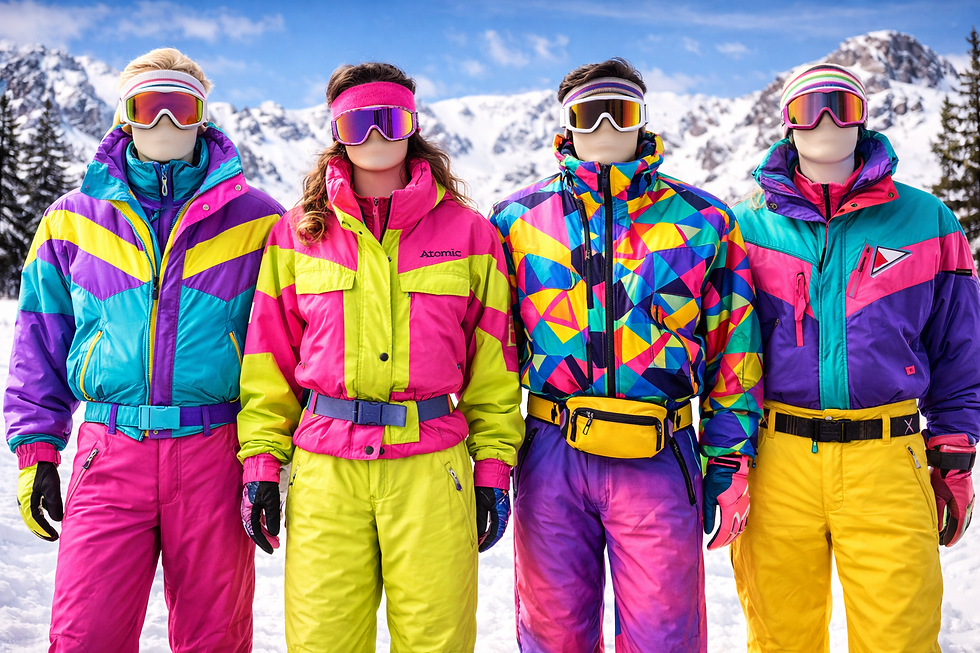
The 1980s marked a transformative era for skiing equipment, representing a pivotal moment where technology and fashion converged to revolutionise winter sports apparel and functionality. Understanding the distinctive styles and key features of this decade is crucial for authentic 80s ski gear collectors seeking to capture the true spirit of that dynamic period.
During the 1980s, ski equipment underwent significant technological advancements, particularly in ski binding safety mechanisms. Alpine skiing gear transitioned from purely utilitarian designs to specialised performance equipment that prioritised both protection and style. Plastic boots became standard, replacing earlier leather designs, while aluminum bindings offered unprecedented control and safety features.
The decade’s ski gear was characterised by bold, vibrant colours that reflected the exuberant fashion trends of the time. Bright neon hues dominated ski jackets and trousers, with designers experimenting with graphic patterns and unconventional colour combinations. Waterproof materials and advanced insulation technologies became increasingly sophisticated, providing skiers with enhanced comfort and protection against harsh winter conditions.
Authentic 80s ski gear typically featured distinctive elements such as:- Oversized, padded ski jackets with prominent shoulder lines- Fluorescent colour palettes including electric blue, hot pink, and acid green- Synthetic materials like Gore Tex that offered superior water resistance- Integrated snow skirts and adjustable cuffs for improved weather protection
Expert tip: When collecting 80s ski gear, prioritise pieces that demonstrate both technological innovation and bold aesthetic design from the decade.
2. How to Identify Authentic 1980s Ski Labels

Authentic 1980s ski labels represent more than just fabric tags they are tangible pieces of skiing history that tell a unique story about design, technology, and fashion. Identifying genuine vintage ski gear requires a keen eye and understanding of the distinctive characteristics that defined ski equipment during this vibrant decade.
Several iconic ski brands dominated the 1980s market, with distinctive logos and design elements. Brands such as Rossignol, Atomic, Fischer, and Head created ski equipment with unmistakable visual signatures that collectors can use to verify authenticity. Each manufacturer developed signature graphic styles that reflected the bold aesthetic of the era.
Key identification strategies include:
Visual Markers
Examining logo placement and design
Checking material quality and weave patterns
Identifying decade specific colour palettes
Inspecting stitching techniques and construction methods
Brand Specific Details For instance, Rossignol skis from the 1980s often featured graphic prints characterised by bold geometric patterns and high contrast colour schemes. Their labels typically included specific manufacturing information and brand emblems that differ markedly from modern designs.
Documentation and Research Compare potential vintage pieces against archival catalogues, museum collections, and specialist vintage skiing resources. Detailed photographic evidence and technical specifications can help validate the origins of ski gear.
Expert tip: Invest in a magnifying glass to closely examine label stitching, material weave, and minute design details that distinguish authentic 1980s ski equipment from modern reproductions.
3. Best Sources for Vintage 80s Ski Gear in the UK

Navigating the landscape of vintage ski gear collection in the United Kingdom requires strategic knowledge and a network of specialised resources. Understanding where to source authentic 80s ski equipment can transform your collecting journey from challenging to rewarding.
One exceptional starting point for collectors is exploring historical archives and sporting records. The National Archives hold extensive documentation that can provide crucial provenance and authentication for vintage ski equipment. These archives offer comprehensive historical context that can help verify the origins and legitimacy of potential acquisitions.
Key sources for vintage 80s ski gear in the UK include:
Specialist Resources
Vintage sporting memorabilia dealers
Specialist online auction platforms
Ski club networks and enthusiast groups
Antique sporting equipment collectors associations
Regional vintage clothing and equipment fairs
Community Connections Engaging with Snowsport England’s club network can provide invaluable connections. Many veteran ski enthusiasts maintain collections and may be willing to share insights or potentially sell rare pieces from the 1980s.
Online platforms such as eBay UK, Etsy vintage sections, and specialist vintage sporting equipment websites offer additional hunting grounds for authentic 80s ski gear. Always request detailed photographs and provenance documentation before making purchases.
Expert tip: Build relationships with vintage ski equipment dealers and join online collector forums to expand your network and discover rare 80s ski gear opportunities before they become widely available.
4. Eco-Friendly Tips for Restoring Retro Ski Clothing
Restoring vintage ski clothing represents more than a nostalgic pursuit it is an opportunity to champion sustainable fashion practices. By choosing to revive and preserve retro ski gear, you contribute to reducing textile waste and celebrating the timeless quality of 80s sportswear.
The core philosophy of sustainable clothing restoration involves minimising environmental impact through mindful intervention and careful preservation techniques. Each restored garment represents a small victory against the disposable fashion culture.
Restoration Strategies
Assess fabric condition before beginning restoration
Use gentle natural cleaning solutions
Repair rather than replace damaged sections
Choose environmentally friendly textile treatments
Avoid harsh chemical cleaning agents
Sustainable Cleaning Techniques For delicate vintage ski clothing, opt for mild biodegradable detergents specifically designed for technical fabrics. Hand washing in lukewarm water helps maintain fabric integrity while preventing unnecessary wear. Air drying flat prevents fabric distortion and reduces energy consumption.
Fabric Preservation Principles Understanding the original material composition is crucial. Wool and natural synthetic blends from the 1980s often require specialised care. Consult textile conservation experts or vintage clothing specialists for advanced restoration guidance.
Expert tip: Invest in a specialist vintage textile repair kit and learn basic mending techniques to extend the life of your retro ski clothing without compromising its original character.
5. How to Style 80s Ski Gear for Modern Retro Looks

Bringing vintage ski gear into contemporary fashion requires a delicate balance between nostalgic celebration and modern styling sensibilities. Your 80s ski wardrobe can become a statement of individual style that bridges decades while maintaining current fashion relevance.
The key to successfully styling 80s vintage clothing trends lies in understanding the decade’s bold aesthetic principles. Neon colours, geometric patterns, and exaggerated silhouettes were hallmarks of 80s design that can be strategically incorporated into modern wardrobes.
Styling Strategies
Layer vintage ski jackets with minimalist contemporary pieces
Mix bright neon ski gear with neutral modern basics
Pair high waisted ski pants with sleek urban tops
Incorporate vintage accessories as statement pieces
Balance bold 80s textures with understated modern fabrics
Colour and Texture Principles Authentic 80s ski gear often features vibrant nylon and fleece materials in electric blues, shocking pinks, and acid greens. Modern styling involves selecting statement pieces that can be integrated with contemporary streetwear silhouettes.
Consider pairing a vintage neon ski jacket with slim black jeans and leather boots for an effortless retro modern look. Alternatively, use vintage ski accessories like goggles or gloves to add a playful accent to a minimalist outfit.
Expert tip: Invest in one standout vintage piece and build your outfit around it to avoid looking like you are wearing a costume rather than a curated fashion statement.
6. Caring for and Storing Vintage Ski Apparel
Preserving vintage ski apparel requires meticulous attention and specialised knowledge to maintain the integrity of these remarkable historical textiles. Understanding the delicate nature of 80s ski clothing means adopting preservation strategies that protect against environmental degradation and potential damage.
The fundamental principle of vintage clothing preservation involves creating an optimal storage environment that minimises potential risks to delicate fabrics. Vintage ski apparel often features unique synthetic materials that demand specific care approaches.
Storage Fundamentals
Select breathable storage containers
Avoid direct sunlight exposure
Maintain consistent cool temperatures
Use acid free tissue paper for padding
Implement pest prevention strategies
Cleaning and Preparation Before storage, thoroughly clean garments using gentle techniques appropriate for vintage synthetic materials. Remove all surface dirt and ensure complete drying to prevent mould growth. Use specialised cleaning solutions designed for technical sportswear from the 1980s.
Protective Handling Techniques Utilise padded hangers for jackets to prevent shoulder distortion. Store ski pants and technical layers folded with acid free tissue between fabric layers. Consider using cedar blocks to naturally repel moths and absorb potential moisture.
Expert tip: Invest in archival quality storage boxes and rotate your vintage ski apparel periodically to prevent fabric stress and maintain optimal preservation conditions.
7. Avoiding Common Mistakes When Buying 80s Ski Gear

Purchasing authentic 80s ski gear requires more than a simple transaction it demands careful research, expert knowledge, and a discerning eye for vintage quality. Collectors who rush into acquisitions without understanding key evaluation criteria risk investing in substandard or potentially unsafe equipment.
Understanding vintage sportswear purchasing strategies is crucial for making informed decisions about historical ski equipment. Authentic 80s ski gear represents a complex intersection of technological innovation, design aesthetics, and functional performance.
Critical Evaluation Criteria
Inspect binding safety mechanisms thoroughly
Check fabric integrity and waterproofing
Verify original manufacturing labels
Assess overall structural condition
Compare against historical design references
Safety and Condition Assessment Most vintage ski equipment from the 1980s may not meet contemporary safety standards. Carefully examine bindings, boots, and structural components for potential deterioration. Vintage gear should be treated as collectible items rather than functional sporting equipment.
Documentation and Authenticity Request comprehensive provenance information including original purchase documentation, manufacturing dates, and any restoration history. Professional collectors often maintain detailed records that substantiate the authenticity and historical significance of their acquisitions.
Expert tip: Develop a network of vintage ski equipment specialists who can provide professional authentication and condition assessment before making significant investments.
Below is a comprehensive table summarising the key aspects and insights discussed in the provided article about 1980s ski gear, its distinct features, and considerations for collectors and enthusiasts.
Aspect | Details | Key Considerations |
Distinctive Features | 1980s ski gear was characterised by bold neon colours, advanced insulation, and waterproof materials. | Look for vibrant colours, such as hot pink and electric blue, and technological innovations from the era. |
Recognising Authentic Gear | Original labels from brands like Rossignol and Atomic, featuring specific logos and graphic styles, define authentic pieces. | Examine stitching, logo placement, and manufacturing details to verify authenticity. |
Sources for Collecting | Explore vintage sporting dealers, online platforms like eBay UK, and specialist auctions. | Engage with enthusiast communities and verify item provenance for credible acquisitions. |
Sustainable Restoration | Utilise natural cleaning solutions, repair rather than replace, and avoid harsh chemicals to preserve fabric longevity. | Understand original fabric types and consult experts for technical materials’ restoration. |
Modern Styling | Blend bold textures and neon colours with minimalist contemporary items to create fashion-forward looks. | Emphasise balance between statement pieces and modern accessories to maintain a subtle retro aesthetic. |
Proper Storage Practices | Store items in breathable containers, use acid-free tissue paper, and avoid sunlight and moisture exposure. | Rotate garments periodically to prevent fabric stress and ensure optimal preservation. |
Purchasing Safeguards | Investigate equipment safety mechanisms, verify manufacturing labels, and assess condition thoroughly before purchasing. | Build a network of vintage experts to authenticate pieces prior to acquisition. |
This table encapsulates the significant themes of the article, offering valuable guidance for enthusiasts of 1980s ski gear.
Discover Authentic 80s Ski Gear and Vintage Treasures at My Vintage
Collecting authentic 80s ski gear is exciting but challenging. You want to find pieces that showcase bold neon colours, original logos like Rossignol or Atomic, and genuine technological advances from that iconic decade. With concerns about provenance, fabric preservation, and styling vintage ski wear for today’s look it is vital to connect with reliable sources offering thoroughly curated vintage apparel. That is where My Vintage shines as a trusted UK-based online retailer specialising in authentic vintage clothing including standout 80s pieces to enrich your collection.

Start exploring a unique selection of retro clothing that celebrates individuality and sustainable fashion at My Vintage. By choosing our carefully selected 80s ski wear and vintage apparel you embrace true vintage authenticity while honouring eco-friendly restoration practices mentioned in the article. Visit My Vintage today and elevate your collection with pieces that tell a story. Your perfect 80s ski style awaits.
Frequently Asked Questions
How can I identify authentic 1980s ski gear?
To identify authentic 1980s ski gear, examine logo placement, material quality, and colour palettes specific to the decade. Investigate stitching techniques and compare them against known authentic pieces, as these elements can help verify an item’s origins.
What key features should I look for in vintage 80s ski jackets?
Look for oversized, padded ski jackets featuring bold, fluorescent colour palettes and integrated snow skirts. Ensure that the materials used, such as Gore-Tex, provide the superior water resistance typical of that era.
What are the best practices for restoring retro ski clothing?
To restore retro ski clothing effectively, use gentle cleaning solutions and focus on repairing rather than replacing damaged sections. Assess the fabric’s condition before beginning any restoration, and opt for environmentally friendly treatments to minimise impact.
How should I store my vintage 80s ski apparel?
Store your vintage 80s ski apparel in breathable containers away from direct sunlight and in consistent cool temperatures. Use acid-free tissue paper for padding and implement pest prevention strategies to maintain the garments’ integrity over time.
What common mistakes should I avoid when purchasing 80s ski gear?
Avoid rushing into purchases without carefully inspecting the item’s condition and authenticity. Check safety features thoroughly, and always request detailed provenance information to ensure you are investing in genuine, high-quality gear.
Recommended



Comments