


Vintage Denim Jeans: The MV Style Guide
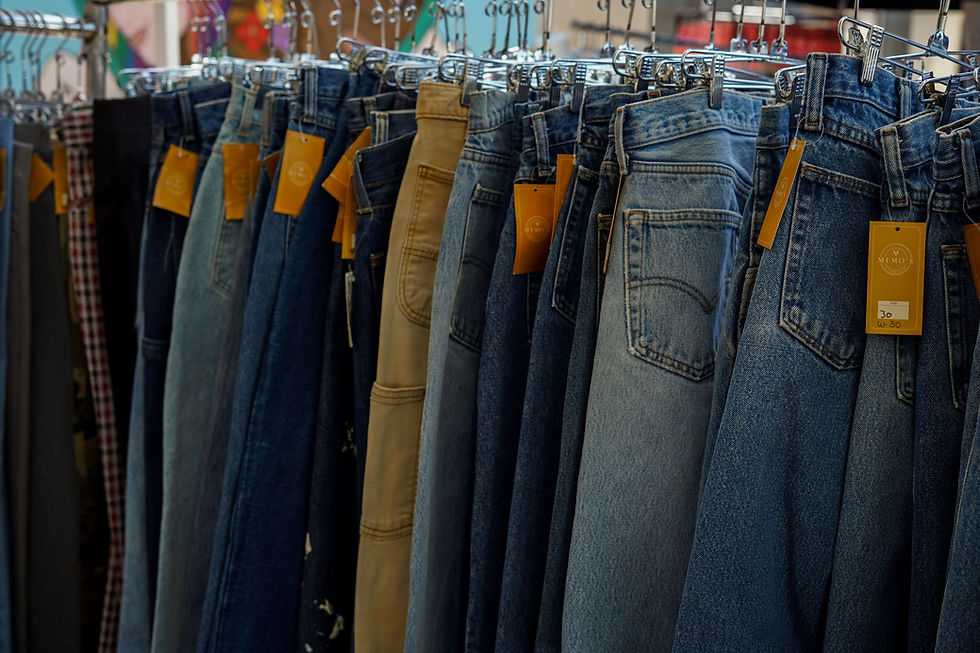
Vintage denim jeans are authentically aged or traditionally manufactured denim garments prized for their craftsmanship, durability, and one-of-a-kind fading patterns that modern fast fashion simply cannot replicate. The term “vintage denim” in collector circles refers specifically to genuine pieces, not the reproduction or distressed styles sold on the high street today. Brands like Levi’s built their reputation on heavyweight cotton and meticulous construction, and those original garments remain the gold standard for collectors and fashion enthusiasts alike. Whether you are hunting thrift store denim for the first time or refining a serious collection, understanding what makes these jeans genuinely special changes everything about how you shop and style them.
What makes denim jeans vintage? True vintage vs. vintage-inspired
The single most important distinction in vintage denim collecting is the difference between selvedge and regular denim construction. Selvedge denim is woven on traditional shuttle looms, producing a narrow fabric width of around 30–32 inches with a clean, self-finished edge. That tightly bound edge is where the name comes from: “selvedge” is simply a contraction of “self-edge.” Modern denim is woven on wide projectile looms, producing fabric that requires overlocking to prevent fraying. The visual and tactile difference between the two is immediately apparent once you know what to look for.
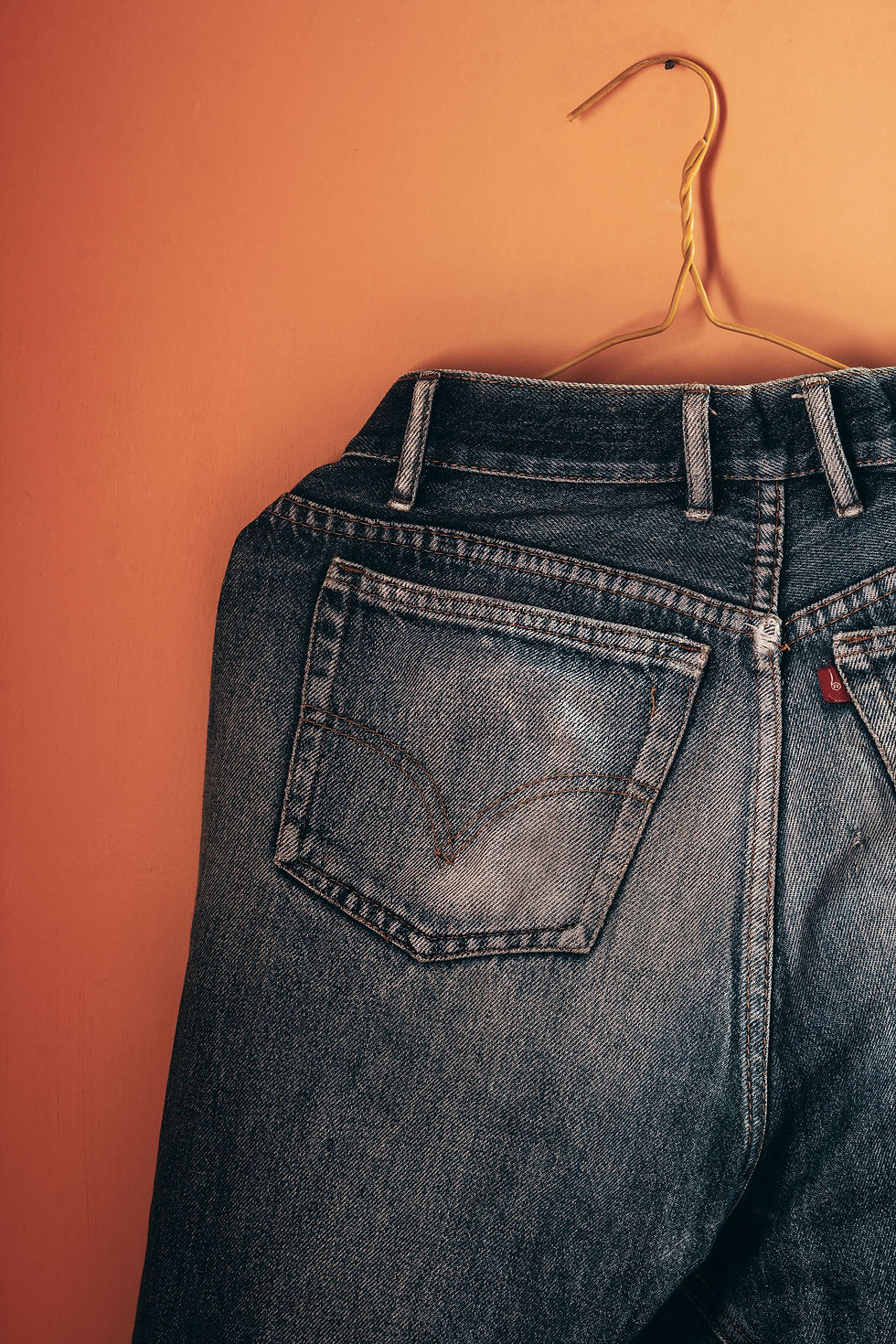
Selvedge fabric production is approximately 40 times slower than modern loom weaving. That slower process produces a denser, more tightly woven cloth that ages beautifully, developing rich fades and a texture that tells the story of the person who wore it. This is why collectors pay a premium for genuine vintage pieces rather than settling for modern reproductions.
Here is a quick comparison of the key differences:
Feature | Vintage / Selvedge Denim | Modern Regular Denim |
Loom type | Shuttle loom | Projectile or rapier loom |
Fabric width | 30–32 inches | 60+ inches |
Edge finish | Self-finished (selvedge) | Overlocked or serged |
Fade quality | Rich, character-driven | Uniform, often artificial |
Fabric weight | Heavier, denser weave | Lighter, more uniform |
Coloured stripe | Yes (mill signature) | No |
The coloured selvedge stripe along the edge was historically a mill signature. Red lines indicate Cone Mills fabric, while gold and greenish hues point to Japanese mills. For serious collectors, tracing that stripe is part of the pleasure.
One important nuance worth knowing: selvedge alone does not guarantee quality. The cotton grade, yarn twist, and overall construction matter equally. A well-made pair of raw non-selvedge jeans from the right era can outperform a mediocre selvedge piece. Keep that in mind when assessing value.
Pro Tip: When examining a potential vintage purchase, turn up the cuff and look at the outseam. A selvedge jean shows a clean, folded coloured stripe. A non-selvedge jean shows a frayed or overlocked edge. This single check tells you more than any label.

Which vintage denim styles are most iconic?
Classic vintage denim styles are dominated by a handful of Levi’s cuts that have defined retro jean trends for decades. The two most collected are the 501 and the 505, and they are quite different in character despite their similar heritage.

The Levi’s 501 is the definitive vintage jean. It features a straight leg, a high-rise waist, and the iconic button fly that has become a collector’s marker in itself. Light and medium stonewash 501s are considered the quintessential vintage Levi’s, embodying everything collectors love: structured fit, authentic fading, and that unmistakable silhouette. The stonewash process, developed in the 1980s, gave denim a worn-in look from the outset, and original stonewash pieces from that era now carry genuine vintage status.
The Levi’s 505 offers a slightly different proposition. It has a zipper fly and a slimmer cut through the hips and thighs, making it a more tailored alternative to the 501’s relaxed straight leg. Collectors who prefer a cleaner, less boxy silhouette tend to gravitate towards the 505. Both styles work beautifully as high-waisted denim jeans when worn at their natural rise, which sits comfortably above the hip.
Beyond Levi’s, other styles worth knowing include:
Straight-leg cuts from the 1970s and 1980s: These often feature a higher rise and a longer inseam than modern equivalents, lending them a distinctly retro feel.
Boyfriend-style fits: Achieved by sizing up in men’s cuts, particularly the 501, this look became a style staple in the late 1980s and early 1990s.
Distressed vintage jeans: Genuine wear patterns including whiskering at the thighs, fading at the knees, and natural fraying at the hem are signs of authentic age, not factory distressing.
Wear patterns like fading and whiskering contribute essential character to vintage denim and often improve with continued wear. That is the magic of a genuine vintage piece: it keeps evolving.
Pro Tip: Many women find their best vintage jeans in the men’s section. Men’s Levi’s 501s and 505s have straighter legs and more forgiving proportions that complement a wide range of body shapes. Do not limit yourself to the women’s rail.

How do you identify authentic vintage denim jeans?
Authenticating vintage denim requires a methodical approach. The market is full of pieces falsely labelled as vintage, and knowing what to look for protects both your money and your collection. Follow these steps when assessing any pair:
Check the red tab and label. Levi’s red tab variations changed across decades. Early tabs read “LEVI’S” in full capitals; later versions used a lowercase “e” in “LeVI’S.” The care label is equally telling: Levi’s only introduced care labels in 1971, so any pair with washing instructions is post-1971 at the earliest.
Inspect the hardware. Original vintage Levi’s use copper rivets and a specific style of shank button. The back of the button often carries a number indicating the factory of origin. Reproduction hardware tends to look too uniform and bright.
Look at the stitching. Vintage denim uses a chain stitch on the inseam and a lock stitch on the outseam. Chain stitching produces a distinctive roping effect along the leg after washing. This is one of the most reliable authenticity markers.
Examine the selvedge. Turn up the cuff to reveal the outseam. A genuine selvedge jean shows a clean, folded edge with a coloured stripe. Overlocked edges indicate modern construction regardless of what the label claims.
Measure carefully before buying. Vintage Levi’s sizing uses waist and length measurements in inches that do not translate directly to modern women’s sizing. Tagged sizes often run smaller than expected because vintage jeans shrink roughly 10% with wear and washing. Always measure the actual garment rather than trusting the tag.
Assess the seller’s claims. Thrift store denim sourced from charity shops and car boot sales carries less risk of deliberate misrepresentation than pieces sold at inflated prices on resale platforms. Investing time in careful thrifting consistently outperforms paying premiums in curated vintage shops for the same quality.
Pro Tip: Date stamps inside the waistband are one of the most reliable authentication tools for Levi’s. A stamped production date removes most of the guesswork and is very difficult to fake convincingly.
How to style vintage denim in a modern wardrobe
Styling vintage denim well is about balance. The jeans carry so much character on their own that the rest of the outfit benefits from restraint.
For casual looks, pair a straight-leg 501 with a tucked-in white cotton shirt and simple leather trainers. The high-waisted denim jeans silhouette naturally defines the waist, so there is no need for a belt unless you want one as a style accent. Roll the hem once or twice to show a clean cuff, particularly if the inseam is longer than ideal. This cuffing technique also reveals the selvedge stripe, which is a lovely detail for those who appreciate it.
For smart-casual occasions, vintage denim works beautifully with a fine-knit jumper in a neutral tone and clean leather boots or loafers. The key is fabric contrast: the texture of worn denim against something smooth and refined creates an effortlessly put-together look. Avoid over-accessorising. Let the jeans do the talking.
A few practical care notes worth keeping in mind:
Wash vintage denim as infrequently as possible. Frequent washing accelerates fabric breakdown and strips the natural fades that give the jeans their character.
When washing is necessary, turn the jeans inside out and use cold water on a gentle cycle.
Never tumble dry vintage denim. Lay flat or hang to dry away from direct sunlight to prevent uneven fading.
Avoid dry cleaning unless the jeans have a specific stain that cannot be spot-treated. The chemicals can damage aged cotton fibres.
If the inseam is too long, a professional hem that preserves the original chain stitch finish is worth the small cost. Cutting and re-hemming with a standard lock stitch removes one of the most distinctive features of the original garment.
Explore vintage denim and retro style at My Vintage
My Vintage has been curating authentic vintage clothing since 2004, and our denim selection reflects that same commitment to quality and individuality. Whether you are searching for a classic Levi’s cut or something a little more unexpected, every piece in our collection is carefully selected for authenticity and character.
From vintage Levi’s 501 shorts to original retro homeware like our 1950s Atomic magazine rack, My Vintage offers a world of genuine vintage finds for collectors and style lovers alike. Browse our full collection at myvintage.uk and find pieces with real history behind them.
FAQ
What is selvedge denim and why does it matter for vintage jeans?
Selvedge denim is woven on traditional shuttle looms, producing a narrow fabric with a clean, self-finished edge rather than an overlocked one. It is a hallmark of vintage and heritage denim construction, prized for its durability and the rich fading it develops over time.
How do i know if vintage Levis jeans are genuinely old?
Check the care label (absent before 1971), the red tab capitalisation, the style of copper rivets, and any date stamp inside the waistband. Chain stitching on the inseam and a selvedge outseam are further reliable markers of authentic vintage construction.
Why do vintage jeans often not fit true to their tagged size?
Vintage Levi’s are sized in waist and length inches that do not correspond to modern women’s sizing conventions. Original denim also shrinks roughly 10% with wear and washing, meaning the actual measurements of a garment often differ noticeably from the tagged size.
Are distressed vintage jeans more valuable than clean pairs?
Not necessarily. Genuine wear patterns like whiskering, fading, and natural fraying add character and authenticity, but condition still affects value. Collectors assess the extent and type of wear: natural fading is desirable, while damage to the fabric structure reduces wearability and price.
Where is the best place to find authentic vintage denim jeans?
Charity shops, car boot sales, and specialist vintage retailers like My Vintage are the most reliable sources. Thrifting carefully and measuring garments directly tends to yield better value than paying premiums on general resale platforms where misrepresentation is more common.
Recommended


Comments