


Vintage Flared Jeans : Style and Authenticity

Finding authentic vintage flared jeans proves challenging when over 40% of ‘vintage’ labelled flares in UK resale market are reproductions. This guide teaches you to confidently identify genuine 1960s to 1990s flared jeans, understand decade-specific style differences, and source authenticated pieces from trusted UK dealers. You’ll master authentication markers, avoid common pitfalls, and learn proper care techniques to preserve your vintage denim investment.
Table of Contents
Key Takeaways
Point | Details |
Authentication markers | Check for 12-16 oz cotton denim fabric weight, chain-stitching, and era-specific rivets to verify authenticity. |
Decade style differences | 1970s flares reached 25cm width at hem, while 1980s narrowed to 10-15cm with higher waistlines. |
UK sourcing advice | Buy from established dealers like My Vintage with transparent provenance and detailed product descriptions. |
Care essentials | Wash in cold water with mild detergent and avoid tumble drying to extend vintage denim lifespan. |
Introduction to Vintage Flared Jeans
Flared jeans first surged in popularity during the late 1960s as part of the countercultural movement and peaked mid-1970s with flare width up to 25cm at hem. The bell-bottom silhouette became synonymous with social rebellion, music festivals, and disco culture. By the 1980s, fashion shifted towards structured, higher-waisted flares before the style gradually declined through the 1990s.
These decades represent distinct chapters in denim history. Each era brought unique construction techniques, fabric weights, and styling details that define authentic vintage pieces today. Understanding this evolution helps you identify genuine articles and appreciate their cultural significance.
The UK vintage market has experienced remarkable growth. Nostalgia waves every 20-30 years have influenced UK vintage fashion sales growth by 15-20% annually since 2015. This cyclical demand reflects how fashion-conscious enthusiasts seek individuality through authentic vintage pieces rather than mass-produced alternatives.
Vintage flared jeans embody more than retro aesthetics. They connect wearers to specific cultural moments and social movements. The craftsmanship, fabric quality, and construction methods from these decades surpass many modern reproductions.
“Authentic vintage denim carries the weight of history in every stitch. The fabric tells stories that reproductions can never replicate through artificial aging techniques.” — My Vintage Curatorial Team
Key factors driving UK demand include:
Desire for unique, non-replicable fashion statements
Superior fabric quality and durability compared to fast fashion
Environmental consciousness favouring reuse over new production
Nostalgic connection to specific cultural eras
Investment value of well-preserved vintage pieces
For comprehensive background on denim’s transformation from workwear to fashion staple, explore the history of denim. Current UK vintage fashion trends demonstrate sustained collector interest across multiple decades.
Identifying Authentic Vintage Flared Jeans
Authentication requires examining multiple physical characteristics. Fabric weight typically 12-16 oz cotton denim, with chain-stitching and rivet details distinct from reproductions. This substantial weight creates the characteristic drape and durability that vintage enthusiasts prize.

Feel the fabric between your fingers. Authentic vintage denim has a dense, tightly woven texture. Reproduction flared jeans often use lighter or synthetic fabrics and modern stitching techniques. The difference becomes obvious once you’ve handled genuine vintage pieces.
Chain-stitching appears as a distinct rope-like pattern on hem edges. This technique was standard in vintage production but rare in modern manufacturing. Flip jeans inside out and examine the hem closely. Chainstitch creates a visible chain pattern that lockstitch cannot replicate.
Pro Tip: Shine a torch through the fabric to assess density. Authentic vintage denim blocks light almost completely due to tight weave and heavier weight, while reproductions often allow visible light penetration.
Hardware details reveal manufacturing era:
Rivets should show wear patterns consistent with age
Metal buttons display era-specific stamps and patina
Zippers carry period-appropriate brand markings
Belt loops show construction methods typical of each decade
Brand labels provide crucial authentication evidence. Study era-specific logo designs, font styles, and label materials. Seventies Levi’s labels differ markedly from 1990s versions. Cross-reference suspected vintage pieces against documented examples from your target decade.
Authentication Element | Vintage Indicator | Reproduction Warning Sign |
Fabric weight | 12-16 oz cotton denim | Under 10 oz or synthetic blend |
Hem stitching | Chainstitched with rope pattern | Modern lockstitch only |
Rivets | Copper with natural patina | Shiny new appearance |
Labels | Period-correct fonts and materials | Modern printed tags |
Fading | Natural wear patterns | Artificial distressing |
Common reproduction pitfalls include artificially distressed denim marketed as vintage. Genuine age creates specific wear patterns at stress points. Knee fading, whisker lines at hips, and hem fraying develop naturally over decades. Reproductions use chemical treatments or sandblasting that create uniform, unnatural patterns.
For detailed authentication techniques, review vintage jeans authentication tips and explore denim fabric characteristics to deepen your material knowledge.
Style Differences Across Decades
Flared jean silhouettes evolved dramatically from the 1960s through 1990s. Understanding these changes helps you identify era and select styles matching your aesthetic preferences.

The 1960s introduced moderate flares as counterculture fashion. These early versions featured lower waist cuts and flare widths typically 15-18cm at the hem. The silhouette remained relatively conservative compared to what followed.
Seventy flares exploded in width. Popular flare width peaked at 25 cm mid-1970s during disco’s golden age. Mid-rise waists became standard, sitting approximately at the natural waistline. Fabric weights remained substantial, and construction quality peaked during this era.
The 1980s brought dramatic changes. 1980s flares featured narrower hems (10-15 cm) and higher waist rises compared to 1970s. Structured cuts with tapered legs replaced the extreme bell bottoms. Stone-washing and acid-washing treatments gained popularity, creating lighter colour palettes.
Nineties styles showed varied approaches as flares declined in mainstream fashion. Some designers maintained narrow flares while others abandoned the silhouette entirely for straight or bootcut alternatives. When flares appeared, they typically featured lower rises and relaxed fits.
Decade | Flare Width | Waist Rise | Defining Features |
1960s | 15-18 cm | Low | Moderate flare, counterculture origins |
1970s | 20-25 cm | Mid | Maximum width, disco influence |
1980s | 10-15 cm | High | Structured cuts, wash treatments |
1990s | Variable | Low-mid | Declining popularity, relaxed fits |
Style nuances extend beyond measurements:
Pocket placement and size varied by decade
Stitching colours shifted from traditional gold to contrasting threads
Embellishments like embroidery appeared more frequently in later decades
Fabric treatments evolved from raw denim to extensive washing techniques
These decade-specific details help you date pieces accurately and understand their fashion context. A genuine 1970s flare will never have the high waist and narrow hem combination typical of 1980s styles.
For deeper exploration of decade transitions, examine our retro denim style evolution guide and review detailed 1980s denim flare styles analysis.
Common Misconceptions and Authentication Tips

The vintage denim market suffers from widespread mislabeling. Many buyers mistakenly assume all flared jeans labelled ‘vintage’ are authentic originals, but reproductions comprise over 40% of the UK market. This misconception costs enthusiasts money and diminishes confidence in the vintage market.
Distressed appearance doesn’t guarantee authenticity. Modern manufacturers excel at artificial aging techniques that mimic decades of natural wear. Learn to distinguish genuine age indicators from manufactured distressing.
Synthetic fabric blends immediately disqualify pieces as authentic vintage from target decades. Pre-1990s flared jeans used 100% cotton denim almost exclusively. Any polyester, elastane, or other synthetic content indicates modern production.
Pro Tip: Check inside seams and pocket linings for construction quality. Vintage manufacturers used flat-felled seams and substantial reinforcement stitching that modern fast fashion rarely replicates. These hidden details resist counterfeiting better than visible features.
Common authentication mistakes include:
Trusting seller descriptions without physical verification
Ignoring fabric weight and composition
Overlooking hardware details and zipper brands
Accepting artificial distressing as natural wear
Skipping label research for era-correct branding
Label verification requires careful research. Photograph labels clearly and compare against documented examples from your target decade. Brand fonts, tag materials, and care instruction formats changed over time. Seventies Wrangler labels look completely different from 1990s versions.
Seam construction reveals manufacturing era. Examine internal seams for quality indicators:
Double or triple stitching at stress points
Flat-felled seams creating smooth internal finish
Consistent stitch length and tension
Substantial thread matching fabric weight
Rivet placement and style changed across decades and brands. Study rivet positions on documented vintage pieces. Reproductions often place rivets incorrectly or use modern attachment methods easily spotted under close inspection.
Price provides clues but not certainty. Suspiciously low prices for claimed rare vintage pieces warrant extra scrutiny. Conversely, high prices don’t guarantee authenticity without supporting evidence. Always verify physical characteristics regardless of cost.
Where and How to Buy Authentic Vintage Flared Jeans in the UK

Sourcing authentic vintage flares requires selecting reputable dealers. My Vintage has curated authentic vintage since 2004 with expert knowledge, a trusted UK source. Established dealers stake their reputation on authenticity and provide recourse if issues arise.
Product descriptions should detail specific authentication markers. Look for listings mentioning fabric weight, stitch types, hardware details, and label information. Vague descriptions like “vintage style” or “retro look” often indicate reproductions.
Questions to ask sellers:
What specific decade does this piece date from?
Can you provide close-up photos of labels, stitching, and hardware?
What is the exact fabric composition?
Has the garment been altered or repaired?
What provenance or sourcing information can you share?
Price ranges reflect multiple factors including decade, condition, brand, and rarity. Expect to pay £40-80 for standard 1980s flares in good condition, £60-120 for quality 1970s examples, and £80-150+ for rare or pristine pieces from sought-after brands.
Avoid listings with inconsistent details. If photos show 1970s-style wide flares but descriptions mention 1990s production, investigate further. Discrepancies often indicate seller ignorance or intentional misrepresentation.
Community resources enhance buying confidence. Join UK vintage fashion groups, read dealer reviews, and consult experienced collectors. Shared knowledge helps everyone avoid problematic sellers and identify quality sources.
Reputable dealers provide:
Detailed product photography from multiple angles
Accurate measurements for waist, inseam, and flare width
Transparent return policies protecting buyers
Responsive customer service answering authentication questions
Expert curation ensuring quality standards
For curated selections, explore best vintage jeans sellers UK, compare options in our top UK vintage shops comparison, and browse current inventory like these authentic vintage flared jeans UK examples.
Caring for and Styling Your Vintage Flared Jeans
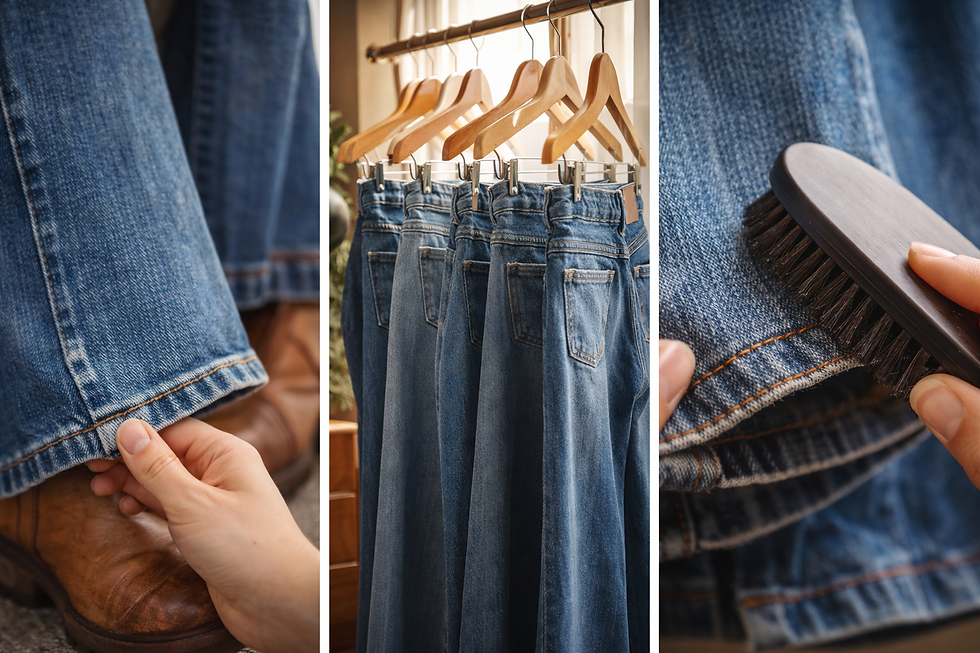
Proper maintenance preserves vintage denim for years. Cold washing and gentle detergent use significantly extend vintage denim life. Hot water damages fibres and accelerates colour fading beyond natural patina development.
Wash vintage flares inside out to protect exterior fabric and reduce friction. Use mild detergents without harsh chemicals or brighteners. Avoid fabric softeners that coat fibres and diminish authentic texture.
Tumble drying shrinks vintage denim and stresses seams. Air dry flat or hang from waistband in shaded areas. Direct sunlight fades colours unevenly. Proper drying maintains shape and prevents unnecessary wear.
Pro Tip: Store folded rather than hanging long term. Hanging stresses waistbands and creates hanger marks on vintage fabric. Fold along natural creases and store in cool, dry locations away from direct light.
Styling vintage flares with modern pieces creates balanced contemporary looks:
Pair 1970s wide flares with fitted blazers and heeled boots
Combine 1980s high-waisted flares with cropped knits or bodysuits
Balance voluminous flare with structured tops for proportional silhouettes
Add modern accessories like minimalist jewellery or contemporary bags
Footwear choices dramatically impact overall aesthetic. Platform shoes complement 1970s flares, while sleek ankle boots suit 1980s narrower styles. Trainers create casual modern contrast with any flare decade.
For comprehensive maintenance guidance, review our vintage denim care tips. Explore creative combinations in our guide to styling vintage flared jeans with modern outfits. Additional inspiration awaits in our vintage denim styling tips collection.
Summary and Final Tips
Authentic vintage flared jeans offer unique style and quality unavailable in modern reproductions. Success requires mastering authentication markers, understanding decade-specific differences, and sourcing from trusted UK dealers.
Your authentication checklist:
Verify 12-16 oz cotton denim fabric weight
Confirm chain-stitching on hems
Examine era-appropriate rivets and hardware
Research period-correct brand labels
Assess natural wear patterns versus artificial distressing
Remember decade distinctions. Seventies flares reached maximum 25cm width with mid-rise waists. Eighties versions narrowed to 10-15cm with higher rises. These differences guide accurate identification and style selection.
Source exclusively from established dealers like My Vintage who provide transparent authentication details and stand behind their offerings. Detailed product descriptions, clear photography, and responsive customer service protect your investment.
Maintain vintage denim through cold water washing, mild detergents, and air drying. Proper storage prevents unnecessary stress and preserves fabric integrity for future wear.
Your vintage flared jeans represent more than fashion. They connect you to cultural moments, demonstrate individual style, and showcase commitment to quality over disposability. Approach purchasing thoughtfully, care for pieces properly, and enjoy wearing authentic history.
Explore Authentic Vintage Flared Jeans at My Vintage
Ready to add genuine vintage flares to your wardrobe? My Vintage offers expertly curated authentic flared jeans spanning 1960s through 1990s styles. Every piece undergoes thorough authentication using the markers outlined in this guide.

Browse our latest acquisitions in December new vintage flared jeans and January new vintage flared jeans collections. Each listing provides detailed measurements, fabric information, and provenance details supporting confident purchasing decisions. Our vintage clothing care advice helps you maintain your investment for years of enjoyment. Shop with assurance knowing two decades of expertise backs every authenticated piece.
Frequently Asked Questions
What are the key markers to idezzzntify authentic vintage flared jeans?
Authentic vintage flares feature 12-16 oz cotton denim fabric weight creating substantial heft and drape. Look for chain stitched hems showing rope-like patterns visible inside the garment. Metal buttons and copper rivets display era-appropriate stamps and natural patina from age. Period-correct brand labels with decade-specific fonts and materials confirm authenticity.
How do flared jeans styles differ between the 1960s and 1980s?
Sixties flares show moderate 15-18cm hem widths with lower waist positioning reflecting early counterculture adoption. Eighties styles feature narrower 10-15cm flares paired with higher waist rises and more structured, tailored cuts. Fabric treatments also differ, with 1980s pieces commonly showing stone- washing or acid-washing absent from 1960s originals.
Where should I buy authentic vintage flared jeans in the UK?
Purchase from established UK dealers like My Vintage who provide detailed authentication information and transparent sourcing. Verify sellers offer comprehensive product descriptions including fabric composition, measurements, and hardwadetails. Check trusted UK vintage jeans sellers for curated recommendations backed by expert knowledge and customer reviews.
Can I machine wash vintage flared jeans safely?
Yes, using cold water and mild detergent protects vintage denim fibres. Always wash inside out to reduce exterior friction and colour loss. Avoid hot water, harsh chemicals, and tumble drying which damage fabric and accelerate deterioration. Air dry flat or hanging from the waistband away from direct sunlight to maintain shape and prevent fading.
Recommended


Comments