


Vintage-Inspired vs True Vintage – Spotting Real Value
- Dec 11, 2025
- 6 min read

Most advice about vintage style misunderstands a crucial difference: vintage-inspired clothing is not true vintage. For vintage fashion lovers, recognising this gap shapes how you collect, invest, and express personal style. Over 60 percent of vintage shoppers mistakenly purchase modern reproductions believing they are originals. Understanding the history, authenticity, and ethical impact of each piece helps unlock fashion’s rich past while building a wardrobe that is both sustainable and uniquely yours.
Table of Contents
Key Takeaways
Point | Details |
Understanding True Vintage vs Vintage-Inspired | True vintage items are original pieces from specific historical eras, while vintage-inspired garments are modern reproductions that mimic earlier styles. |
Importance of Historical Context | Each fashion period has unique design characteristics that reflect the social and cultural contexts of the time, which is crucial for authentic vintage collectors. |
Authentication of Vintage Pieces | Authenticating vintage clothing involves examining fabric, stitching techniques, and original labels to ensure historical accuracy and significance. |
Sustainability Through Vintage Fashion | Choosing vintage clothing supports sustainable practices by reducing waste and preserving traditional craftsmanship, aligning fashion consumption with environmental responsibility. |
Vintage-Inspired vs True Vintage Defined
Navigating the world of vintage fashion requires understanding a critical distinction: the difference between vintage-inspired designs and true vintage pieces. According to Vogue’s comprehensive guide, vintage clothing specifically refers to garments at least twenty years old but less than one hundred years old, creating a precise historical framework for authentic collectors.
True vintage pieces are original garments from a specific historical era, carrying unique characteristics of their time. These items represent genuine artefacts of fashion history, embodying the craftsmanship, materials, and design aesthetics of their original period. By contrast, vintage-inspired clothing replicates historical styles using contemporary manufacturing techniques, offering a nostalgic aesthetic without the historical authenticity.
The key differences emerge in several crucial areas. True vintage items often feature:
Hand-stitched construction techniques
Period-specific materials and fabrics
Original design details reflecting their era
Potential signs of age and wear that demonstrate their historical provenance
Vintage-inspired pieces, while celebrating retro design elements, are modern reproductions that provide accessibility and comfort without the potential fragility of decades-old garments. Understanding this nuanced distinction empowers fashion enthusiasts to make informed choices about their wardrobe investments.
Key Style Differences and Period Details
Understanding vintage fashion requires deep knowledge of historical design nuances. The evolution of European fashion from 1550-1600 reveals fascinating transformations in clothing design, demonstrating how periods dramatically influenced style aesthetics and construction techniques.

Historical periods create unique style signatures that distinguish authentic vintage pieces. For instance, the Edwardian era represented a remarkable moment in fashion history, where women’s clothing featured intricate structural elements like tight corsets and elaborate layering. Edwardian fashion specifically showcased high, boned collars and long skirts in delicate colour palettes, representing a pinnacle of refined feminine design.
The key stylistic differences across periods include:
Silhouette variations
Fabric and textile choices
Construction techniques
Embellishment and decorative approaches
Colour and pattern preferences
Mastering vintage style means recognising these nuanced details. Each historical period brought unique design philosophies, from the structured formality of Victorian fashion to the liberating lines of 1920s Art Deco influences. True vintage collectors understand that these differences are not mere aesthetic choices but reflections of social, cultural, and technological contexts of their respective eras.
How to Authenticate True Vintage Pieces
Research on vintage fashion reveals that authentic vintage pieces are defined not just by age, but by their unique combination of historical significance, scarcity, and enduring fashion appeal. Understanding the nuanced process of authentication requires a keen eye and systematic approach to examining clothing’s origins and characteristics.
Authentication involves several critical inspection points. Fabric analysis becomes paramount, with true vintage pieces revealing distinctive manufacturing techniques, textile compositions, and construction methods specific to their era. Collectors should examine:
Seam and stitching techniques
Fabric weave and material composition
Original label design and placement
Manufacturing inconsistencies characteristic of historical production
Additional authentication strategies include studying unique vintage clothing identification guides, researching historical fashion archives, and developing expertise in period-specific design elements. Experienced collectors understand that authentication is part scientific investigation, part artistic appreciation, requiring deep knowledge of fashion history and meticulous attention to subtle contextual details that modern reproductions simply cannot replicate.
Sustainability and Ethical Considerations
Research into luxury vintage consumption reveals that vintage fashion represents far more than mere clothing acquisition; it embodies a profound commitment to sustainable and ethical fashion practices. By choosing vintage pieces, consumers actively participate in reducing textile waste, challenging fast fashion’s environmental impact, and preserving historical clothing craftsmanship.
Ethical fashion choices extend beyond environmental considerations. Vintage clothing represents a nuanced approach to consumption that values:
Reduced manufacturing carbon footprint
Preservation of historical textile techniques
Support for circular fashion economies
Celebration of unique, individual style
The cultural significance of vintage fashion goes deeper than aesthetic appeal. Vintage fashion consumption studies demonstrate that consumers increasingly seek garments expressing authenticity and uniqueness, particularly pieces from iconic design periods like the 1920s and 1930s. This shift represents more than a fashion trend; it’s a conscious movement towards responsible consumption, celebrating craftsmanship, individual expression, and environmental stewardship through thoughtful wardrobe choices.
Pitfalls When Purchasing Vintage and Retro
Navigating the vintage fashion marketplace requires strategic awareness and careful consideration. Vintage shopping tips for discerning buyers become essential in avoiding common purchasing mistakes that can lead to disappointing acquisitions.
Key potential purchasing pitfalls include:
Inadequate condition assessment
Misunderstanding sizing variations
Failing to verify authenticity
Overlooking restoration requirements
Neglecting fabric preservation needs
Underestimating potential repair costs
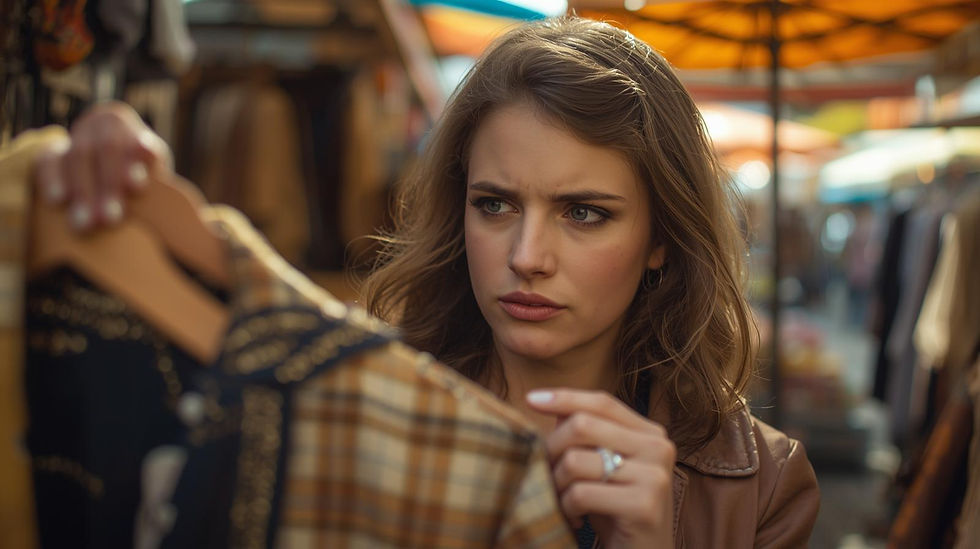
The most significant risk for vintage fashion enthusiasts lies in impulse purchasing without comprehensive research. Experienced collectors understand that each vintage piece represents a unique historical artefact requiring meticulous evaluation. Careful inspection involves examining construction details, understanding period-specific manufacturing techniques, and realistically assessing the garment’s condition and potential restoration challenges. Successful vintage shopping demands patience, expertise, and a willingness to invest time in understanding each piece’s unique historical and aesthetic value.
Discover Authentic Vintage Treasures with Confidence
Finding the perfect vintage piece requires more than just passion It demands understanding authentic design, construction, and history as explained in the article “Vintage-Inspired vs True Vintage – Spotting Real Value” You want to avoid common pitfalls like misjudging condition or authenticity while embracing unique garments that carry real cultural significance and sustainable values

At My Vintage we specialise in authentic vintage clothing from the 1940s to the 1990s, carefully curated to meet the needs of style-conscious and eco-minded shoppers Just as the article highlights the importance of recognising true vintage through fabric, stitching, and historical detail we ensure each item in our collection embodies genuine craftsmanship and timeless appeal Explore our vintage fashion collections and experience the thrill of owning pieces with real provenance We invite you to shop thoughtfully and build a wardrobe that honours sustainability and individuality today
Frequently Asked Questions
What is the difference between vintage-inspired and true vintage clothing?
Vintage-inspired clothing replicates historical styles using modern manufacturing techniques, while true vintage refers to original garments that are at least twenty years old, embodying the craftsmanship and aesthetics of their original period.
How can I authentically identify true vintage clothing?
To authenticate true vintage pieces, examine characteristics such as seam and stitching techniques, fabric composition, original label design, and any unique manufacturing inconsistencies that reflect the fashion of the specific era.
What should I look for when assessing the condition of vintage clothing?
Key factors include checking for signs of wear and tear, assessing fabric quality, understanding sizing variations, and determining if the garment may require restoration or repair to bring it back to wearable condition.
Why is purchasing vintage clothing considered a sustainable choice?
Purchasing vintage clothing helps reduce textile waste and the environmental impact of fast fashion. It supports the preservation of historical craftsmanship and promotes circular fashion economies by valuing unique, individual style over mass-produced items.
Recommended


Comments