


Vintage Knitwear: Your Guide to Classic Knits

Vintage knitwear is clothing produced several decades ago that combines distinctive style, quality materials, and genuine historical character. Unlike modern reproductions, authentic pieces carry the marks of real craftsmanship: hand-finished seams, natural fibres, and construction details that fast fashion simply cannot replicate. For collectors and fashion enthusiasts alike, the appeal runs deep. A well-chosen vintage knit jumper or cardigan tells a story through every stitch, and the Woolmark logo, introduced in 1964 by the International Wool Secretariat, remains one of the most reliable dating tools available. Whether you are building a wearable wardrobe or a curated collection, understanding what makes a piece genuinely vintage is the foundation of everything.
What is Authentic Vintage Knitwear?
Authentic vintage knitwear is defined by age, materials, and construction. The industry standard places “vintage” at garments produced at least 20 years ago, though most serious collectors focus on pieces from the 1940s through to the 1980s. These decades produced classic knit clothing in natural fibres such as wool, cashmere, mohair, and lambswool, all of which age beautifully when cared for properly.

The craftsmanship of these eras is immediately apparent. Older pieces often have denser, less uniform weaves and hand-finished details that machine-made modern garments lack. That slight irregularity is not a flaw. It is evidence of human hands at work, and it is precisely what makes handmade knit jumpers from these periods so sought after.
Labels are equally telling. Fibre content labels became law in the UK between 1971 and 1975. A garment without a fibre content label is almost certainly pre-1971, which is a useful dating clue. Combine that with the presence or absence of the Woolmark logo, and you can often narrow a piece down to a specific decade with confidence.
How to Identify Authentic Vintage Knitwear
Reading labels is the single most valuable skill a collector can develop. Here is what to look for:
Woolmark logo: Present on wool garments produced after 1964. Its absence on an older-looking piece suggests pre-1964 manufacture.
Fibre content disclosure: Became standard in the UK between 1971 and 1975. No fibre content label usually means the piece predates this legislation.
Country of origin: Labels stating “Made in England,” “Made in Scotland,” or “Made in West Germany” point to specific eras and production regions.
Care instruction symbols: International care labelling was introduced in the 1970s. Earlier pieces often have written care instructions or none at all.
Brand typography and label materials: Woven labels with serif fonts and natural-fibre backing are typical of pre-1980s garments. Printed synthetic labels became more common from the 1980s onward.
Beyond labels, the fabric itself speaks volumes. Run your fingers across the weave. Genuine vintage wool has a density and warmth that synthetic blends rarely match. Look for slight variations in the knit tension, which indicate hand-finishing or older machinery. Check the seams: hand-sewn or mattress-stitched seams are a strong indicator of quality vintage construction.
Retro knitting patterns also help with identification. Fair Isle designs, Aran cable knits, and 1940s and 1950s fitted cardigans each have distinctive stitch structures and silhouettes. A genuine 1950s twinset, for example, will have a particular cut through the shoulders and bust that differs from modern reproductions. Familiarising yourself with decade-specific silhouettes is as useful as reading labels. Our guide to vintage knit sweaters covers these silhouette differences in detail.
Pro Tip: Before buying, always check the underarm seams and cuffs. These areas show the most wear and reveal the most about a garment’s age and construction quality. Tight, even stitching that has held for decades is a very good sign.
For a deeper look at label reading, the decoding vintage labels guide at My Vintage is an excellent resource.
How to Care for Vintage Knitwear Properly
Caring for vintage knitwear is where many collectors go wrong, and the consequences can be irreversible. The good news is that with the right approach, you can preserve these pieces for decades more.
Washing: Less is More
Experts recommend washing vintage knitwear only once or twice per season, and only when the garment is visibly soiled or carrying an odour. Frequent washing accelerates fibre wear and breaks down the natural oils that keep wool supple. Airing a piece outdoors on a flat surface after wearing is often all it needs.
When washing is necessary, follow these steps:
Fill a basin with cool water. Hot water causes wool to felt and shrink irreversibly.
Add a small amount of pH-neutral wool detergent. Handwashing with correct technique preserves fibres better than dry cleaning, which uses harsh chemicals.
Submerge the garment and soak gently for 10–15 minutes. Do not agitate, scrub, or wring.
Rinse thoroughly in cool water until no detergent remains.
Press out excess water gently by rolling the garment in a clean towel. Never twist or wring.
Reshape and dry flat on a clean towel away from direct heat or sunlight.
Machine washing risks shrinkage or felting even on delicate cycles, and is best avoided entirely for vintage pieces. The fibres in older knitwear are simply not designed for the mechanical agitation of a drum.
Reviving mohair and delicate fibres
Mohair has a natural fluffy halo that can mat or flatten with age and wear. The good news is that steaming and gentle brushing with a soft-bristle brush can restore that characteristic fluffiness. Hold a steamer or iron on the steam setting a few centimetres above the surface. Never press directly onto mohair.
Pro Tip: A clean, soft toothbrush works beautifully for lifting the pile on small areas of matted mohair. Work in the direction of the fibres with very light strokes.
Storage that Protects
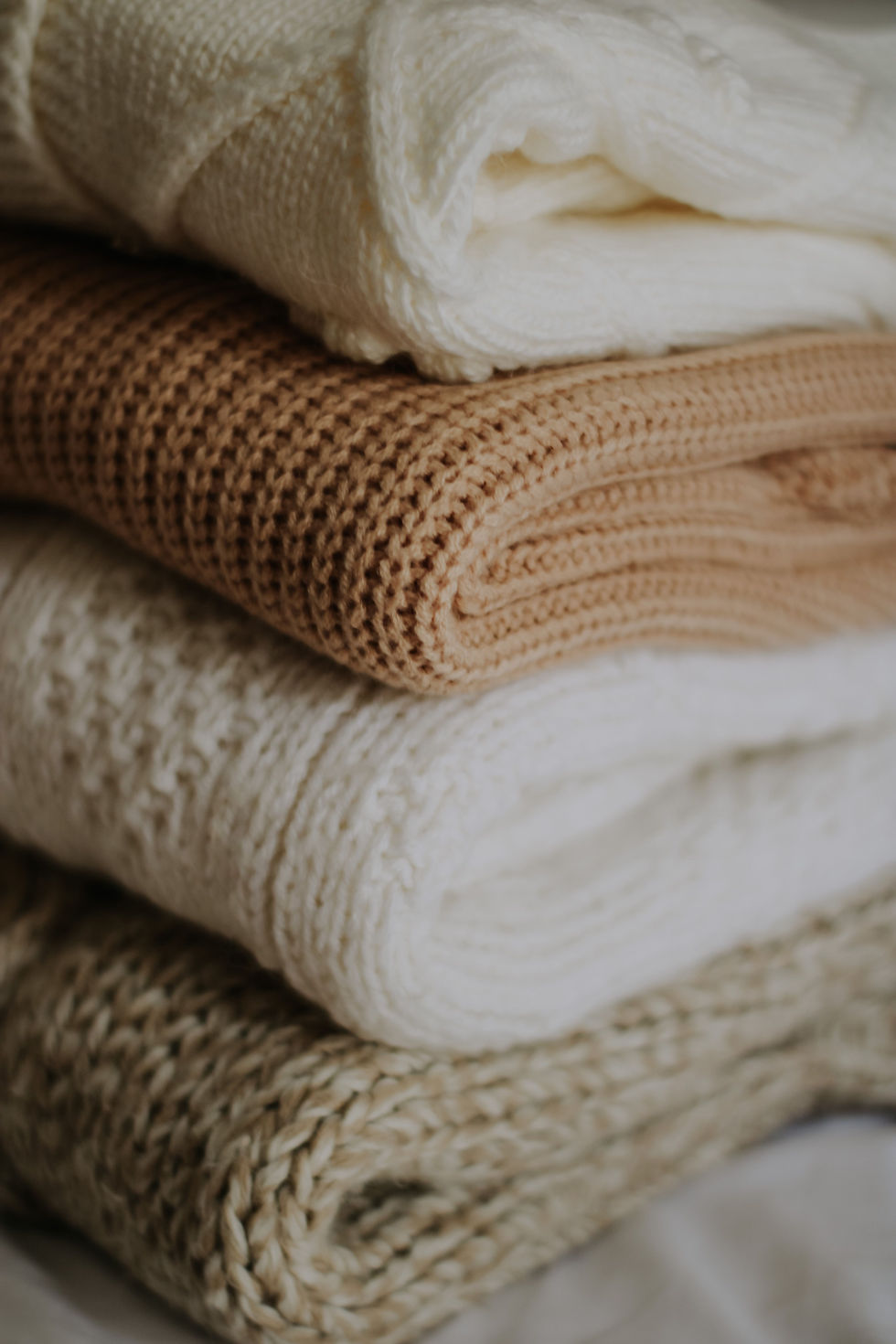
Folding, breathable garment bags, and natural moth repellents such as cedar blocks or lavender sachets are the gold standard for vintage knitwear storage. Never hang knitted garments, as the weight causes them to stretch and distort over time. Avoid plastic bags entirely: they trap moisture and create conditions where mould and moth larvae thrive. Our vintage garment storage guide covers these methods in full.
How to Style Vintage Knits for Modern Wardrobes
The joy of vintage knitwear lies in how naturally it fits into contemporary dressing. These pieces were made to last, and their classic lines translate effortlessly across decades.
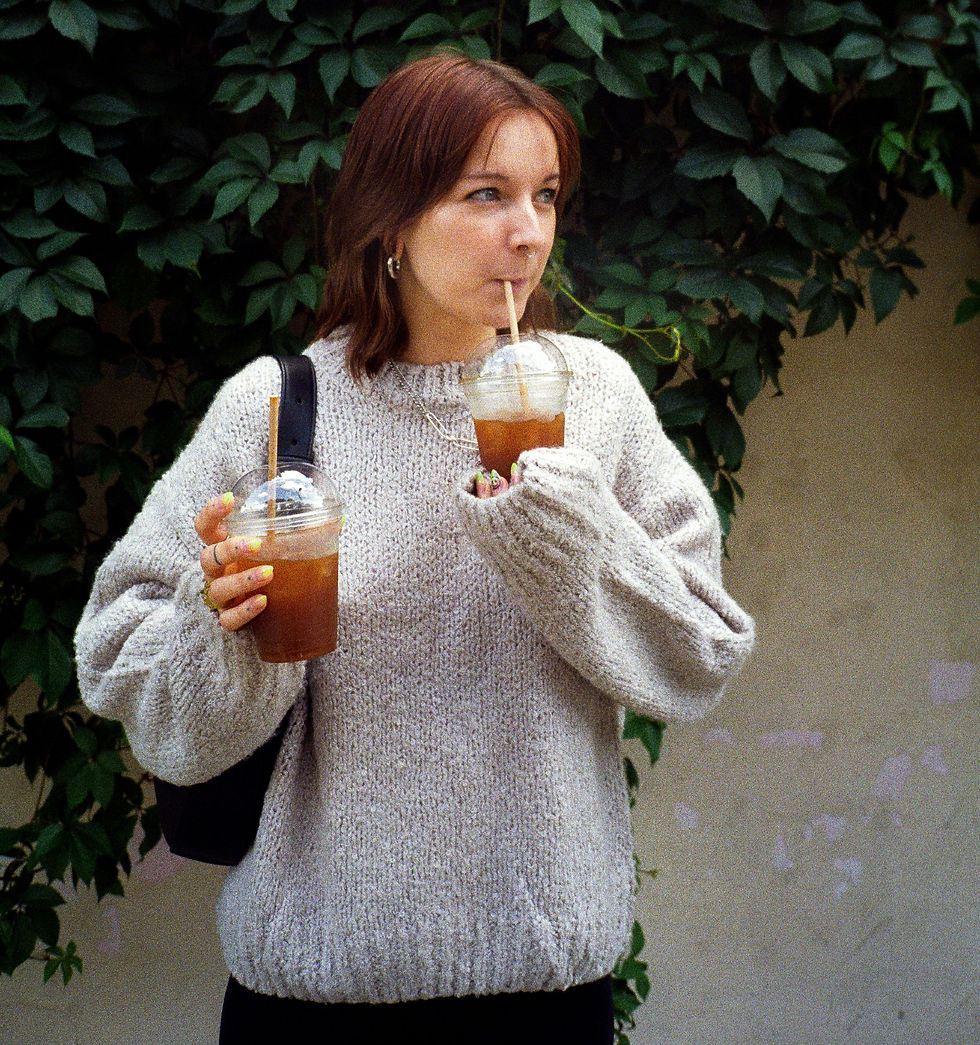
Here are some styling approaches that work particularly well:
Layer a 1950s fitted cardigan over a simple white shirt and high-waisted trousers for a look that feels both polished and personal.
Wear a chunky Aran knit jumper with straight-leg jeans and leather boots. The texture does all the work, and the result is effortlessly stylish.
Style a Fair Isle sweater over a collared shirt for a preppy, layered look that nods to its Scottish heritage without feeling costume-like.
Use a fine-gauge 1960s polo neck under a tailored blazer. This combination works in almost any setting and gives a nod to the mod era.
Display collector-grade pieces on padded hangers behind glass or in shadow boxes if they are too fragile to wear regularly. Unique knit fashion deserves to be seen.

Layering also serves a practical purpose with vintage pieces. Wearing a fine silk or cotton lining under a delicate vintage knit reduces friction and protects the fibres from body oils and perspiration. This is particularly useful with open-weave or lace-knit pieces from the 1960s and 1970s.
Sustainability is another reason to embrace classic knit clothing. Choosing a genuine vintage piece over a new one reduces demand for new production and keeps beautifully made garments in circulation. Every vintage knit you wear or collect is a small act of preservation. For more ideas on incorporating these pieces into your wardrobe, the vintage knitwear styling guide at My Vintage is full of inspiration.
Where to Source Authentic Vintage Knitwear
Finding genuine pieces requires patience and a degree of scepticism. The market for thrifted knitwear and vintage clothing has grown considerably, which means reproductions and mislabelled items are more common than ever.
The most reliable sources include:
Specialist vintage dealers and boutiques with clear authentication policies. Ask directly about their sourcing and dating methods.
Established vintage fairs and markets such as those held regularly in London, Manchester, and Edinburgh. Handling pieces in person is always preferable.
Reputable online vintage platforms that provide detailed photographs of labels, seams, and any wear or damage. Never buy from a listing that lacks label photographs.
Auction houses with textile departments for rarer or higher-value pieces. Provenance documentation adds significant confidence.
Charity shops in affluent areas remain one of the best-kept secrets for finding genuine thrifted knitwear at accessible prices. Pieces donated from older households often include garments from the 1950s through to the 1980s.
When evaluating any piece, ask about its provenance, check the label against known dating markers, and assess the condition honestly. Minor pilling or slight fading is normal and expected. Moth damage, significant felting, or broken seams require careful consideration before purchase.
Pro Tip: When shopping online, always ask the seller for a close-up photograph of the label and the underarm seams before committing. A seller who knows their stock will provide these without hesitation.
Price is also a useful guide. Genuinely rare pieces, such as a 1940s hand-knitted Fair Isle in excellent condition or a named-designer mohair from the 1960s, command prices that reflect their rarity. If a price seems too low for what is claimed, trust that instinct. Authentic vintage pieces with strong provenance hold their value, and sellers who understand what they have price accordingly. You might also find beautifully made vintage decorative pieces that complement a textile collection, adding visual context to the eras your knitwear represents.
Key Takeaways
Authentic vintage knitwear is identified by label markers, fibre quality, and construction details, and preserved through careful handwashing, proper storage, and minimal intervention.
Point | Details |
Label reading is essential | The Woolmark logo and fibre content labels help date pieces to specific decades with confidence. |
Handwash with cool water | Use pH-neutral wool detergent and avoid all agitation to protect vintage fibres from damage. |
Store folded, never hung | Use breathable bags with cedar or lavender to prevent moth damage and fibre distortion. |
Style with modern pieces | Classic knits layer naturally with contemporary clothing and suit a wide range of occasions. |
Source from trusted sellers | Ask for label photographs and provenance details before purchasing any vintage knit piece. |
Authentic Vintage Finds at My Vintage
My Vintage has been curating authentic vintage pieces since 2004, and the passion for genuine quality runs through everything on the site. Whether you are searching for a wearable classic knit or a statement collector’s piece, the selection is carefully chosen for authenticity and condition.
Browse the full collection at My Vintage to find pieces that bring genuine vintage character into your home and wardrobe.
FAQ
What makes knitwear count as genuinely vintage?
Vintage knitwear is generally defined as garments produced at least 20 years ago, though most collectors focus on pieces from the 1940s to the 1980s. Authentic pieces are identified by label markers, natural fibres, and construction details consistent with the era.
How do I use the Woolmark logo to date a vintage knit?
The Woolmark logo was introduced in 1964 by the International Wool Secretariat. Its presence on a label confirms the garment was produced after that year, making it a reliable minimum dating marker for wool pieces.
Can I machine wash vintage knitwear?
Machine washing risks irreversible shrinkage or felting and is best avoided entirely. Handwashing in cool water with a pH-neutral wool detergent is the safest method for preserving vintage fibres.
How do I revive a flat or matted mohair vintage jumper?
Hold a steamer a few centimetres above the surface and follow with gentle brushing using a soft-bristle brush in the direction of the fibres. This restores the natural halo without damaging the delicate mohair pile.
What is the best way to store vintage knitwear long-term?
Fold pieces flat and store them in breathable garment bags with cedar blocks or lavender sachets to deter moths. Never hang knitted garments, as the weight causes stretching and permanent distortion over time.
Recommended


Comments