


Why Retro Trends Return: The Full Story
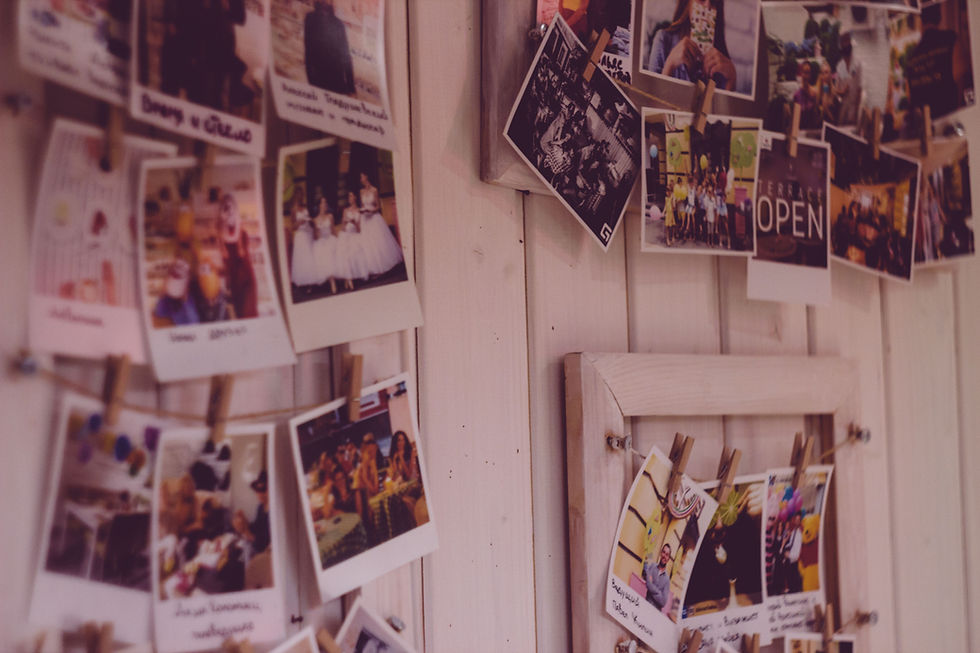
Retro fashion trends return because they satisfy something far deeper than a passing preference for old clothes. The cyclical nature of fashion is well documented, with researchers confirming that styles cycle back roughly every two decades, driven by generational nostalgia and the human need for emotional connection. Fashion psychology tells us that vintage and retro styles offer comfort, identity, and a sense of authenticity that fast fashion simply cannot replicate. At My Vintage, we have watched this pattern play out across every decade since 2004, and the reasons behind it are as fascinating as the clothes themselves.
Why retro trends return: the psychology behind the revival
Nostalgia is not mere sentimentality. Research shows that nostalgic stimuli reduce anxiety and build social connectedness, particularly during periods of uncertainty. That emotional function is precisely why vintage styles resurface with such regularity. When the world feels unstable, people reach for the familiar.
The sociologist Georg Simmel identified fashion’s core tension over a century ago: we want to belong, and we want to stand out. Retro and vintage clothing resolves that tension beautifully. A 1970s suede jacket or a 1950s circle skirt signals individuality while connecting the wearer to a shared cultural memory. Fashion theorists describe clothing as an “extended self,” meaning the items we choose actively construct our identity. Vintage pieces carry history, and that history adds weight and meaning to personal style.
The impact of nostalgia on trends follows a generational rhythm. The cohort that grew up with a particular aesthetic tends to revive it around 20 years later, once they have the spending power and cultural influence to do so. This is why the 1990s dominated fashion in the 2010s, and why Y2K aesthetics have surged so powerfully in the 2020s.
Key psychological drivers behind retro revivals include:
Emotional comfort: Familiar aesthetics offer stability during cultural or economic disruption.
Identity construction: Vintage pieces allow wearers to signal values, heritage, and individuality simultaneously.
Authenticity hunger: Mass-produced fashion feels impersonal. A genuine vintage garment carries provenance and story.
Generational pride: Each generation eventually reclaims and reinterprets the style of its formative years.
“Nostalgia acts as both emotional validation and cultural memory retention, becoming a cornerstone of consumer connection beyond mere trend repetition.”
Pro Tip: If you are drawn to a particular decade’s aesthetic, consider what emotional associations that era holds for you. Choosing vintage with personal meaning creates a wardrobe that feels genuinely yours, not just fashionable.
How have digital platforms accelerated retro trend cycles?

Social media has fundamentally changed the speed at which vintage styles resurface. Digital ecosystems have compressed fashion cycles from seasonal to weekly trends through algorithmic feedback loops. What once took a decade to filter from street style to mainstream now takes weeks.
The Y2K revival is the clearest example of this acceleration. Low-rise jeans, cargo pants, and butterfly clips have remained bestsellers well beyond typical trend cycles, sustained by TikTok communities and Instagram aesthetics that continuously reintroduce early 2000s references to younger audiences who never experienced them first-hand. You can read more about this phenomenon in our guide to authentic Y2K clothing styles.
Algorithms play a specific and underappreciated role here. Platforms surface content based on engagement rather than chronology, meaning a post about 1980s power dressing can reach millions of people who were not alive in that decade. This creates what fashion commentators now call “micro-trends,” where a niche vintage aesthetic goes viral and generates genuine commercial demand almost overnight.
How digital platforms reshape retro trend cycles:
Viral content introduces decades-old aesthetics to audiences with no personal memory of them, creating fresh demand.
Algorithmic curation resurfaces archival fashion imagery continuously, keeping older styles visible and desirable.
Community building around specific eras (cottagecore, Y2K, dark academia) sustains interest far beyond a single season.
Thrift culture content on platforms like TikTok normalises second-hand shopping and frames it as aspirational rather than budget-driven.
Pro Tip: Follow hashtags tied to specific decades on social media to spot retro micro-trends early. Sourcing a vintage piece before it peaks means better quality and better value.
What role do sustainability and economics play in vintage fashion’s appeal?

Vintage clothing is a sustainable alternative to fast fashion, and that fact now shapes buying decisions as much as aesthetics do. Reusing and repurposing past styles reduces waste and sidesteps the environmental damage caused by new production. For many shoppers, choosing vintage is an ethical statement as much as a stylistic one.
The economic case is equally compelling. Vintage garments, particularly those from the 1940s through to the 1980s, were made to last. The construction quality of a genuine 1960s shift dress or a 1970s leather coat frequently surpasses anything produced at a comparable price point today. Buying vintage is, in many cases, buying better. Our article on sustainable fashion and vintage retail explores this in more detail.
The contrast with fast fashion is stark:
Factor | Vintage and retro fashion | Fast fashion |
Environmental impact | Low. Reuses existing garments | High. New production, high waste |
Construction quality | Generally high, built to last | Variable, often poor |
Individuality | High. Pieces are often one of a kind | Low. Mass-produced styles |
Cost over time | Strong value. Pieces hold or gain worth | Poor value. Disposable by design |
Cultural resonance | Deep. Carries history and provenance | Minimal. Trend-driven and temporary |
Consumer ethics have shifted considerably. Shoppers, particularly younger ones, now actively seek out brands and products that align with their values. Vintage fashion sits at the intersection of sustainability, individuality, and quality, which makes it a natural fit for the current cultural mood.
How do cultural identity and authenticity shape retro adoption in 2026?

Younger generations actively rework archival fashion pieces to build personalised style statements, treating vintage clothing as raw material for self-expression rather than costume. This is a meaningful shift from earlier retro revivals, which tended toward straightforward replication of past looks.
UK street style districts such as Dalston and Peckham have long functioned as epicentres of retro revival before those trends reach designer collections or high street shops. Subcultures incubate retro aesthetics, test them against contemporary identity politics, and send them upward into mainstream fashion. By the time a look appears on a London Fashion Week runway, it has already been lived in and reinterpreted by real communities.
Brands in 2026 increasingly rely on retro nostalgia to counteract creative fatigue and the homogenising effects of AI-generated content. Provenance and legacy now carry genuine commercial weight. Consumers feel fatigued by rapid digital trends and actively seek items that prove human effort and craft. Authentic vintage delivers exactly that.
The ways retro fashion serves cultural identity today:
It signals anti-conformity in a world of algorithmically homogenised aesthetics.
It connects wearers to specific cultural moments, from the optimism of the 1950s to the rebellion of the 1980s punk scene.
It enables subculture membership without requiring new purchases, making it accessible and inclusive.
It carries emotional permanence, functioning as what fashion theorists describe as a transitional object during periods of social change.
For a closer look at how these dynamics are playing out right now, our overview of vintage trends for 2025 covers the key looks and cultural influences shaping the current market.
How to incorporate retro styles into your wardrobe today

Bringing vintage into a modern wardrobe works best when you treat it as a conversation between eras rather than a strict recreation of one. The goal is personal style, not historical accuracy.
Start with one statement piece. A 1960s mod coat or a 1980s silk blouse worn with contemporary basics creates impact without feeling like fancy dress.
Prioritise fit over era. A vintage piece that fits well will always look intentional. One that does not will look like a costume.
Mix textures and silhouettes. Pair a structured vintage blazer with relaxed modern trousers, or a 1970s floral dress with clean white trainers.
Care for what you buy. Vintage garments often need gentle hand washing, cool storage, and occasional professional cleaning. Proper care extends their life by decades.
Source thoughtfully. Curated platforms that authenticate and describe pieces honestly save time and reduce the risk of disappointment.
Pro Tip: When mixing retro and contemporary pieces, keep your colour palette consistent. A unified palette makes even the most eclectic combination feel deliberate and polished.
Our guide to incorporating vintage into a modern wardrobe offers detailed styling advice for every decade.
Bringing Retro Styles Home
My Vintage has been curating authentic vintage clothing and retro homeware since 2004, and the passion for genuine, well-made pieces has never wavered.
Whether you are drawn to the clean lines of 1950s homeware, the bold prints of 1970s fashion, or the sharp tailoring of 1980s power dressing, My Vintage offers carefully selected pieces with real provenance. The original 1950s vintage atomic magazine rack is a perfect example of the kind of authentic, characterful piece that fast fashion and mass production simply cannot replicate. Every item tells a story. Every purchase supports a slower, more considered approach to style. Browse the full collection at My Vintage and find something that speaks to you.
FAQ
Why do retro trends keep coming back?
Fashion cycles back roughly every two decades, driven by generational nostalgia and the human desire for emotional connection and individuality. Retro styles resurface because they offer comfort, authenticity, and identity in ways that contemporary fast fashion cannot.
What is the psychology behind nostalgia in fashion?
Nostalgia reduces anxiety and builds social connectedness, making familiar aesthetics feel emotionally safe during uncertain times. Fashion psychologists describe vintage clothing as an “extended self,” meaning it actively shapes and expresses personal identity.
How has social media changed retro trend cycles?
Social media has compressed fashion cycles from seasonal to weekly, with algorithms continuously resurfacing archival styles to new audiences. The Y2K revival is the clearest example, sustained by TikTok and Instagram communities well beyond a typical trend lifespan.
Is vintage fashion genuinely more sustainable?
Vintage clothing promotes reuse and reduces the waste caused by new production, making it a measurably lower-impact choice than fast fashion. The construction quality of older garments also means they last far longer, adding further environmental and economic value.
How do I start wearing vintage without it looking like a costume?
Begin with one strong vintage piece worn alongside contemporary basics, and keep your colour palette consistent across the outfit. Prioritising fit and mixing textures makes retro pieces feel personal and intentional rather than theatrical.
Key Takeaways
Retro trends return because fashion operates in a cyclical pattern driven by nostalgia, cultural identity, sustainability values, and the human desire for authenticity over disposability.
Point | Details |
Fashion cycles every two decades | Generational nostalgia reliably brings styles back as cohorts reach cultural and spending influence. |
Nostalgia offers emotional comfort | Familiar aesthetics reduce anxiety and build identity during periods of social or economic uncertainty. |
Digital platforms accelerate revivals | Algorithms and viral content compress trend cycles, bringing vintage aesthetics to audiences with no personal memory of them. |
Vintage is the sustainable choice | Reusing existing garments reduces waste and often delivers superior construction quality compared to fast fashion. |
Retro fashion builds authentic identity | Vintage pieces carry provenance and cultural memory, enabling wearers to express individuality beyond mass-produced style. |
Recommended


Comments