


Vintage Makeup: From Powder to Pan-Cake
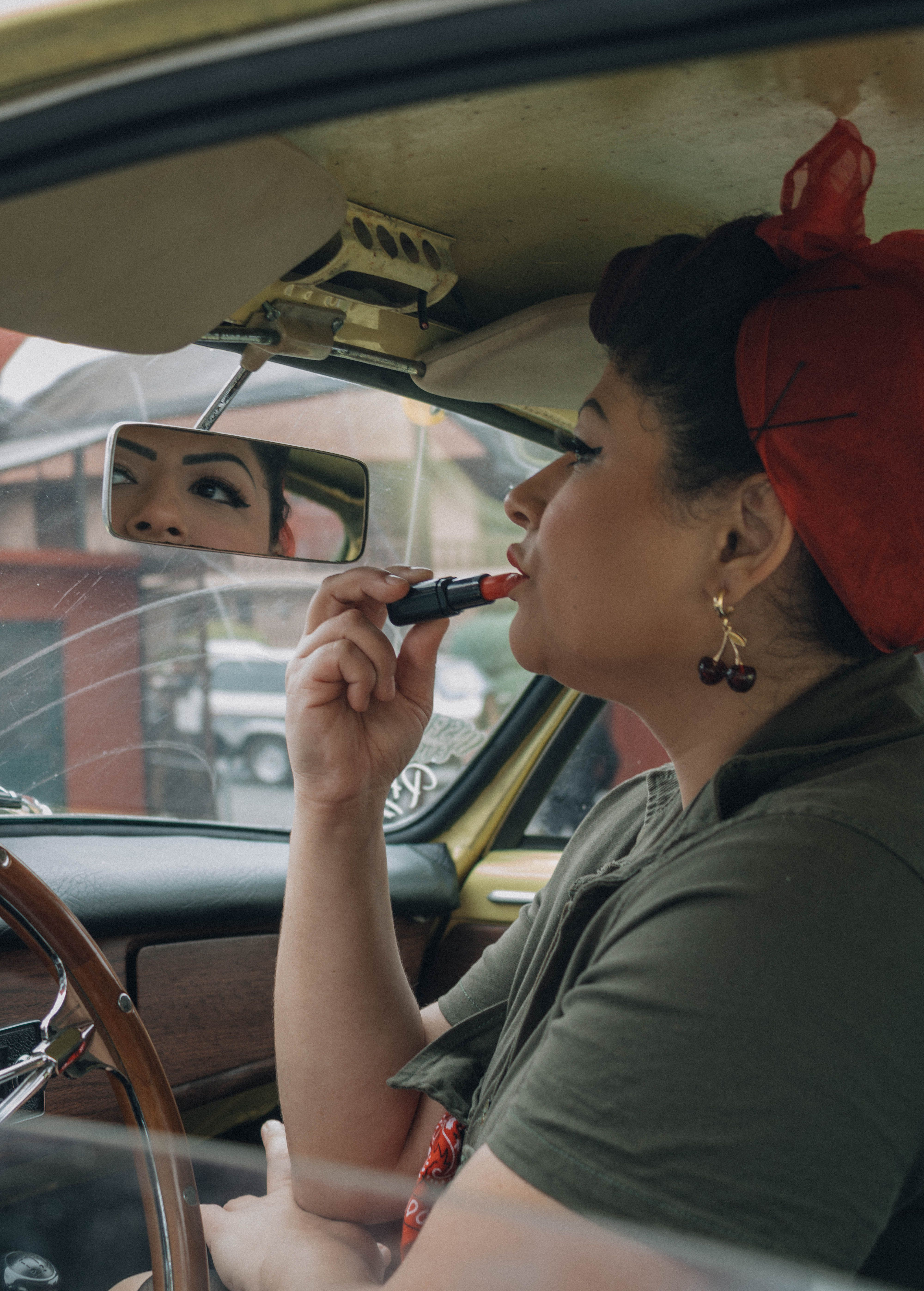
Make-up has always been about more than simply changing the way a face looks. Open an old powder compact, look at a lipstick advert from the 1940s or remember the astonishing blue eye shadow of the 1980s and an entire little world appears around it: dressing tables, handbag mirrors, nights out, beauty counters, film stars and the wonderfully familiar ritual of getting ready. The products themselves have changed enormously, but the pleasure of applying them — and occasionally buying them simply because the packaging was too beautiful to resist — feels surprisingly timeless.
The twentieth century transformed make-up from something that could still be regarded with suspicion into an everyday part of fashion. Face powder gave way to increasingly sophisticated foundations, Hollywood turned actresses into beauty references for millions of women, new formulas made cosmetics easier to carry and apply, and every decade found a different part of the face to exaggerate. Some eras wanted porcelain skin and a perfectly painted mouth, others wanted lashes visible from across the room. By the 1980s, restraint had largely left the building altogether.
At the centre of that story sits one particularly important little invention: Pan-Cake make-up. Developed for the demands of colour film, it helped change not only how faces appeared on screen but what women expected from complexion make-up at home. Its arrival was part of a much bigger shift, taking cosmetics from the loose powder box towards the modern idea of foundation — and helping to create the make-up bag we would recognise today.
When Face Powder Ruled the Dressing Table
Before foundation became the starting point of almost every make-up routine, powder was queen. Loose face powders had been used long before the twentieth century, but attitudes towards cosmetics were complicated. An obviously painted face could still carry uncomfortable associations, particularly for respectable middle-class women, so the desired effect was often discreet: a complexion that appeared naturally smooth, pale and refined rather than visibly made-up.
That began to change dramatically during the 1920s. Fashion was already becoming shorter, looser and less concerned with the old rules of respectable femininity, and beauty followed suit. Rouge, lipstick and eye make-up became far more visible, while powdering one's nose turned into an ordinary social ritual rather than something to be hidden away. The powder compact was perfect for this new world. Instead of relying on a large box on a dressing table, women could carry powder and a mirror in their handbags and touch up their make-up wherever they happened to be.
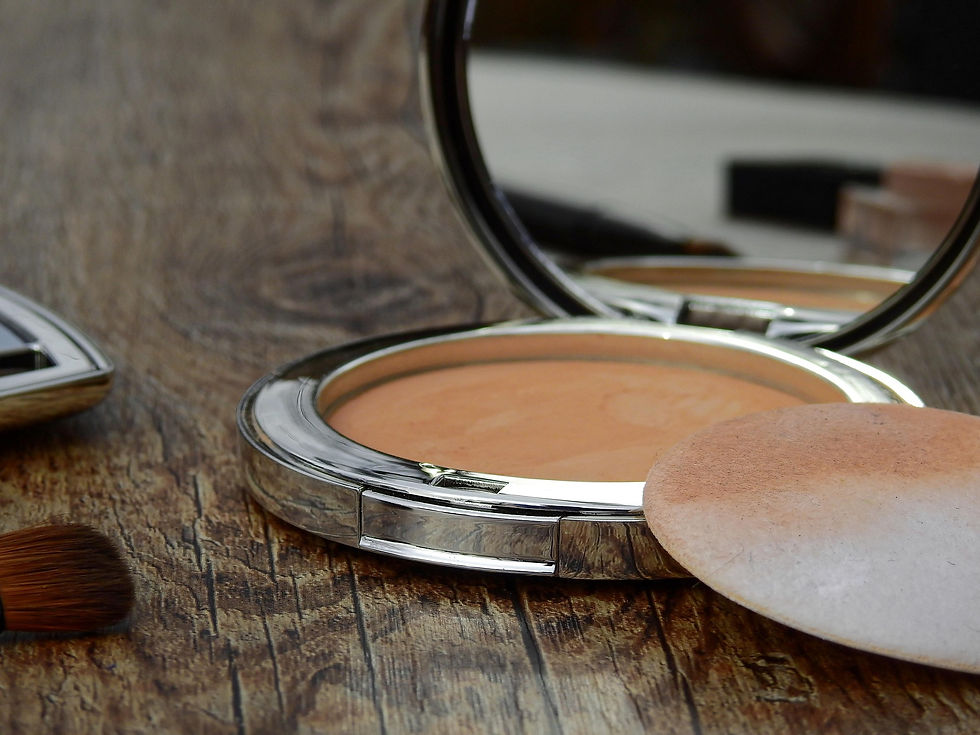
Compacts quickly became objects of fashion in their own right. Some were simple and practical, others beautifully decorated pieces designed to be seen when they were pulled from an evening bag. This is one of the things that makes vintage cosmetics so fascinating today: the container could be almost as desirable as whatever was inside it. Beauty products were already learning a lesson the cosmetics industry has never forgotten — sometimes we are buying the promise, the ritual and the lovely little object just as much as the powder itself.
Hollywood Changes the Face
Cinema altered beauty perhaps more dramatically than any fashion magazine could. By the 1920s and 1930s, audiences were seeing enormous close-ups of actresses whose faces had been carefully constructed for the camera. Their eyebrows, mouths, cheekbones and complexions suddenly mattered on a scale that would have been unimaginable only a generation earlier, and audiences naturally wanted to borrow some of that screen glamour for themselves.
The problem was that stage make-up had never been designed for this new kind of scrutiny. Heavy greasepaint might work beneath theatre lights, but film — particularly the arrival of increasingly sophisticated colour photography — demanded something quite different. Complexions needed to look smooth and even without appearing like a thick mask.
It was this challenge that led Max Factor to develop Pan-Cake make-up in the mid-1930s for Technicolor film. Applied with a damp sponge, the cake formula created a more even, natural-looking finish on camera than traditional greasepaint. Actresses liked the result enough to use it away from the studio too, and Pan-Cake was soon made available to ordinary consumers. By the end of the decade it had helped establish something revolutionary: complexion make-up that behaved much more like the foundation we understand today.
The name feels charmingly old-fashioned now, but the idea behind it was thoroughly modern. Rather than simply dusting colour over the face, women could create an even base before adding rouge, lipstick and eye make-up. The complexion had become a canvas.
The 1940s: Powder, Lipstick and Keeping Up Appearances
The 1940s brought circumstances that could hardly have been further removed from the fantasy of Hollywood. War affected clothing, manufacturing and everyday life, yet make-up did not simply disappear. In fact, beauty routines could take on an emotional importance precisely because life had become difficult. A carefully powdered face or freshly applied lipstick offered a small sense of normality, femininity and personal pride when almost everything else felt uncertain.
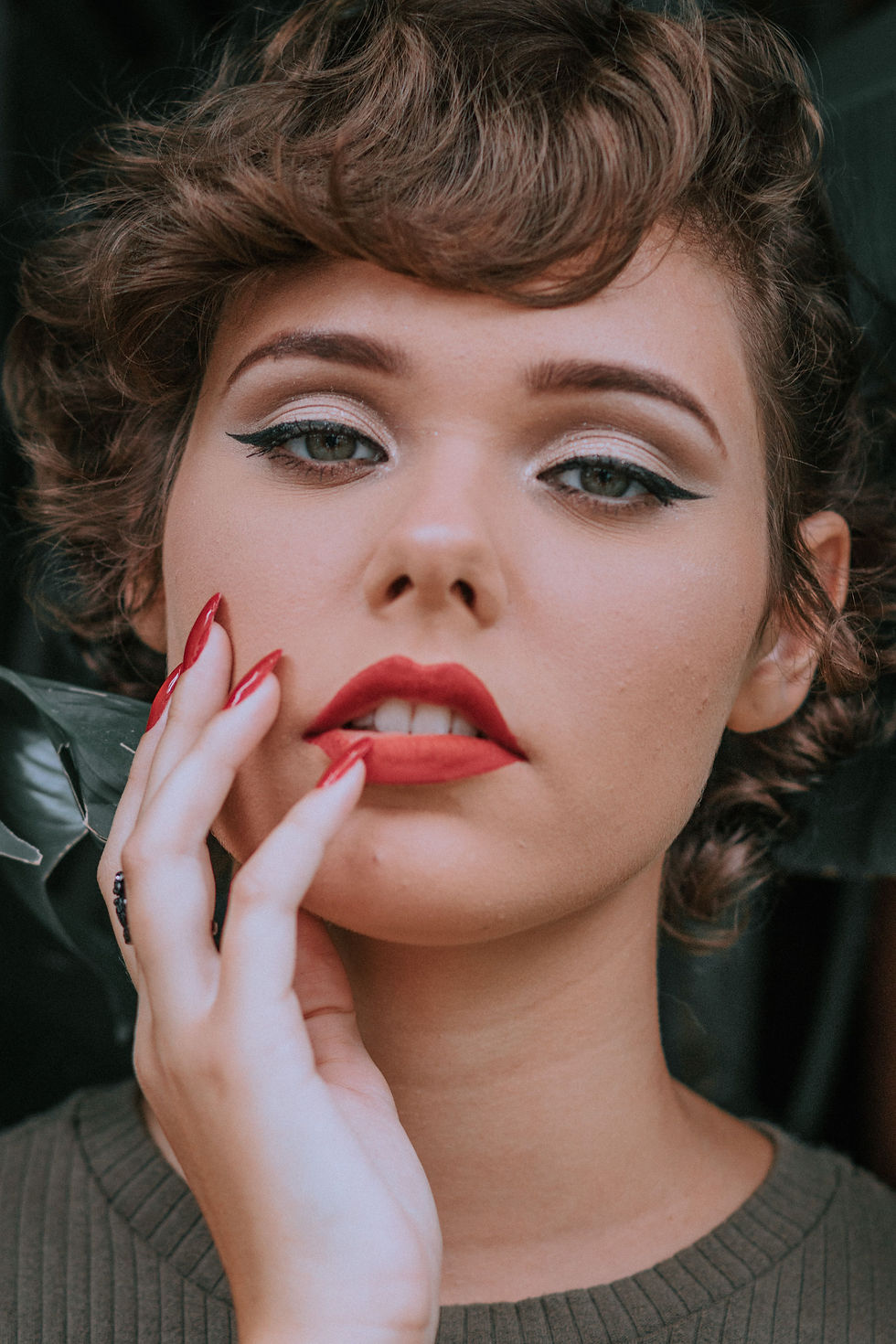
The classic image of 1940s make-up remains familiar for good reason: an even matte complexion, defined brows, restrained eye make-up and a strong mouth. Lipstick carried much of the colour, while powder helped keep skin looking polished. Cosmetics advertising continued to surround these everyday products with a language of glamour and confidence, even when the reality of women's lives might include factory work, rationing and making clothes last far longer than originally intended.
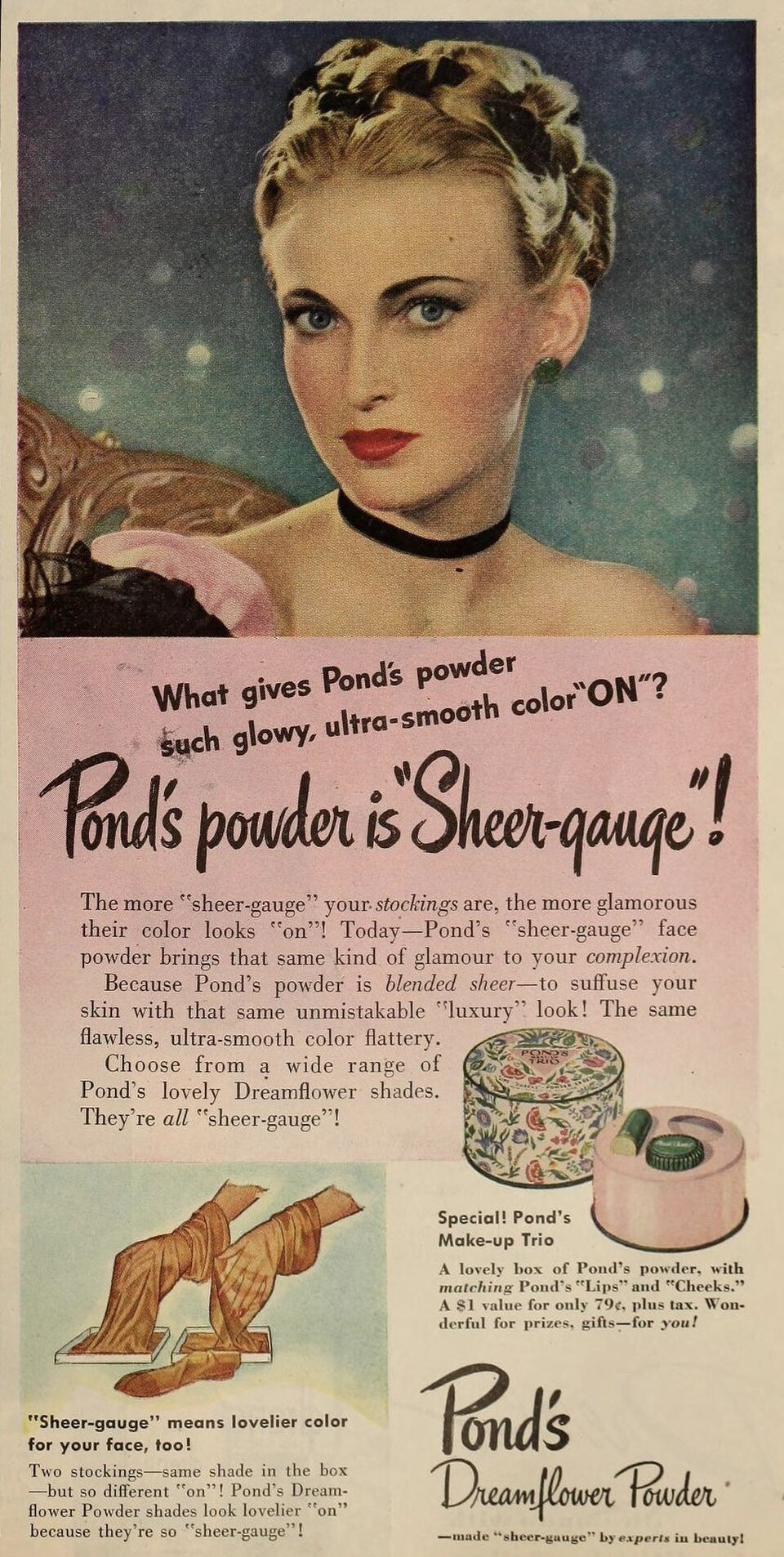
Advertisements from the period are particularly revealing because they show how beauty was being sold. A 1946 Pond's powder advert, for example, could present a simple face powder as part of an entire ideal of elegance: flawless skin, carefully set hair, jewellery and beautifully painted lips. The product was small, but the world being offered around it was enormous.
And of course there was the compact. Small enough for a handbag and fitted with its own mirror, it became one of the great practical luxuries of twentieth-century beauty. There is something wonderfully evocative about the thought of somebody checking her lipstick and powder in a tiny mirror on a train, in a restaurant or before stepping into a dance hall. Modern make-up bags may contain considerably more equipment, but the impulse is exactly the same.
The 1950s: The Perfected Face
If the 1940s had maintained glamour through difficult circumstances, the 1950s embraced it wholeheartedly. Beauty became increasingly polished, coordinated and aspirational. The complexion was carefully finished, eyebrows shaped, lashes defined and lipstick chosen to complete the whole look. Make-up belonged naturally alongside the decade's fitted dresses, immaculate hair and matching accessories.
Products were changing too. Creamier bases and new pressed formulas offered alternatives to traditional loose powder, while stick foundations made application faster and more convenient. Max Factor introduced Pan-Stik in the late 1940s and Creme Puff in the early 1950s, part of a wider movement towards formulas that combined coverage, portability and ease. The modern distinction between powder, foundation and compact make-up was beginning to take shape.
It is easy to imagine 1950s beauty as one rigid look, but photographs reveal considerable variation. Some women favoured a softly defined everyday face while evening make-up could be much stronger. The common thread was finish. Skin was expected to look deliberate and groomed, even when the colours themselves were relatively restrained.
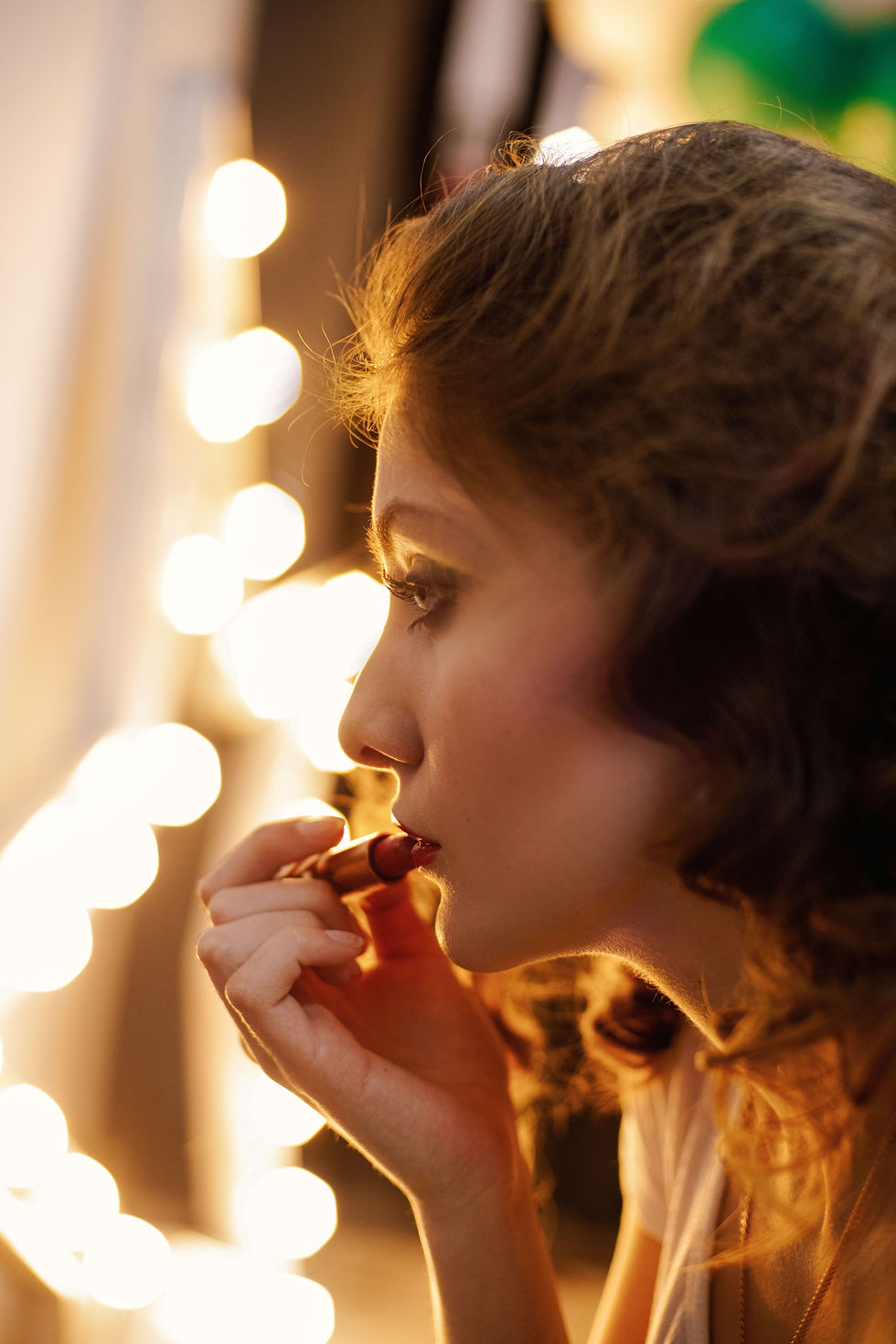
Red lipstick naturally remained an icon, although pinks, corals and softer tones also flourished. A lipstick was particularly powerful because it could transform a face almost instantly and travel anywhere. Even now, there is something deliciously vintage about applying lipstick in a mirror just before going out. Very little effort, maximum psychological effect.
The 1960s: All Eyes on the Eyes
The arrival of the 1960s shifted the centre of attention dramatically upwards. Complexions could still be carefully made-up, but suddenly the eyes were having considerably more fun. Eyeliner became bolder, lashes longer and eye shadow more visible, while pale or neutral lips allowed the upper half of the face to dominate.
Youth culture had a huge influence. Beauty no longer needed to resemble the perfectly groomed sophistication of the previous decade; it could be graphic, playful and deliberately artificial. Thick black liner, painted lower lashes and exaggerated mascara turned make-up into part of the new fashion language, sitting perfectly beside mini dresses, geometric prints and experimental hairstyles.
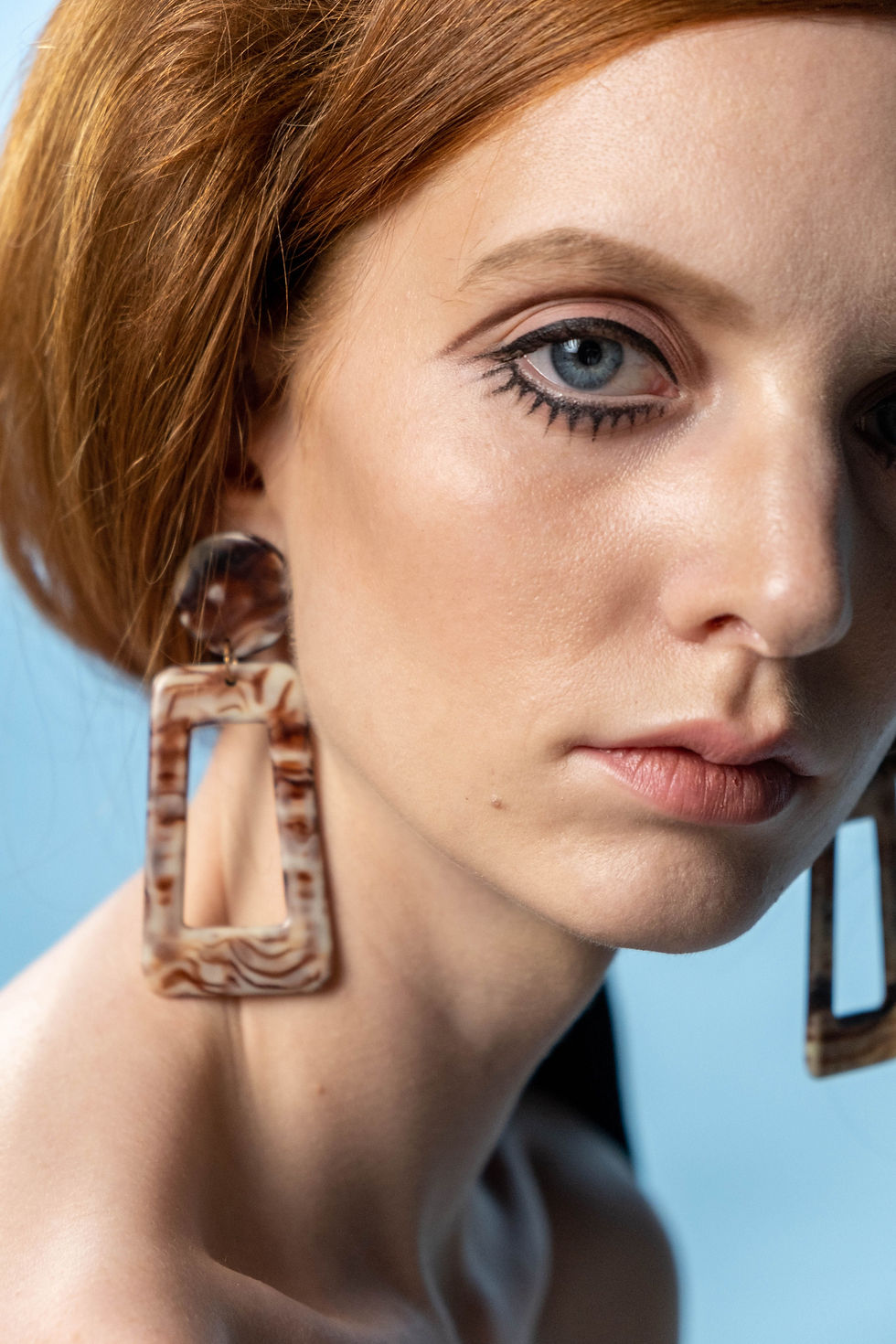
This period also reminds us why recreating vintage make-up is so enjoyable today. A few details can instantly suggest an era without reproducing an entire historical face. A strong flick of liner, defined lower lashes or softly powdered skin can evoke the 1960s far more convincingly than piling on every period detail at once.
The relationship between cosmetics and photography was changing too. Just as cinema had helped shape beauty in the 1930s, fashion magazines and increasingly colourful advertising now encouraged women to experiment. Make-up did not merely correct or perfect the face; it could decorate it.
The 1970s: Bronze, Shimmer and a Little More Freedom
The 1970s loosened many of the rules that had governed earlier beauty. There was no single face of the decade because fashion itself had fragmented into so many different worlds. The natural, softly bronzed look of the early 1970s could sit alongside highly glamorous evening make-up, while disco later in the decade provided an excellent excuse for shimmer, metallic shadow and considerably more drama.
Skin often appeared warmer and less deliberately powdered than it had during the 1950s. Bronzing, peachy tones and glowing finishes worked beautifully with the decade's earthy colours and flowing fashions, while eyes could move from softly smudged neutrals during the day to gold, bronze or jewel tones at night.
Disco changed the atmosphere completely. Under nightclub lighting, subtle make-up had a habit of disappearing, so reflective finishes became particularly effective. Gloss, metallic eye shadow and gleaming highlights belonged perfectly beside lurex, sequins and satin. Beauty was responding directly to where clothes were being worn.
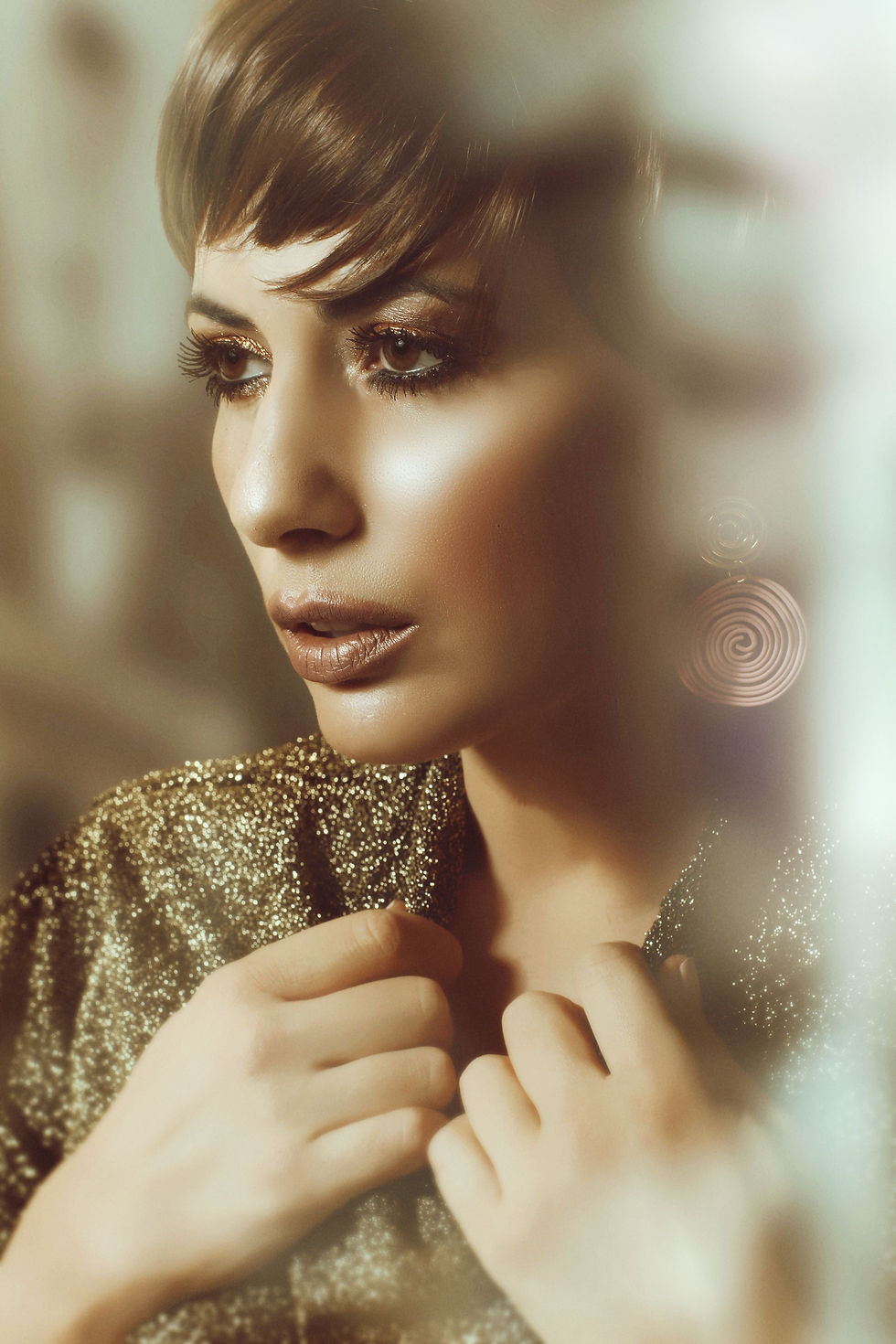
That connection between make-up and environment is easy to overlook. The face seen beside a dressing-table lamp is not the same face seen under theatre lights, Technicolor cameras or a rotating disco ball. Across the twentieth century, cosmetics repeatedly evolved because women were being seen in new places and under new kinds of light.
The 1980s: Colour Turns Up the Volume
Then came the 1980s, which approached make-up with roughly the same philosophy it applied to shoulder pads: if a little looked good, more might look magnificent. Colour spread across the whole face. Purple, blue and pink eye shadows, strongly sculpted cheeks, visible liner and powerful lipstick could all appear together without anybody suggesting that perhaps one feature should be allowed to rest.
Blusher was particularly important, often swept higher and further across the cheek than we would usually wear it now. Eye make-up could be richly layered, with vivid shadow extending well beyond the lid, while brows remained strongly defined. The resulting face had structure as well as colour, matching the decade's equally strong approach to clothing and hair.
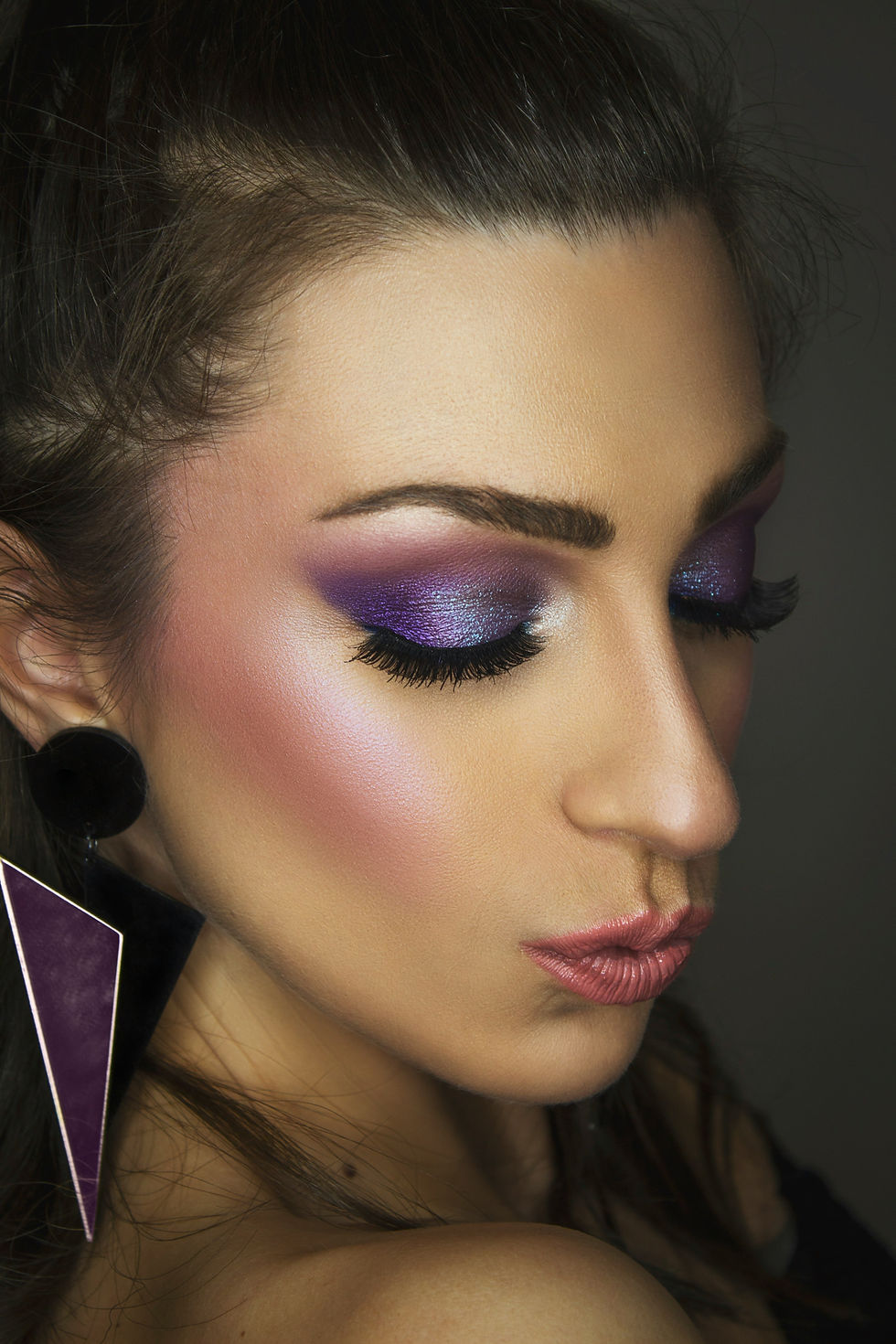
Looking back, these looks can seem wonderfully fearless. They were not trying to create the illusion that no make-up had been applied. The make-up was meant to be seen, and that honesty is part of the reason 1980s beauty remains so much fun to revisit. There is very little joy to be found in pretending purple metallic eye shadow simply happened naturally.
More importantly, by this point cosmetics had become firmly integrated into fashion culture. A new outfit could suggest a different lipstick; music and nightlife shaped beauty trends; magazines offered step-by-step transformations; make-up counters became destinations in themselves. The face was another place to participate in fashion.
Why Vintage Make-Up Still Fascinates Us
Part of the appeal is simple nostalgia. Even people who did not live through a particular decade can recognise the atmosphere of a red lipstick, a powder compact or a heavily lined eye. These objects and looks have appeared so often in films, photographs, magazines and family dressing tables that they have become part of our collective visual memory.
There is also something wonderfully physical about vintage beauty. Compacts clicked shut, powder came with soft puffs, lipstick cases had weight, mirrors lived inside handbags and getting ready involved an assortment of tiny tools and rituals. Modern cosmetics can certainly be beautiful, but older packaging often treated make-up as something close to jewellery.
Most fascinating of all is the way beauty repeats itself. Matte skin disappears and eventually comes back. Thin brows give way to thick ones before quietly heading back again. Brown lipstick returns, blue eye shadow is rehabilitated, glossy mouths replace matte ones and then the entire cycle begins anew. Spend long enough looking at vintage make-up and almost every supposedly new trend starts looking suspiciously familiar.
What Exactly Was Pan-Cake Make-Up?
Pan-Cake was a solid complexion product developed by Max Factor during the 1930s for the demands of Technicolor film. It was activated with a damp sponge and gave actors a smoother, more natural-looking complexion under the unforgiving new colour cameras. Its success away from the studio helped popularise a more complete form of complexion coverage and contributed to the development of modern foundation.
Its importance lies less in the fact that everyone suddenly abandoned face powder — they certainly did not — and more in the shift it represented. The complexion was no longer simply being dusted with powder. It could be deliberately evened, coloured and perfected before the rest of the make-up was applied.
How Can You Wear Vintage-Inspired Make-Up Without Looking Costumed?
Borrow the detail rather than the entire face. A beautifully shaped red lip can suggest the 1940s, a sharp black flick can bring in the 1960s, warm bronze shadow can nod towards the 1970s and a richer sweep of purple or blue can introduce some 1980s drama without requiring the corresponding perm.
Modern formulations also make vintage looks considerably easier to wear. You can recreate the shape, colour or mood of an earlier decade while keeping the textures and finish that suit your own skin. Vintage style works best when it feels like part of your wardrobe rather than fancy dress, and make-up is no different.
From Powder Puff to Make-Up Bag
The most striking thing about a century of make-up is not how much has changed, but how much has remained familiar. Women in the 1920s carried compacts for quick touch-ups. Women today check lipstick in phone cameras. Hollywood actresses helped popularise new complexion products; now trends can travel around the world in a few hours. The tools change, but the pleasure of transformation survives.
From the powder boxes and elegant compacts of the early twentieth century to Pan-Cake, cream foundations, graphic eyeliner, disco shimmer and the glorious colour of the 1980s, make-up has followed fashion wherever it has gone. It has reflected changing ideas about femininity, technology, celebrity and self-expression while remaining one of the smallest and most accessible ways to completely change a look.
And perhaps that is why an old lipstick case or powder compact can be every bit as evocative as a vintage dress. Neither is simply an object. Both contain traces of somebody getting ready, deciding how they wanted to look and stepping out into the world feeling just a little more glamorous.


Comments