


Vintage Leather Jackets: A Complete Guide
Updated: Mar 3

You’ve probably heard that vintage leather jackets fall apart easily or cost a fortune. Neither is true when you know what you’re buying. Authentic vintage pieces from the 1940s through 1990s, crafted from full-grain leather, often outlast modern replicas with proper care. This guide teaches you to identify genuine vintage jackets by era, assess quality markers, and maintain them for decades of wear in the UK’s thriving vintage market.
Table of Contents
Key Takeaways
Point | Details |
Leather Quality | Vintage jackets typically use durable full-grain leather, unlike many modern reproductions |
Authentication Markers | Era-specific labels, branded hardware, and natural patina reveal genuine vintage pieces |
Style Evolution | Distinct characteristics emerged from 1940s military designs to 1990s fashion-forward cuts |
Care Longevity | Proper conditioning and storage extend vintage jacket lifespan beyond 30 years |
UK Market Growth | The vintage leather jacket market is expanding approximately 15% year-over-year |
Introduction to Vintage Leather Jackets

Vintage leather jackets are authentic leather outerwear produced roughly between the 1940s and 1990s. These pieces represent decades when manufacturers prioritized craftsmanship over mass production, typically using full-grain horsehide, cowhide, or lambskin leather that develops character through wear.
The UK’s relationship with vintage leather spans post-war military surplus styles through evolving motorcycle and youth fashion movements. Brands such as Schott NYC, Aero Leathers, and Lewis Leathers were iconic manufacturers of authentic vintage leather jackets from the 1940s through 1990s, known for quality construction and enduring design styles respected globally. British heritage brands like Lewis Leathers remain influential today.
What separates vintage from modern jackets?
Superior leather thickness: Vintage hides often measure 1.2 to 1.4mm compared to modern 0.8 to 1.0mm
Construction methods: Hand-stitched reinforcement at stress points rather than mass-produced seams
Natural aging: Authentic patina develops through years of wear, creating unique creasing patterns
Hardware quality: Brass zippers and metal hardware that withstand decades of use
Exploring fave five vintage jackets reveals how these qualities translate into wearable history. The style spotlight on vintage jackets showcases how different eras express distinct aesthetics through leather craftsmanship.
Era-Specific Characteristics and Styles (1940s-1990s)
Each decade left fingerprints on leather jacket design. Recognizing these markers helps you date pieces accurately and appreciate their historical context.

Leather jackets from the 1940s were typically crafted from heavy-duty horsehide or cowhide designed for durability, with military influences dictating styles such as the A-2 flight jacket with specific features like knitted cuffs and collars. Post-war surplus flooded civilian markets, introducing military aesthetics to everyday fashion.
Era | Primary Leather | Signature Styles | Hardware Details | Average Thickness |
1940s | Horsehide, heavy cowhide | A-2 flight, M-422 bomber | Talon zippers, snap closures | 1.4-1.6mm |
1950s-60s | Cowhide | Cafe racer, Perfecto motorcycle | Talon, Conmar zippers | 1.2-1.4mm |
1970s-80s | Lambskin, softer cowhide | Wide lapel, fashion cuts | YKK, Ideal zippers | 1.0-1.2mm |
1990s | Thinner cowhide, lambskin | Bomber, minimalist racer | YKK, generic hardware | 0.8-1.0mm |
The 1950s and 1960s marked the rise of motorcycle culture. Cafe racer styles featured asymmetric zippers and snap-down collars. Cowhide remained dominant, but tanning processes improved suppleness without sacrificing durability. Hardware shifted toward specific zipper brands like Talon and Conmar, now considered authentication markers.
By the 1970s and 1980s, leather jackets embraced fashion over function. Lambskin introduced softer drapes and wider lapels. Stitching became decorative with contrast thread. This 1970s vintage leather jacket exemplifies the era’s shift toward style-conscious cuts.
The 1990s diversified jacket styles dramatically. Bomber jackets returned with minimalist aesthetics. Leather thickness decreased as manufacturing prioritized affordability. Yet quality makers still produced exceptional pieces during this decade.
Pro Tip: Check inside pocket linings for union labels or manufacturer tags. These often include production dates or contract numbers that pinpoint manufacturing years within a few months.
The retro jackets guide for the UK market explores how these historical styles influence contemporary vintage shopping. UK consumers show growing preference for vintage leather jackets for their uniqueness and sustainability, with market growth on vintage apparel climbing approximately 15% year-over-year in the last three years.
How to Authenticate Vintage Leather Jackets
Authentication requires methodical examination. Follow these steps to separate genuine vintage from clever reproductions.
Examine manufacturer labels and stitching: Original labels show period-appropriate fonts, fading, and wear. Stitching should be consistent with hand-guided industrial machines, not perfectly uniform computerized patterns. Look for double or triple stitching at stress points like armholes and pocket edges.
Verify era-specific hardware: Zippers matter enormously. Talon zippers dominated 1940s through 1960s production. Conmar appeared in the 1950s. YKK became standard from the 1970s onward. Check zipper pulls for brand stamps and patent numbers that correspond to claimed production dates.
Assess leather quality and patina: The patina and natural creasing patterns that develop on vintage leather jackets are unique markers of authenticity and history that modern replicas rarely emulate accurately. Genuine aging creates irregular grain tightening, especially at elbows and shoulders. Artificial distressing looks uniform and lacks depth.
Compare style features with known designs: Cross-reference collar shapes, pocket placements, and zipper configurations against documented examples from the claimed decade. Military jackets follow strict specifications. Deviations suggest reproductions or frankenstein restorations.

What raises red flags?
Brand new appearance with vintage labels (likely reproductions with fake tags)
Mismatched hardware eras (1940s style with 1980s YKK zippers)
Suspiciously low prices on rare makers (authentic Buco or Beck jackets command premium pricing)
Uniform distressing patterns (real wear creates random, organic aging)
Pro Tip: Smell the leather. Vintage hides carry a distinct earthy, slightly musty scent from decades of storage. New leather smells chemical and sharp. Reproductions often smell like fresh dye regardless of artificial aging.
Learn comprehensive methods to identify authentic vintage pieces beyond leather jackets. These principles apply across vintage clothing categories.
Common Misconceptions about Vintage Leather Jackets
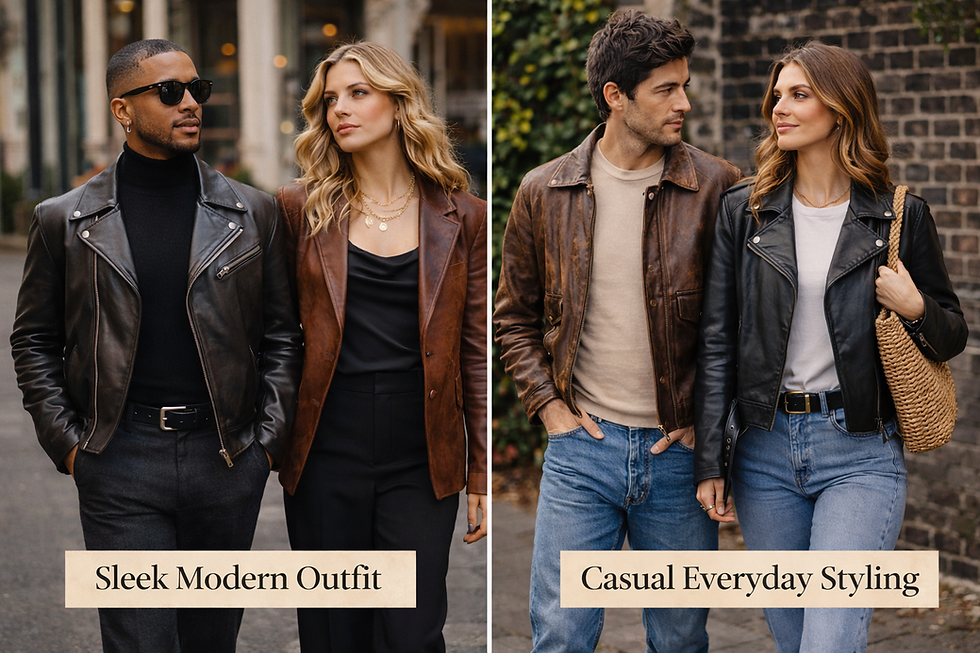
Let’s clear up persistent myths that prevent people from embracing vintage leather confidently.
Myth: All vintage leather jackets are fragile and prone to damage
Reality: Many vintage jackets use durable full-grain leather that outlasts modern alternatives. A well-maintained 1950s horsehide jacket can easily survive another 50 years. Fragility usually indicates poor storage or neglect, not inherent vintage weakness. Quality vintage leather becomes supple with age while retaining structural integrity.
Myth: Vintage jackets are always overpriced
Reality: Pricing varies enormously based on condition, brand recognition, and provenance. You’ll find 1980s lambskin jackets for £50 to £100 at markets, while rare 1940s military contracts fetch £800 or more. Knowing what you’re buying prevents overpaying. Generic 1970s jackets offer excellent value for everyday wear.
Myth: Modern leather is always superior
Reality: Contemporary mass production often uses thinner hides and corrected grain leather to reduce costs. Vintage manufacturers sourced thicker, full-grain hides now uncommon outside premium modern makers. Tanning quality varied historically, but top-tier vintage leather matches or exceeds most modern equivalents.
The importance of proper care: Even the finest vintage leather deteriorates without maintenance. Conditioning prevents drying and cracking. Proper storage avoids deformation. Think of care as the difference between a jacket lasting 10 years versus 40 years.
Care and Maintenance for Longevity
Vintage leather jackets reward attentive care with decades of reliable wear. Follow these maintenance practices to preserve your investment.

Condition regularly with appropriate products: Apply leather conditioner every six months for frequently worn jackets, annually for occasional pieces. Use products designed for your specific leather type. Horsehide and cowhide tolerate heavier conditioners like Lexol or Pecards. Lambskin requires lighter formulations. Test products on hidden areas first.
Store properly to prevent damage: Hang jackets on wide, padded hangers that support shoulder shape. Use breathable cotton garment bags, never plastic covers that trap moisture and promote mildew. Store in cool, dry spaces away from direct sunlight that fades and dries leather.
Distinguish DIY repairs from professional restoration: Minor scuffs buff out with leather cream. Loose stitching at seams can be hand-sewn if you’re careful. However, torn leather, separated panels, or hardware replacement demand professional leather workers. Improper repairs destroy value and appearance permanently.
Impact of regular care on longevity: Consistent conditioning and proper storage extend jacket life beyond 30 years easily. Neglected jackets develop irreversible cracking within a decade. The difference between a £200 jacket lasting five years versus 40 years comes down to routine maintenance.
Pro Tip: After wearing in rain, let leather dry naturally at room temperature. Never use direct heat from radiators or hair dryers, which causes shrinkage and cracking. Stuff sleeves with acid-free tissue to maintain shape during drying.
Comprehensive vintage clothing care tips cover leather and fabric garments. These methods preserve authenticity while extending wearability.
Where and How to Buy Authentic Vintage Leather Jackets in the UK

Navigating the UK vintage market requires knowing where to look and what to prioritise during purchases.
Trusted UK sources for vintage leather jackets:
Specialised vintage retailers like MyVintage.uk offering curated, authenticated collections
Established vintage markets including Portobello Road, Brick Lane, and Manchester’s Afflecks Palace
Online platforms with buyer protection such as Etsy and Vinted when sellers provide detailed photos and measurements
Estate sales and auctions for rare finds, though authentication knowledge becomes critical
Key purchasing considerations:
Accurate fit: Vintage sizing differs from modern standards. Measure your best-fitting jacket and compare against seller measurements. Shoulders and chest matter most since alterations there prove difficult.
Leather condition: Minor scuffs add character. Deep cracks, torn seams, or flaking finishes indicate serious deterioration requiring expensive restoration.
Provenance and authenticity: Request photos of labels, hardware closeups, and inside construction. Reputable sellers provide this documentation willingly.
Budget alignment: Set realistic expectations. Quality 1950s jackets start around £200. Rare military contracts or iconic brands exceed £500 easily.
Purchase Method | Pros | Cons |
In-store vintage shops | Hands-on inspection, try before buying, expert guidance | Limited selection, higher prices, location-dependent |
Online vintage retailers | Wider selection, convenience, detailed photos | Cannot assess fit or condition physically, shipping costs |
Vintage markets | Bargain potential, negotiate prices, unique finds | Variable quality, requires authentication knowledge |
Auctions/estate sales | Rare pieces, competitive pricing | High competition, limited inspection time, authentication risks |
Avoiding common scams:
Request multiple photos showing all angles, labels, and any flaws. Ask about return policies before purchasing. Research sellers through reviews and ratings. Be suspicious of prices far below market value for claimed rare pieces.
Apply these five tips for buying vintage online to leather jacket purchases specifically. Careful vetting protects against costly mistakes.
Explore Authentic Vintage Leather Jackets at MyVintage.uk
Ready to find your perfect vintage leather jacket? MyVintage.uk specialises in authenticated vintage leather jackets from the 1940s through 1990s, carefully selected for quality and style. Our collection spans military classics, motorcycle icons, and fashion-forward pieces representing decades of leather craftsmanship.

Discover new vintage arrivals for January featuring fresh leather jacket additions. We update our selection regularly, ensuring you access the best authenticated vintage pieces available in the UK market. Beyond jackets, explore our guides on caring for your vintage clothing and review five tips for buying vintage online to shop confidently.
Frequently Asked Questions
Are vintage leather jackets more durable than modern ones?
Many vintage leather jackets outperform modern mass-produced alternatives due to thicker, full-grain hides and superior construction methods. Vintage horsehide and cowhide from the 1940s through 1960s often measure 1.2mm to 1.6mm thick compared to modern 0.8mm to 1.0mm leather. With proper conditioning and storage, quality vintage jackets easily last 30 to 50 years or more.
What should I look for to authenticate a vintage leather jacket?
Check original manufacturer labels for period-appropriate fonts and genuine aging. Examine hardware closely, particularly zipper brands like Talon (1940s to 1960s), Conmar (1950s), or YKK (1970s onward) that match the claimed era. Assess natural patina and wear patterns, especially at elbows and shoulders, which develop organically over decades and differ markedly from artificial distressing.
How do I care for my vintage leather jacket to ensure longevity?
Condition your jacket every six months with leather-appropriate products, using heavier formulations for horsehide and cowhide, lighter ones for lambskin. Store on padded hangers inside breathable cotton garment bags away from direct sunlight and heat sources. For significant damage like torn panels or separated seams, consult professional leather restoration specialists rather than attempting DIY repairs. Following these practices, as detailed in our vintage clothing care blog, extends jacket life by decades.
How much should I expect to pay for an authentic vintage leather jacket in the UK?
Pricing varies widely based on era, brand, and condition. Generic 1970s to 1990s jackets in good condition typically range from £50 to £150 at markets. Quality 1950s to 1960s pieces from reputable makers start around £200 to £400. Rare military contracts, iconic brands like Buco or Lewis Leathers, or exceptionally preserved examples can exceed £500 to £800 or more.
Recommended


Comments