


Vintage Trends in 2026: Sustainable Style for Individuality

Sorting through endless rails of fast fashion and never feeling quite satisfied? Vintage style in 2026 is capturing the imagination of the United Kingdom’s boldest dressers, blending nostalgia, sustainability, and the thrill of discovery. Whether you crave rare baggy denim or statement homeware, this guide explores how vintage trends are now dominating fashion and interiors, helping you curate a unique, eco-conscious look that truly stands out.
Table of Contents
Defining Vintage Trends for 2026
Vintage fashion has transformed from a niche interest into a mainstream phenomenon in 2026, driven by a powerful combination of nostalgia, sustainability, and individual expression. Vintage trends are now dominating fashion, reflecting a broader cultural shift towards meaningful, conscious clothing choices.
The landscape of vintage style in 2026 is characterised by several key influences that go beyond mere aesthetic appeal. These trends represent more than just clothing - they’re a statement about personal identity, environmental responsibility, and cultural connection. Key eras like the 1990s and early 2000s are providing rich inspiration, with specific items gaining significant popularity:
Baggy denim recreating casual 90s aesthetics
Vintage sportswear celebrating retro athletic designs
Leather jackets symbolising timeless rebellion
Designer handbags from iconic vintage collections

Social media platforms have played a crucial role in amplifying these vintage trends, allowing individuals to curate and showcase unique personal styles that tell a story. The modern vintage enthusiast isn’t just buying clothes - they’re collecting narratives, preserving cultural memories, and making sustainable fashion choices.
Vintage fashion in 2026 is about creating a personal narrative through carefully selected, meaningful pieces that transcend temporary trends.
The consumer motivation has shifted dramatically. Where fast fashion once dominated, there’s now a strong emphasis on selecting items with history, quality, and individual character. Shoppers are increasingly viewing their wardrobe as a curated collection rather than a disposable commodity.
Pro tip: When exploring vintage trends, focus on pieces that genuinely resonate with your personal style and have lasting quality, rather than simply chasing ephemeral fashion moments.
Iconic Eras and Must-Have Pieces
Vintage fashion in 2026 is a vibrant tapestry of historical influences, with experts forecasting a resurgence of multiple iconic decades. The contemporary vintage landscape celebrates an eclectic mix of styles, ranging from Old Hollywood glamour to Y2K aesthetics, offering fashion enthusiasts unprecedented opportunities for personal expression.
The most compelling vintage eras emerging in 2026 include:
1940s Hollywood Glamour: Structured silhouettes and elegant tailoring
1990s Grunge and Minimalism: Oversized blazers and minimalist designs
Early 2000s Y2K Revival: Low-rise jeans, crop tops, and playful accessories
Luxury Archival Pieces: Designer collections from iconic fashion houses
Designers are placing significant emphasis on high-quality archival pieces, prioritising unique, under-the-radar finds that tell a distinctive story. Luxury brands like Armani are celebrating milestone collections, while vintage couture from designers such as Christian Lacroix becomes increasingly sought after by discerning collectors.
Vintage fashion in 2026 is not about recreating the past, but reinterpreting historical styles through a contemporary lens of sustainability and individual expression.
The most collectible vintage pieces transcend mere clothing - they represent cultural artefacts that connect wearers to specific moments in fashion history. Collectors are increasingly valuing items with provenance, craftsmanship, and a compelling narrative behind their creation.

Here’s how the major vintage fashion eras compare in 2026:
Era | Signature Element | Popular Label/Designer | Modern Appeal |
1940s Hollywood | Structured silhouettes | Christian Dior | Formal elegance in daywear |
1990s Grunge | Oversized layering | Calvin Klein | Relaxed, gender-neutral look |
Early 2000s (Y2K) | Playful accessories | Marc Jacobs | Youthful, nostalgic flair |
Luxury Archival | Unique designer details | Christian Lacroix, Armani | Exclusive collector’s allure |
Pro tip: When hunting for iconic vintage pieces, prioritise quality and personal resonance over trendy labels, focusing on items that genuinely spark joy and reflect your unique style.
Sustainability and Eco-Driven Choices
Sustainable fashion has emerged as a transformative movement in 2026, with consumers increasingly demanding transparent and ethical fashion practices. The contemporary vintage market is no longer just about style, but about making conscious, environmentally responsible choices that reflect deeper values of ecological preservation and social responsibility.
Key sustainability initiatives defining vintage fashion in 2026 include:
Circular Business Models: Resale and rental platforms
Regenerative Materials: Eco-friendly fabric production
Ethical Labour Practices: Transparent supply chains
Take-Back Programs: Recycling and upcycling initiatives
Slow Fashion Principles: Quality over quantity approach
The younger generation is driving this sustainable revolution, prioritising brands that demonstrate genuine commitment to environmental stewardship. Vintage fashion now represents more than aesthetic appeal - it’s a powerful statement of ecological awareness and personal ethics.
Sustainability in vintage fashion is not a trend, but a fundamental reimagining of how we consume and appreciate clothing.
Authenticity remains crucial in this eco-driven landscape. Recognising genuine vintage pieces involves assessing fabric quality, craftsmanship, and the cultural narrative behind each garment, ensuring that sustainability goes beyond mere marketing rhetoric.
Pro tip: When building a sustainable vintage wardrobe, invest in versatile, high-quality pieces that transcend seasonal trends and can be styled multiple ways.
The motivations behind sustainable vintage fashion can be summarised as follows:
Motivation | Impact on Fashion Choices | Long-term Benefit |
Environmental concern | Preference for reuse/upcycling | Reduced waste in landfill |
Social responsibility | Support for ethical brands | Improved labour conditions |
Personal identity | Investing in unique items | Curated, lasting wardrobe |
Mixing Decades: Style and Homeware Fusion
The art of blending interior design across decades has evolved into a sophisticated approach to personal space curation in 2026. Contemporary design enthusiasts are no longer confined to strict stylistic boundaries, but instead celebrate the rich narrative potential of eclectic, cross-generational decor.

Key strategies for successfully mixing vintage styles include:
Neutral Base Foundation: Creating harmony through consistent background tones
Colour Cohesion: Selecting complementary colour palettes across different eras
Scale and Proportion: Balancing furniture pieces from various design periods
Texture Layering: Integrating diverse materials and fabric types
Metal and Finish Mixing: Combining metallic accents from different decades
Mid-century modern furniture, with its clean lines and minimalist aesthetic, proves particularly versatile in contemporary interiors. These pieces seamlessly integrate with both vintage and modern design elements, offering a timeless quality that transcends traditional design constraints.
Mixing decades is not about creating a museum, but crafting a living, breathing space that tells your unique design story.
Authentic vintage homeware becomes a powerful storytelling medium, transforming living spaces into personal galleries that reflect individual journeys and design sensibilities. Each carefully selected piece contributes to a narrative that goes beyond mere decoration.
Pro tip: When mixing vintage decades, choose one dominant design era and introduce complementary pieces that create visual dialogue without overwhelming the space.
Gen Z and Millennial Influence on Vintage
Generation Z fashion consumers are revolutionising vintage style through a powerful combination of digital awareness, sustainability consciousness, and individual expression. These younger generations are not merely purchasing clothing - they are curating personal narratives that challenge traditional fashion consumption models.
Key characteristics of Gen Z and Millennial vintage engagement include:
Sustainability Priority: Choosing secondhand over fast fashion
Digital Influence: Using social media to discover and showcase vintage pieces
Ethical Brand Selection: Supporting transparent and eco-conscious manufacturers
Identity Expression: Using vintage clothing as a form of personal storytelling
Nostalgia-Driven Choices: Reimagining fashion from previous decades
The digital landscape plays a crucial role in how these generations interact with vintage fashion. Social media platforms have transformed vintage shopping from a niche interest into a mainstream cultural movement, enabling instant sharing, trend identification, and community building around unique fashion finds.
Vintage fashion for Gen Z is not about recreating the past, but reinterpreting historical styles through a lens of personal authenticity and social consciousness.
Millennials and Generation Z are driving a fundamental shift in fashion consumption, prioritising quality, uniqueness, and ethical production over mass-produced, disposable clothing. Their approach represents a sophisticated understanding of fashion as a form of personal and political expression.
Pro tip: When exploring vintage fashion, focus on pieces that genuinely resonate with your personal style and carry meaningful stories, rather than simply following transient trends.

Key Pitfalls: Authenticity and Sourcing Mistakes
The vintage fashion market presents significant challenges, with authenticity becoming increasingly complex in an era of sophisticated counterfeiting techniques. Discerning genuine vintage pieces requires a nuanced understanding of craftsmanship, materials, and historical design details that distinguish authentic items from sophisticated replicas.
Key red flags when assessing vintage authenticity include:
Fabric Quality: Synthetic or low-grade materials
Stitching Inconsistencies: Poor thread quality or irregular stitching
Hardware Examination: Cheap or incorrect metal fixtures
Logo and Branding Details: Inaccurate typography or placement
Construction Techniques: Modern manufacturing methods
Most counterfeit vintage items reveal themselves through subtle but critical manufacturing shortcuts. Experienced collectors understand that true vintage pieces demonstrate exceptional craftsmanship, with each stitch and seam telling a story of meticulous construction techniques from their original era.
Authenticity in vintage fashion is not just about age, but about preserving the integrity of design, craftsmanship, and cultural heritage.
The financial and cultural stakes of purchasing inauthentic vintage pieces extend beyond monetary value. Fake items not only misrepresent historical design but also undermine the cultural significance of genuine vintage fashion, diluting the rich narratives embedded in authentic garments.
Pro tip: Always request detailed provenance documentation and invest in expert authentication when purchasing high-value vintage luxury pieces.
Discover Authentic Vintage Style That Speaks to Your Values
The challenge of finding truly authentic, sustainable vintage pieces that reflect your unique style and ethical priorities is real. As the article highlights, vintage fashion today is about more than trends. It is about collecting meaningful garments with quality craftsmanship and environmental responsibility. At My Vintage, we understand your desire to curate a wardrobe that honours individuality and sustainability, offering handpicked vintage clothing from the 1940s through to the 1990s alongside retro homeware and accessories.
[
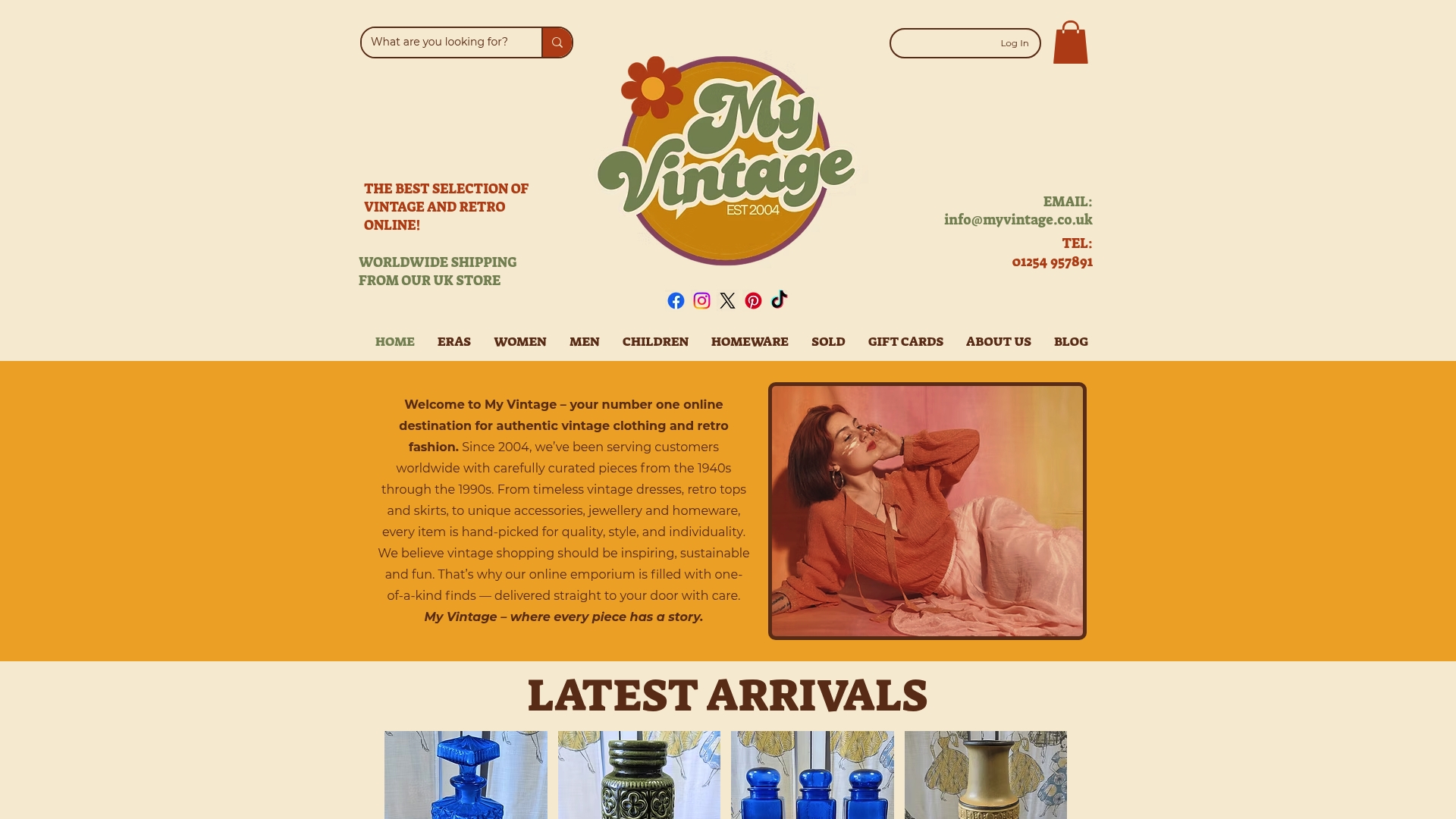
Start exploring our curated collections designed for those who value authenticity and timeless style. With detailed product descriptions and a focus on provenance, My Vintage empowers you to make choices that truly resonate. Visit My Vintage now and embrace sustainable fashion that tells your story. Your perfect vintage discovery awaits.
Frequently Asked Questions
What are the key vintage trends for 2026?
Vintage trends for 2026 include baggy denim, vintage sportswear, leather jackets, and iconic designer handbags from the 1990s and early 2000s. These styles celebrate nostalgia and individual expression while promoting sustainable fashion choices.
How can I incorporate vintage fashion into my wardrobe?
Incorporate vintage fashion by selecting pieces that resonate with your personal style and crafting curated outfits. Focus on high-quality, timeless items that reflect your unique identity rather than following fleeting trends.
What role does sustainability play in vintage fashion in 2026?
Sustainability is central to vintage fashion in 2026, with consumers increasingly prioritising eco-friendly practices. This includes choosing secondhand items, supporting transparent brands, and embracing circular fashion principles, which focus on reuse and recycling.
How can I identify authentic vintage pieces?
To identify authentic vintage pieces, check for high-quality fabric, consistent stitch quality, accurate branding details, and traditional construction techniques. Avoid items that exhibit signs of modern manufacturing, as these can indicate counterfeits.
Recommended


Comments