


What Is A Vintage Find And Why It Matters
- Dec 30, 2025
- 7 min read
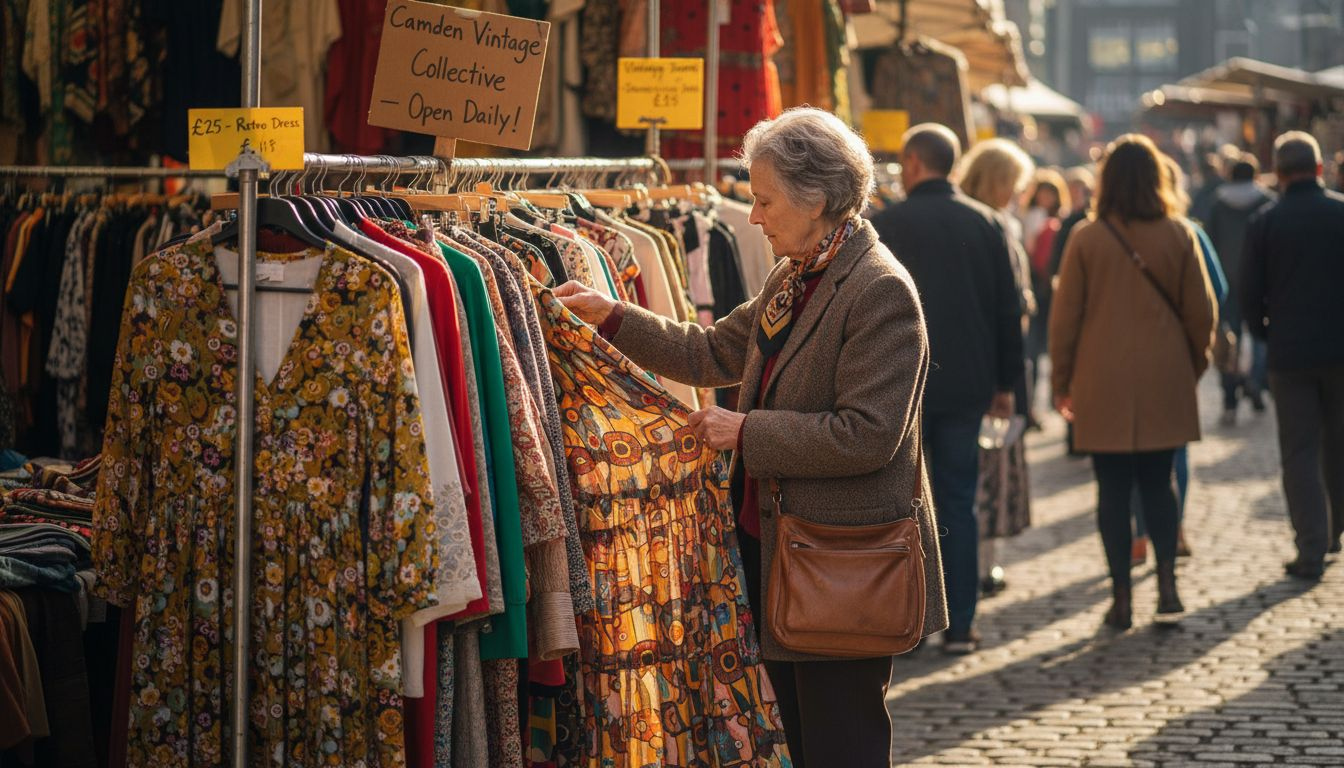
Over half of British consumers now seek out vintage treasures that combine sustainability with individuality. For eco-conscious enthusiasts across the United Kingdom, these finds hold real meaning, blending environmental responsibility with stories from the past. Discover how a true vintage piece offers more than style or nostalgia, bringing cultural heritage and unique craftsmanship into both your wardrobe and your home.
Table of Contents
Key Takeaways
Point | Details |
Understanding Vintage | Vintage finds in the UK are typically 40-100 years old and represent cultural heritage, craftsmanship, and historical significance beyond mere monetary value. |
Distinction of Categories | Antiques, vintage, and retro items have specific definitions; antiques are over 100 years old, vintage ranges from 40-100 years, and retro refers to modern styles inspired by the past. |
Importance of Authenticity | Verifying the age and authenticity of vintage items is crucial, requiring careful examination of construction details, materials, and maker’s marks. |
Sustainability Value | Choosing vintage items promotes sustainability by reducing waste and preserving high-quality craftsmanship, contributing to environmentally conscious fashion practices. |
Defining A Vintage Find In The UK
In the United Kingdom, a vintage find represents far more than a mere second-hand item. These culturally significant objects typically range between 40 and 100 years old, embodying a rich narrative of craftsmanship, historical significance, and distinctive design that transcends monetary value.
Understanding vintage finds requires recognising their nuanced characteristics. British vintage fashion and collectibles are often categorised by specific historical eras, predominantly spanning from the 1920s to the 1980s. These items are not simply old objects but tangible representations of cultural heritage, reflecting personal and collective identity through meticulously preserved styles and design elements.
Key characteristics of authentic vintage finds include:
Exceptional craftsmanship
Unique design details
Historical significance
Limited production runs
Preserved original condition
Each vintage piece tells a story, connecting contemporary collectors with the aesthetic and cultural sensibilities of previous generations. Whether it is a beautifully tailored 1950s dress, a mid-century modern furniture piece, or a rare accessory from a bygone era, these finds represent more than nostalgic memorabilia they are living historical artefacts.
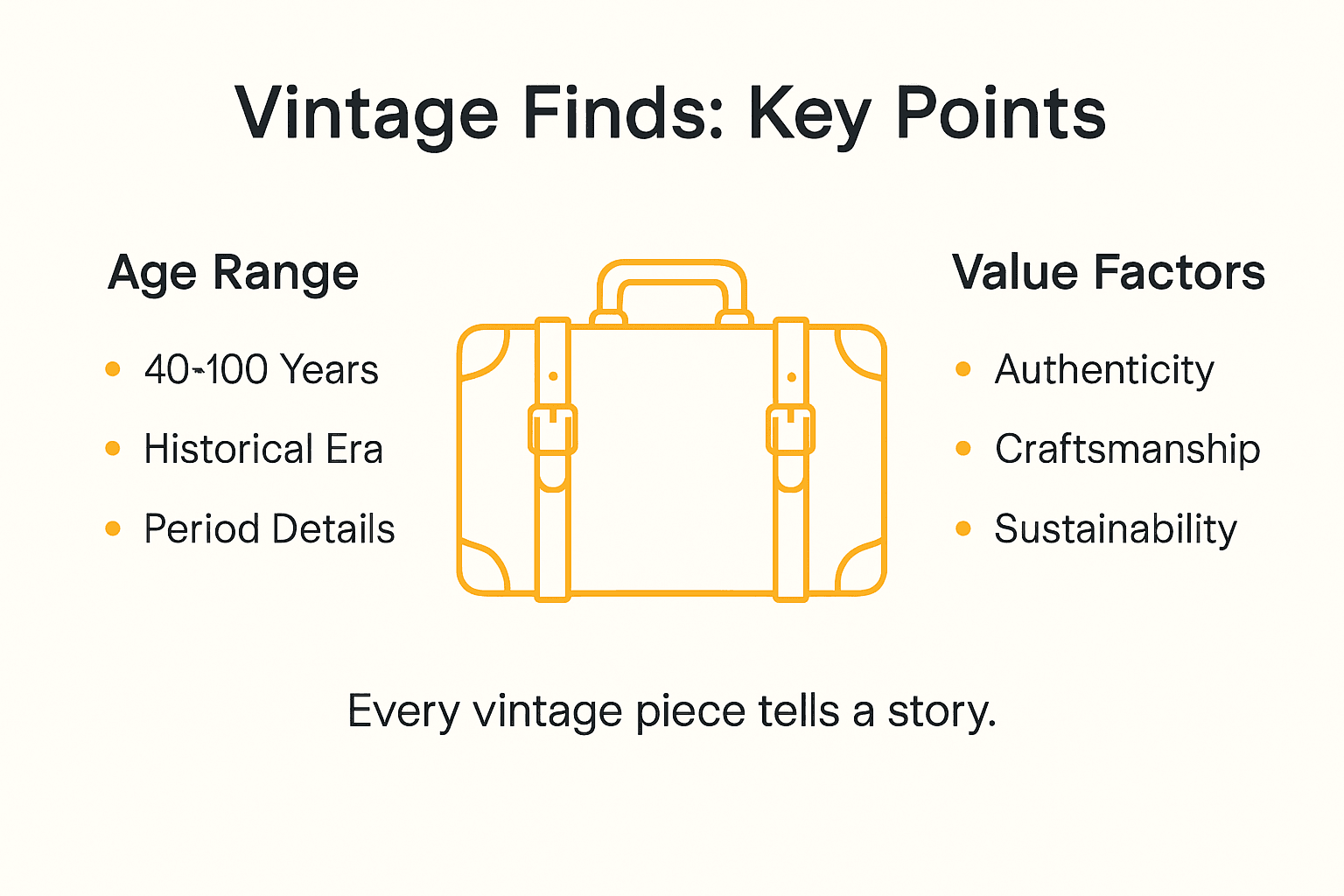
Pro tip: When identifying a genuine vintage find, always examine construction details, fabric quality, and maker’s marks to authenticate its historical provenance.
Vintage Versus Antique And Retro Items
Understanding the nuanced distinctions between vintage, antique, and retro items is crucial for collectors, fashion enthusiasts, and design aficionados in the United Kingdom. These classifications are not merely arbitrary labels but represent specific historical and cultural contexts that define an item’s provenance, value, and significance.
In British terminology, these categories are precisely defined. Antiques are objects over 100 years old, representing the most historically distant category. Vintage items typically range between 20 and 100 years old, embodying a specific era’s craftsmanship and aesthetic. Retro items, by contrast, are modern reproductions or styles inspired by past decades, capturing the essence of previous design periods without being original artefacts.
Key differences between these categories include:
Antiques: Over 100 years old, highest historical value
Vintage: 20-100 years old, specific cultural significance
Retro: Modern items mimicking past design styles
Each category offers unique value to collectors and enthusiasts. Antiques provide direct historical connections, vintage pieces represent cultural snapshots of specific eras, and retro items allow contemporary individuals to celebrate design aesthetics from previous decades without requiring original artefacts. The distinction matters not just for collectors but for understanding how design, fashion, and cultural expression evolve over time.
To help clarify how each category appeals to collectors, here’s a quick comparison of vintage, antique and retro items in Britain:
Category | Typical Age Range | Collector Appeal | Historical Relevance |
Antique | Over 100 years | Historical depth and rarity | Direct link to early British eras |
Vintage | 20-100 years | Style, nostalgia, design integrity | Distinct era craftsmanship |
Retro | Modern, inspired by past | Affordable aesthetics, playful style | Evokes past without true provenance |
Pro tip: Always verify an item’s age and authenticity through detailed examination of construction techniques, material quality, and period-specific design elements.
Key Qualities Of Authentic Vintage Finds
Authentic vintage finds represent more than mere clothing or objects - they are tangible narratives of craftsmanship, cultural heritage, and historical design. These treasured pieces distinguish themselves through meticulous details that reveal their genuine provenance and timeless character.
Craftsmanship stands at the core of authentic vintage items. These pieces occupy a unique space between cultural heritage and personal expression, offering wearers a profound connection to historical design traditions. Genuine vintage finds typically feature:
Hand-finished details like decorative stitching
Natural materials such as wool, silk, and cotton
Period-specific buttons (metal or Bakelite)
Unique construction techniques
Subtle signs of age that enhance character
Beyond physical attributes, authentic vintage pieces carry an intangible quality of emotional resonance. They represent more than fashion; they are living artefacts that connect contemporary individuals with past cultural expressions. Each item tells a story, reflecting the aesthetic sensibilities and crafting techniques of its original era.
Pro tip: Develop a keen eye by examining construction details, fabric quality, and period-specific design elements to distinguish authentic vintage from modern reproductions.
How To Verify Age And Authenticity
Verifying the age and authenticity of vintage items requires a meticulous and trained approach that goes beyond surface-level observations. Expert collectors understand that genuine vintage pieces reveal their true character through subtle, nuanced details that tell a rich historical narrative.
Detailed examination is critical in authentication. Vintage fashion verification involves multiple sophisticated techniques that assess an item’s provenance and historical accuracy. Collectors should focus on key indicators such as:
Stitching patterns (irregular or hand-sewn)
Fabric composition (natural fibres like wool, silk)
Original manufacturing techniques
Period-specific hardware and closures
Labelling and maker’s marks
Textural qualities of materials
Technical analysis forms only part of the authentication process. Understanding the historical context, design trends, and manufacturing methods of specific eras provides crucial insights. Experts often combine visual inspection with research into production techniques, fabric technologies, and design evolution to validate a vintage item’s genuine status.
Below is a reference table outlining effective techniques for verifying vintage authenticity:
Verification Technique | What It Reveals | Recommended Tool |
Stitch pattern analysis | Era and handwork evidence | Magnifying glass |
Material composition check | Original fibre type | Touch and research |
Label and mark inspection | Maker, date, provenance | Reference books |
Hardware and closure examination | Period-specific details | Visual identification |
Pro tip: Invest in a magnifying glass and reference books from specific fashion eras to develop your vintage authentication skills and train your eye for authentic details.
Eco Benefits And Unique Value Of Vintage
Vintage consumption represents a powerful alternative to fast fashion’s wasteful practices, offering profound ecological and cultural advantages that extend far beyond simple clothing acquisition. By choosing vintage, consumers actively participate in a sustainable fashion ecosystem that challenges the disposable nature of contemporary clothing production.
Sustainability sits at the heart of vintage’s unique value proposition. Vintage finds represent a holistic approach to environmental responsibility, embodying principles of reuse, preservation, and conscious consumption. The ecological benefits are multi-layered:
Reduced textile waste
Lower carbon footprint
Preservation of high-quality craftsmanship
Decreased demand for new manufacturing
Support for circular fashion economies
Beyond environmental considerations, vintage items carry extraordinary cultural significance. Each piece tells a story, connecting wearers to historical design traditions and preserving textile heritage. The emotional and aesthetic value of a vintage garment transcends its material composition, representing a form of personal expression that celebrates individuality and historical craftsmanship.
Pro tip: Build a sustainable wardrobe by gradually incorporating vintage pieces that complement your existing style, focusing on versatile, high-quality items with timeless appeal.
Common Mistakes When Buying Vintage
Navigating the complex world of vintage shopping requires more than just enthusiasm - it demands a sophisticated understanding of historical fashion and careful evaluation techniques. Inexperienced collectors often fall into predictable traps that compromise their vintage purchasing experience.
Authenticity challenges represent the most significant pitfall for vintage shoppers. Successful vintage acquisition requires developing substantial subcultural knowledge that goes beyond surface-level appreciation. Common mistakes include:
Confusing vintage with modern reproductions
Failing to verify item condition thoroughly
Overlooking period-specific manufacturing details
Prioritising trendy aesthetics over historical authenticity
Misunderstanding pricing and true collector value
Discerning vintage collectors understand that each piece represents more than a fashion statement - it is a historical artefact with unique narrative potential. Successful vintage shopping requires patience, research, and a willingness to develop expert-level understanding of design evolution, fabric technologies, and cultural context.
Pro tip: Develop a systematic approach to vintage shopping by creating a detailed checklist of authentication criteria before making any purchase.
Discover Authentic Vintage Finds That Matter to You
Understanding what defines a vintage find and why authenticity, craftsmanship, and sustainability are vital can make vintage shopping rewarding yet challenging. If you are seeking exceptional craftsmanship, unique design details, and pieces that carry a story from the 1940s to the 1990s, avoiding reproductions or retro imitations is key. My Vintage offers a carefully curated collection that meets these exact needs by providing authentic vintage apparel and homeware that truly embody cultural heritage and timeless style.
Explore our handpicked selection today at My Vintage. Dive into our authentic vintage collections for men, women, children, and home accessories. Every piece is selected with care to connect you with history while supporting sustainable fashion choices. Don’t miss the opportunity to own vintage items that blend individuality and eco-conscious values. Visit us now and start your journey towards building a timeless wardrobe and home style that truly matters.
Frequently Asked Questions
What defines a vintage find?
A vintage find is an object that is typically between 40 and 100 years old, characterised by exceptional craftsmanship, unique design details, and historical significance that transcends its monetary value.
How can I tell if an item is authentic vintage?
To verify an item’s authenticity, examine construction details, fabric quality, and maker’s marks. Authentic vintage items often display hand-finished details and specific manufacturing techniques from their respective eras.
What is the difference between vintage, antique, and retro items?
Vintage items range from 40 to 100 years old and hold specific cultural significance. Antiques are over 100 years old, whereas retro items are modern reproductions or styles inspired by past decades without being original artefacts.
Why should I consider buying vintage items?
Buying vintage items supports sustainability by reducing textile waste and preserving high-quality craftsmanship. They also carry cultural significance and represent individuality through their unique narratives and design aesthetics.
Recommended


Comments