


Define Shabby – Its Meaning in Vintage Style
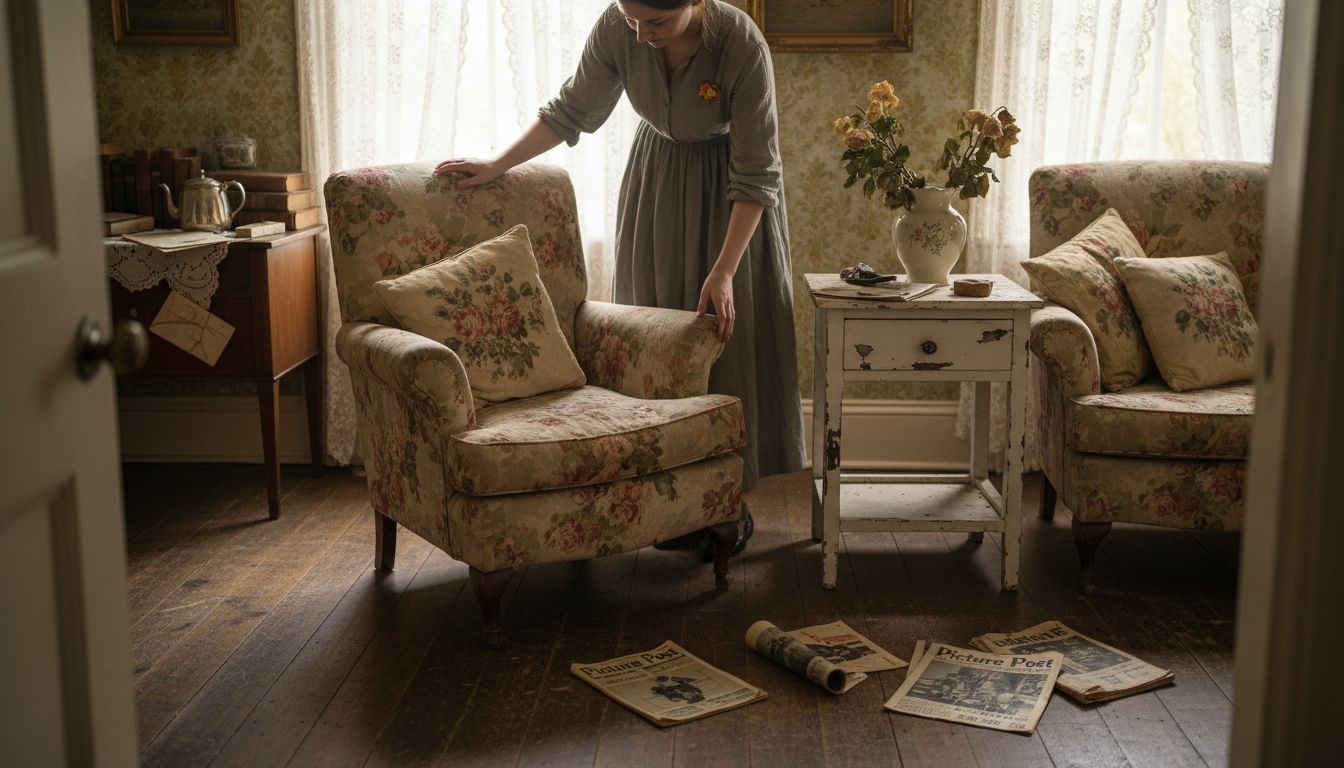
Most people overlook the fascinating British roots behind the word shabby, yet its story is woven through centuries of language and culture. For vintage lovers who see charm in faded hems and timeworn fabrics, understanding the original British meaning reveals deeper layers of style and sustainability. The term shabby once signified much more than an old coat—it reflected historical values and shifting social standards. Discover how this word’s evolution can add authentic meaning to your vintage wardrobe.
Table of Contents
Key Takeaways
Point | Details |
Etymology of ‘Shabby’ | The term ‘shabby’ originated in the 1660s, evolving from a medical term into a critique of wear and neglect, reflecting cultural judgments on quality. |
Types of Shabbiness | Distinct categories of shabbiness exist in fashion and decor, ranging from intentional styles to genuine deterioration, each conveying a narrative of character and history. |
Shabby Chic Aesthetic | The shabby chic style embraces imperfection and nostalgia, using muted colours and aged items to create a harmonious and inviting atmosphere. |
Misconceptions of ‘Shabby’ | ‘Shabby’ entails more than wear; it encompasses emotional and ethical dimensions, often celebrating the history and character of objects rather than denoting worthlessness. |
Shabby: British Meaning And Origins
The term shabby emerged in British English during the 1660s, carrying a nuanced linguistic journey from medical terminology to a descriptive term for worn appearances. Etymological roots trace back to Middle English “shabbe”, originally referencing skin diseases like scabies, which metaphorically transformed into describing clothing and environments that appear neglected or deteriorated.
In traditional British usage, “shabby” encapsulates more than mere physical condition - it represents a cultural assessment of quality and presentation. Historical linguistic evidence suggests the word evolved to critique not just physical appearances, but also suggest moral undertones of neglect and poor maintenance. A shabby object or person wasn’t simply worn, but implied a deeper sense of social judgment about care and standards.
The term’s semantic range expanded across centuries, moving from medical terminology to social commentary. While initially describing physical decay, “shabby” developed figurative meanings suggesting unfairness, dishonour, and a lack of respectability. This linguistic progression reflects how language captures subtle social perceptions, transforming a simple descriptor into a complex cultural assessment.
Pro tip: When exploring vintage fashion, understanding historical linguistic nuances like “shabby” can provide deeper insights into cultural attitudes and clothing traditions.
Types Of Shabbiness In Fashion And Home
Shabbiness in fashion and home decor is a complex aesthetic concept with multiple interpretations. Academic research reveals distinct categories of shabbiness that range from intentional style choices to unintentional deterioration. These categories include essential shabbiness (functional wear), comfortable shabbiness (relaxed, lived-in appearance), feminine shabbiness (soft, delicate aesthetic), and trendy shabbiness (deliberately curated vintage look).
In vintage fashion and interior design, shabbiness represents more than physical wear. Linguistic interpretations suggest a nuanced understanding that encompasses both physical condition and moral perception. A shabby garment or piece of furniture isn’t merely worn out, but tells a story of its history, usage, and the emotional connection between object and owner. This interpretation transforms shabbiness from a potential negative into a celebrated characteristic of vintage items.
The types of shabbiness can be strategically employed in fashion and home decor. Some vintage enthusiasts deliberately seek items with a patina of age - faded linens, slightly frayed edges on clothing, or wooden furniture with a weathered finish. These pieces communicate authenticity, character, and a rejection of mass-produced, pristine aesthetics. The key is distinguishing between deliberate, curated shabbiness and genuine neglect, which requires a discerning eye and appreciation for subtle textile and design nuances.
Pro tip: When collecting vintage pieces, examine the quality of shabbiness - look for charming wear that enhances the item’s character, not deterioration that compromises its fundamental integrity.
Key Characteristics Of Shabby Style
Shabby chic style represents a nuanced aesthetic that transforms worn and vintage items into elegant, characterful design elements. This distinctive approach celebrates imperfection, blending soft, muted colour palettes with deliberately aged furniture and textiles. The core philosophy embraces a romantic interpretation of wear, where each scratch, faded patch, and weathered surface tells a unique story of previous ownership and historical charm.
The aesthetic is defined by specific design elements that create its signature look. Soft pastel colours like dusty rose, pale blue, and creamy white dominate the palette, complemented by natural fabrics such as linen and cotton. Vintage furniture often features painted finishes with intentional distressing - think wooden tables with chipped paint edges, ornate mirrors with slightly tarnished frames, and upholstered chairs displaying gentle signs of previous use. Interior design experts emphasise that the key is creating a sense of lived-in comfort that feels both nostalgic and deliberately curated.
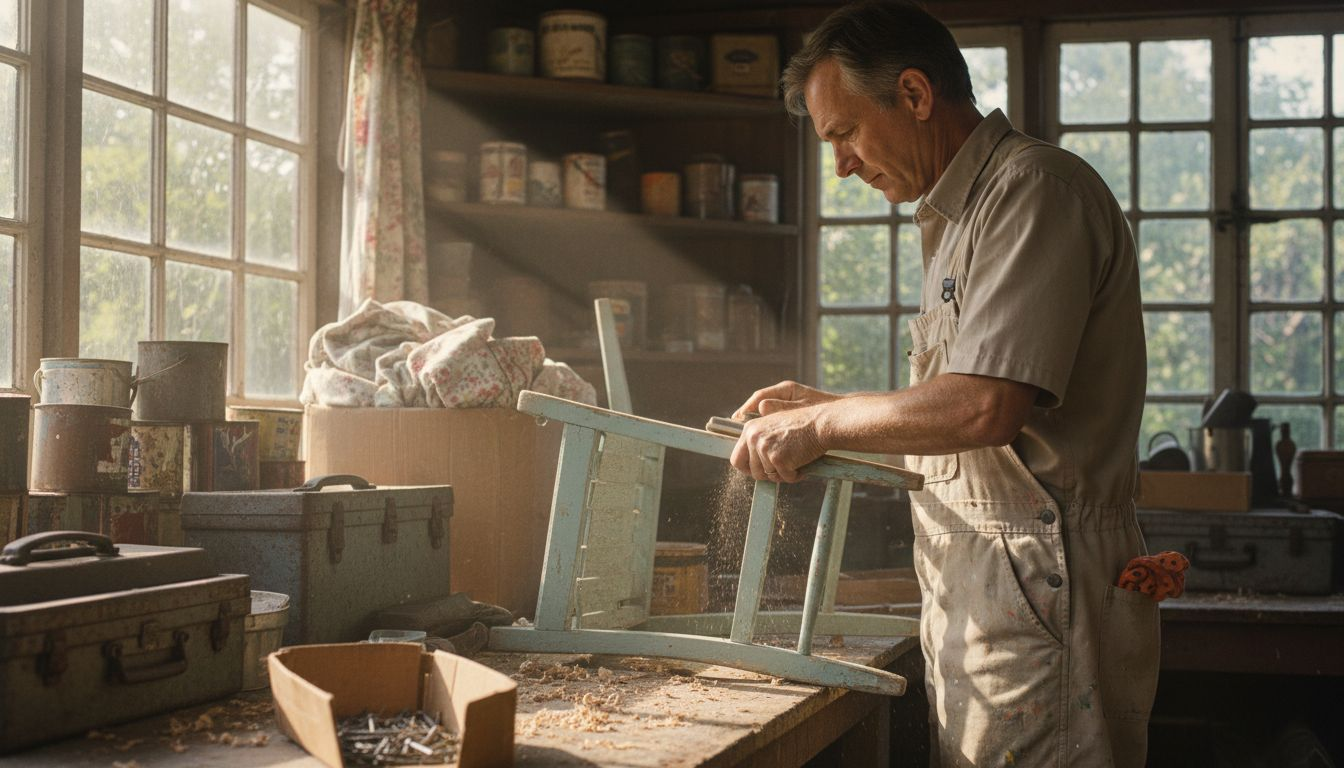
While shabby style originated in British and French countryside traditions, it has evolved into a global aesthetic that transcends geographical boundaries. The style communicates a rejection of mass-produced perfection, instead valuing craftsmanship, individual history, and the beauty of gradual transformation. Textural contrast plays a crucial role - delicate floral prints might be paired with rough-hewn wooden surfaces, creating visual interest through unexpected combinations that speak to the style’s inherent complexity and charm.
Pro tip: When incorporating shabby style, focus on pieces that demonstrate thoughtful wear rather than genuine deterioration - the magic lies in curated imperfection, not neglect.
Shabby In Vintage: Fashion Versus Decor
Vintage styling approaches reveal fascinating distinctions between fashion and decor interpretations of shabbiness. While both domains celebrate worn aesthetics, they express this philosophy through distinctly different mediums. Fashion embraces shabbiness as a soft, romantic statement - think delicately faded fabrics, gently frayed edges, and garments that whisper stories of previous adventures. Decor, by contrast, transforms shabbiness into a deliberate design language of intentional distressing and curated imperfection.
The fundamental difference lies in intentionality and presentation. In fashion, shabby style manifests through carefully selected pieces that appear effortlessly worn - vintage dresses with subtle colour fading, linen shirts with gentle creasing, and accessories that bear subtle marks of previous ownership. Home decor, however, takes a more theatrical approach, deliberately creating aged aesthetics through techniques like chalk painting, strategic distressing, and combining antique pieces with reproduction furniture that mimics historical wear.
Both fashion and decor ultimately share a core philosophy of rejecting mass-produced perfection. They celebrate individual character, craftsmanship, and the beauty of items that have lived, loved, and accumulated stories. The key distinction is that fashion shabbiness feels more organic and personal, while decor shabbiness is a more consciously constructed aesthetic that transforms entire spaces through carefully curated imperfections.
Here’s a comparison of shabbiness characteristics in fashion and home decor:
Aspect | Fashion Shabbiness | Home Decor Shabbiness |
Intentionality | Often organic and personal | Highly curated and deliberate |
Common Techniques | Fading, fraying, gentle distress | Chalk paint, strategic distressing |
Emotional Appeal | Nostalgia, individual stories | Charm, lived-in sophistication |
Role in Aesthetics | Enhances garment character | Creates harmonious ambience |
Pro tip: When blending shabby styles across fashion and decor, focus on maintaining a consistent colour palette and texture story to create a harmonious, intentional look.
Common Misconceptions About ‘Shabby’
Dictionary definitions reveal that ‘shabby’ is far more nuanced than simply describing something worn or deteriorated. Many people mistakenly interpret the term as purely negative, associating it exclusively with poor quality or neglect. However, in British linguistic tradition, ‘shabby’ carries a rich tapestry of meanings that extend well beyond physical condition, encompassing emotional and ethical dimensions that challenge simplistic interpretations.
One profound misconception is viewing shabbiness as synonymous with worthlessness. In reality, vintage style perspectives demonstrate that apparent wear can signify profound value, history, and intentional aesthetic choices. Shabby is not about decay, but about storytelling - each faded edge or gentle imperfection represents a narrative of use, care, and cultural significance. This is particularly evident in fashion and interior design, where deliberate distressing transforms an item from mundane to extraordinary.
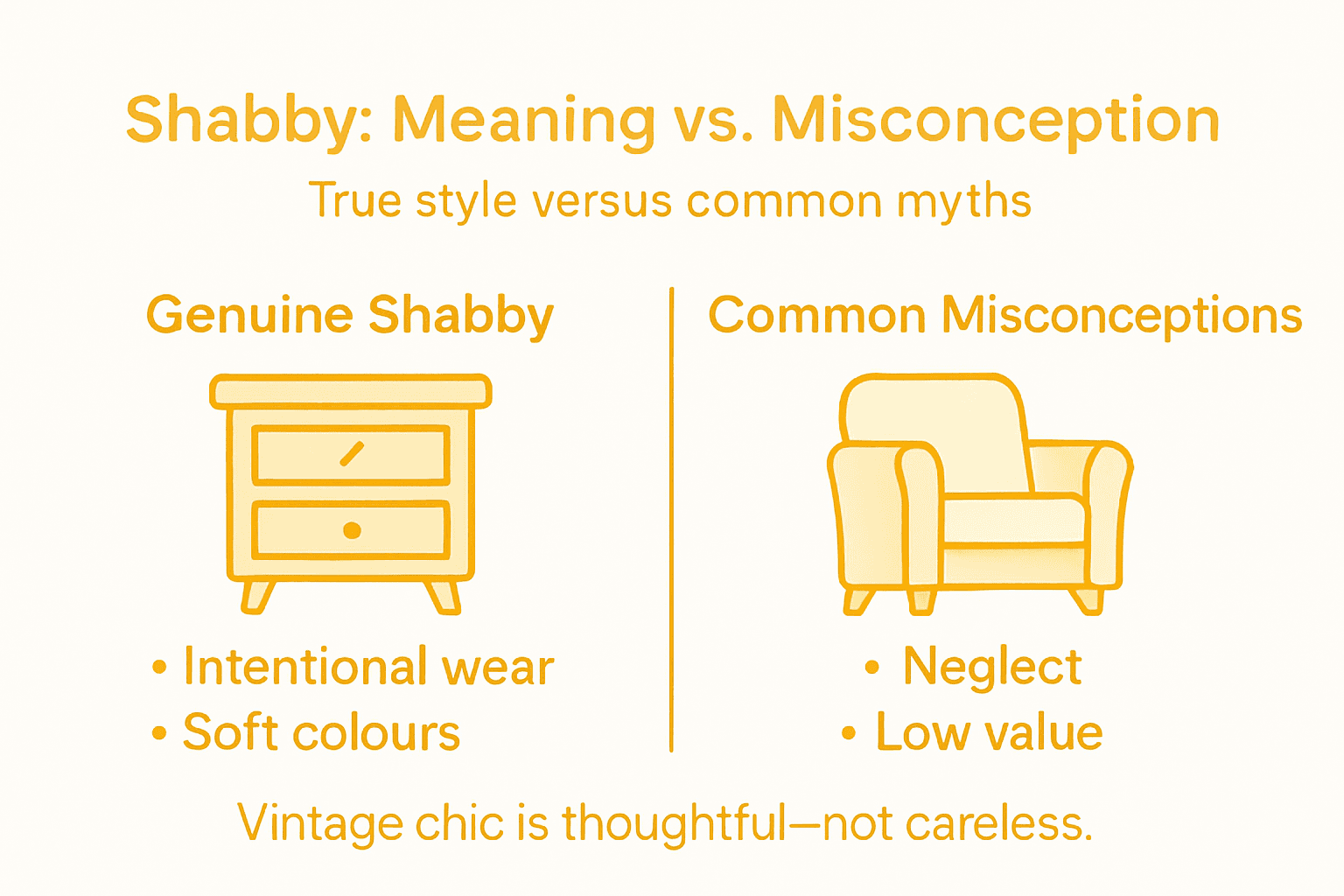
The term’s complexity extends beyond material appearance. In social contexts, ‘shabby’ can describe behaviour that is unfair or dishonourable, adding a moral dimension that transforms it from a mere descriptive term into a subtle critique. This linguistic versatility demonstrates how words can carry layers of meaning that transcend their apparent simplicity, challenging listeners and readers to look beyond surface-level interpretations and appreciate the nuanced storytelling embedded in language.
To clarify the meanings of ‘shabby’ in different contexts, examine this reference table:
Context | Typical Meaning | Underlying Connotation |
Physical objects | Worn, aged appearance | Neglect or authentic history |
Behaviour | Unfair or dishonourable actions | Moral judgement or criticism |
Vintage styles | Celebrated imperfection | Valued for story and character |
Pro tip: When encountering the word ‘shabby’, pause and consider its context - it might be revealing far more than just a description of physical condition.
Discover The Beauty Of Shabby Style With Authentic Vintage Finds
Understanding the intricate meaning of “shabby” in vintage style highlights a vital challenge faced by enthusiasts: finding pieces that embody curated imperfection rather than neglect. The article emphasises the importance of appreciating garments and homeware that carry stories through their worn charm and history. At My Vintage, we share your passion for authentic vintage that honours this delicate balance between history and quality. Our carefully selected collection from the 1940s to the 1990s offers you items that reflect the true spirit of shabby chic—characterful, sustainable, and full of individual style.
Explore our vintage fashion and retro homeware ranges where each product’s subtle signs of wear add to its unique story and appeal. Don’t settle for mass-produced copies when you can own genuine pieces with timeless charm. Act today to enrich your wardrobe or living space with trusted vintage treasures that speak volumes about craftsmanship and heritage. Start your journey at My Vintage and embrace the elegance of shabby style done right.
Frequently Asked Questions
What is the origin of the term ‘shabby’?
The term ‘shabby’ originated in British English during the 1660s, initially referring to medical conditions like scabies before evolving into a descriptor for worn-out appearances and neglect.
How does ‘shabby’ relate to vintage fashion and decor?
In vintage fashion and decor, ‘shabby’ represents a celebrated aesthetic of imperfection, where worn items tell a story of history and emotional connection, contrasting mass-produced perfection.
What are the key characteristics of shabby style?
Shabby style is characterised by soft pastel colours, vintage furniture with intentional distressing, and a focus on comfortable, lived-in aesthetics that embrace imperfections as part of their charm.
How can I differentiate between intentional shabbiness and genuine neglect?
Intentional shabbiness features curated imperfections that enhance character, such as gentle wear or slight distressing, whereas genuine neglect is evident in significant deterioration or damage that compromises integrity.
Recommended


Comments