


Sustainable Fashion Workflow: Impact On Vintage Retail
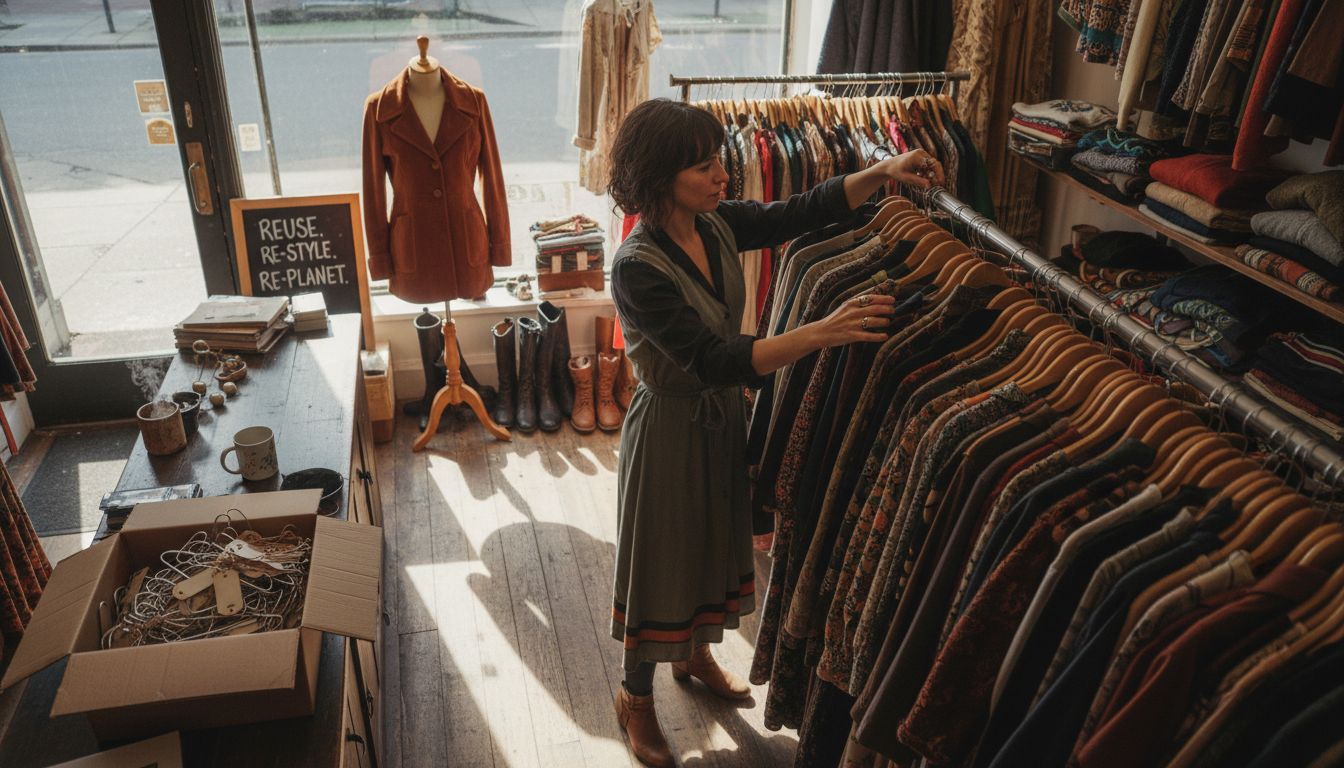
Most British vintage garments are produced with much lower environmental impact than new fast fashion, making them a top choice for conscious shoppers. As interest in eco-friendly wardrobes rises across the United Kingdom, more people are demanding sustainable options that combine ethical sourcing and authentic style. This guide reveals how British fashion enthusiasts can confidently choose vintage pieces that reflect both their values and their love for unique, ethically curated looks.
Table of Contents
Key Takeaways
Point | Details |
Circular Design | Prioritising lifecycle considerations in clothing creation enhances sustainability and encourages the use of recyclable materials. |
Transparent Supply Chains | Implementing real-time tracking and accountability in production processes is essential for fostering environmental responsibility. |
Technological Integration | Embracing advanced technologies can significantly improve sustainability metrics and streamline operational efficiency. |
Consumer Education | Effectively communicating the benefits of sustainable practices can shift consumer perceptions and support economic viability in vintage fashion. |
Defining Sustainable Fashion Workflow Principles
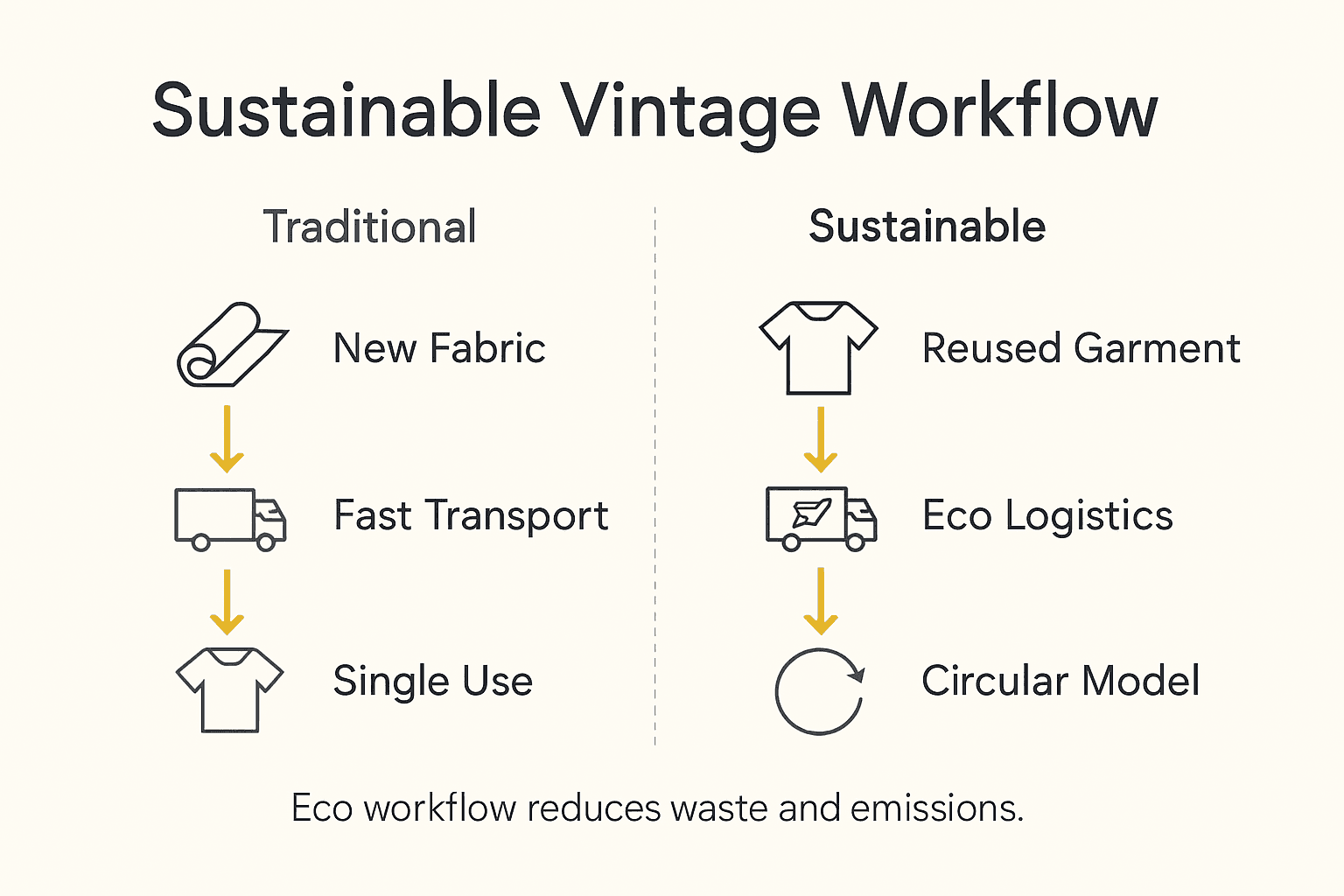
Sustainable fashion workflow principles represent a comprehensive strategic approach to transforming traditional clothing production and retail processes through environmentally conscious methods. These principles focus on integrating ecological considerations throughout the entire fashion supply chain, from design conception to final product distribution. Frameworks for sustainability in fashion demonstrate that effective workflow transformation requires holistic thinking and systematic implementation.
The core principles of sustainable fashion workflows encompass several critical dimensions. First, circular design emerges as a fundamental strategy, where clothing items are created with their entire lifecycle in mind. This approach involves selecting recyclable materials, designing for durability, and planning for potential material reuse or regeneration. Second, transparent supply chains become essential, requiring fashion businesses to track and document each production stage’s environmental impact. By exploring regulatory compliance and net-zero transitions, companies can develop more accountable and environmentally responsible practices.
Implementing sustainable fashion workflows also demands rigorous measurement and continuous improvement. Key performance indicators should track carbon emissions, water usage, material sourcing, and waste reduction. Businesses must develop robust systems that enable real-time monitoring of sustainability metrics, allowing for rapid adjustments and innovative solutions. Advanced technologies like blockchain and AI can support these tracking efforts, providing unprecedented visibility into complex production networks.
Pro tip: Begin your sustainable fashion workflow transformation by conducting a comprehensive environmental audit of your current production processes, identifying the most significant areas for potential ecological improvement.
The following table highlights the distinctions between conventional and sustainable fashion workflows:
Aspect | Conventional Workflow | Sustainable Workflow |
Material Use | Focus on low-cost synthetics | Prioritises recycled and renewable fibres |
Design Process | Seasonal trends dominate | Lifecycle and circularity considered |
Supply Chain Transparency | Often limited visibility | Real-time, accountable tracking systems |
End-of-Life Management | Landfill disposal common | Designed for recycling or repurposing |
Vintage Sourcing Methods And Ethical Selection
Ethical vintage sourcing represents a nuanced approach to preserving fashion history while maintaining sustainable and responsible procurement practices. The process involves meticulous evaluation of historical clothing pieces, ensuring their authenticity, condition, and cultural significance. Ethical material sourcing practices have become increasingly sophisticated, focusing on transparency and minimising environmental impact throughout the vintage clothing acquisition process.

The key methodologies for ethical vintage selection encompass several critical dimensions. Provenance verification emerges as a fundamental step, requiring detailed documentation of each garment’s origin, previous ownership, and historical context. Vintage retailers must conduct comprehensive assessments that examine material quality, preservation status, and potential restoration requirements. Authentic vintage material procurement demands rigorous investigation, including examining fabric composition, manufacturing techniques, and the historical narrative embedded within each piece.
Modern vintage sourcing integrates technological and human expertise to ensure ethical standards. Advanced techniques like digital archiving, textile forensics, and detailed material analysis help authenticate and validate vintage clothing pieces. Sustainability considerations now extend beyond environmental impact to include social responsibility, examining the historical production conditions and potential cultural sensitivities associated with vintage garments. Ethical vintage selection requires a holistic approach that balances historical appreciation, environmental consciousness, and respect for cultural heritage.
Pro tip: Develop a comprehensive vintage sourcing checklist that includes detailed criteria for authenticity, condition assessment, and ethical provenance verification before acquiring historical clothing pieces.
Eco-Friendly Processing, Packaging, And Logistics
Sustainable fashion requires a comprehensive approach to processing, packaging, and logistics that minimises environmental impact throughout the entire supply chain. Sustainable and circular practices in fashion have evolved dramatically, focusing on reducing carbon footprint and implementing innovative ecological strategies across vintage clothing operations.
The packaging dimension represents a critical area for sustainable transformation. Eco-friendly packaging solutions now prioritise materials that are recyclable, biodegradable, and sourced responsibly. Innovative packaging approaches demonstrate a shift away from traditional plastic packaging towards alternatives like recycled paper, compostable materials, and bioplastics. Vintage retailers are developing packaging strategies that not only protect delicate historical garments but also minimise environmental degradation.
Logistical considerations in sustainable vintage fashion extend beyond traditional transportation methods. Advanced routing algorithms, carbon-neutral shipping options, and consolidated delivery systems help reduce transportation emissions. Companies are investing in electric delivery vehicles, optimising warehouse energy consumption, and implementing sophisticated tracking systems that minimise unnecessary movement and storage. These comprehensive strategies transform logistics from a potential environmental liability into a proactive sustainability opportunity.
Pro tip: Implement a closed-loop packaging system where shipping materials are consistently collected, recycled, and reused to dramatically reduce waste in your vintage fashion logistics process.
Role Of Technology In Sustainable Operations
Technology plays a transformative role in advancing sustainable fashion operations, providing innovative solutions that address complex environmental challenges across the vintage clothing supply chain. Technological advances in sustainable fashion manufacturing demonstrate remarkable potential for creating more transparent, efficient, and ecologically responsible production systems.
Digital technologies are revolutionising vintage fashion sustainability through sophisticated tracking and management tools. Enterprise resource planning systems and digital product passports enable unprecedented visibility into material sourcing, production processes, and environmental impact. Technological interventions in fashion operations leverage artificial intelligence and advanced analytics to optimise resource allocation, reduce waste, and create more precise circular economy strategies. These digital platforms allow vintage retailers to trace garment origins, assess environmental footprints, and make data-driven sustainability decisions.
Emergent technologies like blockchain, machine learning, and advanced material scanning are transforming vintage fashion’s operational landscape. Innovative digital tools can now authenticate vintage pieces, assess fabric composition, predict restoration potential, and provide comprehensive lifecycle analyses. These technologies enable vintage retailers to make more informed decisions about garment acquisition, preservation, and potential restoration, ultimately supporting a more sustainable and responsible approach to fashion preservation and consumption.
Pro tip: Invest in integrated digital platforms that provide comprehensive tracking and sustainability metrics to streamline your vintage fashion operational processes and enhance environmental transparency.
This table summarises key technological tools supporting sustainable vintage fashion:
Technology | Function in Fashion | Sustainability Benefit |
Blockchain | Tracks garment provenance | Ensures full transparency and traceability |
AI Analytics | Optimises material sourcing | Reduces waste and energy consumption |
Textile Scanners | Verifies fabric composition | Supports authentic, eco-friendly selection |
ERP Platforms | Integrates workflow data | Enhances resource efficiency and reporting |
Common Pitfalls And How To Avoid Them
Sustainable vintage fashion operations encounter numerous challenges that can compromise their environmental and ethical objectives. Consumer attitudes and sustainability barriers reveal complex dynamics where economic pressures often overshadow sustainability commitments, creating significant implementation obstacles for vintage retailers.
Transparency gaps represent a critical pitfall in sustainable vintage fashion operations. Fragmented sustainability efforts across the industry frequently result from inadequate data disclosure, limited supply chain visibility, and inconsistent reporting standards. Vintage retailers must develop robust mechanisms for tracking and communicating their sustainability performance, ensuring that environmental claims are substantiated with verifiable evidence. This approach requires comprehensive documentation of material sourcing, processing techniques, and ecological impact throughout the garment’s lifecycle.
Another significant challenge involves balancing economic viability with sustainable practices. Many vintage fashion businesses struggle to communicate the added value of sustainable operations to price-sensitive consumers. Successful strategies involve transparent pricing models, educational marketing that highlights the long-term environmental and quality benefits of vintage clothing, and demonstrating the true cost of fast fashion. By creating compelling narratives around sustainability, retailers can shift consumer perceptions from viewing eco-friendly practices as an expense to recognising them as an investment in environmental preservation and personal style.
Pro tip: Develop a comprehensive sustainability scorecard that transparently communicates your vintage fashion operation’s environmental performance, helping consumers understand the tangible impact of their purchasing decisions.
Discover How Authentic Vintage Meets Sustainable Fashion Innovation
Embracing sustainable fashion workflows means overcoming challenges like transparency gaps and ensuring ethical vintage sourcing while staying true to the unique stories vintage clothing holds. At My Vintage, we address these vital pain points by carefully curating authentic retro apparel that honours lifecycle considerations, provenance verification, and eco-friendly practices. Our commitment to sustainability ensures that each piece not only carries timeless style but also reflects responsible vintage retail principles highlighted in this article.
Explore our extensive collection of genuine vintage fashion and retro homeware and experience how transparency, quality, and circularity come together in every item. Act now by visiting My Vintage to support a sustainable wardrobe that respects history and the environment. For insights on authentic vintage selections and ethical sourcing, dive deeper into our platform and find pieces that truly align with your eco-minded values today.
Frequently Asked Questions
What are sustainable fashion workflow principles?
Sustainable fashion workflow principles focus on transforming traditional clothing production and retail processes through environmentally conscious methods, integrating ecological considerations from design conception to final product distribution.
How can circular design benefit vintage retail?
Circular design benefits vintage retail by prioritising the lifecycle of clothing items, encouraging the use of recyclable materials, and planning for material reuse or regeneration, ultimately reducing waste and promoting sustainability.
What role does technology play in promoting sustainability in vintage fashion?
Technology enhances sustainability in vintage fashion by providing tools for tracking provenance, optimising resource allocation, and verifying material composition. This leads to more efficient and eco-friendly operational practices.
What are some common pitfalls in sustainable vintage fashion operations?
Common pitfalls include transparency gaps in sustainability reporting and the challenge of communicating the value of sustainable practices to price-sensitive consumers. It is crucial to develop robust tracking mechanisms and educate consumers on the benefits of sustainability.
Recommended



Comments