


What Is 50s Dress Style and Why It Matters
- Jan 14
- 8 min read
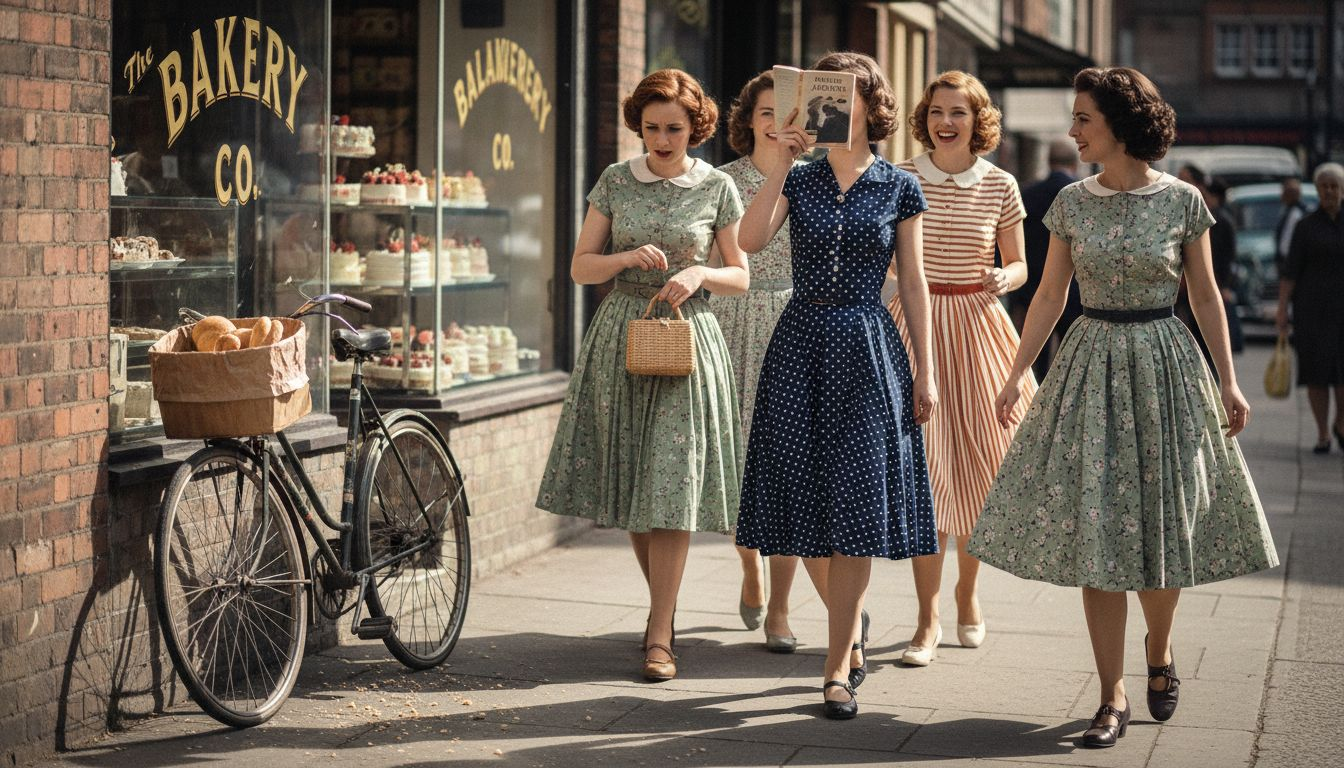
Few eras capture the imagination of vintage fashion enthusiasts like the 1950s, when women across favoured iconic hourglass silhouettes and vibrant fabrics. Embracing these authentic mid-century looks not only supports more eco-conscious wardrobes but also allows modern women to express individuality and celebrate timeless femininity. Discover how true 1950s dress styles offer both sophistication and practicality, making them a perfect match for today’s sustainable style seekers.
Table of Contents
Key Takeaways
Point | Details |
1950s Fashion Characteristics | The 1950s dress style focused on celebrating femininity with structured designs, featuring cinched waists and full skirts combined with practicality for everyday wear. |
Silhouettes and Styles | Key dress styles like fit-and-flare, tea-length, and shirtwaist defined the era, emphasising feminine curves and versatility across various occasions. |
Cultural Influence on Fashion | The influence of Hollywood and prominent designers like Christian Dior transformed fashion, making it accessible and aspirational for women of all social standings. |
Sustainable Styling Tips | To successfully wear vintage dresses, integrate them with contemporary pieces and prioritise quality fabrics and proper garment care for longevity. |
Defining 50s Dress Style and Common Myths
The 1950s dress style emerged as a powerful fashion statement that celebrated femininity, sophistication, and post-war optimism. Distinctive vintage fashion trends defined an era characterised by precise tailoring, clean silhouettes, and an emphasis on the hourglass figure. Women’s fashion during this period prioritised structured designs that highlighted natural curves through cinched waists, full skirts supported by petticoats, and fitted bodices.
Contrary to popular belief, 1950s fashion was not just about glamorous Hollywood-inspired looks. The style was remarkably practical, with everyday wear focusing on functionality alongside elegance. Shirtwaist dresses and fit-and-flare silhouettes became staples that allowed women to move comfortably while maintaining a polished appearance. These versatile garments could transition from household tasks to social gatherings with minimal adjustments.
One significant myth surrounding 1950s fashion is the assumption that women constantly dressed in elaborate, impractical outfits. In reality, 1950s style embraced adaptability and provided women with clothing that balanced aesthetic appeal with practicality. The era’s fashion reflected a nuanced understanding of women’s evolving social roles, offering styles that were both sophisticated and functional.
Pro tip: When recreating a 1950s look, focus on structured pieces that emphasise your natural silhouette and prioritise well-fitted garments over costume-like interpretations of vintage style.
Silhouettes, Cuts, and Iconic Variations
The 1950s fashion landscape was defined by incredibly distinctive dress silhouettes that celebrated feminine curves and sophisticated design. Iconic dress variations emerged during this transformative decade, with Christian Dior’s revolutionary New Look dramatically reshaping women’s fashion. This style emphasised soft shoulders, fitted bodices, and dramatically nipped-in waists that created an exaggerated hourglass figure.
Three primary dress styles dominated the era: fit-and-flare, tea-length, and shirtwaist dresses. The fit-and-flare design particularly captured the decade’s aesthetic, featuring a fitted bodice that dramatically flared out from the waist, creating a quintessentially 1950s profile. Shirtwaist dresses offered a more practical approach, featuring button-down fronts and structured collars that bridged the gap between formal and casual wear, allowing women versatility in their daily wardrobes.
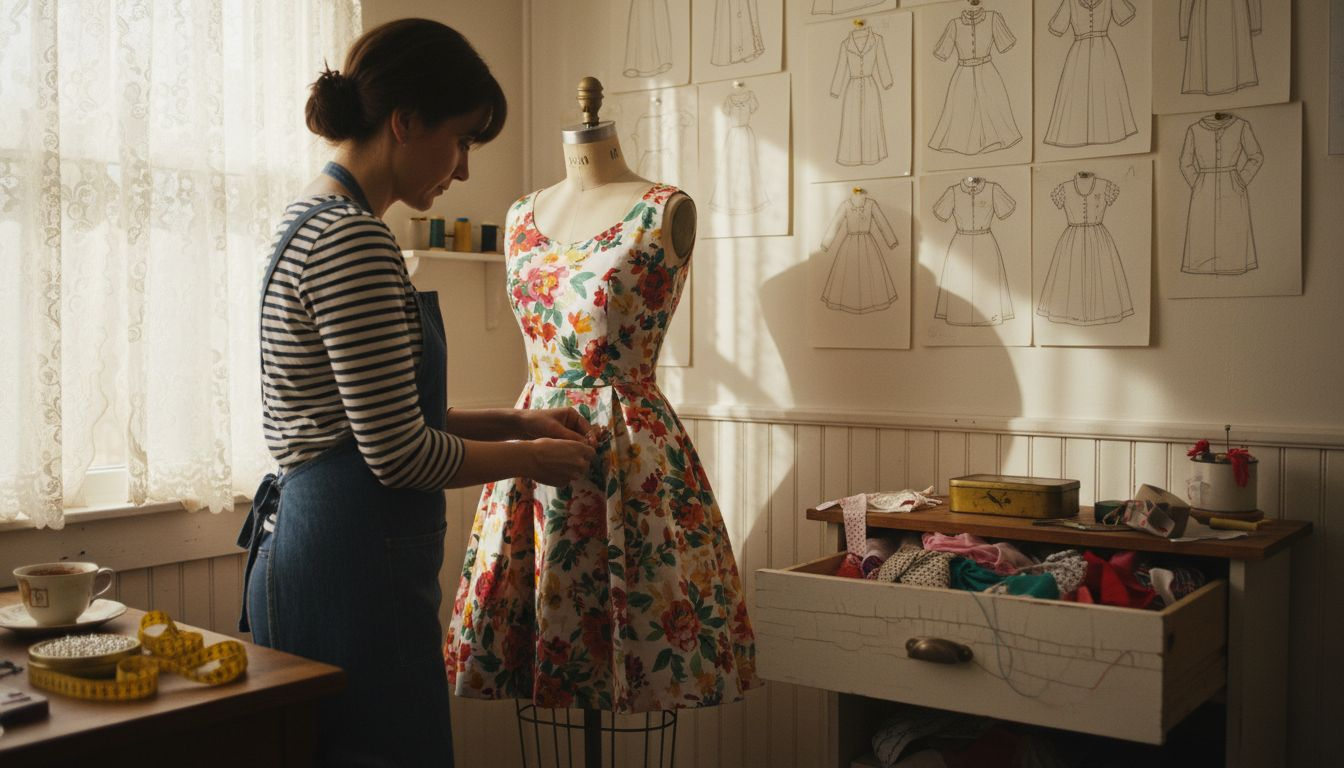
As the decade progressed, dress designs became increasingly diverse and experimental. Mid-1950s fashion saw the introduction of sleeker sheath dresses that offered a more streamlined silhouette, moving away from the earlier full-skirted designs. Patterns became more adventurous, with bold geometric prints and vibrant colours reflecting the era’s growing optimism and cultural dynamism. Hollywood and mass media played significant roles in popularising these evolving styles, making fashion more accessible and aspirational for women across different social strata.
Here is a comparison of the three defining 1950s dress silhouettes:
Silhouette Type | Key Features | Typical Occasions |
Fit-and-Flare | Fitted bodice, full skirt | Daywear, parties |
Tea-Length | Mid-calf hem, elegant drape | Formal events, dances |
Shirtwaist | Button-down, structured collar | Work, daily wear |
Pro tip: When selecting a vintage 1950s dress, prioritise pieces that highlight your natural waistline and choose cuts that complement your body shape for an authentic period-correct look.
Key Fabrics, Colours and Authentic Details
Authentic vintage dress fabrics from the 1950s represented a sophisticated blend of luxury and practicality. Cotton, silk, taffeta, and organza dominated the textile landscape, offering women a range of textures and appearances that could transition seamlessly between different social contexts. Rayon and satin emerged as particularly popular materials, prized for their elegant drape and ability to create movement in garments, reflecting the era’s growing emphasis on feminine silhouettes.
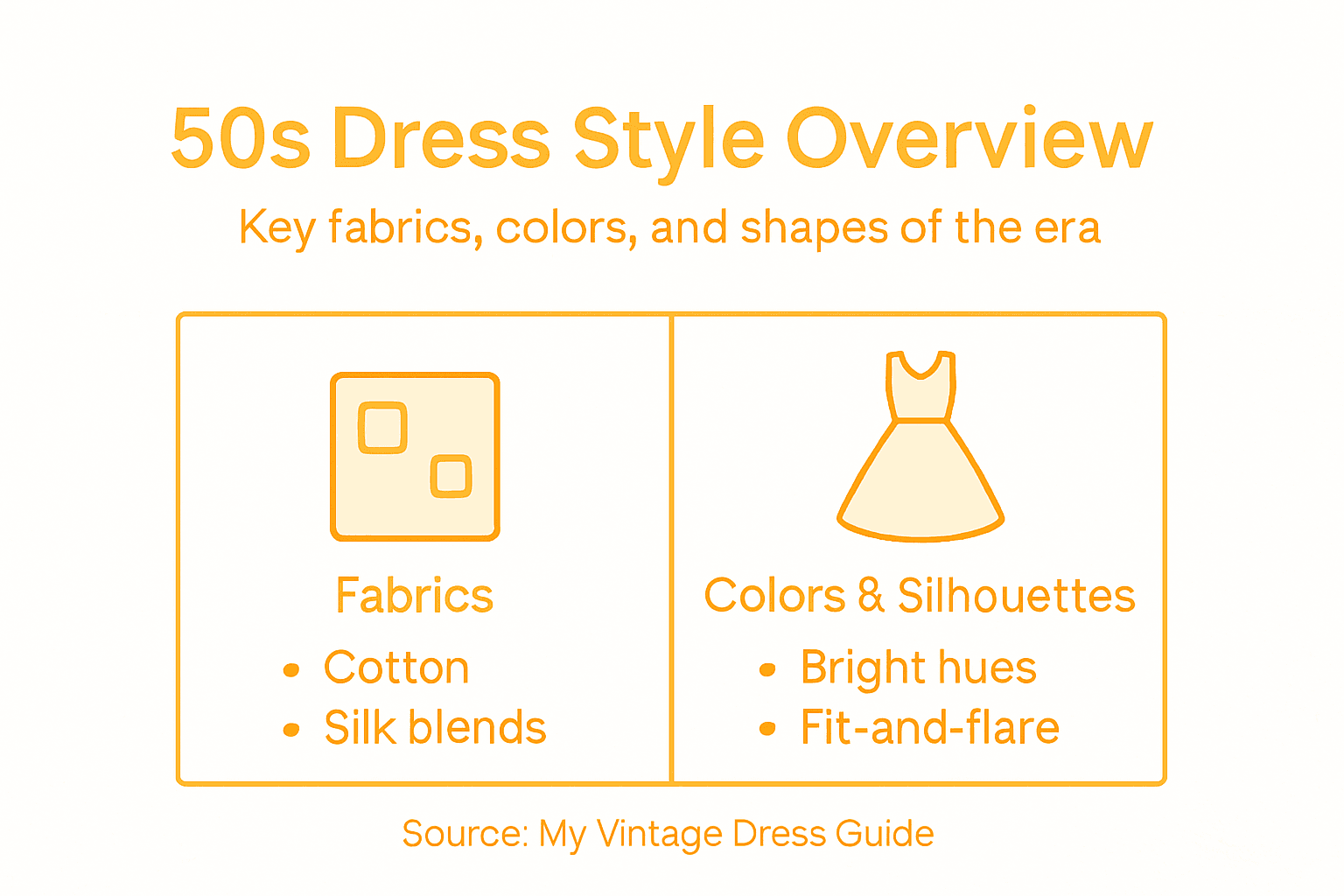
The colour palette of 1950s dresses was a vibrant celebration of post-war optimism. Bright, cheerful hues replaced the muted tones of the wartime period, with bold primary colours and playful pastels becoming increasingly popular. Patterns played a crucial role in defining the decade’s aesthetic, with polka dots, florals, and geometric prints adorning dresses and creating visual interest. These designs were not merely decorative but represented a cultural shift towards more expressive and individualistic fashion choices.
Authentic details distinguished genuine 1950s dresses from modern reproductions. Carefully constructed buttonholes, precise hem lengths, unique zipper placements, and specific seam finishes were hallmarks of period-correct design. Collectors and vintage enthusiasts often look for specific manufacturing techniques, such as hand-sewn elements, distinctive facing treatments, and original manufacturer labels that provide insight into the garment’s provenance and historical context.
Pro tip: When evaluating vintage 1950s dresses, examine the internal construction and fabric quality as closely as the external appearance to ensure true authenticity.
Popular Designers and Celebrity Influence
Hollywood’s fashion influence transformed 1950s dress design through a constellation of iconic designers and celebrity style mavens. Christian Dior emerged as the most transformative force, with his revolutionary New Look redefining feminine silhouettes by emphasising cinched waists and dramatically voluminous skirts. This design philosophy celebrated women’s bodies through meticulously structured garments that represented both elegance and post-war optimism.
The decade’s most influential celebrities became walking fashion statements that shaped global style trends. Marilyn Monroe popularised figure-hugging glamorous dresses that celebrated feminine curves, while Grace Kelly represented sophisticated elegance through her refined, sleek gowns. Audrey Hepburn’s collaboration with Hubert de Givenchy introduced a more streamlined, minimalist approach to fashion that challenged traditional design conventions. Each of these icons not only wore beautiful clothing but actively participated in creating and popularising distinctive style narratives.
Other significant designers like Coco Chanel provided critical counterpoints to the era’s dominant aesthetic. Chanel’s tweed suits and little black dresses offered a more understated, practical alternative to Dior’s dramatic designs. Designers such as Balenciaga and Valentino began reimagining these classic styles, creating a bridge between mid-century fashion and contemporary design sensibilities. Their innovative approaches ensured that 1950s dress styles would continue to inspire fashion generations long after the decade had passed.
Pro tip: When exploring vintage 1950s fashion, study the specific designers who defined the era to understand the nuanced cultural and aesthetic contexts behind each iconic look.
Practical Tips for Identifying True 50s Pieces
Authentic vintage clothing identification requires a keen eye and understanding of specific period-specific details. Key indicators of genuine 1950s pieces include construction techniques, fabric composition, and distinctive design elements that set these garments apart from modern reproductions. Examining internal seam finishing, zipper types, and manufacturing labels can provide crucial insights into a dress’s true vintage origin.
Manufacturing details offer significant clues about period authenticity. Genuine 1950s dresses typically feature metal zippers, hand-stitched buttonholes, and specific seam allowances that differ from contemporary garment construction. Care labels, if present, will have different formatting compared to modern tags, often displaying simpler typography and less comprehensive washing instructions. Fabric composition labels from this era were less regulated, frequently showing more simplistic material descriptions.
Detailed visual examination reveals additional authentication markers. Look for distinctive design elements like pinked seam edges, bias-cut facings, and specific dart placements characteristic of mid-century dress construction. Vintage sizing labels will differ significantly from contemporary measurements, often running smaller and using different numerical systems. Original manufacturer labels, particularly from iconic designers of the era, can provide definitive proof of a garment’s authentic provenance and historical significance.
To help you differentiate genuine 1950s dresses from modern reproductions, here is a quick reference table of key identifiers:
Authenticity Marker | 1950s Original Dress | Modern Reproduction |
Zipper Material | Metal, side or back placed | Nylon or plastic, back/side |
Seam Finishing | Pinked or hand-stitched | Overlocked or serged |
Labels and Tags | Simple fonts, minimal info | Detailed care/fabric labels |
Buttonholes | Hand-stitched or well-crafted machine | Mass-produced, less precise |
Fabric Composition | Cotton, silk, rayon, taffeta | Mixed synthetics, poly blends |
Sizing | Smaller, uses old numerical system | Modern, vanity sizing |
Pro tip: Invest in a magnifying glass and vintage sewing reference guide to help you scrutinise intricate construction details that distinguish genuine 1950s pieces from modern reproductions.
How to Style and Sustainably Wear 50s Dresses
Sustainable vintage fashion styling requires thoughtful integration of classic 1950s silhouettes with contemporary wardrobe pieces. The key is creating versatile outfits that honour the original aesthetic while remaining practical for modern lifestyles. This approach involves selecting high-quality vintage pieces with timeless cuts, focusing on natural fabrics like cotton, wool, and silk that provide durability and comfort.
Layering becomes essential when modernising 50s dress styles. Pair a full-skirted vintage dress with contemporary lightweight jackets or structured cardigans to create visual interest and adaptability. Accessorising plays a crucial role in transforming vintage pieces, with carefully chosen items like leather belts, statement jewellery, and classic shoes helping to bridge historical design with current fashion trends. Mixing vintage and modern elements allows for personal expression while maintaining the dress’s original character.
Maintaining the longevity of vintage dresses demands careful consideration of fabric care and storage. Hand washing in mild detergents, avoiding direct sunlight, and storing garments in breathable cotton bags can significantly extend their lifespan. Consider professional restoration for delicate pieces, and rotate wearing to prevent excessive wear. By treating these garments as treasured investments rather than disposable fashion, you contribute to a more sustainable and mindful approach to personal style.
Pro tip: When styling vintage 1950s dresses, focus on creating balanced silhouettes by mixing period-specific pieces with contemporary staples that complement rather than compete with the dress’s original design.
Embrace Authentic 1950s Style with Confidence and Sustainability
Understanding the true essence of 1950s dress style means recognising the balance between feminine sophistication and practical wearability. If you are looking to capture that classic hourglass silhouette with genuine vintage fabrics and authentic construction details, you face the challenge of finding pieces that are both historically accurate and wearable today. With misconceptions about impracticality and costume-like reproductions, discovering real 50s garments that suit your modern lifestyle can feel overwhelming.
Unlock your vintage wardrobe potential at My Vintage, where every item is handpicked to represent timeless style and sustainable fashion. Explore our carefully curated collection of authentic dresses, featuring iconic fits and fabrics that echo the era’s optimism and elegance. Dive into our rich vintage apparel to celebrate individuality with pieces that truly matter. Start your journey now by browsing the full range at My Vintage and learn valuable styling tips to refresh your look with genuine 50s flair. Your perfect retro outfit awaits—step confidently into the past with style that lasts.
Frequently Asked Questions
What defines the 50s dress style?
The 50s dress style is characterised by precise tailoring, clean silhouettes, and an emphasis on the hourglass figure. Women’s fashion featured structured designs like cinched waists, full skirts, and fitted bodices, celebrating femininity and sophistication.
What are the most popular dress silhouettes from the 1950s?
The three primary dress silhouettes from the 1950s are fit-and-flare, tea-length, and shirtwaist dresses. Each style has distinct features, with fit-and-flare dresses highlighting the waist and full skirts, while shirtwaist dresses offered a more practical style with button-down fronts.
How can I authentically recreate a 1950s look?
To authentically recreate a 1950s look, focus on structured pieces that emphasise your natural silhouette. Prioritise well-fitted garments and consider incorporating vintage accessories to enhance the overall aesthetic while steering clear of costume-like interpretations.
Why is understanding 50s dress style important?
Understanding 50s dress style is important as it reflects cultural shifts, societal roles, and the evolution of women’s fashion. It allows for appreciation of historical context and influences contemporary fashion choices, promoting sustainable practices in vintage dressing.
Recommended


Comments