


How to Curate a Vintage Wardrobe: Your Guide to Timeless Style
- Apr 1
- 9 min read

Fast fashion floods every high street, and it can feel almost impossible to express genuine individuality when everyone around you is wearing the same mass-produced styles. Building a truly distinctive vintage wardrobe is one of the most rewarding things a fashion lover can do, but it takes more than a lucky charity shop find. Authenticity, quality, and knowing where to look are everything. In this guide, we walk you through exactly how to start, source, authenticate, and style genuine vintage clothing so your wardrobe tells a story that is entirely your own.
How to Curate a Vintage Wardrobe: Table of Contents
Key Takeaways
Point | Details |
Preparation matters | Knowing your style, measurements, and budget sets you up for success in vintage shopping. |
Authenticity checks | Carefully inspect labels, fabrics, and construction to confirm a piece’s true vintage status. |
Visit multiple sources | Combining online and in-person searches increases your odds of finding unique, quality items. |
Fit and care essentials | Prioritise fit, professional tailoring, and careful maintenance to extend the life of vintage garments. |
Curation over accumulation | Build your collection deliberately, with authenticity and story, rather than buying quickly or in bulk. |
What You Need to Start Your Vintage Wardrobe
Now that you’re ready to step away from mainstream trends, let’s look at how to begin your vintage journey. Before you spend a single penny, a little preparation goes a long way. The right tools and mindset will save you from costly mistakes and help you shop with real confidence.
First, gather your essentials. You don’t need much, but these basics are genuinely useful:
Measuring tape for checking actual garment dimensions
Smartphone for looking up labels, researching brands, and comparing prices on the spot
Small sewing kit for minor on-the-go repairs or adjustments
A notebook or app to record your measurements and a wish list of desired pieces
Knowing your own measurements is critical because vintage sizing differs dramatically from modern UK sizing. A dress labelled size 14 from the 1960s may fit more like a contemporary size 10. Always measure your bust, waist, hips, and shoulder width before you shop.
Measurement | Why it matters |
Bust | Bodices in older garments run narrow |
Waist | 1950s styles are often very fitted |
Hips | Flared skirts and trousers vary widely |
Shoulders | Hard to alter without major tailoring |
Set a realistic budget and decide which era or style excites you most. Are you drawn to the structured elegance of the 1950s, the bold prints of the 1970s, or the power-dressing of the 1980s? Focusing your search makes it far less overwhelming. It also helps to understand what “vintage” actually means: a piece must be at least 20 years old and representative of its era to qualify. Anything newer is simply second-hand or retro.
Pro Tip: Keep a saved note on your phone with your key measurements and a short wish list. When you’re browsing a car boot sale or scrolling through buying vintage online, you’ll make faster, smarter decisions. For a broader overview, our tips for buying vintage are a brilliant starting point.
Where to Shop and Strategies for Finding Vintage Pieces
With your basics and mindset in place, it’s time to explore where to hunt for true vintage gems. The UK is genuinely one of the best places in the world to source authentic vintage clothing, with a rich network of physical and digital hunting grounds.
In-person options include charity shops, car boot sales, estate sales, and dedicated vintage markets. London is particularly rich in options. UK thrift shops and flea markets like Hackney Flea Market are well worth a regular visit, as stock changes constantly and early birds genuinely do find the best pieces.
Online options such as Depop, Etsy, and eBay offer enormous variety and the ability to search by era, size, and style. The key is to favour reputable sellers with strong reviews and detailed photographs. The most prominent online vintage store in the UK is My Vintage - a long standing and very knowledgable vintage seller with a huge range of very high quality vintage stock.
Shopping method | Pros | Cons |
Charity shops | Low prices, surprise finds | Inconsistent stock, no filtering |
Car boot sales | Bargains, unique pieces | Weather-dependent, early starts |
Online (Depop/Etsy) | Vast choice, search filters | Can’t inspect in person, postage costs |
Vintage markets | Curated, knowledgeable sellers | Higher prices, less negotiation |
For online scrolling vs IRL hunting, both approaches have genuine merit. Online shopping suits those who know their measurements and have a specific item in mind. In-person hunting is better for discovering unexpected pieces and assessing fabric quality with your own hands.
Our vintage clothing shops comparison breaks down the best UK options in more detail. You’ll also find plenty of inspiration in our guide to sourcing quality retro treasures and ideas for styling vintage clothing once you’ve made your finds.
Pro Tip: Set up saved searches and alerts on Depop and eBay for specific items or eras. For in-person shopping, mark your calendar for regular car boot sales in your area and aim to arrive early.
How to Authenticate Vintage Pieces and Avoid Fakes
After finding promising pieces, it’s time to ensure your finds are the real deal. The vintage market is full of reproductions and modern “retro” items that look old but aren’t. Knowing how to spot the genuine article protects your investment and your wardrobe’s integrity.
Here is a step-by-step process for authentication:
Check the label. Look for outdated country names such as “Made in West Germany” or “Made in Czechoslovakia.” Pre-1970s garments typically have no care instruction labels, as these only became standard after 1971.
Examine the fabric. Authentic vintage pieces are more likely to use natural fibres such as wool, silk, or cotton. Synthetic blends became more common from the 1970s onwards.
Inspect the construction. Look for hand-stitching, French seams, and era-specific tailoring techniques. Zippers are a great clue: metal zip teeth indicate pre-1960s, while nylon zips suggest later decades.
Research the label. The Vintage Fashion Guild database is an invaluable free resource for identifying labels, fabrics, and timelines.
Ask about provenance. A garment with a documented history, such as a known previous owner or original purchase receipt, is far more desirable. Authentic pieces with provenance can command values 50% higher or more than similar items without a traceable background.
“Multiple verifications are always better than one. Cross-reference labels, construction, and fabric before committing to a purchase.” This is the approach we always recommend at My Vintage, and it rarely lets you down.
For a deeper look at the process, our guide to identifying authentic vintage covers every detail you need.
Inspecting Condition, Sizing and Tailoring for the Perfect Fit
With authentication checked, now ensure your vintage clothing will look and feel fantastic. Even the most beautiful authentic piece is a poor investment if it doesn’t fit or is in poor condition.
Follow these steps when inspecting any garment:
Check for stains. Hold the item up to natural light and look carefully at underarms, collars, and hems. Some stains are permanent, especially older perspiration or rust marks from metal zips.
Smell the fabric. Musty odours can often be aired out, but heavy mildew is a warning sign of deeper fabric damage.
Look for tears, repairs, and fabric wear. Thin patches, fraying seams, and moth holes are common in older knitwear. Minor repairs are fine; structural damage is not.
Measure the garment itself. Vintage sizing differs significantly from modern UK sizing, so always measure the actual garment rather than trusting the label. Focus on shoulders, chest, waist, and hips.
Key areas to measure:
Shoulders: The hardest area to alter without expensive tailoring
Chest and bust: Allow a little ease for comfort
Waist: Vintage waistbands can be let out slightly if there is a seam allowance
Hip and hem length: Easier to adjust
Pro Tip: Buy slightly larger and have a trusted tailor alter the piece for a bespoke fit. A well-fitted vintage garment looks infinitely better than one that almost fits. Our vintage shopping checklist is a handy companion for every shopping trip.

Building a Unique Look and Caring for Your Vintage Wardrobe
With the right fit secured, you’re ready to create signature outfits and care for your investment. The joy of a vintage wardrobe lies in mixing and matching across eras to create something entirely personal.
Here are our favourite styling principles:
Mix eras deliberately. A 1970s printed blouse pairs beautifully with tailored modern trousers. The contrast is part of the charm.
Use one statement piece per outfit. Let a bold 1960s shift dress or a 1980s power blazer do the talking, and keep the rest of the look simple.
Balance vintage with contemporary. True vintage pieces have a unique character that stands out even more when contrasted with modern basics.
Keep it personal. Your wardrobe should reflect your own taste, not just what’s currently fashionable in vintage circles.
Caring for your pieces is just as important as finding them. Vintage fabrics are often more delicate than modern textiles, so treat them gently.
Hand wash with a mild detergent or use a delicate machine cycle where appropriate
Store away from direct sunlight to prevent fading and fabric degradation
Use padded hangers for structured jackets and knitwear to preserve their shape
Fold heavy knits rather than hanging them to avoid stretching
Pro Tip: Photograph your favourite outfits as you build them. It’s brilliant for future inspiration, and sharing on social media connects you with a community of like-minded vintage lovers. Our guide to styling unique vintage looks and our advice on caring for vintage clothing will keep your collection looking its best for years to come.
Why True Curation Matters: Wisdom from the Vintage World
Beyond day-to-day choices, let’s step back and consider what genuine vintage curation really means. We’ve seen a lot of wardrobes over the years at My Vintage, and the ones that truly stand out share something in common: they weren’t assembled quickly.
There is a real difference between buying vintage and curating vintage. Anyone can pick up a retro-looking piece from a high street chain. But building a collection that reflects your personality, your knowledge, and your genuine appreciation for fashion history? That takes patience and deliberate thought.
Some collectors prefer curated boutiques for the assurance of authenticity, while others love the thrill of hunting through car boot sales for hidden gems. Both approaches have value, but the best collections tend to combine both. The thrill lies as much in the search as in the find itself.
Authenticity matters beyond resale value. Each genuine vintage piece carries a story, a moment in fashion history, and a connection to the person who wore it before you. That is something no reproduction can replicate. Favour deliberate collecting over fast fixes, and your wardrobe will grow into something genuinely meaningful.
Find Your Next Vintage Treasure
Ready to take your vintage journey further? At My Vintage, we’ve been carefully curating authentic pieces since 2004, and every item in our collection is selected for quality, character, and story. Whether you’re building your first vintage wardrobe or adding to an established collection, we have something for you.
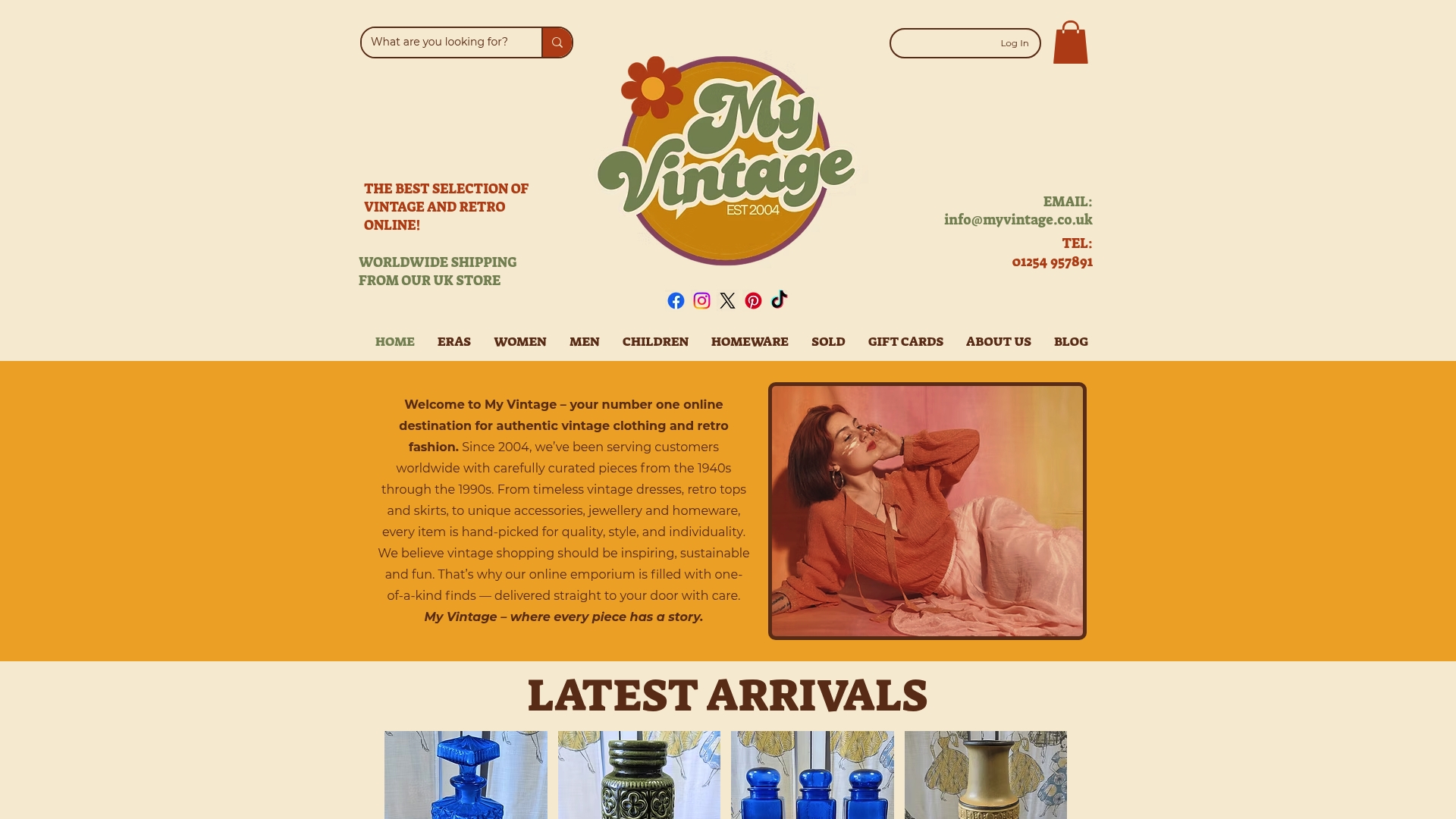
From beautifully preserved clothing spanning the 1940s to the 1990s to statement homeware like our original 1950s vintage atomic magazine rack, every piece we stock has been chosen with the same passion you bring to your own collecting. Browse our full range and let your next great find be waiting for you.
Frequently Asked Questions
How do I know if a piece is real vintage?
Check for outdated labels and construction details such as metal zips, natural fibres, and hand-stitching, and cross-reference using the Vintage Fashion Guild label database for confirmation.
Are vintage clothes true to size?
Vintage sizing runs smaller than modern UK sizes, so always measure the actual garment and consider buying one or two sizes larger to allow for tailoring.
What’s the difference between retro and true vintage?
True vintage is at least 20 years old and representative of its era, whereas retro items are modern reproductions designed to evoke past styles without being genuinely old.
How can I care for delicate vintage fabrics?
Hand wash with a gentle detergent, store away from direct sunlight, and use padded hangers or fold heavy knits to preserve their shape and condition.
Where can I find rare vintage items in the UK?
Explore London flea markets and charity shops such as Hackney Flea Market, as well as estate sales, car boot sales, and trusted online sellers on platforms like Depop, Etsy, and eBay.
Recommended


Comments